

Chinese consumption accounted for 78% of China’s GDP in the first three quarters, a 14% increase over the same period last year.
The increase in advertising spending is consistent with consumer behaviour, which is determined by increases in disposable income, consumption patterns and media behaviours.
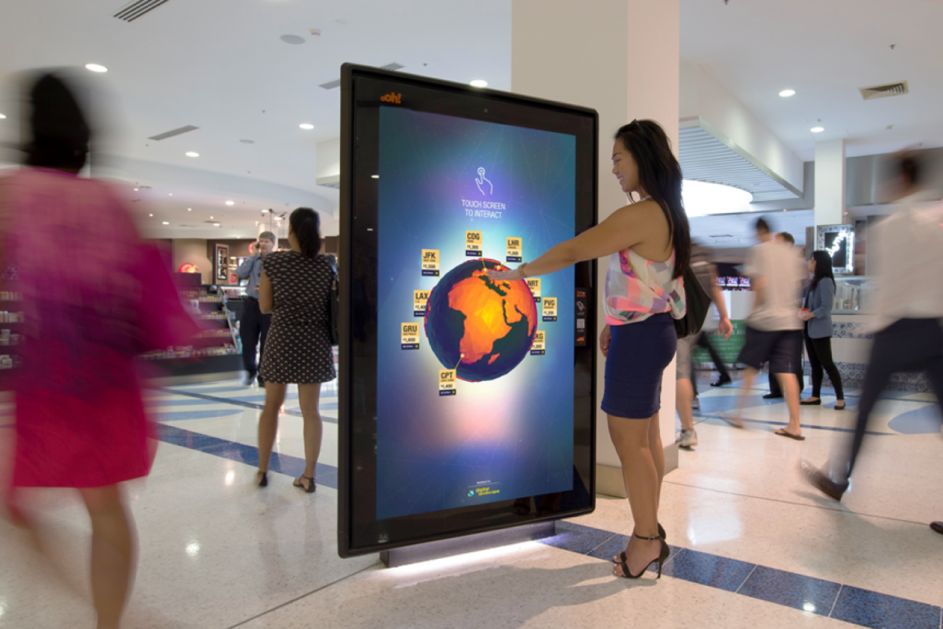
According to Dentsu Aegis Network, advertising spending in China is forecast to increase by 7% this year.
Digital advertising is growing
In China, online advertising spending exceeds all the rest of Asia with $13 billion and 11% of global spending.
Thanks to the continued growth of digital technology, China’s advertising spending will reach RMB 717 billion, an increase of 15.8% in the first three quarters of the year.
In digital out of home (OOH), it increased by 14.2% over the same period. Meanwhile, newspapers, magazines and television all recorded decreases of 28%, 9% and 5.5% respectively.

As digital advertising develops, the usual advertisements are less used.
Susana Tsui, group CEO of Dentsu Aegis Network China, said: “China’s digital economy continues to lead the globe, both in terms of scale and advancements made. It is therefore unsurprising that China remains a core driving force in the year ahead, with further positive growth forecast.”
What explains the development of Internet advertising campaigns?
Tim Andree, global CEO & chairman of Dentsu Aegis Network, said: “As the world transitions to a digital economy, advertising is at the leading edge of change. Digital connectedness – driven not only by advances in technology, but the speed of consumer adoption – has fundamentally changed the shape of our business and will continue to do so. Even where digital penetration is highest – such as China and the UK – the trend shows little sign of slowing down.”

With 1.3 billion inhabitants, China is undeniably the largest market in the world.
With this extraordinary size, it is not surprising that the number of Internet users is exploding: 800 million Internet users, including 788 million who have Internet access from their smartphones, making China the most connected country in the world.
The Chinese are very active on the web which represents a social activity for them (content sharing, exchange, purchases). E-commerce in China reached 425 billion euros in 2014.
If the Chinese like e-commerce so much, it is not only to save time but also to access an international range of products and advice from other users, which traditional physical shops do not offer.
It is not surprising that digital sector now concentrates most of the investments made in the advertising sector in China.
Integrated advertising has become a new growth area for the advertising industry
The Chinese Internet advertising market reached 371.7 billion yuan (about 55.48 billion dollars) in 2016, up 25.7% year-on-year, according to a report on the development of the Internet. A figure that continues to increase.
Internet advertising via mobile devices represents 70% of the market, and this share is expected to grow again in the future, says the report published by the China Internet Information Center.

Integrated advertising has become a new growth area for the advertising industry and is characterized by increasing popularity and market share.
Advertising revenues from short video platforms increased significantly in 2018, and the value of these platforms in terms of advertising is more widely recognized.
The biggest players in online ads
In 2018, pharmaceuticals were the largest category in terms of advertising spending, with more than RMB 125 billion, while the entertainment and web services sectors experienced the fastest growth. Real estate showed the largest decrease, with a year-on-year decrease of -34.93%.
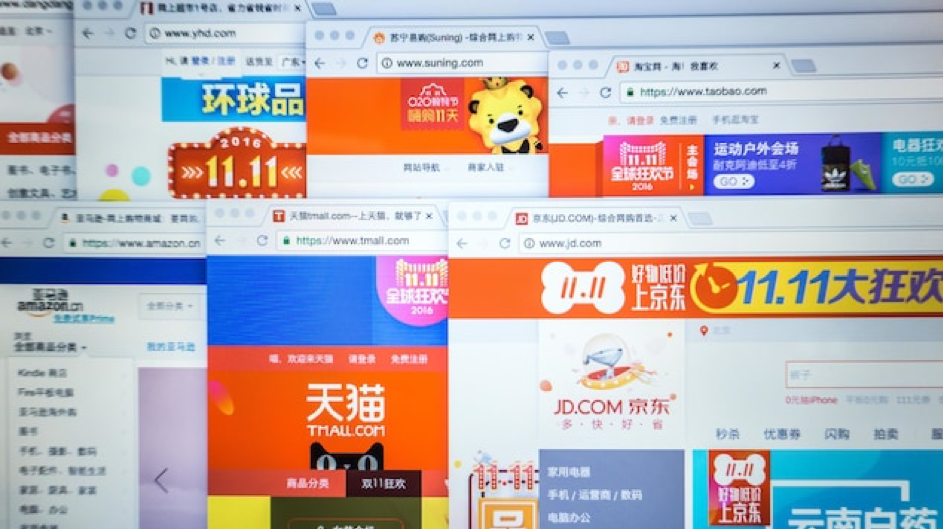
Baidu and Taoabao are the two largest players and account for half of the market. The largest advertisers are Pingan (insurance), Volkswagen and P&G. Banners are the most popular with 30% of the display followed by SEM with 28%.
How to do digital advertising in China?
With more than 800 million Chinese citizens connected, digital is the most efficient solution, but it is the largest and most closed online system in the world. Chinese platforms dominate and should be used by foreign companies to increase their online visibility and reputation as well as their product range and associated benefits. Digital marketing is also the most cost-effective method offering a fast, measurable and substantial return on investment.
E-REPUTATION, THE KEY IN CHINA
When it comes to health care, the Chinese do more research than any other sector. It is therefore essential to develop your online reputation on forums, in e-media and on platforms related to Baidu in order to inspire trust, respect and build a loyal and quality customer base. In China, it is vital for any company to invest in e-reputation and build trust between Chinese clients and the company. We help companies with the management of marketing forums and public or press relations.
Working on community management in China… like forums is an excellent way to enhance your reputation and rank in Baidu’s search results because the majority of these forums themselves are very well ranked.

Step 1 WeChat now has more than 900 million active monthly users. An average user spends about 2.5 hours per day on the application.
WeChat Advertising?
WeChat is more than essential for a company that wishes to address a Chinese clientele to develop a strong presence on the number one application in China.
See more information about WeChat Advertising Plateform

OFFICIAL ACCOUNT ON WEIBO
Weibo is the second most used social network in China. It’s a mix between twitter and Facebook, even better.
Weibo ads is much better than WeChat

For more information, visit our website and read this study:
1 comment
Lulu
The amount of digital content in China is already huge and the ads will become more ad more numerous! China’s digital platforms are developing faster than in Western countries: online payment generalization, online shopping habits, … All of these are challenging for foreign companies that want to sell in China, but it represents such a huge opportunity that it definitely worth it.