Anti-Pollution Skincare in China: 2026 Market Overview, Top Brands and Trends
(Updated July 2026 with latest market data)
I have worked with cosmetics brands entering China for over 15 years. Anti-pollution skincare was once a niche claim. Today it is a core category driving purchase decisions across all price points. Here is what the market looks like in 2026, and what it means for brands trying to win.
The 2026 Market: Numbers You Need to Know
China’s anti-pollution skincare market was valued at USD 1.68 billion in 2025. It is on track to reach USD 2.52 billion by 2030, growing at a CAGR of 6.2% (Grand View Research). That is not a trend. That is a structural shift driven by 700+ million urban consumers living with daily PM2.5 exposure.
The broader picture: China’s total cosmetics market crossed RMB 1.1 trillion (approximately USD 141 billion) in 2025. Online channels now account for 65.4% of all transactions. From January to April 2026, cosmetics sales rose 5.6% year-on-year. The category is not slowing down.
At Cosmetics China Agency, we have worked with brands that underestimated this segment. The mistake is treating anti-pollution as a marketing claim. Chinese consumers treat it as a functional requirement. If your formulation cannot prove efficacy, you lose credibility fast on Xiaohongshu.
1. Key Trends Shaping Anti-Pollution Skincare in China
- Science-Backed Efficacy: Consumers prioritize products with clinical validation and advanced formulations. Brands like Winona and Biohyalux focus on barrier-repair creams and hydrating masks tailored for post-pollution recovery, using clinical data to validate claims. In 2026, Proya’s Biotechnology Research Institute in Hangzhou is re-engineering TCM actives like Tremella, Artemisia, and Centella Asiatica for higher purity and measurable pollution-defense performance.
- Integration with Light Medical Aesthetics: The rise of minimally invasive cosmetic procedures (laser treatments, microneedling) has spurred demand for anti-pollution products that protect and repair skin post-procedure. Helena Rubinstein’s Replasty Age Recovery Night Cream is a top choice for its dual anti-aging and pollution-defense benefits.
- TCM Meets Biotechnology: Anti-pollution formulations now incorporate traditional Chinese medicine ingredients like ginseng and licorice, blending cultural heritage with modern biotechnology. Herborist and 5Yina exemplify this with TCM-inspired serums and detoxifying toners. C-Beauty brands are using this angle to beat international players on ingredient storytelling.
- AI-Powered Discovery: In 2026, platforms like Doubao and Kimi are integrated into beauty discovery flows. Consumers search skin concerns on AI assistants before going to XHS or Douyin. Brands not optimizing for AI search are already behind their domestic competitors.
2. Top-Selling Anti-Pollution Products
- Barrier-Repair Creams:
- Winona Sensitive Skin Barrier Repair Cream: Combats pollution-induced irritation with ceramides and probiotics. A staple for urban consumers.
- La Mer The Concentrate: Luxury option with fermented algae to neutralize particulate matter. Popular among high-income demographics.
- Detoxifying Masks:
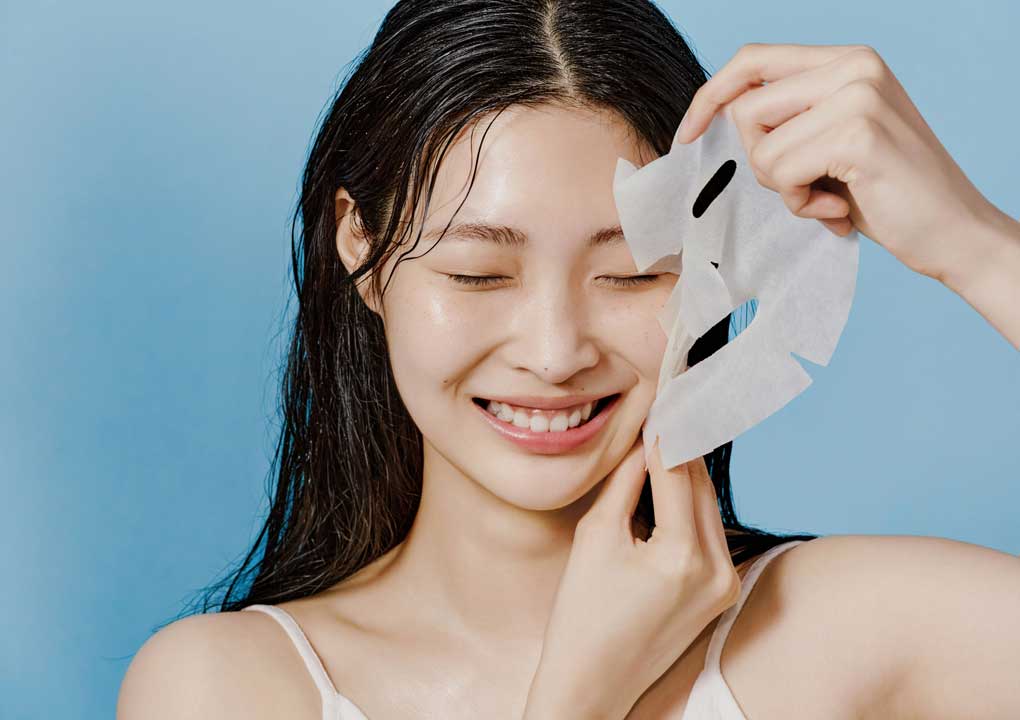
- Florasis Jade Purifying Mask: Uses herbal extracts (chrysanthemum, green tea) to draw out pollutants. Praised for cultural packaging and efficacy.
- Estée Lauder Nutritious Micro-Algae Pore Purifying Mask: Targets urban grime with micro-algae and charcoal.
- Hybrid Sunscreen-Serums:
- Proya Featherlight UV Defense Serum: SPF 50+ with niacinamide and anti-blue light protection. Doubles as a makeup primer.
- Chanel UV Essentiel Multi-Protection Essence: Combines pollution-shielding polymers with hydrating hyaluronic acid.
- Airborne Particle Neutralizers:
- Shiseido Urban Environment Oil-Free UV Protector: Uses “pollution-absorbing” technology to prevent PM2.5 adherence on skin.
3. The “Immunity Product” Craze
Post-pandemic, Chinese consumers increasingly seek skincare that boosts skin’s “immunity” against environmental stressors. Key drivers include:
- Probiotic Skincare: Products like AHC’s Immunity Boosting Essence (with lactobacillus ferment) strengthen the skin microbiome.
- Adaptogen-Infused Formulations: 5Yina’s Five Seasons Serum uses adaptogens like reishi mushroom to enhance skin resilience.
- Antioxidant-Rich Serums: Proya’s Dual-Efficacy Vitamin C Booster neutralizes free radicals while brightening skin, aligning with the “immunity” trend.
4. Top Anti-Pollution Brands in China
| Brand | Key Product | Differentiator |
|---|---|---|
| Winona | Barrier Repair Cream | Clinically validated for post-procedure recovery. |
| Florasis | Jade Purifying Mask | Fusion of traditional herbs and artistic packaging. |
| Proya | Featherlight UV Defense Serum | SPF 50+ with anti-blue light and niacinamide. |
| La Mer | The Concentrate | Fermented algae technology for the luxury segment. |
| Shiseido | Urban Environment UV Protector | PM2.5 pollution-absorbing technology. |
| 5Yina | Five Seasons Serum | TCM adaptogens for skin resilience. |
| Herborist | Detox Toner | Chinese herbal formulation at an accessible price point. |
5. How Channels Have Shifted in 2026
The platform map has changed. I have seen brands fail because they kept their 2023 Tmall-first strategy in 2026. That does not work anymore.
Douyin has overtaken Tmall as the primary GMV driver for beauty in China. But Douyin’s beauty GMV contracted 1.13% year-on-year in February 2026. The platform is maturing. Brands that win on Douyin in 2026 have tight content-to-commerce loops: one KOL drives discovery, a brand livestream converts, and Tmall handles repeat purchases. Throwing budget at livestream without a product story behind it no longer works.
Xiaohongshu remains the highest-trust channel for anti-pollution skincare. Its 300+ million monthly active users post ingredient reviews, before-and-after photos, and multi-week usage diaries. For this category, authenticity matters. A single honest review from a dermatology-focused creator on XHS outperforms a produced brand video every time. This is especially true for premium international brands entering the market.
C-Beauty brands now hold 57.4% of the Chinese cosmetics market. That is five consecutive years of share gain. Domestic brands like Proya, Florasis, and Winona are not just cheaper alternatives. They are the preferred choice in their segments. International brands can still compete, but they need a clear reason to exist: superior formulation, brand heritage, or a price positioning domestic brands cannot match.
6. Ingredient Trends Driving the Anti-Pollution Market in 2026
The data is clear: ingredient storytelling is the primary driver of purchase on XHS and Douyin in 2026. These are the five ingredients driving the most searches in the anti-pollution skincare category:
- Centella Asiatica (积雪草): Repair and anti-inflammation. Cross-category appeal from prescription skincare into the mass market.
- Tremella Mushroom (银耳): Repositioned as a TCM alternative to hyaluronic acid. High search volume on XHS among 25-35 year-olds.
- Artemisia (艾草): Calming for pollution-sensitized skin. Proya’s Biotechnology Institute has isolated active fractions for clinical formulation.
- Niacinamide: Still dominant for brightening pollution-induced dullness. Consumer knowledge has become specific: XHS users now debate 2% versus 5% concentrations openly.
- Probiotic Complexes: Microbiome science is entering mainstream anti-pollution claims. Brands backing this with published research are winning in the premium tier.
At Cosmetics China Agency, we have worked with brands that built their entire XHS content strategy around ingredient education. It works. Decision-makers in this market respond to specificity, not broad claims.
7. Premiumization Versus Trade-Down: Where the Market Sits in 2026
There is a split happening. At the premium end (300+ RMB per SKU), Chinese consumers are spending more on products that combine anti-pollution with anti-aging, post-procedure recovery, or microbiome science. This is where international brands like La Mer, SkinCeuticals, and Helena Rubinstein still hold ground.
At the mid-range (80-200 RMB), domestic brands dominate. Proya, Winona, and Florasis are capturing the urban professional who wants proven efficacy without the luxury price tag. This is the fastest-growing volume segment.
I have seen brands fail because they tried to sit in the middle, at 200-300 RMB, with no clear differentiation from domestic options. That gap is closing. You either go up or you compete on formulation and distribution speed. There is no safe middle ground in China’s cosmetics market in 2026.
For cosmetics brands entering China, the anti-pollution angle is still a strong entry point. But you need real clinical data, a credible ingredient story, and a platform strategy that matches where your target consumer spends time. Relying on a single channel is a mistake. The brands winning in 2026 use XHS for trust-building, Douyin for volume, and WeChat for retention.
8. KOL and Live Commerce Strategy for Anti-Pollution Products
KOL marketing in this category requires precision. A top beauty influencer with 5 million followers may drive fewer quality conversions than a dermatologist-turned-creator with 200,000 highly engaged followers. I have seen this repeatedly in our client campaigns.
For anti-pollution skincare, the best-performing KOL content formats in 2026 are:
- Before-and-after documentation: 4-week usage diaries showing measurable skin improvement. High trust signal on XHS.
- Ingredient deep-dives: 60-90 second Douyin videos explaining a single active ingredient and why it works for urban skin.
- Live commerce demos: Product texture, application technique, and real-time Q&A. Converts well when paired with a limited-time SKU bundle.
- Dermatologist partnerships: Medical credibility is now a meaningful differentiator. Brands co-creating content with licensed dermatologists see higher conversion rates on premium SKUs.
Data from Q1 2026 shows that live commerce sessions combining KOL storytelling with brand scientist participation are outperforming pure influencer content. Chinese consumers are asking harder questions in the comments. Your brand needs people who can answer them.
Our digital marketing agency for China specializes in cosmetics brands. Contact us for a free audit of your China strategy.