
In China, people are going crazy over “edible beauty” which combines food and beauty to improve their skin and overall health. They use healthy ingredients like chia seed oil and hyaluronic acid, which have antioxidants and Omega-3s that make skin look amazing. This trend is growing fast and is fueling a big market for these products.
With traditional Chinese medicine playing an increasingly vital role in shaping this trend, let’s explore how beauty foods are revolutionizing China’s approach to skincare and health.
Overview of the Beauty Foods In China
Beauty foods in China refer to food ingredients that promote healthy skin and overall health, driven by the growing popularity of wellness trends and traditional Chinese medicine.
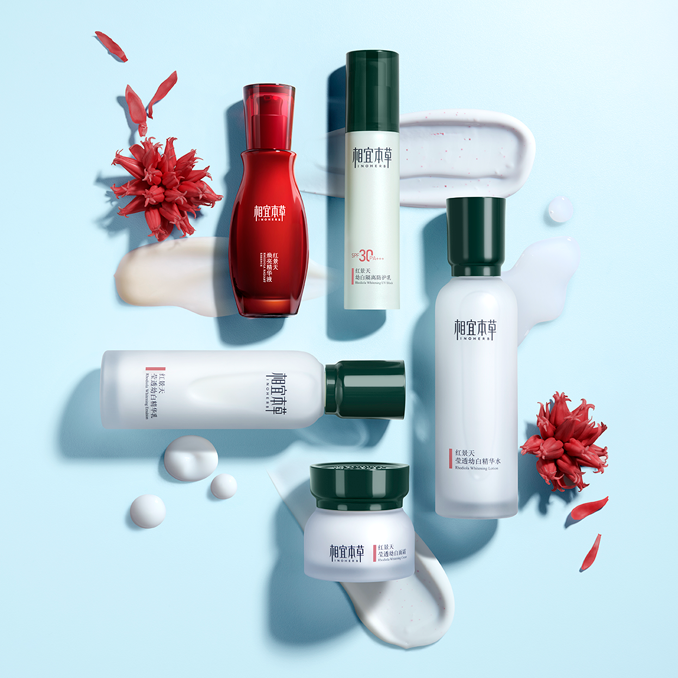
The beauty foods market in China is growing, and it’s important to understand the concept of “Nutritional Beauty” to tap into it. These products combine traditional Chinese ingredients with modern food technology to create snacks that promote skin health and overall wellness.
The idea of “Food as Beauty” is deeply rooted in China’s culinary heritage and cultural traditions, where people believe that eating specific foods can enhance physical attractiveness and provide health benefits.
Examples include goji berries for their antioxidant properties or bird’s nest soup for maintaining youthful-looking skin.
Popularity Driven By Health Awareness
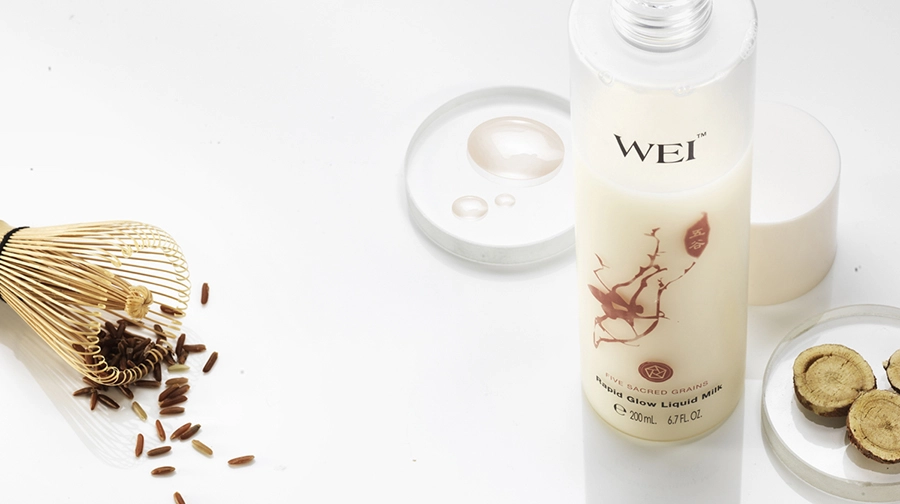
The rising popularity of beauty foods in China is driven by the increasing interest in health and wellness, especially during the pandemic. Chinese people are seeking out beauty foods that promote radiant skin and are rich in antioxidants, anti-aging properties, and hydration.
Traditional Chinese medicine ingredients are becoming popular again as people turn to homegrown wisdom for enhancing both inner and outer beauty.
For example, edible bird’s nest soup, once a luxury for elites, is gaining popularity across all economic classes due to its potential collagen-boosting effects on the skin.
Traditional Chinese Medicine And Ingredients
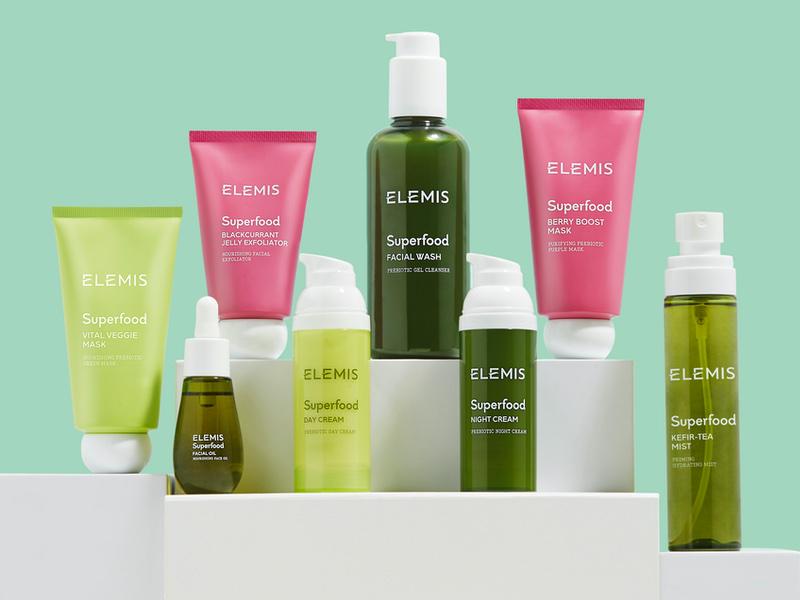
The use of traditional Chinese medicine and ingredients in beauty products is becoming popular in China, with local and international fashion brands showing interest.
For instance, goji berries are packed with antioxidants known for their anti-aging properties, while medicinal herbs like ginseng work wonders in revitalizing your complexion. Pears, meanwhile, have been found to improve skin elasticity due to their high water content.
Consumers are increasingly demanding natural wellness solutions that cater to both body and soul.
Benefits Of Beauty Foods For Skin And Health
Beauty foods are known to have several benefits for skin and health, including their antioxidant properties that help to fight free radicals and reduce signs of aging, as well as their ability to promote hydration and elasticity in the skin.
Antioxidants And Anti-aging Properties
Fashion brands can benefit from understanding the anti-aging properties of antioxidants in beauty foods. Antioxidants protect the skin from damage caused by free radicals, which can lead to premature aging.
For instance, nutrients like vitamins C and E found in superfoods can boost collagen production, promoting healthy aging and radiant skin when incorporated into a plant-based diet and regular skincare routine.
Hydration And Elasticity For Skin
Beauty foods that improve hydration and elasticity are essential for healthy skin. Chinese beauty foods contain natural ingredients like collagen and ceramide supplements that increase skin hydration and decrease water loss.
Nutrient-rich foods like avocados also boost collagen production, enhancing skin elasticity and firmness.
Future Of the Beauty Food Industry In China
The future looks promising for the beauty food industry in China, with significant market potential and opportunities for foreign brands, although there may be some challenges to overcome.
Market Potential And Opportunities For Foreign Brands
Fashion brands can explore the market potential and opportunities available for foreign brands in China’s beauty food industry. There is an increased interest in beauty foods due to the growing demand for skincare solutions amongst Gen-Z and male customers.
China is a significant player in the global consumption of mass beauty and personal care products, providing a lucrative opportunity for premium beauty brands.
However, there are challenges in navigating local regulations and customs. With careful planning and strategic partnerships, there is great potential for success.

Potential Challenges And Growth Prospects
As with any market, there are potential challenges and opportunities for growth in the beauty food industry in China.
One of the main challenges is regulatory compliance, as stricter regulations are being implemented on nutraceuticals and dietary supplements.
Another challenge is consumer behavior, as Chinese consumers have varying levels of familiarity with traditional Chinese medicine concepts and natural ingredients used in beauty foods.
However, the focus on health and wellness among Chinese consumers creates a growing demand for functional foods with anti-aging and skincare benefits.
We are Your Local Partner in China!
In conclusion, the beauty food industry in China is rapidly growing due to the increasing demand for holistic wellness and health consciousness. Both traditional Chinese medicine ingredients and Western superfoods are gaining popularity, which presents a great opportunity for foreign brands to enter the market.
Although there may be challenges such as language barriers and regulations, the potential for growth in this industry is promising. Incorporating “beauty foods” into their product offerings could be an effective strategy for fashion brands to engage with consumers in China and tap into this emerging market.

Over more than 10 years we worked with many different beauty companies on different marketing strategies. Our team of Chinese and foreign experts has the experience and know-how needed to succeed in the Chinese market. Now it’s time for you!