

I’ve been working in China’s beauty and luxury market for over 15 years. The one thing I always tell brands entering this space: China’s luxury market is unlike anything you’ve seen in Europe or the US. It mixes tradition and modernity in ways that catch Western brands off guard. The purchasing power of Chinese consumers has grown fast, and their tastes have evolved even faster.
In this article, I break down what actually drives the Chinese luxury market in 2026, what platforms matter, and what brands that work with us are doing to win.
Overview of China’s Luxury Market
The luxury market in Mainland China is built on prestige and reputation. Chinese consumers favor globally recognized brands with a strong heritage, a clear brand story, and products that signal status. Quality and craftsmanship matter, but so does visibility on Chinese platforms.
In 2022, Chinese luxury consumers spent $53.61 billion, claiming about 25% of the global luxury market. By 2025, China had climbed back to become the second largest luxury market globally after a brief post-pandemic dip. Personal luxury goods lead the category. Luxury skincare and beauty products have been gaining ground on watches and jewelry, driven by younger consumers who see premium beauty as part of their identity, not just an accessory.

Chinese consumers account for around 33% of total luxury expenditure worldwide. That number is not a forecast. It is the current reality. For any brand in luxury cosmetics marketing in China, this market is not optional anymore.
Chinese Consumers Buy Luxury Brands Online
The shift to online luxury shopping has accelerated sharply since 2023. Luxury buyers in China, especially those under 40, expect to discover, research, and purchase entirely within digital platforms. They don’t need to walk into a boutique. They trust their feed.
Many luxury brands initially resisted going digital in China. They worried about brand dilution, grey market exposure, and the complicated regulations around cross-border e-commerce. I’ve heard these concerns hundreds of times from European clients. But the brands that waited too long lost relevance fast. Digital marketing in China is the only real way to reach affluent consumers at scale.
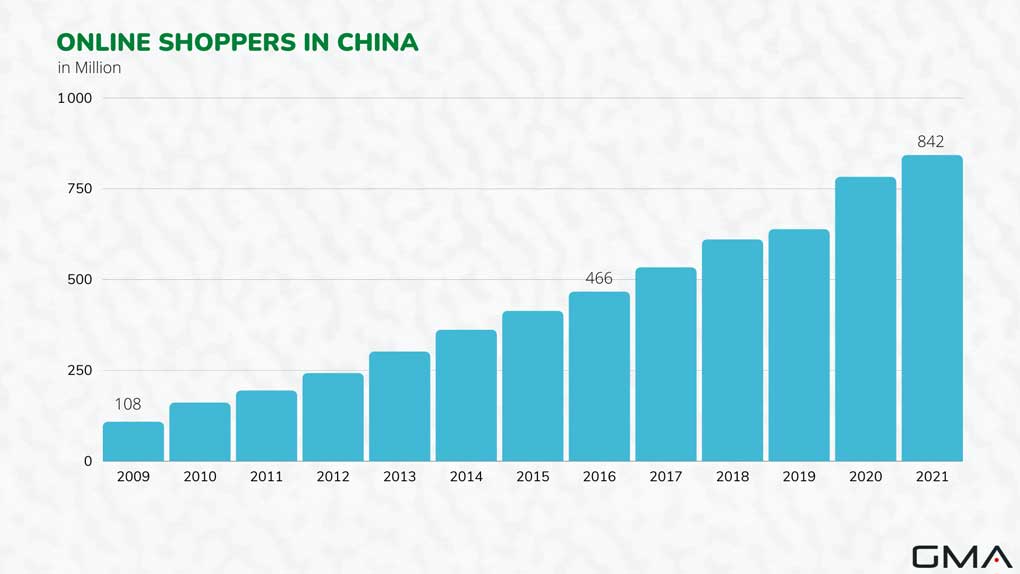
Online platforms in China break both geographic and demographic barriers. A luxury skincare brand can go from unknown to recognized in tier-2 and tier-3 cities within weeks, purely through the right platform strategy. Physical retail alone cannot do that. In 2026, China has over 900 million active online shoppers. For brands looking at how to sell cosmetics in China, this is the biggest opportunity and the biggest challenge at the same time: standing out in a very crowded digital space.
Xiaohongshu and Douyin: Where Luxury Is Discovered in 2026
Two platforms dominate luxury beauty discovery today: Xiaohongshu (XHS) and Douyin.
Xiaohongshu has become the reference platform for premium beauty content. It’s where Chinese women, especially those in the 25-40 age bracket, go to research before buying. I’ve seen brands get more qualified traffic from a single well-placed XHS post than from six months of search ads. The content on XHS is perceived as trustworthy and peer-reviewed. That credibility transfers directly to brands that invest in it.
What works on XHS for luxury cosmetics in 2026:
- Ingredient-led content from verified skincare experts
- Before and after skin results from real users
- Brand heritage storytelling, not product spec sheets
- Collaborations with skincare KOLs who specialize in texture and formulation
Douyin is a different animal. It’s faster, more commercial, and increasingly effective for converting awareness into purchase. Luxury brands that dismissed Douyin as too mass-market are rethinking that position. The platform now has a dedicated luxury content layer, and brands like Dior Beauty, La Mer, and Sulwhasoo have used it to drive serious revenue. The key is production quality. Douyin users on the luxury end of the market expect cinematic content, not reposted Instagram clips.
If you want results from Xiaohongshu marketing or Douyin advertising, these platforms require dedicated strategy, not repurposed Western content.
Tmall Luxury Pavilion: The Standard for Online Sales
When it comes to actually selling luxury cosmetics online in China, Tmall Luxury Pavilion remains the benchmark. It gives brands control over their presentation, protection against counterfeit listings, and access to Alibaba’s first-party consumer data.
In 2025 and 2026, Tmall doubled down on live commerce integration. Luxury brands now run their own branded live streams from within their Tmall stores, hosted by trained brand ambassadors rather than external KOLs. This keeps brand tone consistent and the experience premium. Sales during these branded live events have outperformed standard product listings by 3x to 5x for several beauty clients I work with.
Tmall also introduced enhanced AR try-on features in 2025. Chinese consumers can test lipstick shades, foundation tones, and skincare layering routines directly on their phone before purchasing. Conversion rates for brands using these tools are 20-30% higher than for those that don’t. Working with a Tmall partner agency for beauty brands is not optional if you want proper store setup, ongoing compliance, and optimized performance in this environment.
AI Discovery and the Rise of Ingredient Transparency
Two trends are reshaping how Chinese luxury beauty consumers make decisions in 2026: AI-driven product recommendations and ingredient transparency.
On platforms like XHS, Tmall, and WeChat, product recommendations now surface based on skin type, climate zone, and purchase history. Chinese consumers have adapted quickly. They trust these recommendations, especially when combined with peer reviews. For brands, this means your product data, ingredient lists, and clinical claims need to be structured correctly on every platform. Incomplete data gets deprioritized by the algorithm.
On ingredients, Chinese consumers are more educated than ever. The “成分党” (ingredient faction) movement, which started around 2019, has matured into mainstream behavior. Consumers in 2026 check ingredient lists before reading marketing copy. They know what retinol, niacinamide, ceramides, and bakuchiol do. They want clinical backing, not lifestyle promises.
What works for luxury brands right now:
- Transparent ingredient sourcing stories (French biotechnology, Swiss alpine herbs, Japanese fermentation)
- Published clinical study results in Chinese, not just English
- Dermatologist partnerships on XHS and Douyin
- Clean beauty positioning for younger buyers focused on safety certifications
Brands that ignore this lose to domestic competitors like Proya, Winona, and Florasis, which have invested heavily in ingredient communication. Foreign luxury brands have the heritage advantage. Use it.
Young Affluent Buyers Are Driving the Market
The luxury cosmetics buyer in China is getting younger. Gen Z consumers, those born between 1997 and 2010, now represent a significant share of luxury beauty purchases. They spend on skincare before they spend on clothing. They know global brands but also respect local ones.
What this generation wants from a luxury cosmetics brand:
- Clear brand identity and consistent visual language across platforms
- Authentic Chinese cultural references, not translated Western campaigns
- Speed: new products, limited editions, and collaborations launched quickly
- Community: spaces to discuss, compare, and share results
I’ve seen European skincare brands underestimate this consumer, assuming that a premium price point alone drives purchase intent. It doesn’t. Relevance drives purchase intent. In China, relevance is earned on platforms, through content, and through community.
What Brands That Work with Us Are Doing Right
Across our portfolio of luxury and premium cosmetics clients, the brands seeing the strongest performance in 2026 share a few common behaviors. They treat China as a standalone market, not an extension of their global strategy. They invest in local channels rather than grey market workarounds. They produce original Chinese content rather than translations. And they build platform partnerships rather than just buying ad space.
The China luxury beauty market rewards brands that commit. Half-measures do not work here.
Contact us for a free consultation on your China cosmetics strategy.


