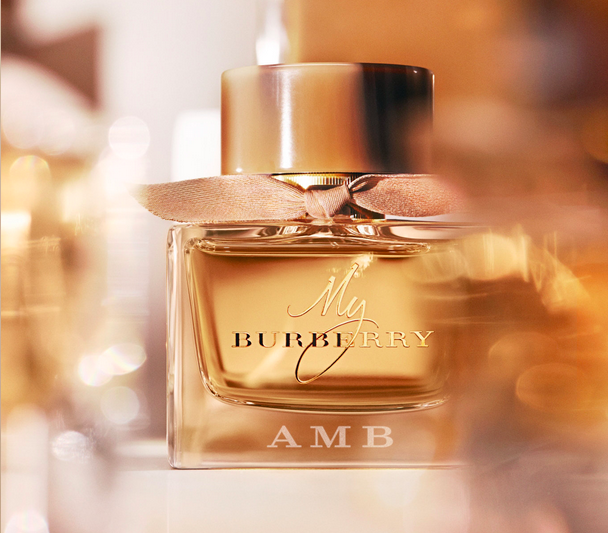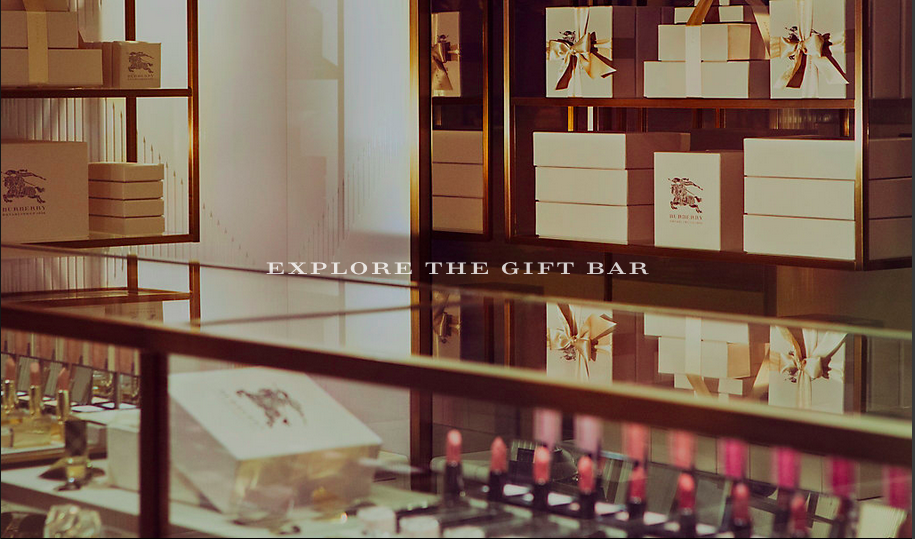
Burberry’s “beauty box” concept, launched in China in 2015, was ahead of its time. A standalone beauty retail space combining makeup, fragrance, and digital interaction — at a time when most luxury brands were still figuring out WeChat. In 2026, Burberry’s approach reads as a blueprint for what luxury beauty retail in China should look like: experiential, digital-native, and brand-immersive. The lessons apply to any premium cosmetics brand thinking about physical or phygital retail in China.
Burberry Beauty is now a standalone brand under Coty (which acquired the Burberry beauty license in 2017). In China, Burberry Beauty operates through Tmall, Sephora, and select department store counters. The “beauty box” pop-up concept lives on in the form of high-concept brand activations — a format that Chinese luxury consumers expect from any serious prestige brand.
What Luxury Beauty Retail in China Looks Like in 2026
China’s luxury beauty retail has moved beyond the department store counter. The leading formats in 2026: flagship brand stores in tier-1 city malls (Shanghai IFC, Beijing SKP), pop-up brand experiences tied to product launches, in-store digital installations with AR try-on and skin analysis, and Tmall Luxury Pavilion as the primary online luxury channel. Consumers move fluidly between online and offline — they discover on XHS, try in-store, and purchase on Tmall or via WeChat.
2026 Trends: Luxury Beauty Retail in China
- Phygital is standard: Every luxury beauty counter in China now integrates digital — AR try-on, QR codes linking to XHS content, WeChat CRM sign-up in-store. Brands without a digital in-store experience lose to competitors who have it.
- Pop-up activations drive XHS content: Limited-time brand experiences in Shanghai and Beijing generate enormous XHS UGC — consumers post photos and videos, creating organic brand content that reaches millions.
- Tmall Luxury Pavilion is the online luxury standard: Brands on TLP get access to Alibaba’s luxury-verified consumer data and premium placement. Entry requires brand qualification and a minimum annual GMV commitment.
- Men’s luxury grooming is a new frontier: Chinese male consumers in tier-1 cities are increasingly buying premium skincare and fragrance. Brands with strong male grooming lines have a clear white space in the luxury segment.
- Personalization and gifting drive AOV: Chinese luxury beauty consumers spend significantly more on gifting occasions (Chinese New Year, Valentine’s Day, 520). Brands with customization and gifting programs see 2-3x higher AOV during these periods.
Questions Marketers Ask About Luxury Beauty in China
Do I need physical retail to sell luxury cosmetics in China?
Not immediately. Tmall Luxury Pavilion and WeChat boutique can generate significant revenue before any physical presence. Physical retail becomes important at scale (annual China revenue above $5M) — it signals commitment to the market and provides an experiential touchpoint that online cannot replicate. Start online, prove the market, open a flagship when revenue justifies it.
How do I create XHS-worthy brand experiences?
Design for the phone, not the room. Every element of a Chinese brand activation should be photogenic and shareable on XHS: a branded photo wall, a product display with perfect lighting, a limited-edition packaging detail that feels exclusive. Invite XHS KOLs to the activation before public opening — let them post first, creating FOMO that drives footfall.
How important is fragrance as a category in China?
Fragrance is the fastest-growing luxury beauty category in China, growing 25%+ annually. Chinese consumers are developing sophisticated fragrance preferences — moving from single floral notes to complex, niche fragrances. European niche fragrance houses (Diptyque, Maison Margiela, Byredo) have seen exceptional growth. If your brand includes fragrance, China is a priority market right now.
Xiaohongshu and UGC for Luxury Beauty Brands
Luxury beauty brands face a specific XHS challenge: maintaining brand equity while enabling authentic UGC. The solution is curated seeding — working with KOLs who already have a luxury lifestyle aesthetic and giving them creative freedom within brand guidelines. Burberry Beauty’s fragrance campaigns on XHS use this model: KOLs integrate the product into aspirational lifestyle content, not sponsored posts. The brand shows up in the context it wants to occupy — luxury, travel, refined aesthetics. I apply this approach with premium European brands I work with, including Sisley and Clarins, where brand image protection is as important as reach.
Read also: Estée Lauder’s China Digital Strategy | The 5 Topics That Truly Matter to Chinese Beauty Consumers | China’s Medical-Grade Skincare Revolution (2026)
Free Social Media Audit for Your Luxury Beauty Brand
Is your luxury cosmetics brand positioned for China in 2026? We offer a free social media audit — we analyze your brand’s luxury positioning, identify the right channels, and give you a clear action plan. Book your free audit here.