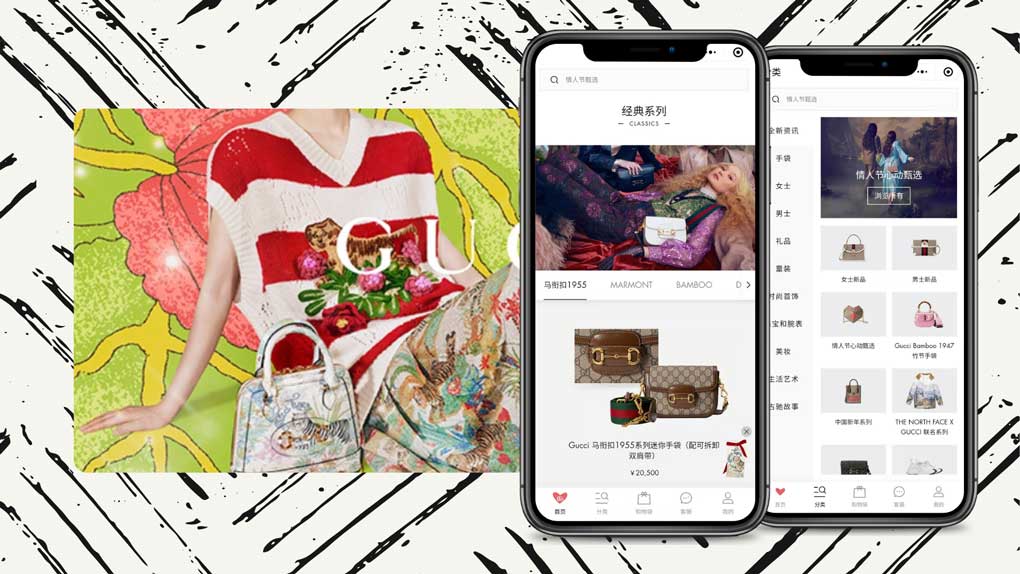
Social media is linked to the e-commerce industry, giving more credibility to business promotion online. Since 2014, WeChat and JD.com have maintained a collaborative partnership that reshaped how Chinese consumers shop for cosmetics. WeChat subscribers can shop on JD.com directly without downloading a third-party toolkit, an integration that now reaches over 1.3 billion WeChat monthly active users as of 2026. For beauty brands entering China, understanding this ecosystem is a priority. Our Social Media Agency in China works with brands daily on exactly this.
WeChat Mini Programs: Buy Cosmetics with Discounts

WeChat Mini Programs are central to how millions of Chinese consumers browse and purchase cosmetics on JD.com. The appeal is simple: discount vouchers, cashback offers, and exclusive brand promotions, all accessible inside WeChat without switching apps. In 2026, Mini Programs generate over 1.6 trillion RMB in annual transaction volume across all categories. Beauty and skincare remain among the top three categories by sales. Brands like Clarins and L’Oréal have used this channel to reach consumers directly during major campaigns such as 618 and Double 11.
Read as well: WeChat Guide for Foreign (Cosmetics) Companies in China
Tencent and JD.com: A Strategic Investment That Grew
Tencent’s original $215 million investment in JD.com for a 15% stake was just the beginning. The partnership has deepened over the years, with Tencent continuing to hold a major stake while integrating WeChat traffic directly into JD’s product pages. This cross-platform traffic model means that a cosmetics brand listed on JD.com can be discovered and purchased inside WeChat without the consumer ever leaving the app. For beauty brands, this reduces friction at the purchase step, one of the biggest challenges in converting social interest into actual sales. See how Marketing Services for Beauty Brands in China can support your JD and WeChat strategy.
WeChat and JD.com: Mobile Product Buying for Beauty Brands

WeChat remains one of China’s most powerful social commerce platforms. Constant chatting, content sharing, and group buying have made it a daily habit for hundreds of millions of users. The integration with JD.com allows cosmetics shoppers to register, browse the JD catalog, and complete purchases directly from the Discovery tab inside WeChat. On that tab, users track product searches, compare brands, and add items to cart, all without friction.

Search for a product by keyword and your dashboard shows matching results instantly. Cosmetics brands like Clarins and Novexpert have their product pages indexed on JD.com, meaning a consumer searching inside WeChat can land on their store in seconds. From skincare serums to premium suncare lines, consumers browse and buy across all price points. JD.com’s reputation for authentic products also matters: Chinese shoppers are increasingly skeptical of counterfeits, so listing on JD signals quality. Brands looking to combine this channel with their broader e-commerce presence should review our Tmall Partner Agency for Beauty Brands page.
China has the world’s second-largest economy and the largest beauty market in Asia. In 2026, the Chinese cosmetics market exceeds $80 billion USD, with online channels representing over 55% of total sales. JD.com holds roughly 20% of China’s overall B2C e-commerce market and continues to grow its beauty and personal care category. For more context on where the market is heading, see our article on th