

Ah … The beauty in China, do not think: “little women with little red cheeks traced by the cold and a small mouth” … No no Chinese women have for a long time smart and concerned about their appearance, whether it was dedicated to themselves or their husbands and society.
Chinese beauty
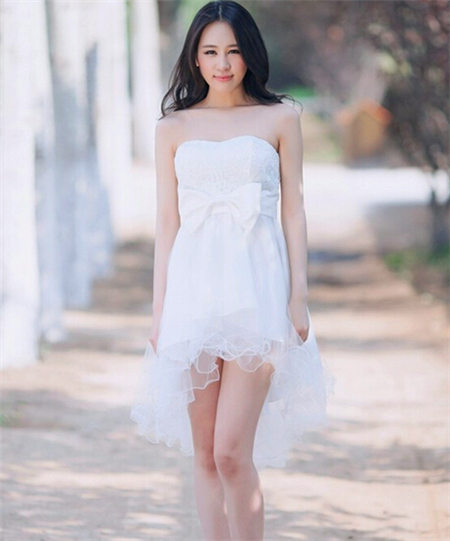
After the Chinese cultural revolution the criteria of beauty have changed, we used to see a Chinese woman who bandaged her feet nights and days so that they do not exceed 15cm … (ouh hurts!) It was therefore the criteria of beauty in force at that time, then the woman who did not want to appear virile, because at that time it was believed that the virile woman is a bad sexual campaign, in general it was felt that a Chinese woman is beautiful if she is strong with wide hips and beautiful round cheeks …
Around the year 1000, the woman was put forward. She had, however, few hips and little chest. With the Ming and Qing, the woman had to be skinny with very white skin!
A trend that has not left the minds of Chinese women today: the obsession to have a very clear complexion!
Thanks to feminist movements and the development of women in China, we are witnessing a new perception of beauty, that is to say that modern women are now dressed in the West and wear makeup in the same way that do an European woman for example …
The complexion
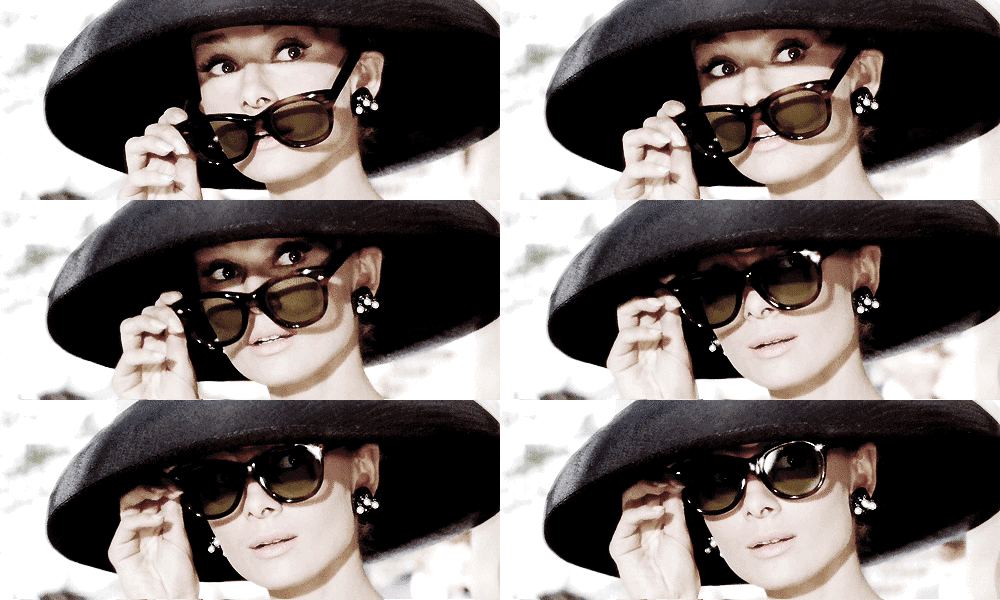
The Asian skin is in most cases mixed, to succeed the complexion you will need a creamy foundation that will hide all the imperfections and redness, then a powder not to keep this brilliant effect of the foundation and at the same time absorb fat due to accumulated sebum during the day. Finally … a beautiful makeup not too pigmented to keep the natural effect.
The eyeliner
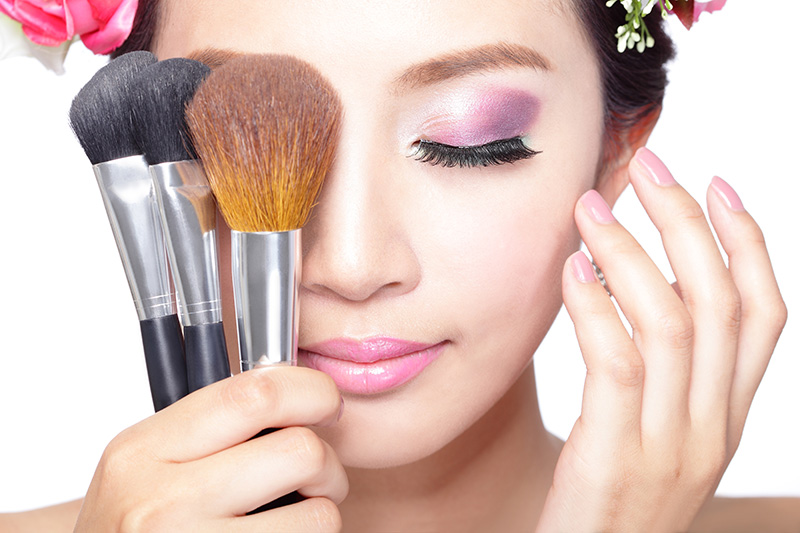
As a rule an Asian eye should not wear eyeliner!
Neither eyeshadow in the form of banana on the eyelid, because the Asian woman does not have just double eyelid, so you have to pigment the eyelid by stamping without stopping until you have a color well distributed on the surface.
Mascara
The Asian woman has lashes more or less stiff, difficult to bend, it is possible to use an eyelash curler but beware, with high use you risk damaging the eyelash and weaken, so a good layer of mascara is enough!
The lipstick
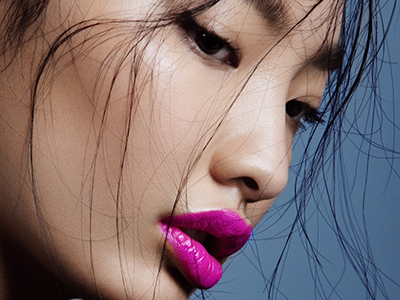
The Asian mouth is known to be small, nothing beats a beautiful red lipstick that will bring out the clear complexion of the Chinese woman!
The cosmetic sector is more and more developed, knowing that it is the largest market after the United States, this market should reach about 51 billion euros by 2050.
The Chinese woman now wants to make up as a Western woman, have a clear complexion like milk, long eyelashes and a pulpy mouth Kardashian.
Investing in this market is a very good idea except that you will need the advice of a marketing professional who will guide you to the right path and provide you with the strategies necessary to market your beauty product, so as not to misstep!
Go straight to the point: here are the growth markets in cosmetics!
Skin care products
Who does not dream of a baby’s skin ?! Everyone yes! This is the most developed market segment with an annual growth rate of 8%, it is estimated that this category should reach 50.8% of sales in 2050.
Champoo and hair products
This segment of the market represents only 15%, and we can say that it is fully saturated and progressing slowly, few of these products experiencing a slight growth.
Makeup products (color cosmetics)
This market segment has not yet reached saturation and we are ambitious when growth potential, eye makeup and strong growth as well as makeup accessories, this segment remains quite promising in the next three years.
Care for children and babies
This market is growing rapidly, cosmetics for babies and children are selling as fast as children are born in China!
Cosmetics for men 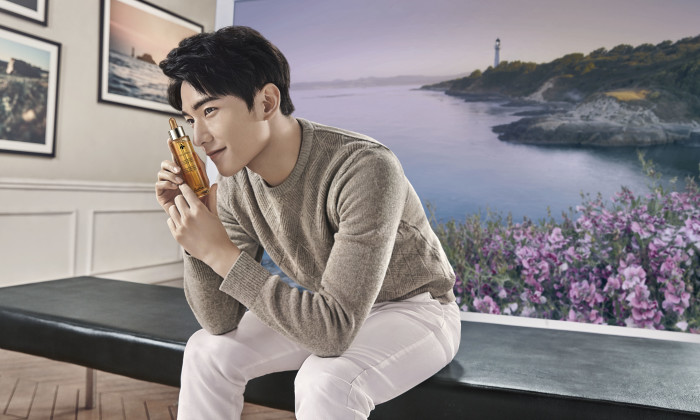
Men start taking care of themselves to please women. But this segment of the market has continued to grow since 2016, with skin care products with (73%) and make-up for men with (17.5%), but especially facial cleansers that occupy a large place, Chinese men are very concerned about the state of their skin, namely control of sebum production and facial cleansing.
But also face care products such as masks, lotions, creams, BB creams, tonics, sun products, eye creams. It is true that the market share of men’s cosmetics is on the whole weak (3.5%), this segment is very dynamic and progresses very quickly.
Cosmetics “antipollution”
China is one of the most polluted countries in the world, yes it is known, but who could have imagined that it could be a boon to the cosmetics sector ?!
The importance of this scourge in Asia is pushing cosmetics brands to put on sale new products that fight against the effects of pollution on the skin.
The share of cosmetics “antipollution” was 38% in 2016 on the Asian continent against 28% in 2015.
When social networks influence the purchase decision …
The target population in this sector is generally between 20 and 40 years old, mainly young it is an independent population who cares about its appearance and image, unlike their parents who were more financially dependent and therefore limited in terms of purchases of beauty products in particular.
People from this age group are increasingly connected and therefore more influenced by KOL’s (Key Opinion Leader) who inspire them and push them to buy more products, provide them with a well-filled address book cosmetics thus allowing a sometimes free promotion for the brand, I say “sometimes” because there are indeed brands that pay KOL’s to represent the brand, (Brand Advocate) in English.
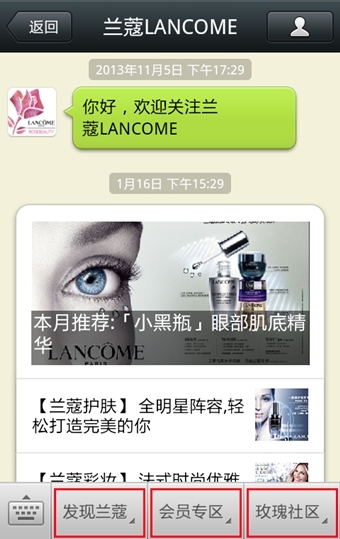
As I said these young people are more connected and have unlimited access to social networks namely (Weibo, WeChat …) their news feeds are full of brands of all kinds, they can not help but click on the banners that them spamment all day long!
But the Chinese are not so easy to convince … they consider several factors before opting for one product or another.

Online, cosmetics are the most popular products in front of bags, shoes and clothes, e-commerce sites share this cake: JD.com, Taobao, Alibaba, all are very well known platforms in China thanks to the reputation they have with Chinese consumers.
We are a specialist Lead Generation & Marketing Team with a wealth of experience in the cosmetic sector. Please contact us for further info & to discuss your project, we can certainly advise with our 8 years of experience.
Read also:
- What to Consider Before Doing Business in China?
- How to launch your fragrance brand in China ?
- The skin care market in China