
In the world of cosmetics, aligning with a Chinese distributor is no small feat. It requires substantial upfront costs, navigating international regulations and complexities, and the assessment of unique cultural nuances. As daunting as that may sound, it’s undoubtedly worth it – if done right.
A relationship with well-connected and knowledgeable local distributors opens up an entirely new market for cosmetics brands – one that shows no signs of slowing down anytime soon. With such potential returns on investment available in the Chinese market, let’s discuss why having effective Chinese distributors connection can help your brand succeed in China.
How critical is a beauty brand’s distribution strategy in China?
You first need to understand the specifics of consumption habits regarding cosmetics in China.
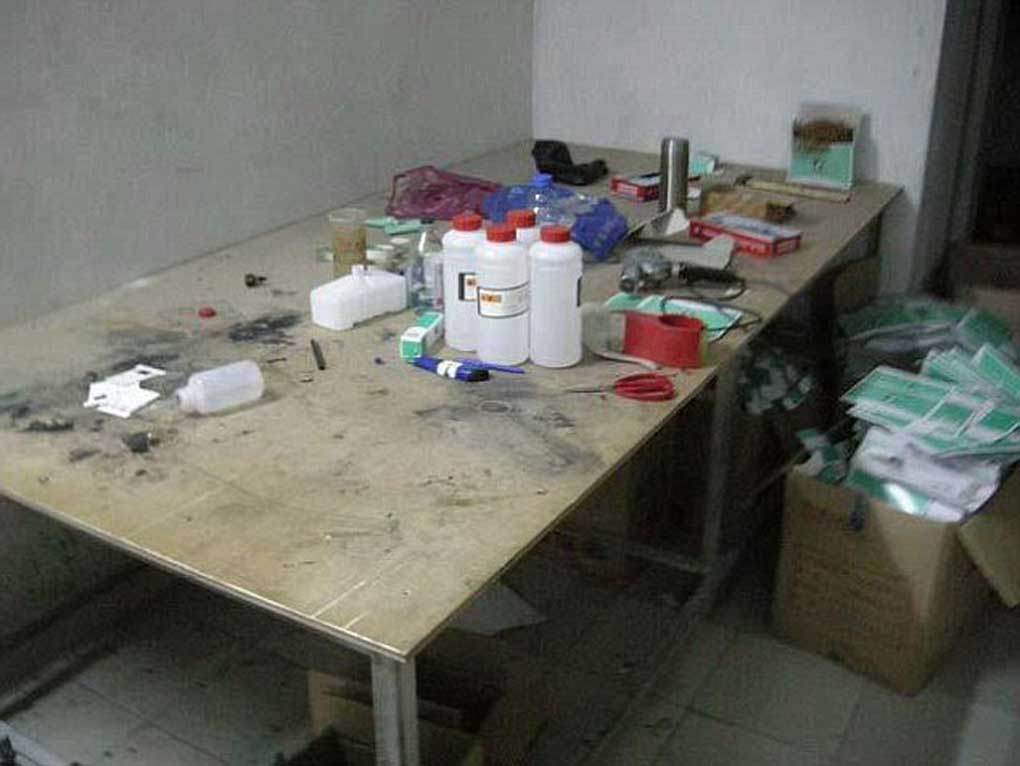
Keep in mind that there are many counterfeit products on the Chinese market and that the beauty sector is not an exception. Therefore Chinese consumers do not trust brands and products anymore unless they can make sure they are authentic.
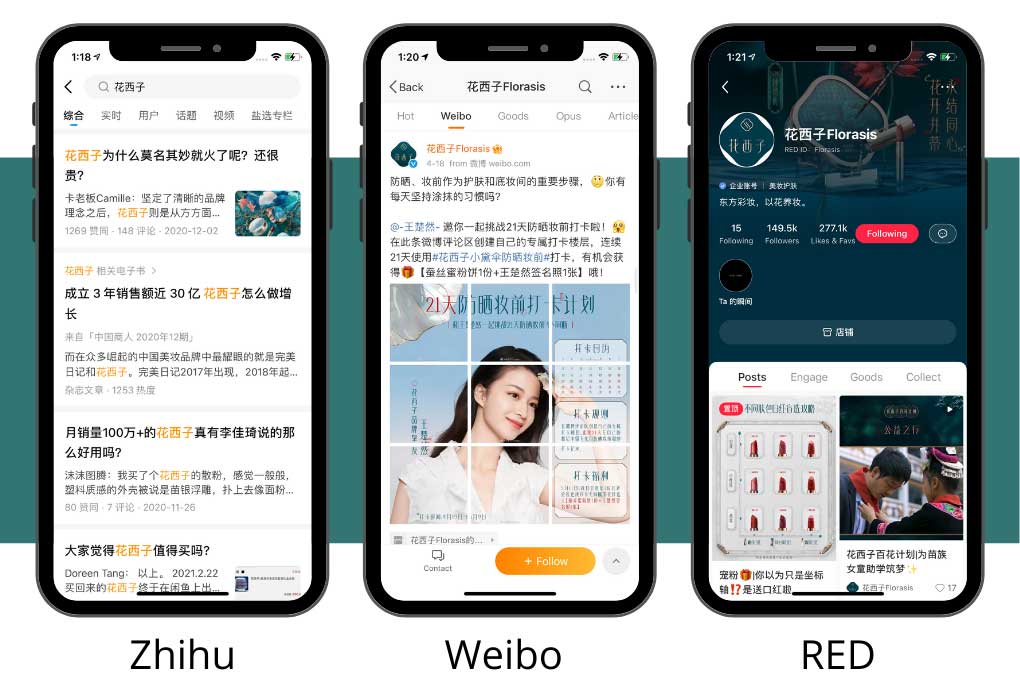
When buying cosmetics products, Chinese customers like being able to try them in shops or at department store counters, especially if they are from foreign companies. However, even if they can try them in a shop and get advice from a salesperson, Chinese consumers will look for information about the product online prior to making a purchase.
And this is even more true when they are about to shop on Chinese e-commerce platforms: getting informed is an important step in their buying habit and the information they will find will determine whether or not they choose to buy. They will mainly look for information on the Internet: search on Baidu forums, check the Chinese website, or look for brand reviews on social media platforms.
What you should remember here is that:
- Chinese consumers like the whole shopping experience when buying cosmetics, and advertising is really effective
- They are wary of new brands and will be very cautious when buying online
- Their buying decision process relies heavily on what is said about the brand or product, among their friends or online.
A beauty brand, therefore, needs to be present both online and offline, in places regarded as trustworthy ones by Chinese consumers. The brand’s marketing strategy should be well-thought since consumers will not buy a new product unless they are convinced it is good. Finally, the digital marketing part is essential too. Making your products available in shops is not enough.
Advantages of China distribution for foreign companies
Leveraging the services of China distributors to enter and effectively capitalize on Chinese markets is becoming increasingly popular for foreign businesses. Chinese wholesalers and distribution companies can provide comprehensive support ranging from importation, product specifications, payment, and shipping terms, storage, and sales transportation to even marketing assistance on trade shows – all ensuring that you get maximum returns out of your venture. Working with them offers numerous benefits such as cost-effectiveness and access to localized expertise.
On top of that, Chinese distributors have a huge network of partners among foreigners and Chinese people, ranging from overseas customers to local retail stores, luxury shops, trade shows, and more. They can help with fast deliveries and all things related to importing products.
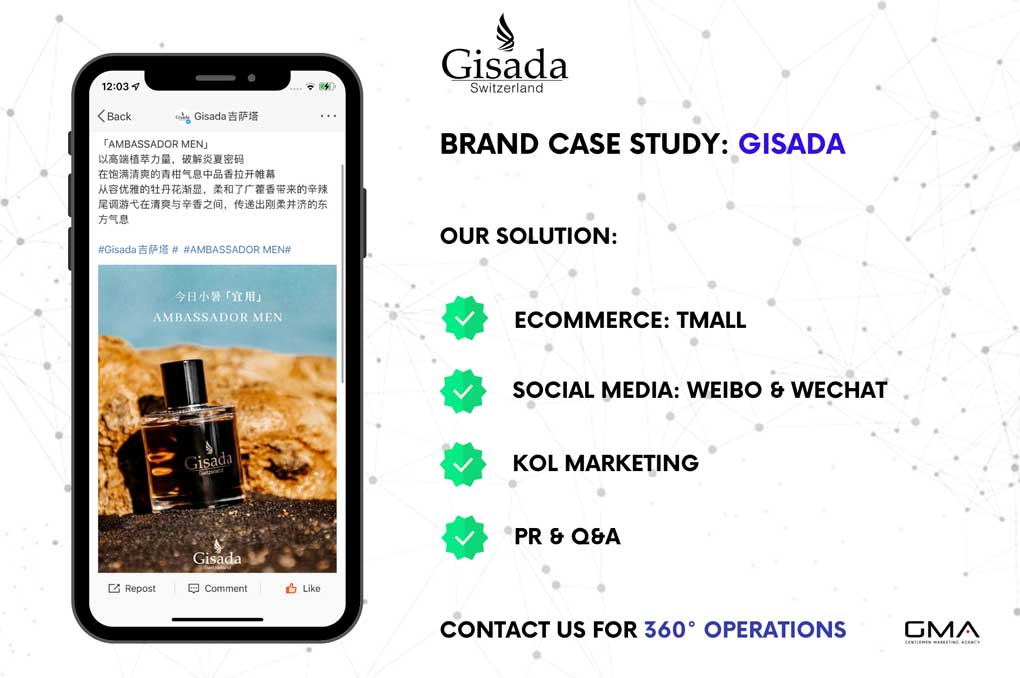
They also have sufficient knowledge of the market and its needs. Additionally, having a China distributor means you won’t need to register your company in Mainland China which can be a challenging and lengthy process that is best avoided.
As they work on commission from your sales, they are trying to do the biggest amount of sales possible, which also works to your benefit.
Disadvantages of China distribution
Of course, working with distributors in China also has its downsides. One of the biggest ones is the fact that they work on commission, so the prices of your products won’t be as competitive as the local ones. China distributors are also very picky when choosing products to distribute and often have many different brands, sometimes offering the same categories of products, so their focus is not entirely on your brand.
When entering the Chinese market, it’s inherent to practice caution with respect to granting exclusive rights – as your distributors may be dealing with competing brands. In such cases where a minimum sales quota cannot be avoided, ensure that risks of reduced revenue are minimized by establishing one within your agreement.
It can be difficult to gain a full understanding of the distribution process behind your organization, as everything is conducted in the Chinese language and connected with an intricate network. But this problem is easy to eliminate, by finding a local marketing agency that will keep an eye on all the operations in the Chinese market.
How do cosmetics distributors work?
Now that you know what is important to Chinese consumers, we can move on to what is important to distributors.
They pick the products they want to sell
Since there are so many cosmetics companies trying to make it in the Chinese market, China distributors can choose to sell products they want, from a long list of famous brands. Just like buyers, they will ask for trustworthy products: they expect quality products with nice packaging, precise positioning, and a good reputation among users. This reputation element is crucial: they know that if one product is not recognized by consumers, sales won’t take off.
They are business and short-term-oriented
Chinese distributors are business and short-term-oriented: they want to make a profit, and they want it to happen quickly. However, even if they are interested in successful brands and products, they will not take part in the operations and will only focus on their part of the business: distribution.
This means, that brands need to take care of their branding and reputation before finding China distributors, even if they are only interested in online sales.
What should a beauty brand expect from its distributor?
Seeing that so many beauty brands are eager to enter the Chinese market, China distributors will choose whichever product they like. They are not going to take any risk and will select the products which look the most promising and the most reactive brands marketing-wise.
Since they want quick results, their modus operandi is the following: if it does not work, they will move on to something else. It means that if your products do not perform well or the product quality doesn’t satisfy Chinese consumers, your distributor will not hesitate to abandon them and choose more encouraging ones, even if you have been working together for years. What matters is short-term profit, loyalty is not really a thing.
Another thing to consider is that the cosmetics market follows trends, meaning that beauty products’ popularity can sometimes be unstable, therefore you cannot always be sure that a product will last in the long run. Because of this, Chinese distributors will refuse to get involved: if sales drop one day, their efforts would have been pointless.
Who should care about your branding in China?
A beauty brand should therefore not rely on its Chinese distributor/resellers for any marketing action in China: they will only focus on distribution. A cosmetics brand needs to ensure that all aspects of its marketing strategy are covered in-house or by an agency. If by any chance, a distributor accepts this part of the job, you should not expect a lot of involvement from him or very well-thought marketing actions.
How to attract Chinese distributors?
Before even trying to find distributors that could introduce your products to many different points of sales, you should ensure your online reputation is good: brand and products should appear on Baidu search engine results, it should be talked about in forums or blogs and you should be able to find active official accounts on social media.
If a distributor cannot find information about your products online, it means that consumers won’t be able to either: if they do not know a brand, they will not trust it and definitely not buy it. For a distributor, that is a big risk and he will not accept your products in the first place.
Need help with finding China distributors?
As you can see, finding China distributors is important, but finding a good and trustworthy partner is not easy and requires a lot of knowledge of the market. Therefore, it’s better to work with a trusted local marketing agency, that will connect you to one of the trusted distributors and keep an eye on the whole operation.

We are a China marketing agency with more than 10 years of experience in the market. Over 10 years we worked with more than 600 brands, and many of them also asked us to find them a reliable distributor, that will sell their products on Chinese e-commerce platforms and offline stores.
Apart from finding distributors, we also offer other services, such as:
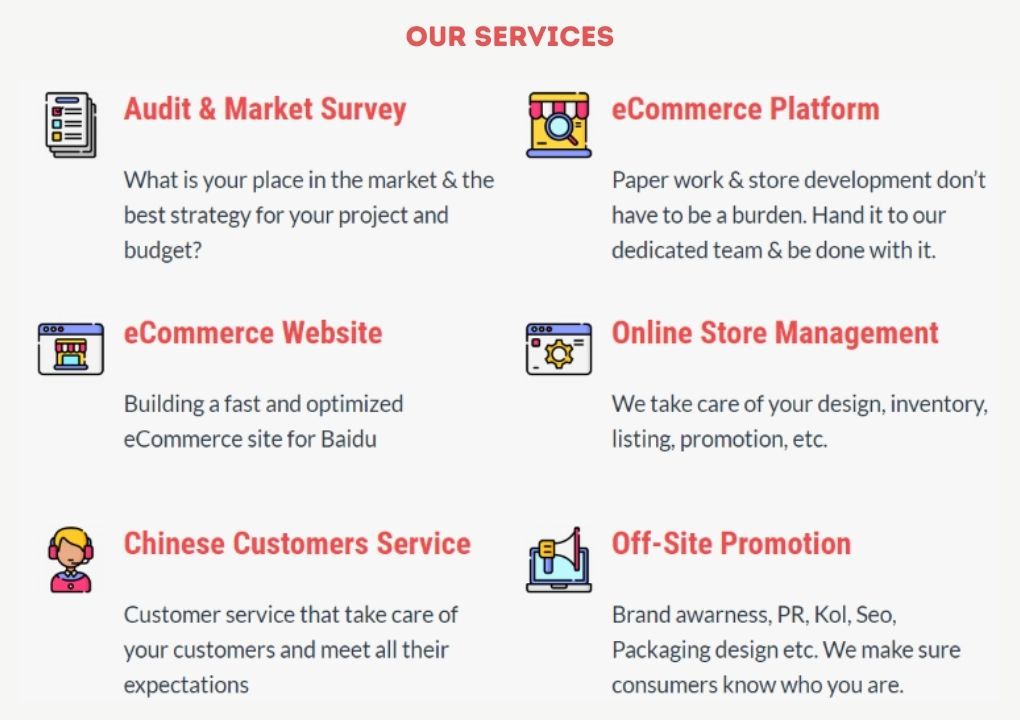
You can contact us if you need guidance regarding your strategy in China for cosmetics products. We offer a free consultation with one of our experts, that will advise you on the best practices for your brand in the Chinese market.
4 comments
Jenny
Very good article, What are the Proya the leading Cosmetics Brand in China, and want to find more Western Brand to resell , can you give me your contact and We will contact you back.
Nicolas
It is a wonderfull article. Actually it is true most beauty brands are facing problems with their Chinese distributor… it is cultural.
Anna
So true. Very Good article.
I have so much trouble with my Chinese distrobutor, we have choosen this bullshit company and we are blocked for 4years.
Terrible mistake