

China has become one of the largest cosmetics markets in the world. By 2013, the sales of cosmetics totaled US$32.3 billion. The total value of cosmetics online was USD1.35 billion in April 2014.
Foreign e-commerce platforms are gaining popularity among Chinese cosmetic consumers.
Cross border e-commerce, also known in China as “hai tao” is rapidly growing in the Asian giant as consumers are more willing to purchase products that are not available or are very expensive in their own country.
Over the last years, the popularity of e-commerce among Chinese consumers has dramatically increased due to different reasons. The main reasons are the convenience and the vast number of products that e-commerce sites offered to consumers.
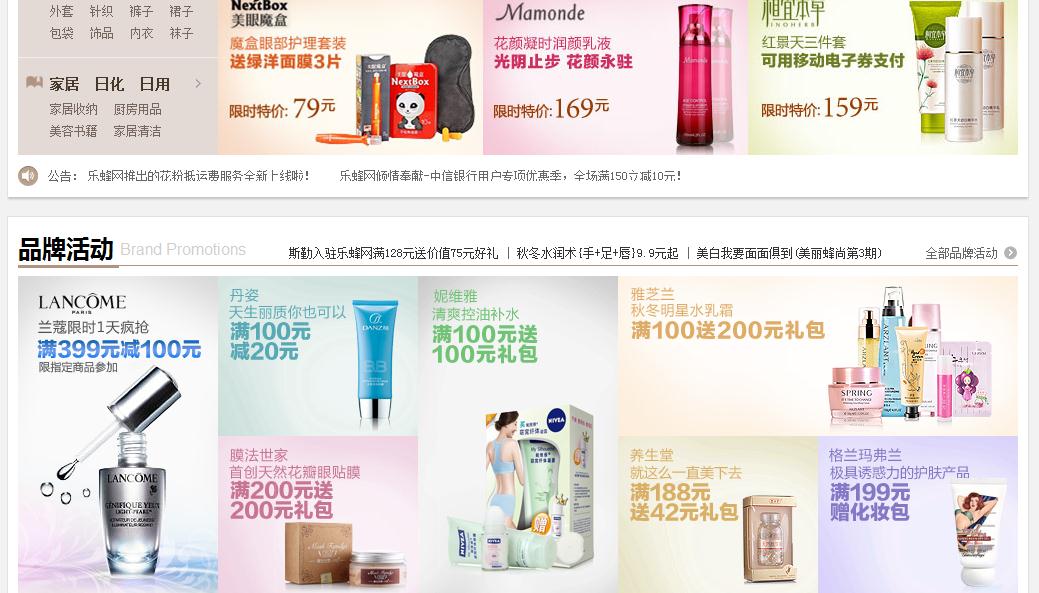
Another reason why Chinese consumers are purchasing cosmetics on cross border platforms is the proliferation of fake products in the Chinese market. Most of consumers trust much more in the authenticity of cosmetics which are sold via overseas e-commerce sites than in Chinese platforms.
Through e-commerce platforms, consumers can buy without get out of their house and they have also access to foreign products that are not sold on brick and mortar stores in China.
Read: Introduction to China’s Most Popular Cross-Border Ecommerce Platforms
Now, Chinese online shoppers have the opportunity to buy products via cross-border e-commerce platforms.
Since the creation of the Free Trade Zone, many foreign e-commerce sites have expanded their business to China in order to take advantage of the e-commerce boom in China and the desire of Chinese consumers to purchase western goods.

In 2013, around 18 million Chinese buyers spent 216 billion Yuan in cross border e-commerce platforms. It is expected that by 2018, the number of shoppers will increase up to 35.6 million with a spending up to 1 trillion Yuan, as reported by a market research of Nielsen.
Mainly, Chinese online shoppers buy the most products from e-commerce sites based in the United States followed by Hong Kong, Malaysia, Netherlands, South Korea, Denmark, Japan, Taiwan, UK and Sweden.
Related to cross border e-commerce platforms, young and well-educated consumers are the biggest online spenders in China. These shoppers prefer foreign e-commerce sites due to the product quality and authenticity.
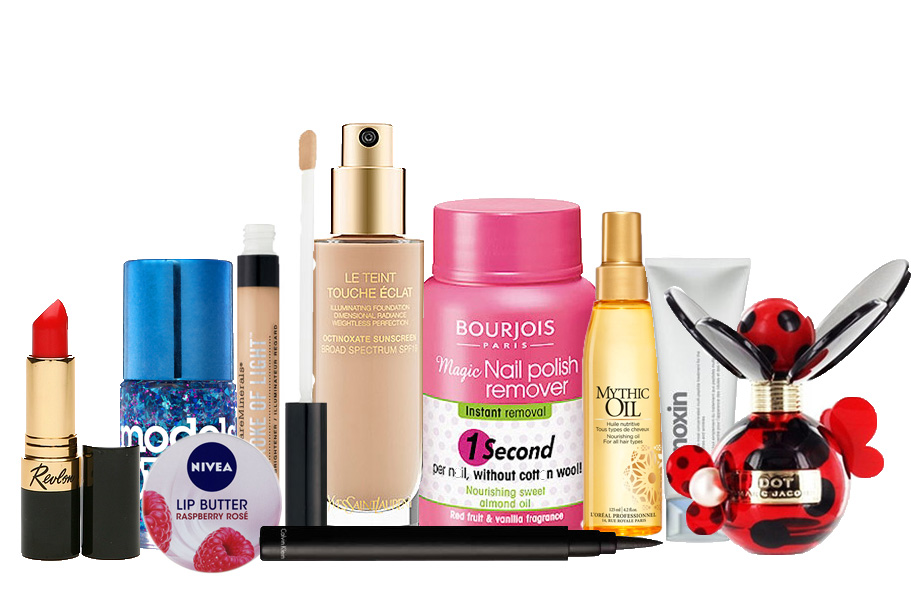
Skin care products, color cosmetics and perfume are some of the most popular categories which are bought from overseas platforms.
Shanghai, Hangzhou, Ningbo, Zhengzhou, Guangzhou and Chongqing are the six cities in China which work as import e-commerce pilot zones where foreign products can be stored in warehouses before customs clearance.
Where Chinese online shoppers can buy foreign cosmetics?
There are many “ hai tao” platforms in China, but Amazon, Sasa and Tmall international are probably the most popular cross border e-commerce sites among Chinese cosmetic consumers.
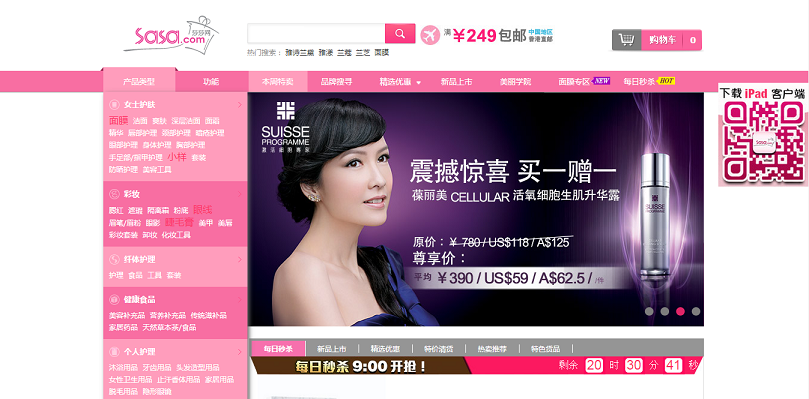
Thanks to these websites and the obsession of Chinese population with beauty, cosmetics sales in China are rapidly growing.
Nonetheless, these websites have to promote themselves in China in order to attract a major number of consumers. It is essential have visibility on Chinese search engines such as Baidu but is also very important be located on the first pages of the search engines.
In addition, in order to gain the confidence of Chinese shoppers, cross border e-commerce sites have to integrate Chinese online system payments.
Do you want to sell your cosmetics in China? Don’t hesitate to contact us, we are your Digital Marketing Agency in China.
7 comments
Montesquieu
“These websites have to promote themselves in China in order to attract a major number of consumers. It is essential to have visibility on Chinese search engines such as Baidu” YES! Should we also rank on Google and is it not worthing it??
website
Hello, this weekend is nice designed for me,
because this time i am reading this great educational piece of writing here at my house.
Elton
Fantastic stuff, I redesigned my website and then the serps had a major drop
You are now part of my reading bookmarks, keep up the good posts!
visit homepage
Hey there, You’ve done a great job. I will definitely digg it and
personally recommend to my friends. I’m sure they will be benefited from this web site.
Gentlemen
Hi,
Thanks for your comment.
Have a great day!