
Did you ever feel lazy to wash your hair on a day when they are really greasy? Of course, you did! And we’re not going to judge you, everyone did! Though in the West we are lucky to get dry shampoo, the Chinese cannot say that.
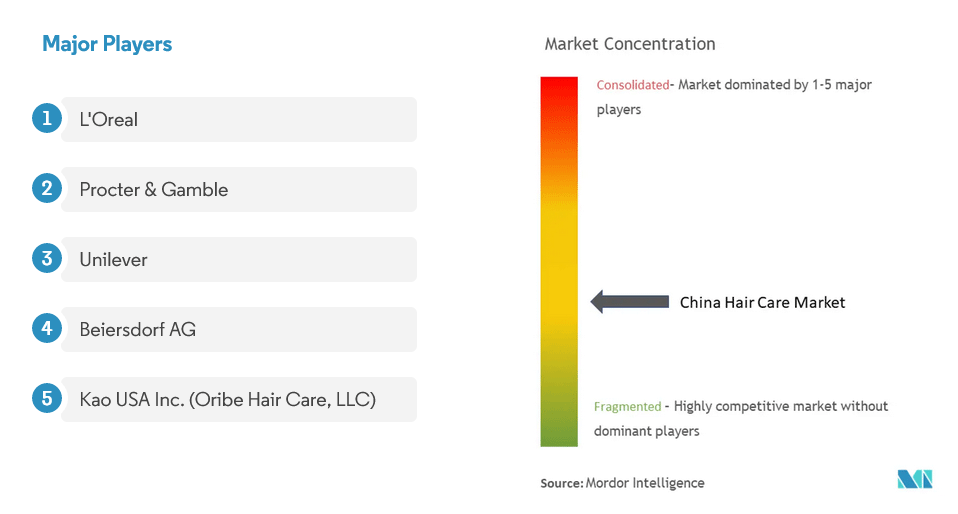
Although the global dry shampoo market is growing, China is still behind. So in this blog post, we will guide you on how you can promote your dry shampoo products in this growing segment of the haircare market in China.
What You Should Know About the Dry Shampoo Market in China?
The global dry shampoo market is on the rise. Especially thanks to the middle class, who are getting more and more interested in hair care.
Dry shampoo is the ideal product for people living the fast way of life in a big city, the ones that don’t have time to wash their hair in the morning before a meeting and wish to protect their hair from dust and pollution. But also for people living in developing countries, for those in rural areas that do not have access to running water frequently.
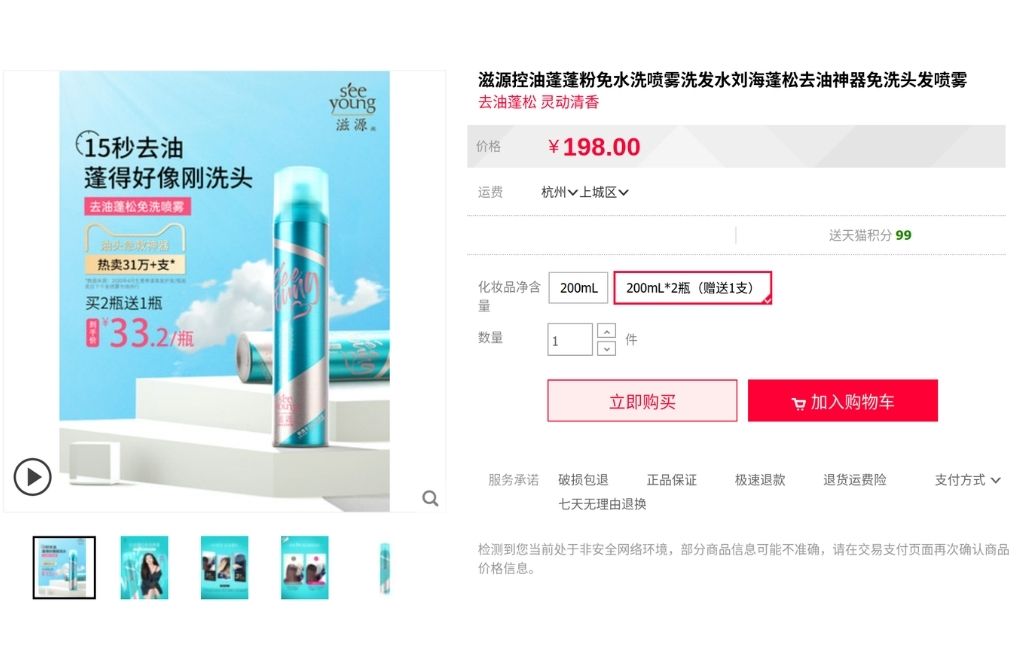
However, this product can barely be found in Asian shops’ rays! Especially in China, this product is almost impossible to find. There are some products on e-commerce websites like Taobao, but the choice remains limited.
With its big megacities, a population that is very concerned about their appearance, and its remote provinces with farmers who want to save water, China is the perfect market for this product!
Potential Consumer Segments: A Glimpse Into Who’s Ready for the Dry Shampoo Revolution
Young Professionals and Urban Dwellers
The bustling streets of Beijing, Shanghai, and Guangzhou are filled with young go-getters, always on the move. These spirited professionals, balancing their work and social lives, often find themselves strapped for time. For them, every minute counts.
Dry shampoo can be their savior on those mornings when a full hair wash just isn’t on the cards. Moreover, the urban lifestyle, with its share of pollution, demands hair solutions that are quick yet effective. For these city-slickers, dry shampoo isn’t just a product; it’s a lifestyle essential.
Fitness Enthusiasts
Gyms, yoga studios, and fitness centers are mushrooming across Chinese cities. The health wave has taken over, and with it comes the sweaty aftermath of a good workout. Fitness aficionados, post their intense sessions, seek quick refreshment, especially for their hair, making dry shampoo the perfect gym bag companion. With a quick spray and brush, they’re ready to transition from workout mode to the rest of their day, feeling fresh and looking fabulous.
Travelers and Backpackers
Wanderlusters, while hopping from one marvel to another, often don’t have the luxury of a full-fledged hair wash. Here’s where dry shampoo comes to their rescue, ensuring they look Insta-ready at every moment. For those capturing memories on the go, this product is not just toiletry; it’s a travel essential.
Why Bet on Dry Shampoo?
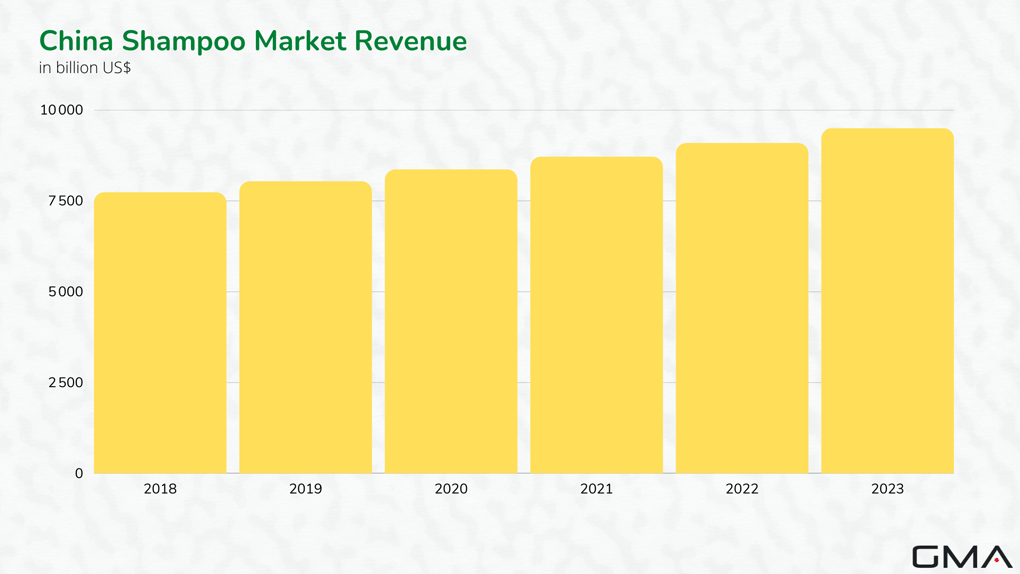
The cosmetics market is very promising in China! Indeed, it is the third sector in which they invest the most (after housing and food). The growth rate of the cosmetic market in China didn’t go down since 2010.
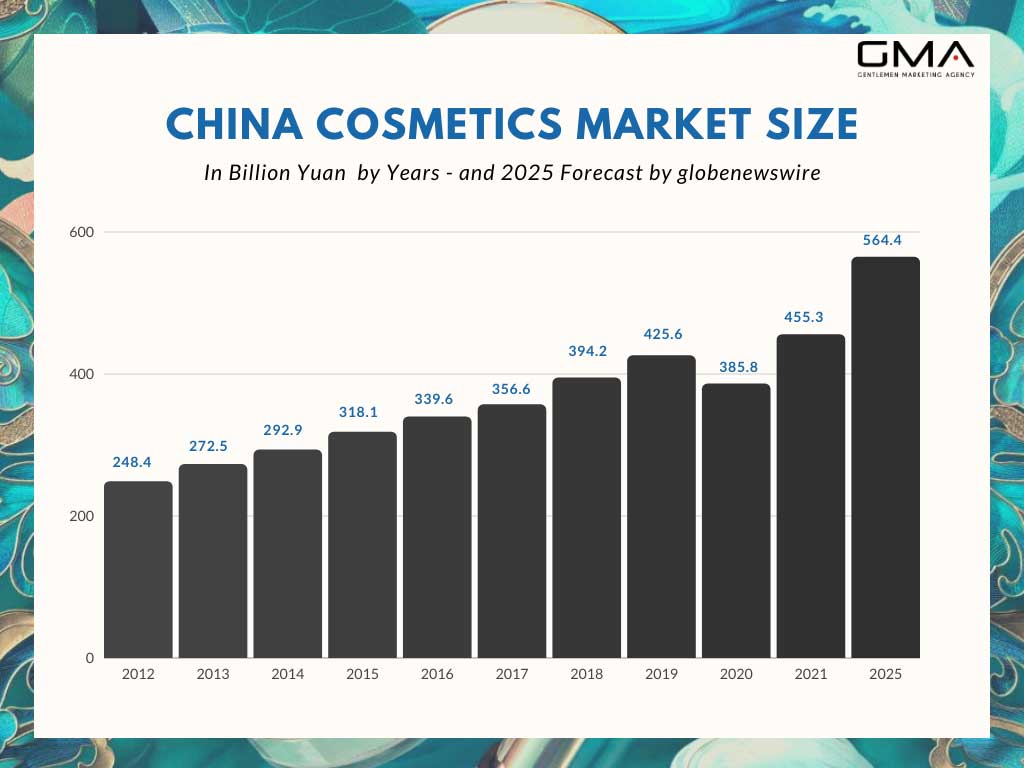
In addition, with the growing middle class, more and more Chinese are investing in quality beauty products. Moreover, now is the perfect time to invest in dry shampoo, as it will be seen as a “new” and “rare” product. Chinese people will go crazy about it!
Here are 4 other reasons for dry shampoo’s success in China:
Their hair tends to be greasy easily
In general, Asian hair is rather thick, flat, and rounded. Compared to Caucasian hair they are relatively strong and more easily resistant to breakage. But they tend to be oilier faster, so Chinese women have to wash their hair very regularly. This is far from convenient for them.
The humid weather
In China, especially when temperatures rise, the heat tends to be extremely humid. In big cities like Shanghai, this kind of environment can be very hard to bear, as well as for the hair of its inhabitants! They will be oily much more easily and a pocket-size dry shampoo to carry in one’s bag is the most effective solution to camouflage it during the day!
The water is not so great
In addition, the purity of water in China is clearly not that good. The water is not drinkable, especially in big cities. We can see the effects on the skin (more irritable, spottier) and on the hair (more dirty faster).
The pollution is not good for hair
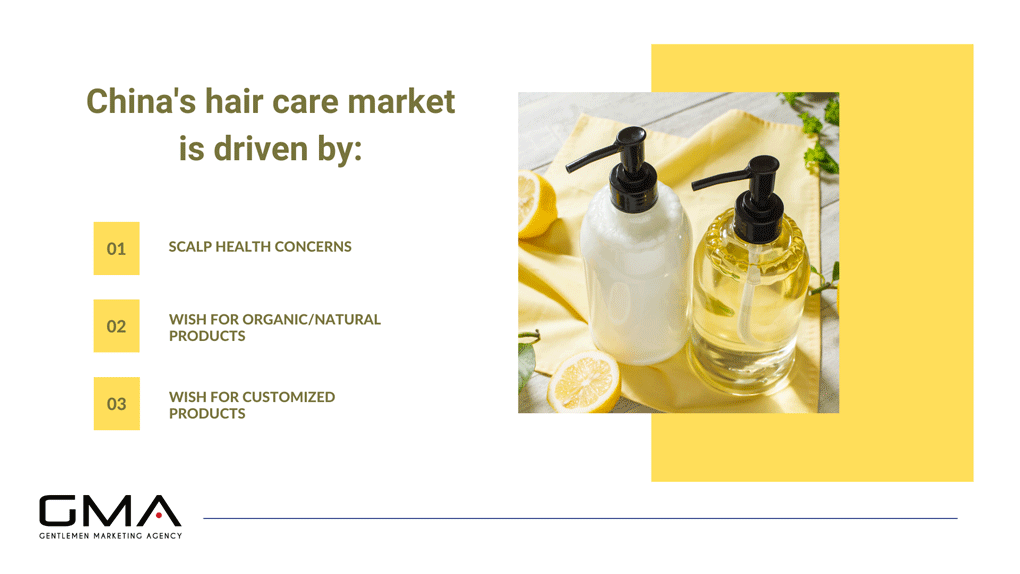
The last point of their environment (but not least) that does not contribute to the well-being of their hair: is pollution! China remains the most polluted country on the planet. This is felt in the big cities and our hair feels it too. We protect our airways with anti-pollution masks, so why not protect your hair?
Marketing Strategies for Introducing Dry Shampoo in China
The Chinese are used to big malls and massive commercials. You should therefore use other techniques to seduce them! Moreover, word of mouth is still very important in this country. The Chinese tend to trust their entourage or people with whom they have confidence. But first, start with education!
Educational Marketing
Chinese consumers are inquisitive by nature. Before they make a purchase, they desire to understand the product’s essence. Don’t just offer them a bottle of dry shampoo; provide them with a narrative.
Conduct seminars, launch online video tutorials, or even collaborate with local beauty schools. Focus on highlighting the benefits of dry shampoo, from saving time in the morning rush to preserving hair health. Emphasize its convenience and how it can become an indispensable part of their hair care routine, especially on smog-filled days.
Collaborate with KOLs to Grab Hair Products Consumer’s Attention
In KOL marketing, Key opinion leaders act as intermediaries between brands and customers. When choosing a Key Opinion Leader for marketing strategy, it is very important to find an influential person who can represent the brand well and accurately describe the business image.
KOL is the image of a brand on social media. It is necessary to ensure that KOL matches the brand in terms of interests, style, and value.
Partnering with the biggest Chinese influencers is making sure your brand has huge visibility very easily. They can be the face of your brand for your advertising campaign in China, or simply partner with them, so they can talk about your products to their community on social networks.
Engage on Social Media for Brand Awareness
The Chinese are probably one of the most connected nationalities in the world! They spend several hours on their phones every day, especially on social networks. However, because of the Great Firewall of China, they do not have access to the same networks as us. Social networks such as Facebook, Twitter, and Instagram are blocked in China.
WeChat is the most used application in the country, with more than 1.3 billion users. It is now becoming one of the most important platforms for digital marketing in China. Being present on WeChat and creating a community on this favorite app is essential for a successful marketing strategy!
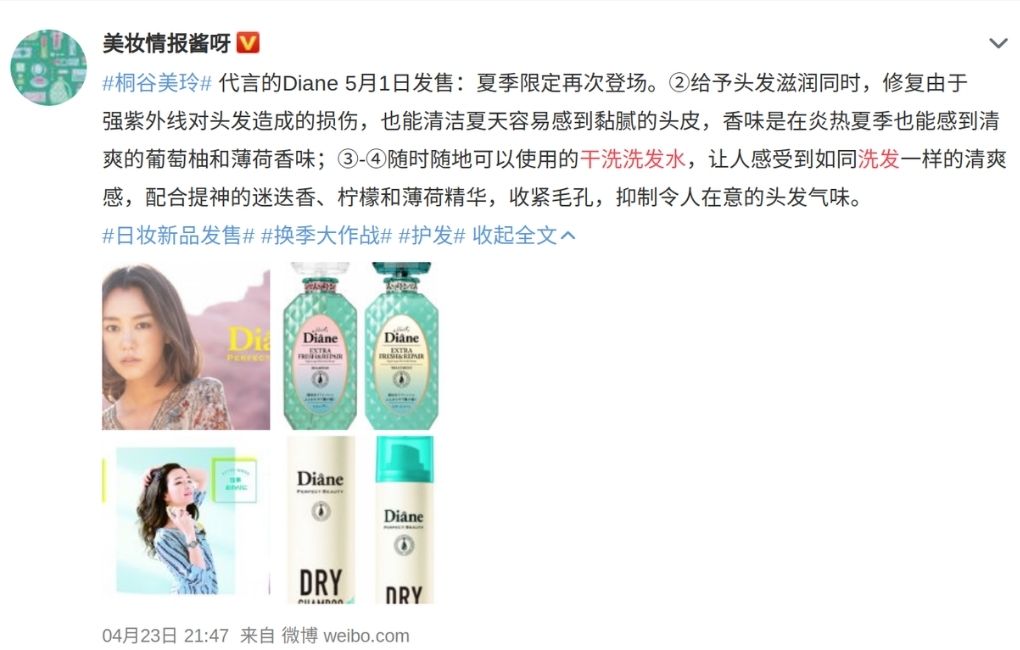
Weibo is the largest Chinese open social platform, and it is also a good place for mass marketing as every content on this platform can be seen by every user on Weibo. With more than 580 million monthly active users, Weibo combined with KOL marketing can be a powerful tool for your dry shampoo branding in China.
Xiaohongshu
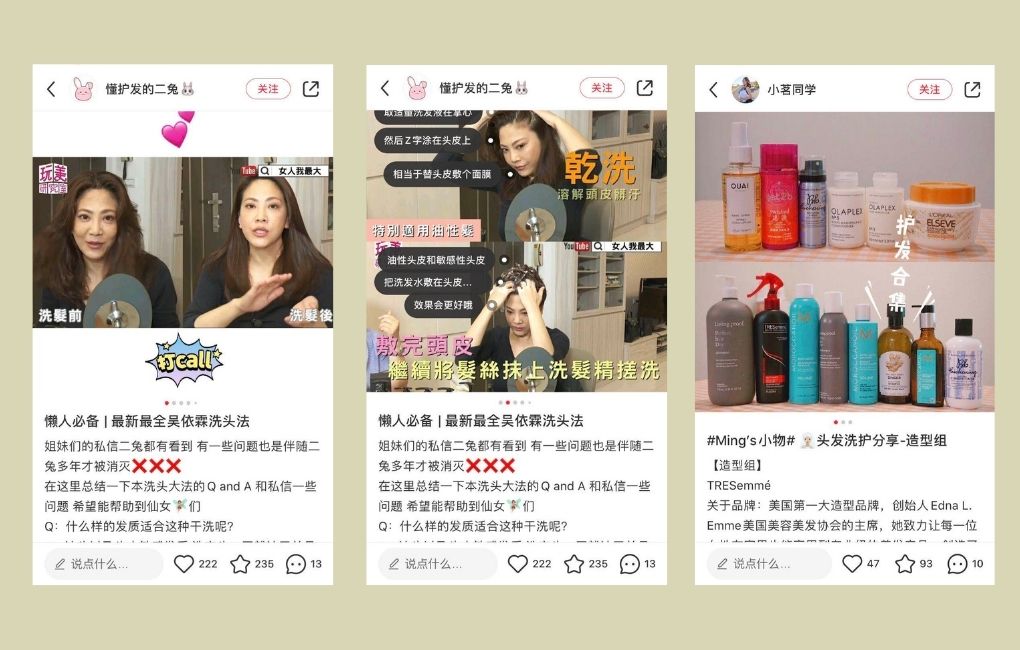
Xiaohongshu (literally Little Red Book in Chinese) was originally a UGC (user-generated content) platform for users to share products, daily life, traveling experiences, etc. While its user base gets bigger and bigger, it has developed into a social e-commerce platform. As of 2023, the popular Chinese social commerce platform Xiaohongshu has a total of approximately 300 million registered users. Around 70% of users are women.
It can be seen that the main target users of Xiaohongshu are young females living in big cities. These users generally like to try new things and products, like fashion, pursue a high-quality life, and have a certain level of consumption and desire to buy. They are easily affected by different types of KOLs and various marketing methods.
Engaging Product Demonstrations
The experience is at the heart of Chinese consumerism. Set up interactive zones in malls or popular public spots. Host events where consumers can not only sample the product but also learn various hairdos or quick fixes using dry shampoo. Turn these sessions into celebrations, with live music, Q&A rounds, and maybe even a few giveaways. An engaged consumer today can turn into a loyal customer tomorrow.
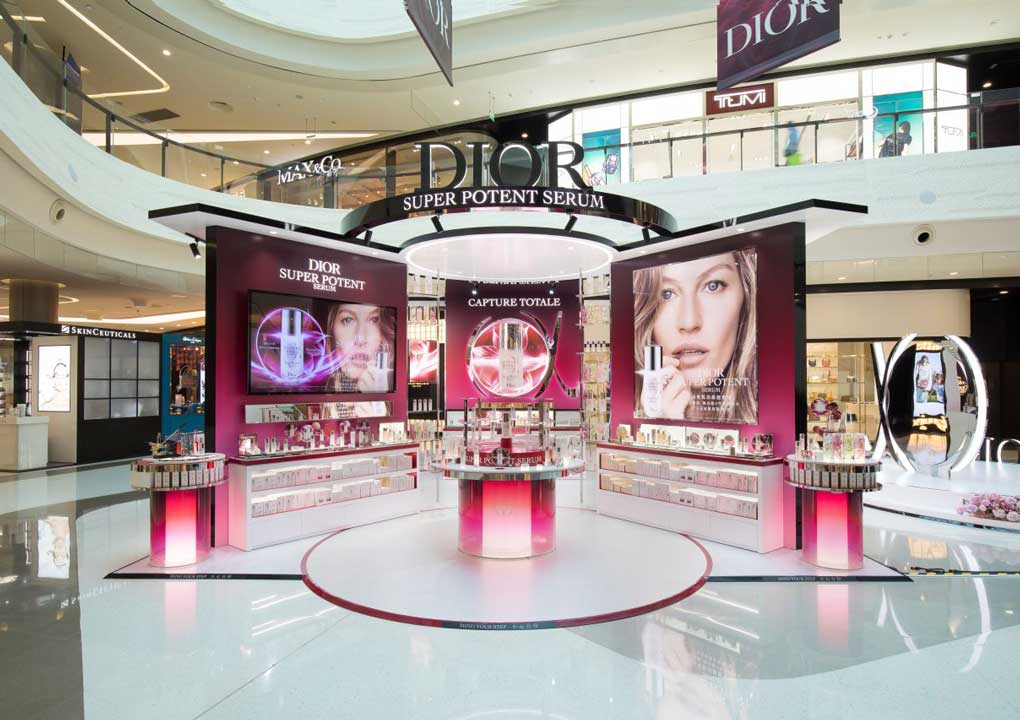
Localized Branding and Packaging
While global appeal is essential, localization is the key to the Chinese consumer’s heart. Dive deep into Chinese culture, art, and symbols. Perhaps the packaging could incorporate elements of traditional Chinese art or popular local motifs. Use colors that resonate with the Chinese aesthetic. Also, ensure that instructions and benefits are clearly written in Mandarin, offering clarity and building trust.
E-commerce: China Favorite’s Way of Shopping
E-commerce in China is in its heyday. With the development of the Internet, many things have been digitized and shopping was part of it! The Chinese are addicted to e-commerce: there are more choices, a more interesting price range, the opinions of hundreds of consumers and the delivery is very fast. All the reasons are good for ordering online.
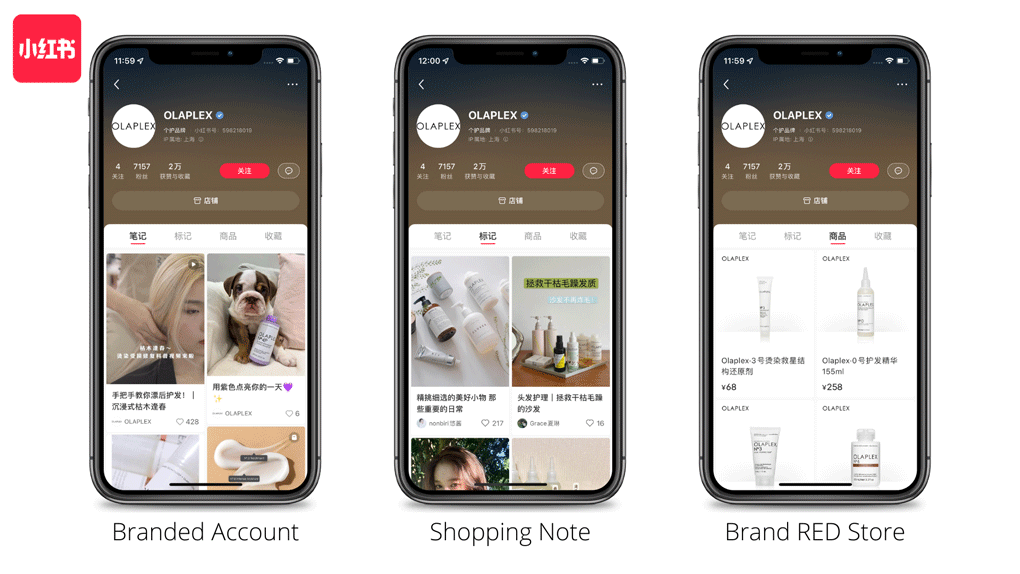
Moreover, selling your products on Chinese e-commerce platforms can not only facilitate your product distribution but also promote your brand awareness.
Why Partner with Gentlemen Marketing Agency for Your Dry Shampoo Venture in China?
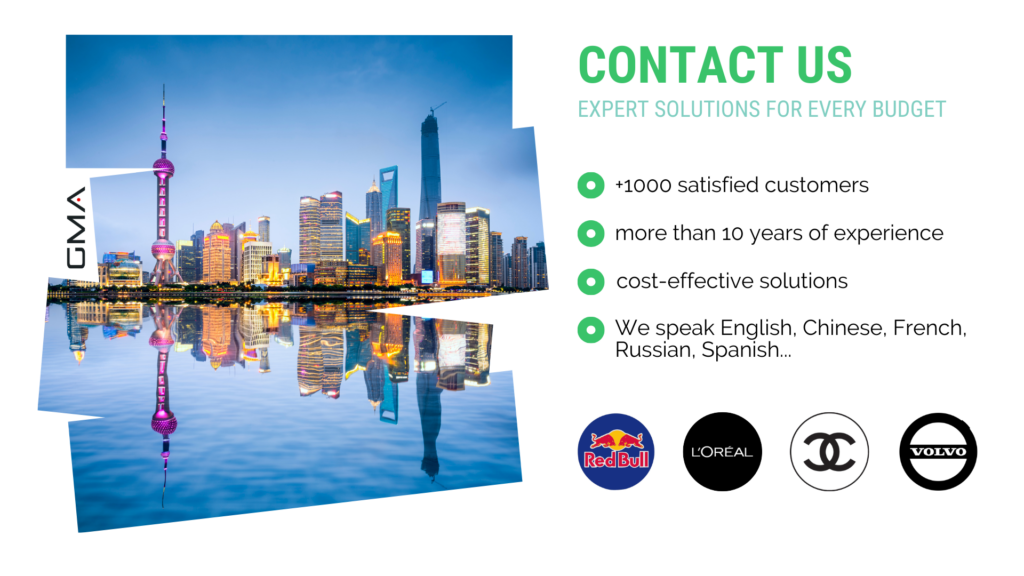
Venturing into the Chinese market? It’s not just about having a great product; it’s about having an unbeatable strategy. And that’s where Gentlemen Marketing Agency (GMA) shines:
🔹 Deep Market Insight: With our finger on the pulse of China’s evolving beauty and wellness trends, we know exactly what makes the Chinese consumer tick.
🔹 Tailored Strategies: We believe every brand is unique. Our customized marketing plans ensure your dry shampoo isn’t just another product on the shelf but a must-have for the Chinese consumer.
🔹 Local Expertise: We’re not just marketing experts; we’re China experts. Our team, deeply rooted in Chinese culture and consumer behavior, ensures your brand communicates effectively and authentically.
🔹 Full-Service Agency: From market research, branding, and product positioning to digital marketing strategies, influencer collaborations, and in-depth performance analytics, we’ve got you covered.
🔹 Proven Track Record: Brands we’ve partnered with have witnessed the power of effective strategy and execution. Success stories that inspire and resonate.
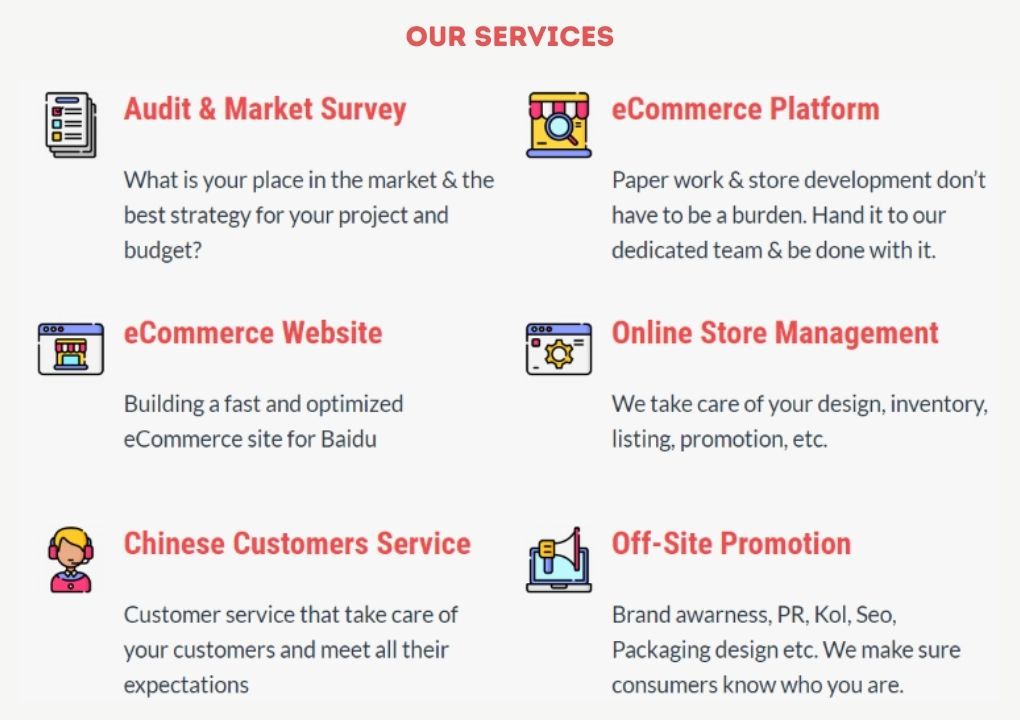
In the vast and intricate landscape of China’s market, having an expert guide can make all the difference. With Gentlemen Marketing Agency by your side, you’re not just launching a product; you’re setting the stage for unparalleled success. Ready to conquer the world of dry shampoo in China? Contact us, and let’s embark on this exciting journey together!
1 comment
Xin Zhuang
Hello
We are a Guangzhou Amarrie Cosmetics a Distributor of Cosmetics in China and we are searching to sell Western haircare brands ,famous premium brandif possible
Contact me for more information