

Estee Lauder and AmorePacific in China
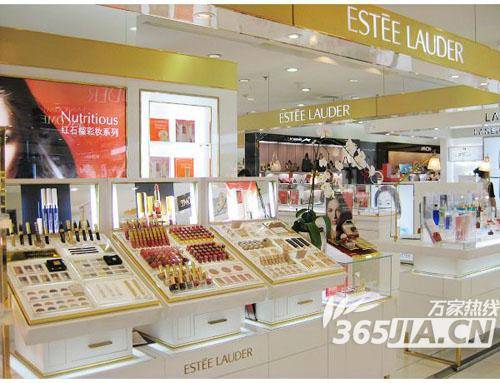
Well famous and Chinese popular cosmetics brands Estee Lauder and AmorePacific offers new price plans for their loyal customers and down their produces prices up to 30 percent. The brands of Laneige, Innisfree, Etude House and Sulwhasoo reduce by 3 to 30 percent and new price rate will be immediate imposed in domestic market of China.
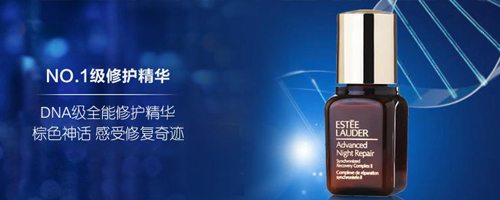
It is confirmed price cuts to over 300 lines in mainland China. Some other brands like Bobby Brown, Clinique, Namesake label; Jo Malone has also reduced their prices on their products up to 18 %. All the impact due to some Government policies and some of due to different reactions of consumers buying behaviors across domestic markets. This favor is to provide maximum benefits to attach customers as well as to increase sale for specific goods from online shopping stores.
Price Reductions Offers for Chinese Citizens
Chinese citizens buying power has been raised from number of years and they spend more money to buy specific items which they need for personal use. Price reduction offer for Chinese expected customers who cannot afford high price products in huge quality and this type of favor can help for such customers to buy immediately to their favorite beauty products on reasonable rates and can save for future. The offers are for limited time frame and after finishing timeframe the original prices will back and will imposed with new rates in domestic market.
Sometimes, companies introduce unique price plans for Chinese customers and sometime to encourage them to celebrate special events with their full interest and concentrations. Price reduction policy increase overall sales volume and helps manufactures and distributors to provide everything on demand before finishing products. Lots of companies introduce different price reduction plans for Chinese people to influence their psychologies and behaviors to show reactions to buy something or to choose something on reasonable rates.
Effects of Pricing Initiative in China
Almost every product usage is different and depends upon the tastes of people what people like to use a specific item for specific purpose. Effects of pricing initiatives in China are different and ratios of relaxation prices are different. Local brands and major brands prices always different and every brand always focus on material quality and timely supplies.
Without taking interest and personal involvement of the authorizes of reputed brands no benefit can be taken for anytime for the favor of customers. established international players always plays big games and introduce different attractive package plans for Chinese customers and the expected customers to get involved in their products for short time only for awareness and to get acknowledgement by personal usage. Pricing reduction policy cannot be run for long time because it can provide unexpected loss to owner and cannot get back instantly if they lose the interest of people.
Domestic Cosmetic Brands vs Global Cosmetics Brands
The way of working and the scenario to manufacture products decide the pricing policies and availability of resources also enable someone to enjoy market share by providing demanding products on time. Domestic market brands do almost every activities what they can do for their customers but for international brands, it will be difficult to get share from competitive market according to own wish and on high prices. After care full analysis and deep observations about marketing conditions they can set their prices and their branching networks to establish new business and to get profit from existing markets. Global cosmetics brands reputation in China is also high especially for Korean products. South Korean Cosmetic Products are well famous in all across China and giving handsome response to launch new ideas in Chinese markets.
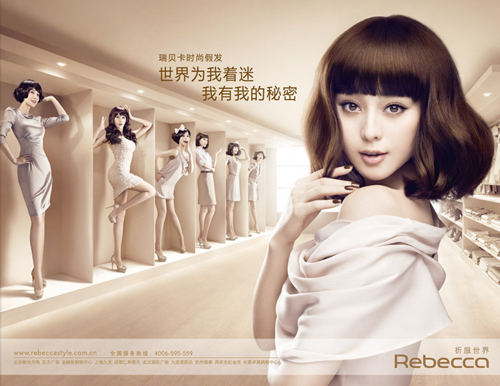
Domestic sales and demand can be affected if a fording brand is working fine and setting reasonable prices for the people. Inspiring through cosmetics industry and local made products, the overall reputation of the standard cosmetics products in China is remarkable and there is still a great space for foreign investors to take interest on potential markets and earn handsome cash from available market conditions.
Imported Cosmetics Products and Effects on Domestic Sales
Imported cosmetics products in China from other countries are also getting attention of Chinese people. They like to use international brand products to solve their skin, beauty and personalities issues. Imported cosmetics from France, Germany, London, USA, Korea, and Australia are also getting attention of the people of China and they are using branded cosmetics products to show their personalities and awesome personality presence. Manufacturing local branded products and importing quality and branded shopping products from international brands has been got much attraction of the people and can generate online orders to make this way secure and safe to use specific shopping items.
Chinese Market Analysis and Growth of Sales
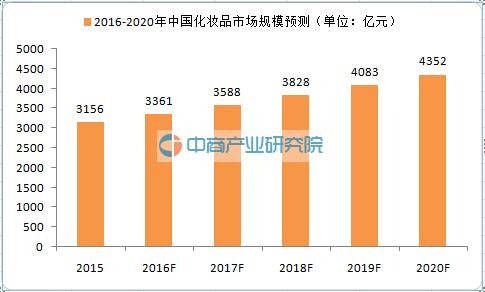
China’s market regarding cosmetics industry is gradually improving and some interests to increase growth and sales volume can help initiator to take steps to get the attention of the people from targeted markets. Sometime conditions, atmosphere and special occasions help to not to go to other online shopping strikers and to find help to guide about best product comparison. Chinese market for international cosmetic group is also in favor to provide maximum benefits to domestic customer.
Policies and Vision of Estee Lauder and AmorePacific Group for China
Policies ad vision of Estee Lauder and AmorePacific group is to facilitate Chinese customers more and more and create new spaces in international markets to provide quality products of all type according to the buying power and the availability of required resources. Collaborations with local authorities can also be made if someone is interested and want to cooperate with you fully. This year 2017, The people of China is also awaiting cooperative and low priced package plans for Chinese domestic markets to again attract clients involvement to buy specific products all the times. This is a good style of marketing which influences visitors, travelers, and local people of China to avail the opportunities and save their times and energy to find other competitors’ products with same features.
Sources:
- http://weibo.com/ttarticle/p/show?id=2309351000244038131132293064
- http://mysocialgameplan.com/digital-marketing/grow-your-following-on-wechat
- http://beauty.pclady.com.cn/125/1258525.html
- http://www.askci.com/news/chanye/20160601/11022823568.shtml