
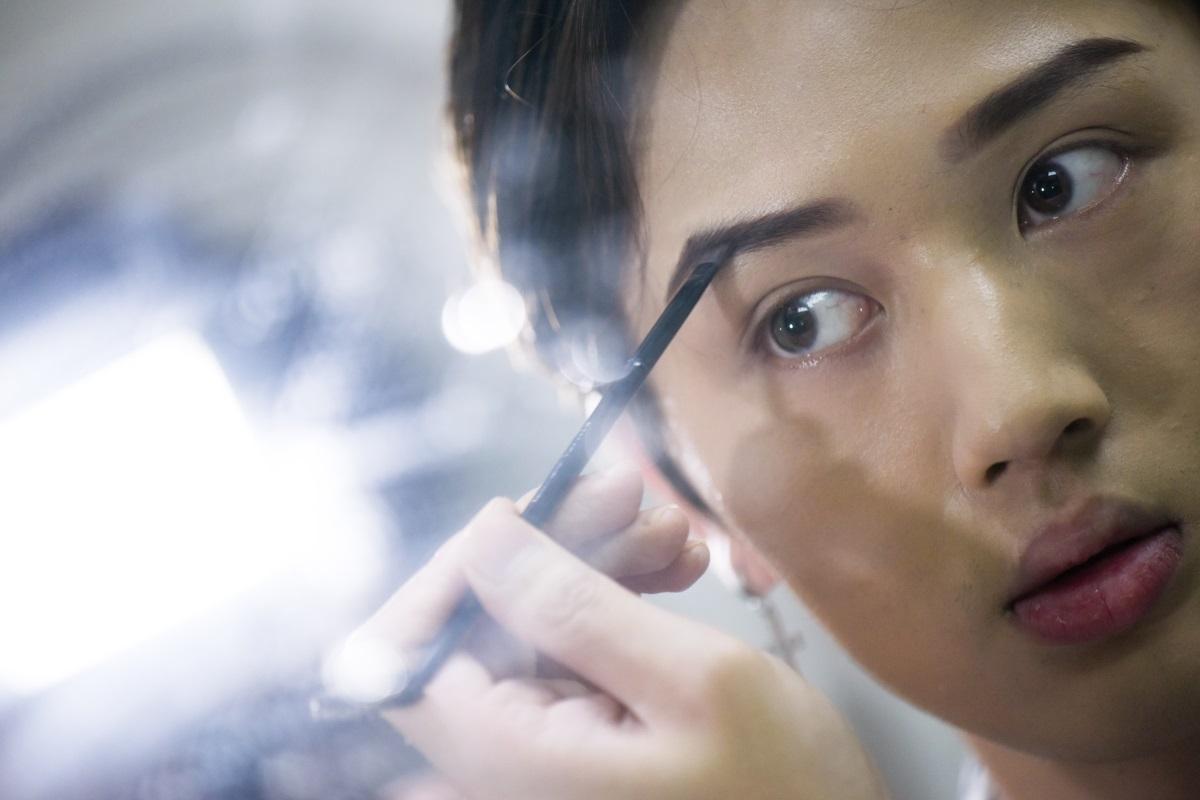
According to Euromonitor International’s estimates, the male skincare and cosmetics retail sales in China reached an annual growth of 13.5% during 2016-2019. By comparison, the global average rate was 5.8%, to top RMB 1.9 billion in 2019. With the increasing number of male consumers, the growth potential of the mainland skincare and cosmetics products market should not be underestimated. In China, makeup is also a matter of men!
Men & Makeup: Evolution of Chinese beauty standards
A lot of millennial Chinese boys are accepting makeup and wear it every day, from natural make-up to party more extravagant looks. Most men are using light touches, concealers, and brows products to look better. Some others are craving natural beauty and cruelty-free products.
For a long time, Chinese men could not tell their parents because of their faces. The trend is not yet accepted in Chinese society. In December 2020, the hashtag #小男孩第一次见到男生化妆, which is #LittleBoyFirstSeeMenWearingMakeup was trendy after a little boy was surprised by a man wearing makeup on Omegle. Chinese netizens, especially Millenials, are fighting for more inclusivity in makeup.
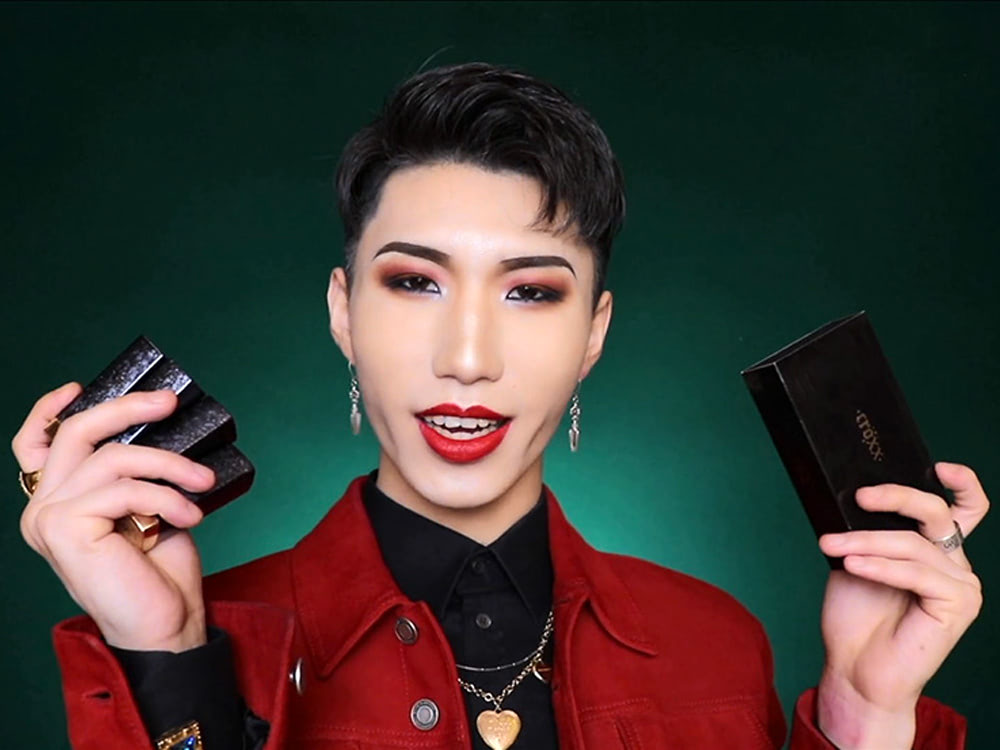
Chinese men use makeup to feel better
The Asia Pacific region has the highest market growth in the male beauty industry. In China, millennial male consumers are the key demographic of today’s beauty market. More than influencer collaborations and product innovations; the shift in Chinese culture has been essential. Males maintaining their appearances is not necessarily taboo anymore… above all if it is light.
On social media Zhihu, a recent post reached 500K comments on the question “What do you think of men wearing makeup?”. The majority of the comments agreed that male makeup up should be “invisible“. For Chinese male consumers, the ideal is to wear makeup while people around could not actually tell they are wearing some.
A shake in gender norms towards makeup in China
According to the figures of Tmall Beauty, the consumption amount of men was significantly higher than the one of women between 2012 and 2015. Male became a new driving force in the sector of beauty and skincare products. This total shake reached a peak during Double 11 in 2020. Tmall logistics partner, Cainao, acknowledged a rise of +3000% in male beauty products delivery versus last year.
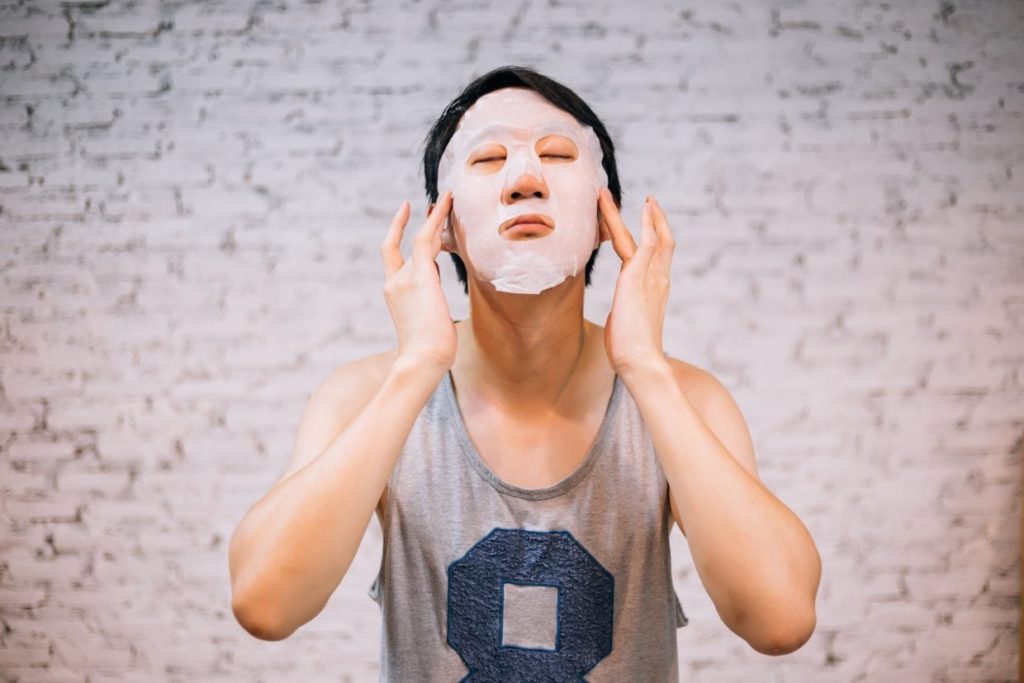
In general, male beauty preferences are directed towards specific products. For example, more and more Chinese men are buying premium soaps to create a lather for shaving. In a word, male beauty consumers used to develop their own technics in the absence of a male dedicated skincare line.
The Chinese culture and gender roles stereotypes
In Chinese culture, China’s young male celebrities are now often seen wearing and advertising make-up and beauty products. In 2017, French cosmetics brand L’Occitane, with brand ambassador Chinese actor Joker Xue, achieved a 49% sales increase in China, and an 11% increase in their year-on-year growth. It was described as “an amazing feat by a male cosmetics ambassador” by Rochette Schneider.
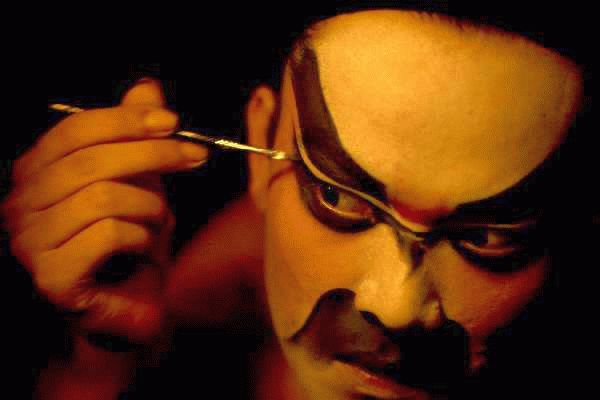
In China, a term has emerged to describe the men who are leading this new kind of beauty revolution: “Little Fresh Meat”. In a word, it refers to young good-looking men with flawless skin. One of these men, Luhan, often referred to as the “Chinese Justin Bieber,” works as a brand ambassador for both Lancôme and L’Oreal Paris.
Opportunities are born for men cosmetics brands in China
Despite these cosmetics brands originally using attractive male celebrities to target women, male-targeted marketing campaigns are starting to emerge. Surprisingly, 96% of male e-tail users purchased beauty and cosmetics products at least once. In the past 3 years, the sales volume of male beauty products has almost doubled year on year. Chanel noticed the huge opportunity and decided to extend its BOY franchise, with additional makeup and skincare products. For the campaign, the luxury brand even picked a Chinese model.
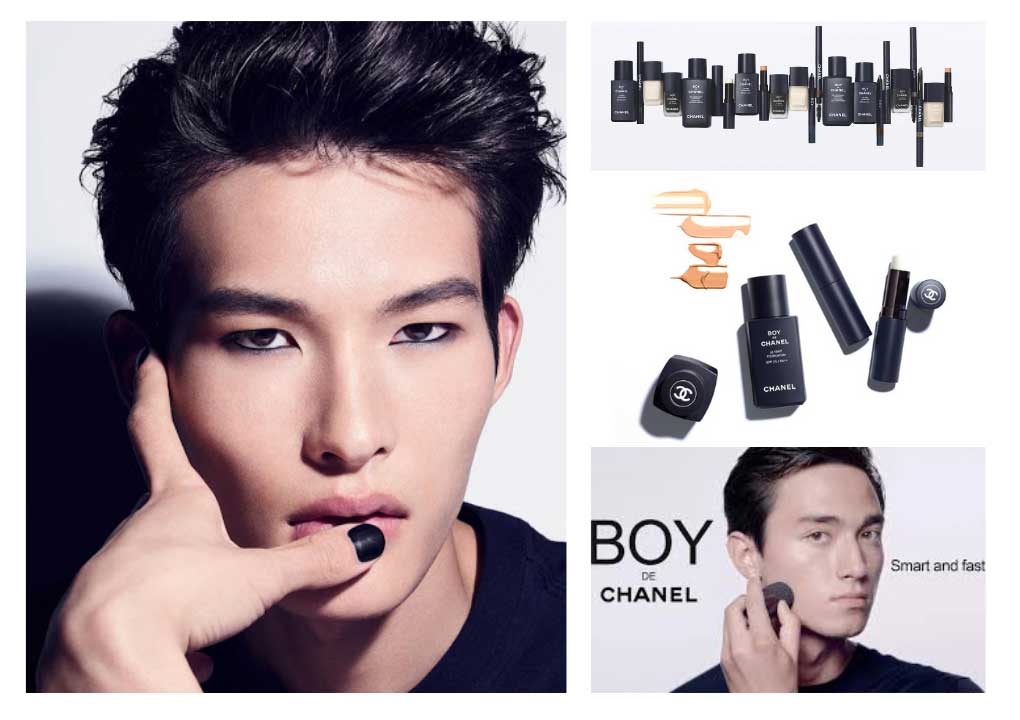
The reports and studies showed a high increase in male demand for face masks, BB creams, concealers, and eyebrow pencils. Chanel based its franchise extension on these forecasts. Although surprising to some, Chinese men are wearing makeup now, it is not just about skincare and moisture creams. A lot of Chinese young consumers wear concealer every day without hiding it!
The influence of KOLs on Chinese makeup consumers
We can see more and more Chinese young men caring about their skin, especially those born after the 1990s. Star endorsement is one reason for this new trend. The Korean style has been influencing Chinese young people’s aesthetic standards for a while through Korean dramas and K-pop stars. Chinese young girls and boys often try to reproduce their makeup.
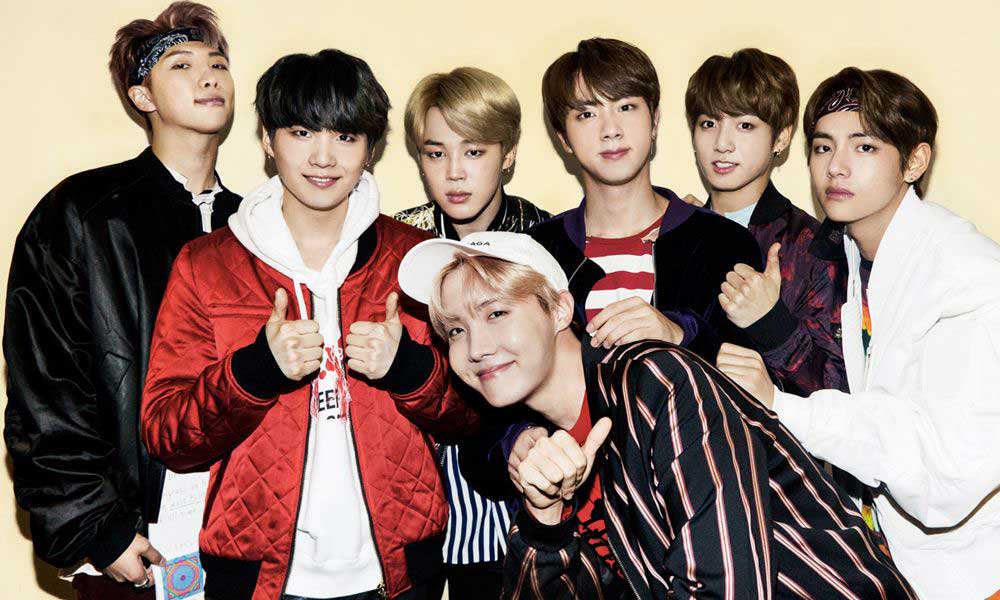
Most of these young people are influenced by KOLs (Key Opinion leaders) online and on social media. On Douyin, the most popular app among young Chinese, we can find videos showing a boy putting on makeup. Reactions in the comment section are no longer about “how strange it is” but more about how makeup can change a person. It is a trend more and more accepted in China because it is becoming widespread.
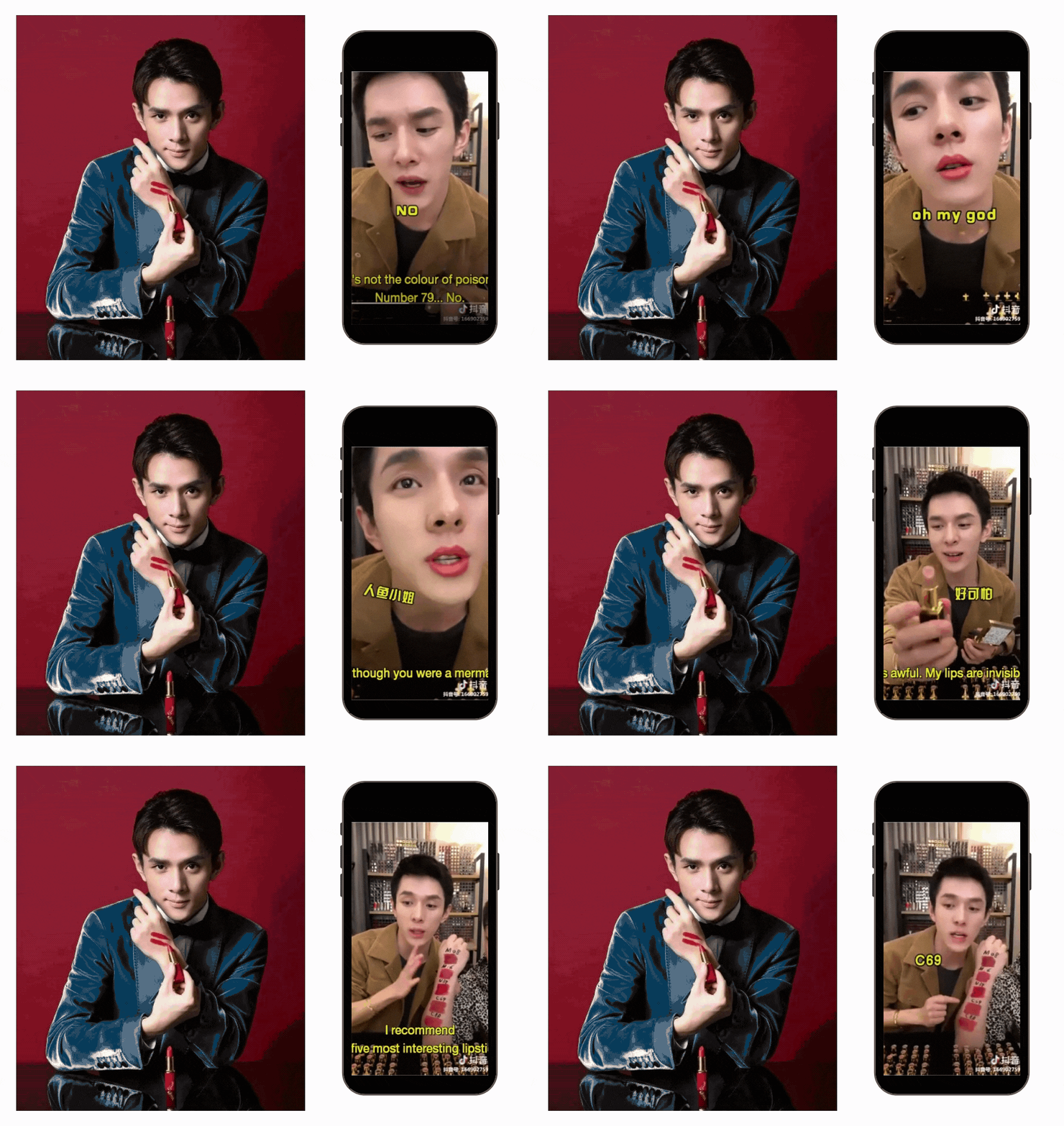
In the meantime, the most famous beauty KOL in China is… a man! If you do not know him, you are missing a huge sales potential in China. Austin Li, also named “Lipstick King”, is famous for testing live lipsticks while sharing his expertise on the texture, color, and packaging. Chinese people are very sensitive to recommendations and feedback. They will buy immediately if a product is recommended by Austin Li. The Guerlain novelty, Rouge G Sheer Shine was sold out the first month of its launch only because Lipstick King liked it.
Upcoming opportunities for men beauty brands in China
According to Statista, the male cosmetics sector in China is increasing, specifically skincare products for men. In 2016, the Chinese male skincare products and solutions accounted for 52% of the total market.
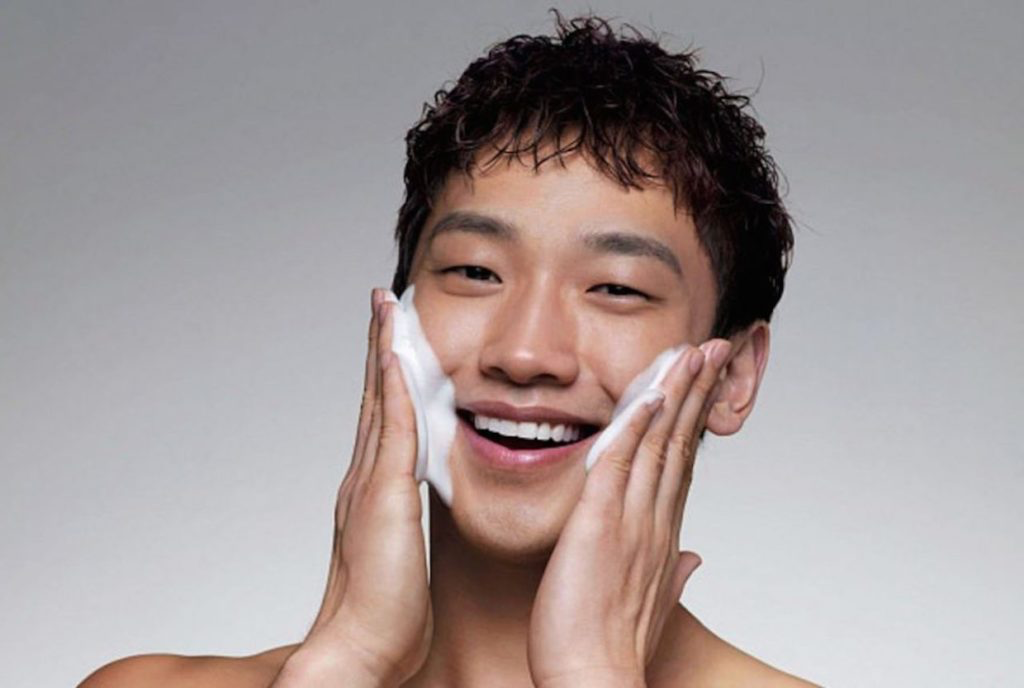
In 2019, the growth rate of male beauty products was the most important. The male beauty product was increasing by 31% versus 29% for women YoY. The success is not over and is showing great opportunities for the future. There is an estimated growth of 15% over the next 5 years, compared to a global average of 11%.
According to Tmall, China is entering the Chinese ‘Male Beauty Era’. The cosmetics market is the third market in which the Chinese consume the most, after accommodation and food. Men’s skincare has grown by more than 70% and men’s make-up by more than 15%. And that’s not going to stop!
Strong Korean influence on China’s men cosmetic market
Korean soft power is getting stronger around the world. However, in China, it is already well established. The young Chinese are numerous to display a Korean style, as much by their fashion than by their aesthetics. Indeed, Korean men are much more open than other nationalities on the matter of cosmetics.
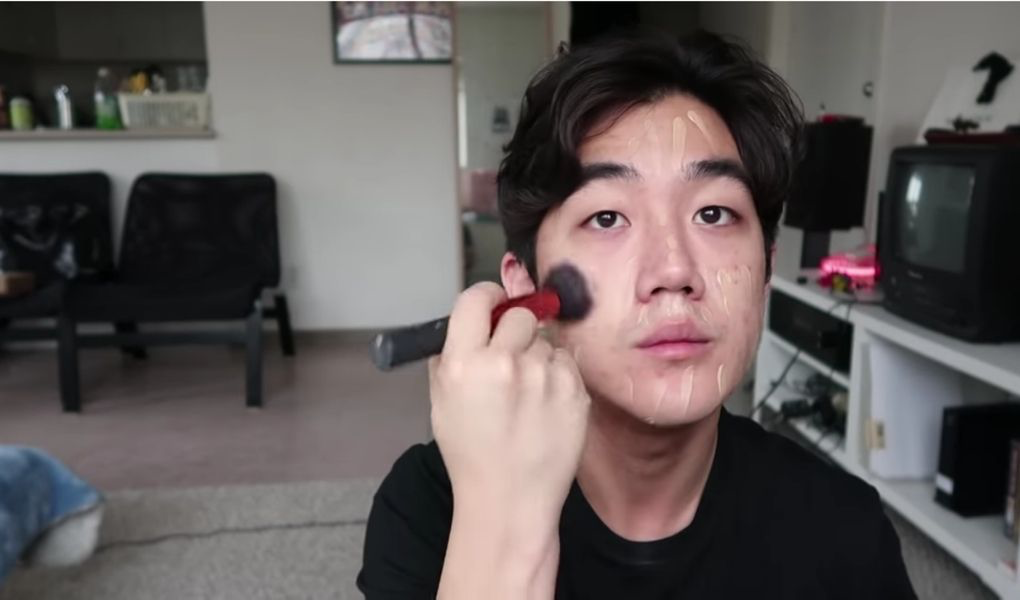
They do not see why only women should take care of their skin and beautify themselves with makeup. Men thus also have their beauty care routine, most skincare. But some men even do makeup. There are also many makeup tutorials published by Korean men.
The rise of unisex beauty trend in China
Male beauty shoppers are constantly asking for substance and sophistication, and they are also more and more interested in brands’ values and identity. It is essential that luxury brands take note that they must jump on this fast train. It is headed to the future of Chinese beauty: unisex trends.
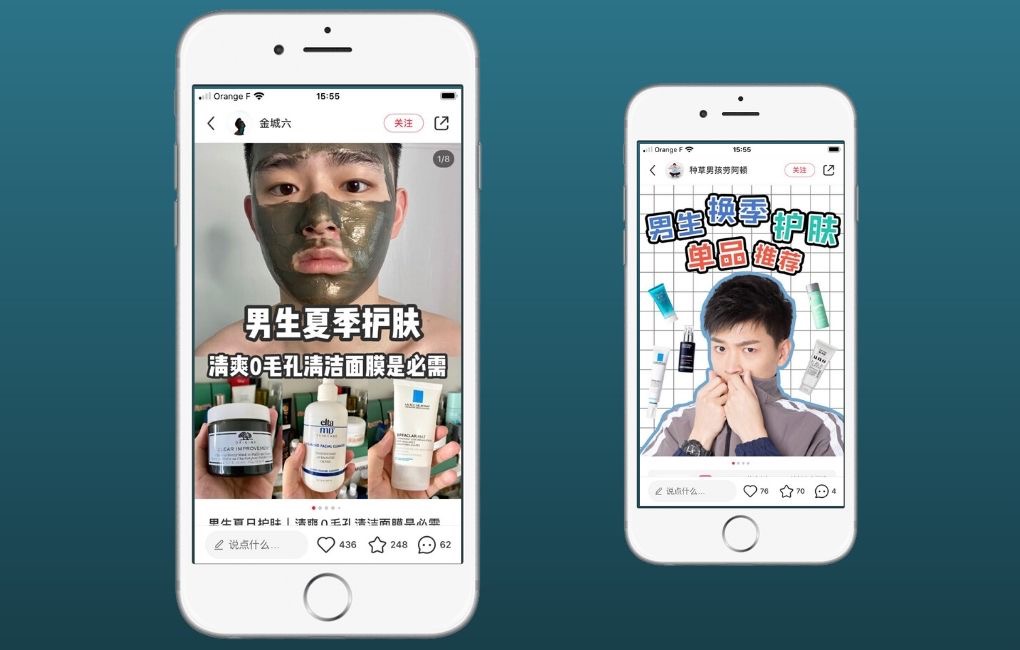
With the economic development of China came its urbanization, its modernization. The Chinese, especially urban youth, have thus been largely influenced by Westerners and have relatively changed their consumption habits. The new generation is more open-minded. They accept changes more easily than their parents and are curious about novelty. That is what pushed young Chinese people to pay more attention to their skin. Their favorite products are facial cleansers and products to control the excess of sebum.
How to conquer the Chinese male cosmetic market? Be up to date with the trends
Thanks to the digitalization of society and the new marketing tools, China has a lot of booming industries and represents a huge market. This is the main argument that is attracting a lot of investors and entrepreneurs here. However, in China, you really need to be faster than others to get the market share as the pace of business is very fast and the environment is constantly evolving.
GMA is specialized in digital marketing in China. We have developed many successful projects because we know how to effectively promote your business in China, according to the market, according to Chinese consumers. Our team is familiar with the latest digital tools and market trends, which allow us to provide you with a complete range of services from business consulting to marketing operations. Feel free to contact us!
Read more about cosmetics and beauty in China: