

As China’s retail market continues to grow, more and more beauty brands are looking for ways to enter the market. However, entering this emerging market can be challenging without a local partner. Jumei is a leading online retailer in China that connects international brands with Chinese consumers. In this post, we’ll walk you through how to list your products on Jumei so that you don’t miss out on any potential customers!
Is Jumei a good online marketplace to sell beauty products in China?
Yes and no.
Yes: Jumei has a large selection of top beauty brands. They ensure the authenticity of all products for sale on their website, ensuring customers are getting what they’re promised. Authenticity is a key criterion for consumers retention in China.
No: The platform is not as popular as it once one. It’s mainly due to the growth of competitors such as Tmall but also social eCommerce platform such as Xiaohongshu focusing on the same niche.
E-commerce in China
The e-commerce market continues to grow in China. Over the last years, it has become a new consumption behavior among Chinese consumers who prefer to shop online (well, it is not a new trend anymore because most of Chinese are using e-commerce platforms). Many e-commerce platforms have emerged in China in recent years. The convenience and the large range of products offered by this buying channel make people addict to online shopping.
Obviously, this trend is more important among Chinese users who spend a lot of time on their smartphone and mainly on social media.
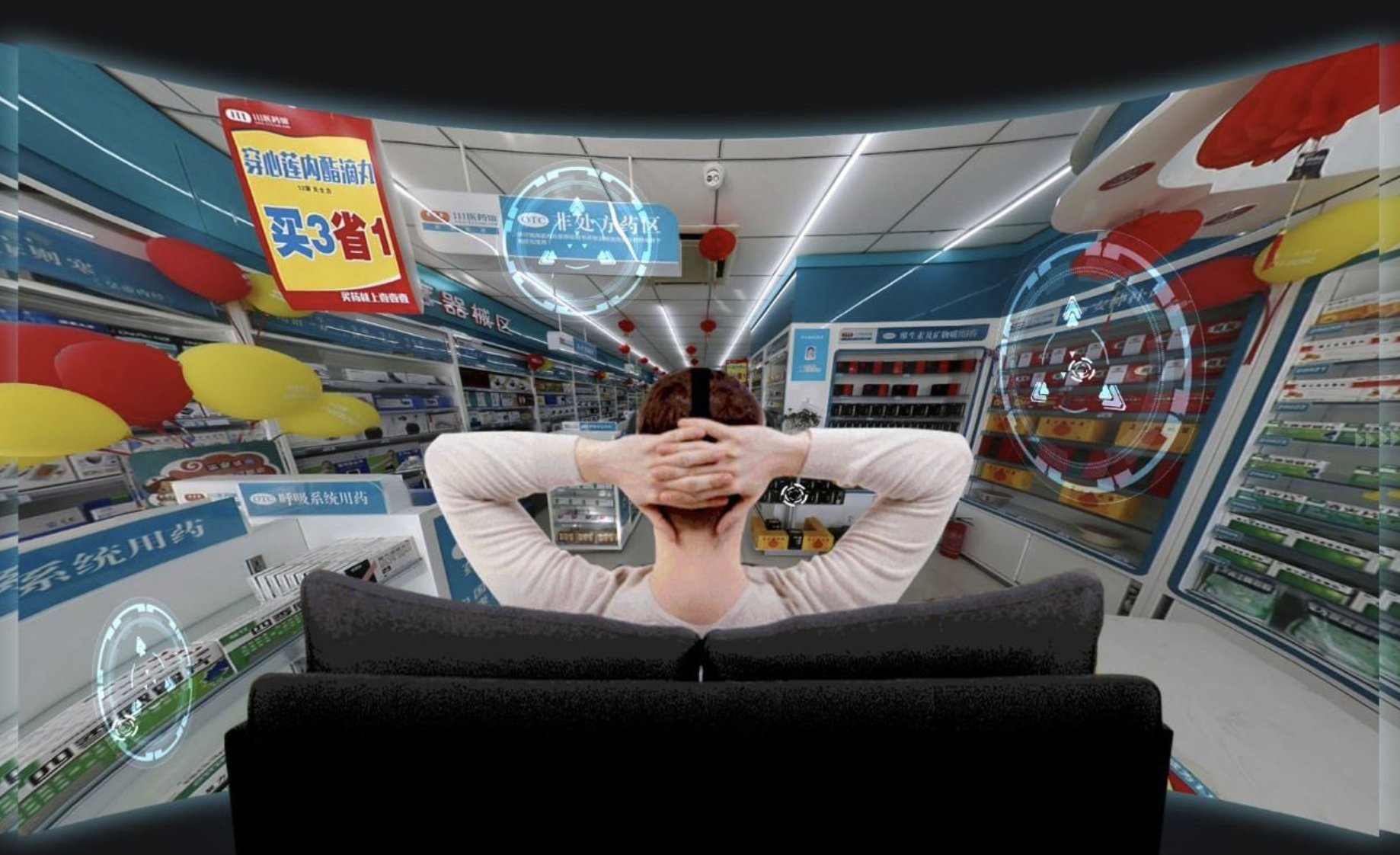
E-commerce allows foreign companies to enter the Chinese territory more easily without the need for a license or usual paperwork. However, they have to manage the problem of counterfeit products… Chinese like to buy foreign products on these platform, but also try to avoid counterfeit products. Unfortunately, a lot of shops on online marketplaces such as Taobao, TMALL or JD.Com sell fake products and they are not always well controlled.
Today the biggest e-commerce players in China are Tmall and JD.com. They are dominating the Chinese online consumer market and have a fierce competition to win over as many luxury brands as possible. While the competition is still important between these existing e-commerce platforms, some of them have succeeded to stand out from other like Jumei.
About Jumei
Jumei YouPin (its full name) is an online sale mall, which mainly provides consumers with cosmetics and luxury products. It was founded in March 2010 by Chen Ou and Dai Yusen, formerly known as Tuanmei.com. Jumei is a pioneer of the “cosmetic group purchase” model. Every day, the platform recommends a dozen of popular cosmetics. The platform particularly welcomes foreign companies that are having great success with Chinese consumers.
Jumei Youpin takes care of goods’ purchasing. The platform only buy from trusted channels, brand manufacturers, regular commercial agents, domestic and foreign shops to ensure product’s quality and to guarantee the after-sale services. It also has its own quality inspectors from its buying department. Jumei want to let consumers have a good service experience, and then gain their trust.
Today, Jumei is one of the largest e-retailers in China for cosmetics. The platform mainly offers luxury foreign products such as Kelvin Kelin, Estee Lauder and Avon, which are very popular with Chinese consumers. Moreover, many American investors saw in Jumei a great potential and decided to seize the opportunity.
Jumei invested in the famous Japan brand SK-II
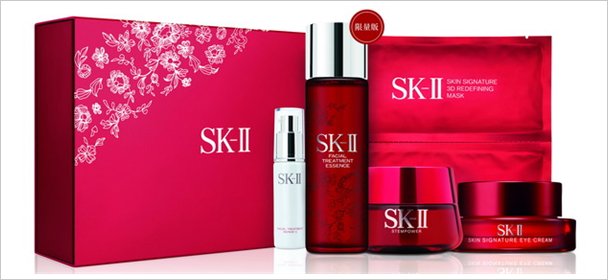
Japan cosmetics attract Chinese Consumers, so it’s also attract Jumei.
Chinese consumers are increasingly using Korean cosmetics for their quality and benefits. They are daily in contact with the Japan culture through dramas and k-pop. In addition, most of skin and body care products made in Korea are organic and do not cause environmental damage. Along with the increase of income, Chinese people are getting more and more involved in their living condition, seeking for products with better quality or features.
The president of Jumei seized the opportunity to create a partnership with the famous brand. Especially since “Made in Japan” is recognized in China.
Now, the platform foresees improvements in the service quality for the infrastructure, as well as in the product delivery service to consumers.
Consumption of luxury products in China

The Chinese backlash against local fakes and counterfeits is one of the reasons international luxury offerings are thriving in China. To be a ‘foreign brand’ has become a byword for quality, thus lending itself to such luxury branding and marketing. It’s important to be aware of this context, it also heightens the importance of an intelligent branding strategy on the most effective, targeted platforms to high-net-worth individuals.
Also, “foreign” luxury brands are increasingly known by the Chinese, 59 of those surveyed recognize them, which is 25% more than in 2006. Most of the time, they associate a certain country with certain luxury goods. Switzerland is the first country mentionned for watches, while France is associated with cosmetics, perfumes, luxury clothing and alcohol, and Germany to high-end cars.
The Chinese Luxury Market is now the most sizeable in the world. With burgeoning levels of wealth and disposable income come changing expectations from consumers. The main goal of 2018 for luxury brands is to maintain the quality of the online shopping experience,
Digital marketing in China
Entering the Chinese market is not easy, despite the rise of e-commerce. That’s why our Digital Marketing Agency in China exists. We are helping foreign companies to approach this very special market. We provide them with information about the tools to use to increase their visibility and notoriety on Baidu, the main search engine in China.
SEO on baidu is the basic thing to do

Indeed, beside collaborating with e-commerce in China, you need to ensure that your brand can be easily find by Chinese online users. Most buyers in China now are get used to search information online. And 80% Chinese netizens use search engines to find what they want online. In fact, 75% visitors on your website come from search on search engines, especially Baidu and Google.
`Baidu focuses sites and pages based on certain criteria. These can be very different from what you might have faced on Google. Our agency has the necessary expertise to optimize your site in China, and offers a comprehensive range of services related to this task.
We analyze your website in order to find the best solution for your SEO on Baidu. We analyze your website in order to find the best solution for your SEO on Baidu.
Social media works closely with e-commerce
We teach our client more about social media in China to attract the Chinese customer. In this digitalized society, all online platforms can be and in fact, are linked. Whatever the chosen network, we choose with you a suitable strategy.
The social media landscape in China is totally different from what you are used to seeing in the West. Here, in China, WeChat and Weibo are right now dominant. Never heard about it? No worries, we’re here to help you and build your own strategy to reach your target.
More about : WeChat / Weibo
Do not hesitate to contact us if you have any question or project about China.
 Read also :
- Buy Products on JD.Com via WeChat
- The Chinese criteria of beauty have changed
- What to Consider Before Doing Business in China?
1 comment
Bob
+1 for this Article….