

The Chinese offer on the Cosmetics market is weak. Indeed, the market is dominated by international brands, which are owned at 80 percent by foreign brands. Chinese women are fond of cosmetics products made in Korea and France. What are the reasons for such a success? We will analyze the main factors of 2 different successful models in China.
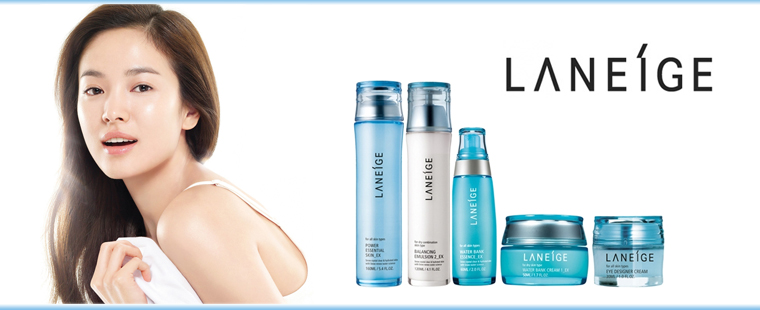
Korean culture under the spotlight
K-Culture has been spread all over the world these years, from Western countries to its neighbors like China. Interest in Korean Culture goes from music (K-Pop) to entertainment (Dramas) or Fashion. This culture is truly fascinating and particularly for Chinese people. They consider Koreans as ‘cool’ people so they will try to consume like them, and this involves cosmetics products.
The most famous Korean brand in China is the one called Laneige, not only it is a Korean product but it has this French connotation that gives credit to the brand. Because even if Chinese people buy Korean products because of their trendiness and because they found them sophisticated, French cosmetics products are still leading the market.
A successful strategy for France
Chinese consumers are naturally appealed by foreign brands, and even more France. As they admire Korean Culture, French culture is also a source of fascination. The plus France has is that they benefit a good image of their product, a ‘Made in France’ label will automatically make the customer trust a product.
French cosmetics brands totally understood the challenge that represented China and the expectations of the consumers. They chose to adapt their products by answering a demand in Whitening products for example.
These brands are also very active on social networks, like Weibo or WeChat, operating an important Community Management, with more than 600 million netizens in China, it seems very important to have a well-built digital strategy in China.
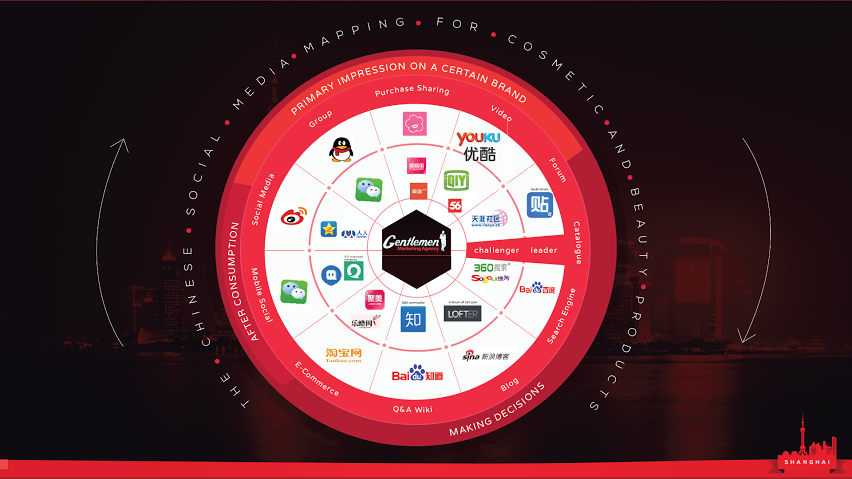
Few points to follow to have an effective Digital strategy for your Cosmetics Brand
Be close to consumers
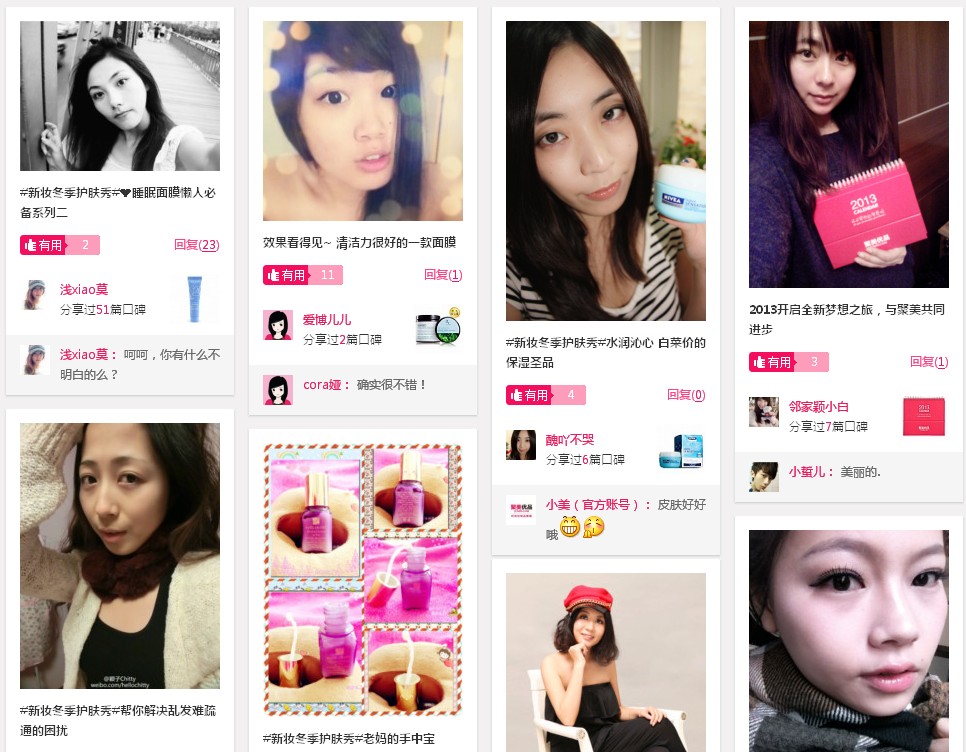
Chinese netizens are most likely to search for information on a product on social Media where Opinion Leaders or other customers may have to express their opinion on a product. They post feedback, reviews, advice on the product they bought. Out of 100 Chinese people, 54 said they would buy a brand’s product if they saw a friend or relative ‘like’ or ‘follow’ the brand on social networks.
- Bet on E-Commerce
China is the World’s largest e-commerce market and Cosmetics products are amongst the most bought online. You should take this opportunity for your Cosmetics brand! Moreover, B2C sales are growing as Chinese consumers are looking for higher quality products and are expecting higher expectations.
- Adapt your products
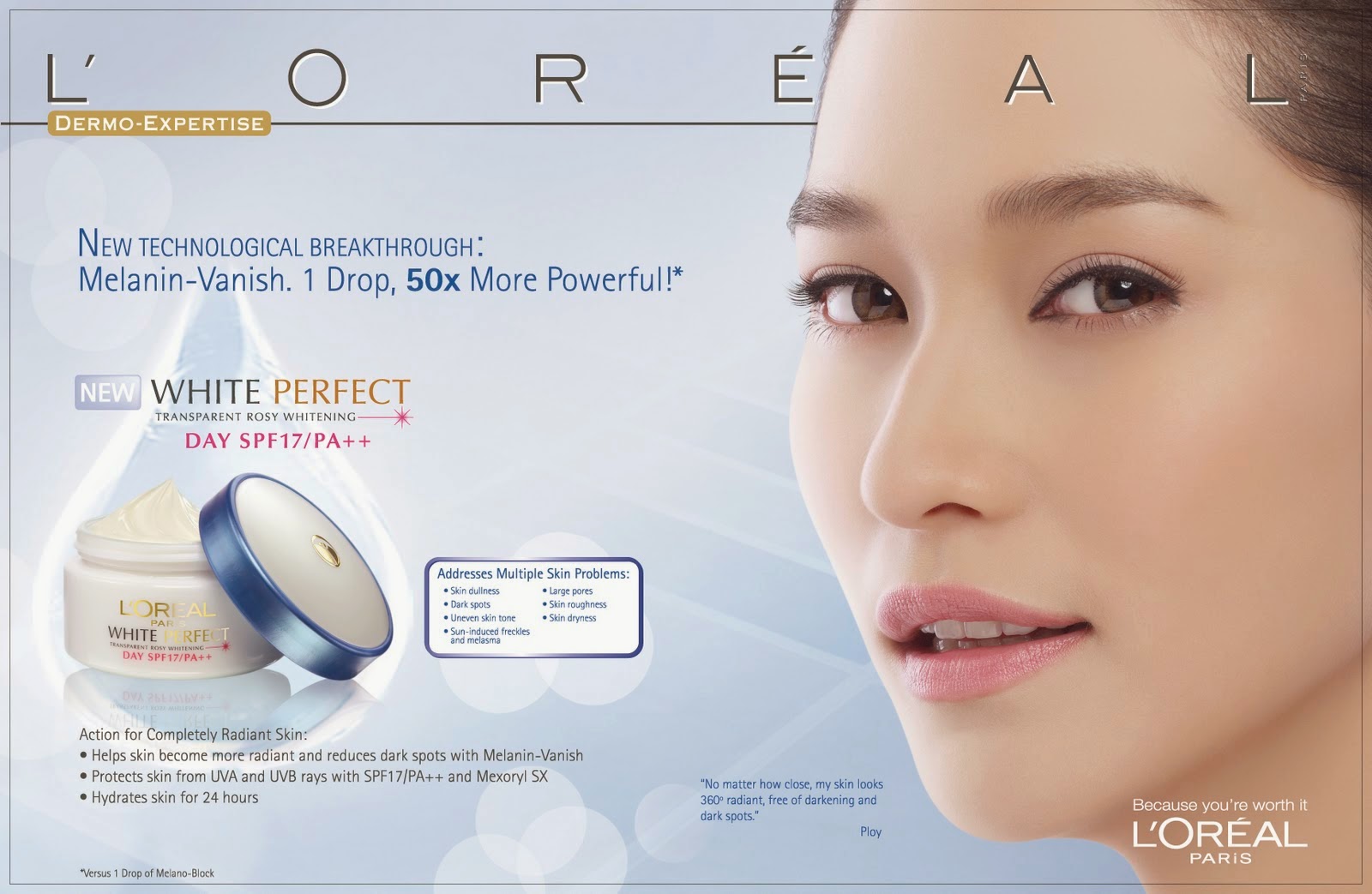
Every country in the world are having different expectations on products, while French people will look for tanning products or anti-aging, Chinese women will desperately try to get whiter skin. You can’t sell the same type of product to the whole world, especially for Cosmetics products.
You need to adapt your message to your customer. While this is no news for marketers, it is paramount to remember one thing: Chinese post 80 and 90 have taken over the cosmetics market and their expectations are very different causing a major change at a very fast pace.
You need to have an articulate digital marketing strategy to circumvent the problem and adapt your products and your brand to this market