

South Korea’s cosmetics industry earned very good profit from the sales in 2016 from China. The overall sales of cosmetics products increases 40% more than from last year. Chinese consumers are bigger spenders on South Korean cosmetics products.

South Korea Cosmetics industry
South Korean cosmetics industry has been raised over the past year and expecting more positive response from Chinese market. Due to Chinese consumer bigger spending power, the overall ratio of sales encouraged to Korean seller and manufacturers to produce quality cosmetics products for Chinese consumers to keep on track sales growth. Chinese are taking interest in grooming and beauty products and in result the manufacturers are getting good profit from Chinese consumer market. Cosmetic industry product specialist says that the response in 2017 will be more as compare to 2016.
Read as well: China K-Beauty market guide
More information about South Korea Cosmetics
- https://cosmeticschinaagency.com/south-korean-beauty-dethroning-western-brands-china/
- https://cosmeticschinaagency.com/korean-brands-surpass-western-brands/
- https://cosmeticschinaagency.com/south-korea-cosmetics-is-overwhelming-china/
- https://cosmeticschinaagency.com/126-korean-cosmetics-products-importation-china/
- https://cosmeticschinaagency.com/china-boosts-korean-cosmetics-sales/
According to data from the Korea International Trade Association, the trade with China helps the investors to earn handsome profit from Chines markets and the exports of skincare and makeup products amounted to US$3.97 billion last year, which is up 44.3 % from US$2.75 billion. This is all due to great interest of Chinese consumers on South Korean cosmetics & Makeup products. The percentage of profit is many times doubled from the 2014 figure of US$1.79 billion. Important thing is to highlight is for Korean investors is that among the export countries, China took up 36.5 percent with US$1.45 billion. This is very good and handsome sharing of South Korean business persons with China and showing great consumption of Korea products in China.
Domestic Approaches and Global Economic Slowdown
Due to global crises and economy slowdown conditions, trade across borders badly effects on buying and selling behaviors. Sometime domestic approaches and efficiencies help investors to take careful initiatives to produce or to manufacture products for specific seasons. Bad economic conditions and fluctuations in currency affects in great sense on global trade. Stake holder takes careful steps to move forward in bad economic conditions and escape their values from unexpected loss. The growth occurred amid not-so-favorable market conditions, such as increasing diplomatic pressure with China over a missile shield and an international economic slowdown. This all greatly impact on overall sales between countries and effects on trade for long times.
The Volume of South Korean Cosmetics Exports
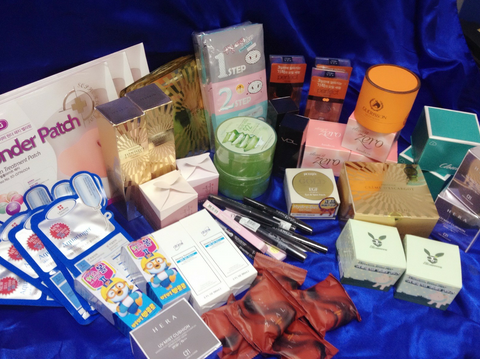
LG Household & Health Care Ltd. played very well role and best performance in last year due to great demand in the cosmetics sector. The targeted amount 6.9 trillion achieved and with operating profit to 880 billion won and the net profit were 579 billion. Cosmetics sale earned very well profit from Chinese markets as compared with previous year sales. The overall reputation of South Korean cosmetics products in all over world has been raised especially from China. China is also preferring to import cosmetics products from Korea and giving full relaxations to sell through online shopping stores or through local agents. Chinese women are showing great spending power to buy quality products from South Korea and fulfilling local demands very well. Korean marketing strategies are tailoring to the groups to invest more in demanding products and creating much opportunities of profit from Chinese women consumer market. In result the major brands and reputed companies of South Korea are thinking to expand their online store network in China and making more strong relationships with other online stores to sell their Korea made cosmetic products via E-0commerce trade network.
Cosmetics Companies in China
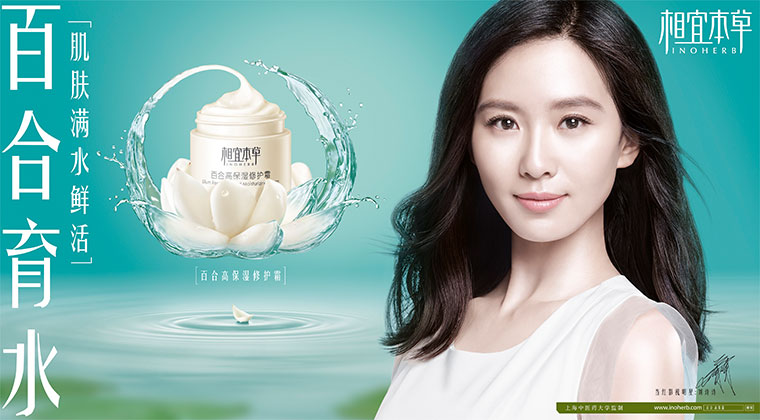
The Chinese are success increasingly attentive in maintaining health and beauty as their income rises. The development pushes the cosmetics market to grow further,” an authorized from the Ministry of Health and Welfare told Yonhap.
Made in Korea
There are numerous cosmetics companies are working in China and producing all quality products for domestic and for international markets but Korean made cosmetic and makeup products have unique identity in China. Lots of Korean marketing specialists takes interests to convey their products messages and features to Chinese people through different sources and convince them to avail the opportunities to use personally or to gift someone special you cares a lot. Korea made cosmetic brands also trying hard to enter Chinese market and want to get positive response from every year by successful marketing plans and positive response from Chinese potential customers. Cosmetic industry in China is active and producing products at large scale to export different countries of the world. South Korean exporters are also expecting positive response from Chinese and other countries to buy their quality cosmetics products for long time usage.
Online Shopping Trends in South Korea and China
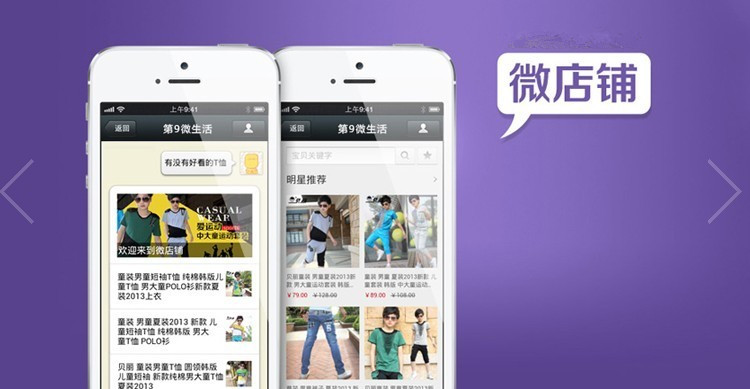
Online shopping trends in South Korea and China have been rose which is helping investors to do more investments to return handsome income. People from both countries prefer to buy online available goods on cheap rates and compare the best product prices to save their time and energy. China ‘consumer market has great demand for foreign investors in many fields. E-commerce has established short relationships to choose anytime any favorite product and pay online instead to visit personally and buy products after great travel. China’s has world’s biggest population which is showing great product consumption power and other collaborations to produce quality products online. Shopping through online shopping stores has been raised due to great buying power and immediate order proceeding facilities.
Domestic Consumption of Cosmetic Products in China
Domestic market of China is very active and strong for Chinese producers and manufacturers. People of China prefers to buy China made products if due to reason its not available then choice of your brand competitors is always there. Domestic consumption of goods have more chances to consume products on low rates and win the hearts and confidence of the people by providing them quality products online.
Chinese consumers are Connected
People of China has great product buying power and creating lots of Ecommerce platforms to market their ideas in domestic market and creating more chances to invest more in in which Chinese government allows. China and South Korea both should take initiatives to launch quality products online and set their future visions to earn well cash from opportunity market in China.
Sources: