
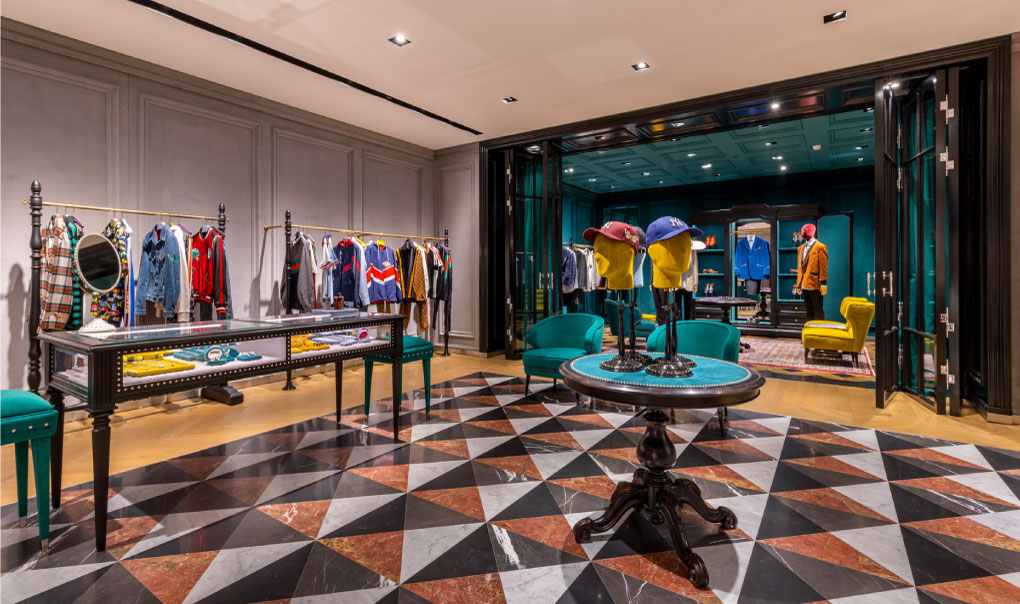
Recently, Luxury brand – Gucci opened a concept store of beauty makeup in Beijing. The store offers a complete set of beauty makeup products and fragrance series products from Gucci. The shop design is luxurious with many elements of the decorum blending into a more industrial structure. Design that fits Gucci’s aesthetic.
Luxury brands are stepping into the Chinese beauty industry
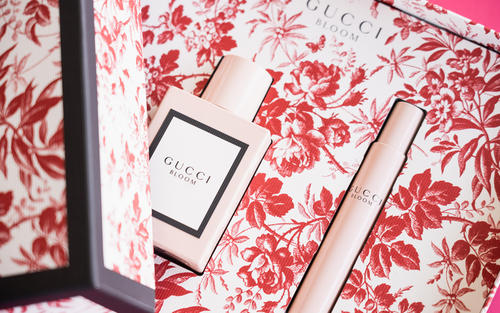
The reason why more and more luxury brands are stepping up their efforts in the beauty industry is that the beauty products are profitable enough to make up for the loss of luxury brands’ market share in bags and clothes. In the future, the Z-generation will dominate the market. This generation prefers unique and personalized products to expensive luxury products. Moreover, environmental values are becoming more predominant with the young and disapproval of bags and clothes made of rare animal fur is growing.
The reason why Gucci has changed its strategy
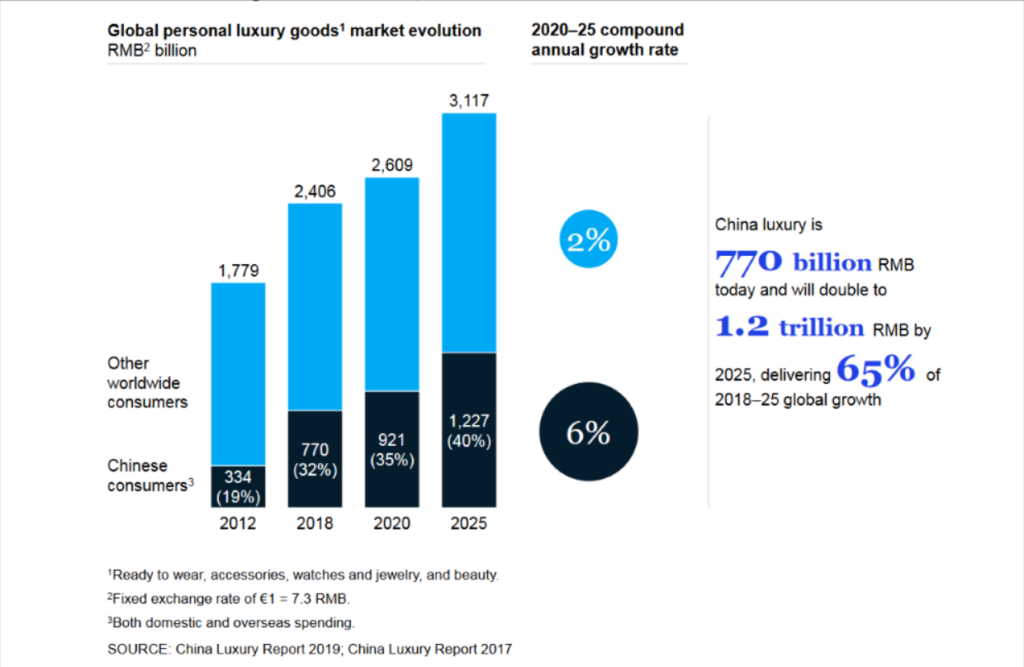
The Canadian investment bank recently released a market survey, according to which 750 Chinese people are more willing to buy products of Chanel, Hermes, LV, Prada, and Dior. Only 30% would consider buying Gucci bags, which ranked sixth. However, in a survey conducted by RBC in April last year, respondents ranked second in their willingness to buy Gucci bags. In a few months, Gucci brand has dropped so much, indicating that Chinese people’s enthusiasm for Gucci is gradually declining.
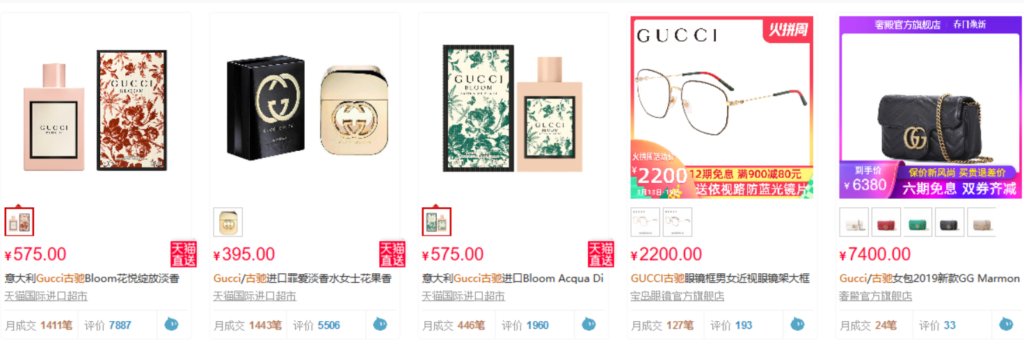
Gucci is gradually aware that beauty makeup is the best way to link the young generation, compared with the luxury bags and clothes, several hundred yuan’s beauty makeup products can be accepted by the public. After luxury brands such as Chanel, YSL and Dior entered the beauty industry and occupied a certain market share, Gucci finally entered the beauty industry.
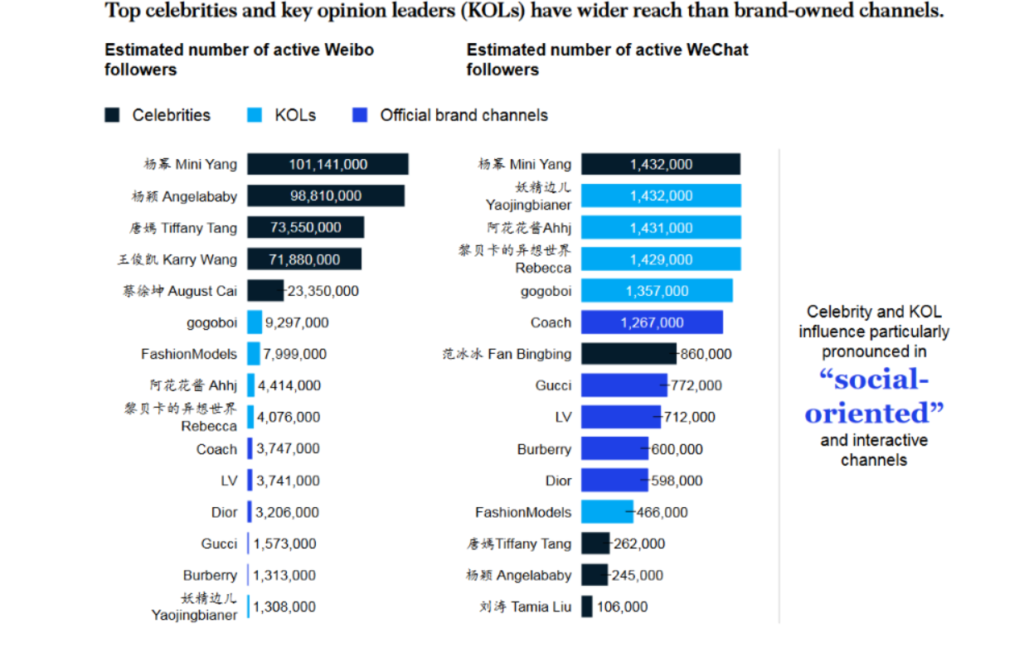
Actually, Gucci has been involved in the beauty industry since 2014, but beauty products were not Gucci’s main business at that time. In 2018, Gucci opened a social media account for beauty makeup, and then officially entered the beauty makeup industry. By opening a concept store and inviting the Chinese KOLs to endorse them, Gucci is trying to seize the mind of young people.
Conclusion of the Gucci Case
The reason why luxury brands are keen on the beauty industry is that the price of beauty products is relatively friendly to the general public, which can form a wide range of consumer groups, thus injecting young power into the brand to increase its competitiveness. According to the authoritative data, the beauty makeup business accounted for 55% of Chanel’s total sales. No wonder so many luxury brands are scrambling to get into the beauty makeup industry.
For luxury brands, although the entry into the beauty industry may have some influence, it is not the most important one. The key is whether luxury brands can create distinctive products that will motivate consumers to pay for them, like Chanel’s NO.5 perfume and YSL lipstick. In this rapidly changing market, brands should be good at insight into the psychology of consumers and seize their attention with new and interesting marketing methods. After all, the core and fundamental competitiveness lie in the product itself.
1 comment
Eddy
Luxury brands can meet a huge success in China. Chinese people are hungry for premium and luxury brands, but also of quality, and this market also asks huge quantities!
Of course, everything is not set for luxury brands, they have to work on their strategy for this specific market as you took for example, Gucci.
We should not forget Dolce&Gabbana that became infamous there because of its clumsy marketing campaign.