
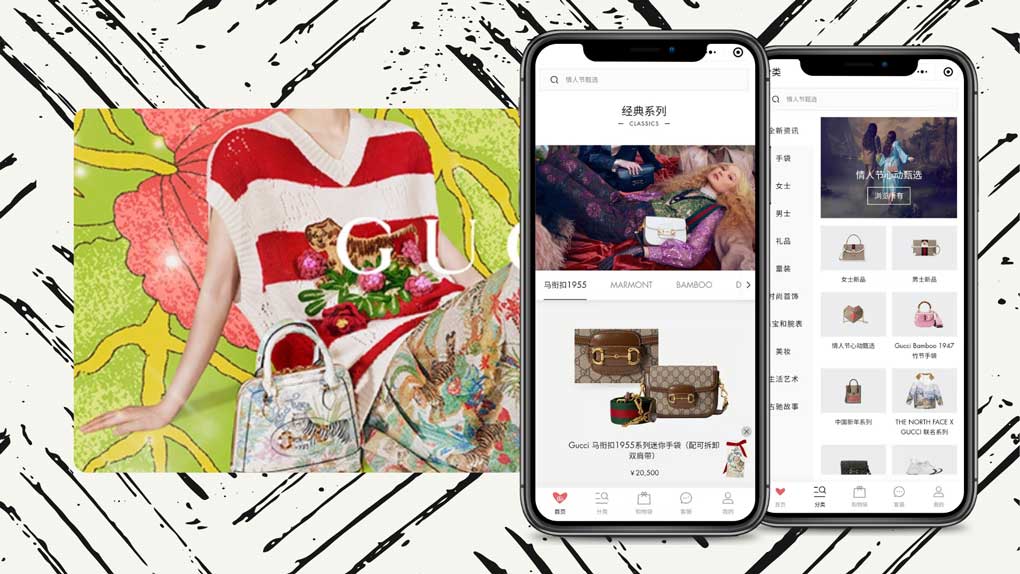
International luxury brands recognize the significance of WeChat in China as an online platform to promote products and services using followers. The official WeChat account allows users to register and offer subscribers various services. WeChat is a top online advertising platform, along with Baidu and Weibo, and luxury brands and marketing companies use it to push campaigns to meet their marketing needs.
In this blog post, we will explore the best practices that luxury brands use on WeChat and how they can increase brand exposure, build customer loyalty and drive sales in China’s lucrative market. Join us as we delve into How Do Luxury Brands Communicate On WeChat?
Overview Of WeChat And Its Significance In China
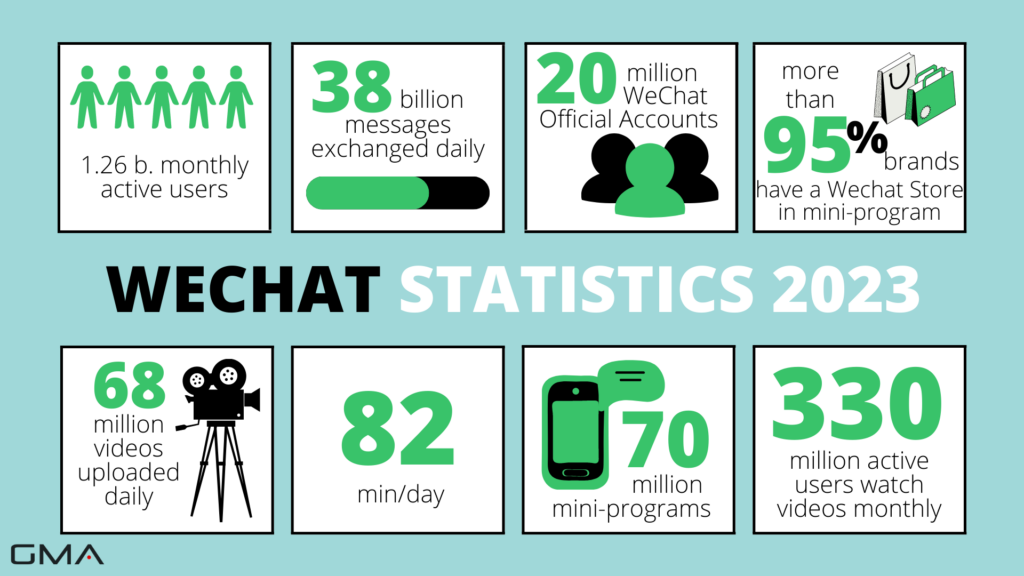
WeChat is a crucial marketing tool for businesses to reach the vast Chinese market, with over a billion monthly users. It offers more than just messaging and social media, with mobile payment and e-commerce features integrated into its framework.
WeChat’s innovative concepts and user-friendly design keep both customers and businesses engaged on the platform. Marketers can create tailored campaigns using WeChat’s features, such as exclusive contests and mini-programs, to appeal to their target audience.
Luxury brands can use WeChat to create memorable experiences for their discerning customers.
Understanding The Chinese Luxury Consumer
Chinese luxury consumers are typically younger, tech-savvy, and highly influenced by social media and peer recommendations.
Demographics And Psychographics Of The Chinese Luxury Consumer
The landscape of high-end consumers in China has evolved dramatically over the years, largely due to rapidly rising disposable household incomes.
In addition to demographic shifts, it’s essential to grasp the psychographic factors driving Chinese luxury buyers. These discerning consumers prioritize personalization, exclusivity, and experiences that align with local customs and sensibilities.
For instance, a growing number of environmentally-aware millennial consumers are seeking out eco-friendly or “green” products from luxury brands as part of their quest for sustainable living.
Consumer Behavior And Preferences In The Luxury Market
Research shows that these affluent individuals prioritize high-end fashion and premium jewelry over luxury leather goods or bags, which differs from their Western counterparts.
Moreover, it’s important to acknowledge that many Chinese consumers are driven by a strong desire for authenticity when purchasing luxury items.
To guarantee the genuineness of such products, they often opt for shopping abroad rather than within their home country.
Key Strategies Used By Luxury Brands On WeChat
Luxury brands on WeChat utilize exclusive contests, personalized promotions, mini-programs, user-generated content, and collaborations with influencers to engage affluent Chinese consumers.
Exclusive Contests And Personalized Promotions
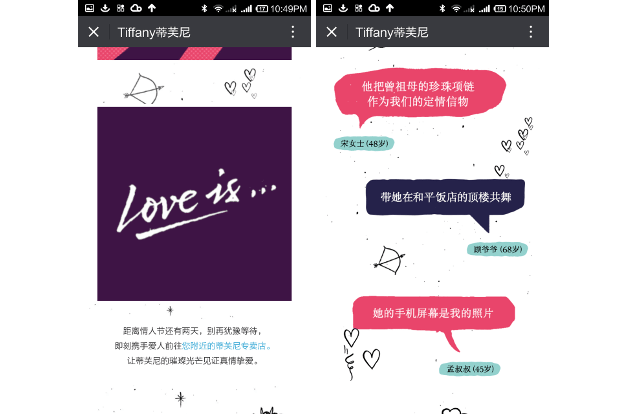
Utilizing exclusive contests and personalized promotions on WeChat can be an effective way to engage with the target audience.
These types of campaigns not only provide incentives for customers to interact with brands but also create a sense of exclusivity that is highly valued by Chinese consumers.
An example of this is when Tiffany & Co launched a social media campaign called “Love Is” where users were encouraged to share their love stories using the hashtag #lovetiffany on WeChat Moments.
Personalized marketing can help luxury brands appeal to their target audience by tailoring promotions and product recommendations based on user data, and building customer relationships and brand loyalty. Exclusive contests and personalized promotions can differentiate brands and engage customers, increasing engagement both online and offline in China’s cities.
Utilizing WeChat’s Mini Programs
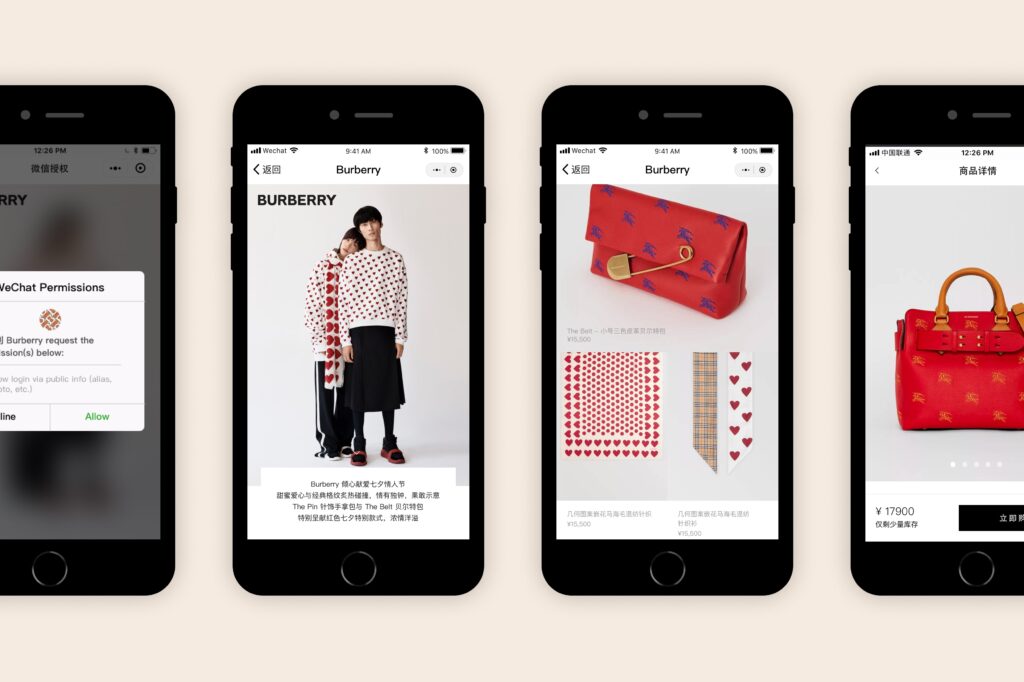
One of the key strategies that luxury brands are utilizing on WeChat is through their mini-programs. These apps provide a unique digital experience for consumers, with gamification, AR/VR, live streaming, cross-border e-commerce, and personalization features to engage Chinese consumers.
Many fashion and luxury brands have several mini-programs from the WeChat store to complement their service accounts. For instance, Burberry has released an app that allows users to explore immersive experiences such as virtual cultural events and tours of its factory in Yorkshire.
Luxury car brands are also leading the way in leveraging WeChat Mini programs to ignite interest and passion in their brand. One example is Porsche’s “Porsche Moment” Mini program which creates personalized video messages for fans based on user data analysis obtained via surveys conducted within this app.
Encouraging User-generated Content
Encouraging user-generated content is a powerful strategy for luxury brands on WeChat. By providing customers with opportunities to share their experiences and create content, luxury brands can promote brand awareness through friends and family.
One effective way to encourage user-generated content is by hosting exclusive contests or promotions that require participants to share photos or videos of themselves using the brand’s products.
This type of interactive marketing encourages engagement from users and provides valuable insights into consumer preferences.
Collaborations With Influencers And KOLs (Key Opinion Leaders)
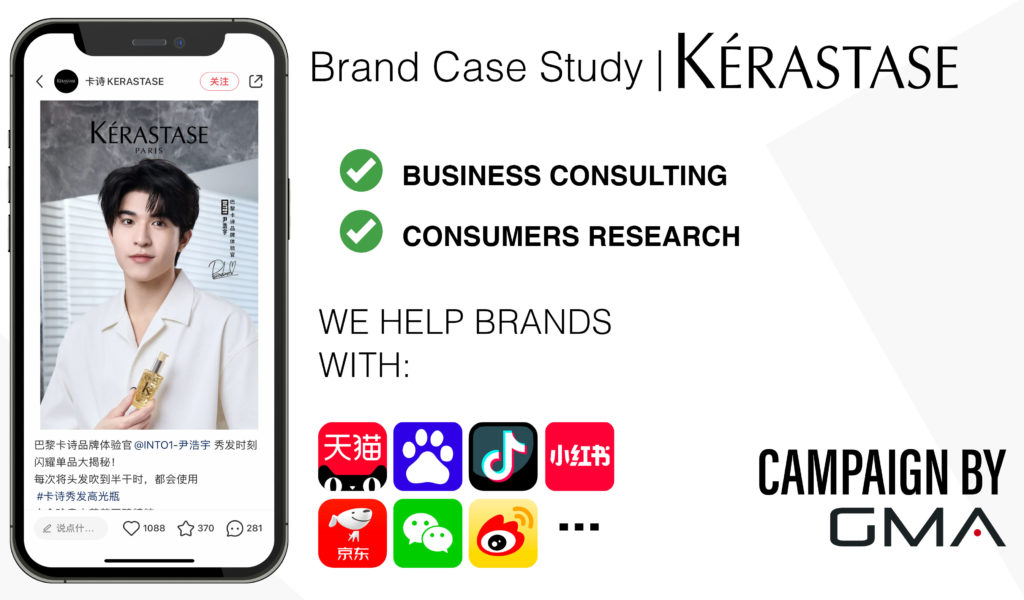
Collaborating with KOLs or Key Opinion Leaders is a crucial strategy that luxury brands employ on WeChat to engage with Chinese consumers. These individuals are often used as brand ambassadors who can craft remote or on-site campaigns to promote luxury brands.
KOL collaborations can be either fee-based or based on other forms of compensation such as free products or services. Through these partnerships, KOLs help create personalized content for specific target audiences and provide valuable feedback to brands.
When choosing KOL partners, it’s essential to ensure that their values match those of the brand and that they resonate well with the target audience while adhering to cultural sensitivities.
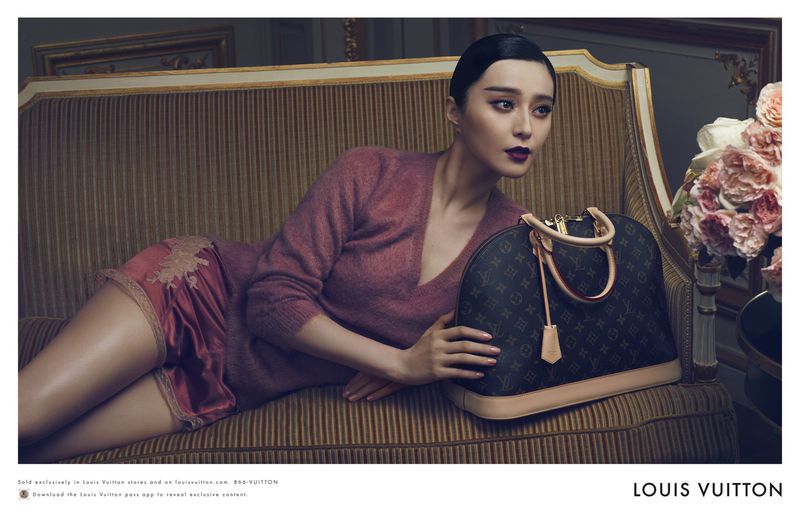
Successful examples of brands using this approach include Louis Vuitton partnering with popular Chinese actress Fan Bingbing, and Gucci collaborating with singer/actress Li Yuchun.
Case Studies Of Successful Luxury Brand Campaigns On WeChat
One innovative campaign was launched by Dior for the release of their limited-edition Lady Dior handbags.
To generate buzz around the launch, they created an interactive mini-program that allowed users to virtually try on and customize the bags in different colors and textures.
Another great example is Burberry’s “Burberry Kisses” campaign, which used augmented reality (AR) technology to let users send virtual kisses via WeChat messages. The AR feature scanned the user’s lips and turned them into an animated kiss that could be sent as a message or shared on social media.
Importance Of WeChat Communication For Luxury Brands In China
WeChat’s communication platform is crucial for luxury brands in China because it guarantees increased brand exposure and engagement with affluent Chinese consumers, provides an opportunity for sales growth, and helps build trust and loyalty.
Increased Brand Exposure And Engagement With Affluent Chinese Consumers

WeChat offers unparalleled opportunities in the Chinese market. With over one billion active users, WeChat provides brands the chance to engage with affluent Chinese consumers on their mobile devices.
By creating personalized campaigns that resonate with Chinese consumer culture, luxury brands can use WeChat mini-programs to engage customers through exclusive promotions and contests.
Additionally, leveraging user-generated content and collaborating with influencers and KOLs can help brands build trust and loyalty among followers on the platform.
With more than 60 million outbound Chinese tourists every year, luxury brands can also use WeChat as a tool for connecting with these travelers both before they leave China and throughout their journeys abroad.
Building Trust And Brand Loyalty
Building trust and brand loyalty is crucial for success in the Chinese market. WeChat provides an excellent platform to do so. One way of achieving this is through the use of loyalty programs on WeChat.
Through these programs, luxury brands can reward customers for their repeat business and incentivize them to make further purchases in the future. In addition to loyalty programs, consistently delivering high-quality customer service via WeChat also helps build trust among Chinese consumers.
Best Practices For Luxury Brands On WeChat
Luxury brands can achieve success on WeChat by focusing on consistent branding, effective audience segmentation, local relevance, and cultural sensitivity, personalized marketing using data analytics, and providing high-quality customer service.
Consistent Branding
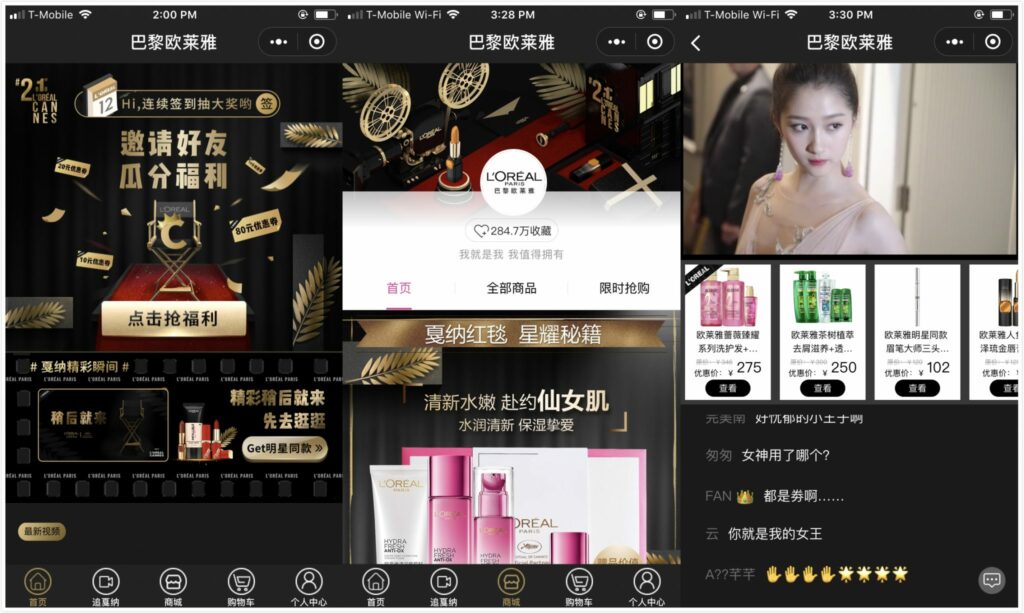
To build a strong brand identity and recognition on WeChat, luxury brands must ensure consistent branding across all platforms. This includes using the same logo, color scheme, and aesthetic.
When creating content or utilizing mini-programs, it’s important to align with existing branding strategy by maintaining a similar tone of voice and visual style.
Consistent branding builds trust with potential customers in the Chinese market and helps with brand awareness.
Understanding And Segmenting The Target Audience
To effectively reach their target audience, luxury brands should analyze their demographic, psychographic, and behavioral characteristics and create personalized content.
They can also use the WeChat Luxury Index 2021 to understand their consumers’ preferences and purchasing behavior. QR codes on products can also help reach potential customers who are not following their brand’s official account on WeChat.
Emphasizing Local Relevance And Cultural Sensitivity
To effectively target an audience in China, it’s important for luxury brands to understand the local culture and customs. This can be achieved by developing a localization strategy that emphasizes cultural sensitivity and local relevance.
Additionally, segmenting the target audience based on demographics, psychographics, and regional differences can help to further emphasize local relevance.
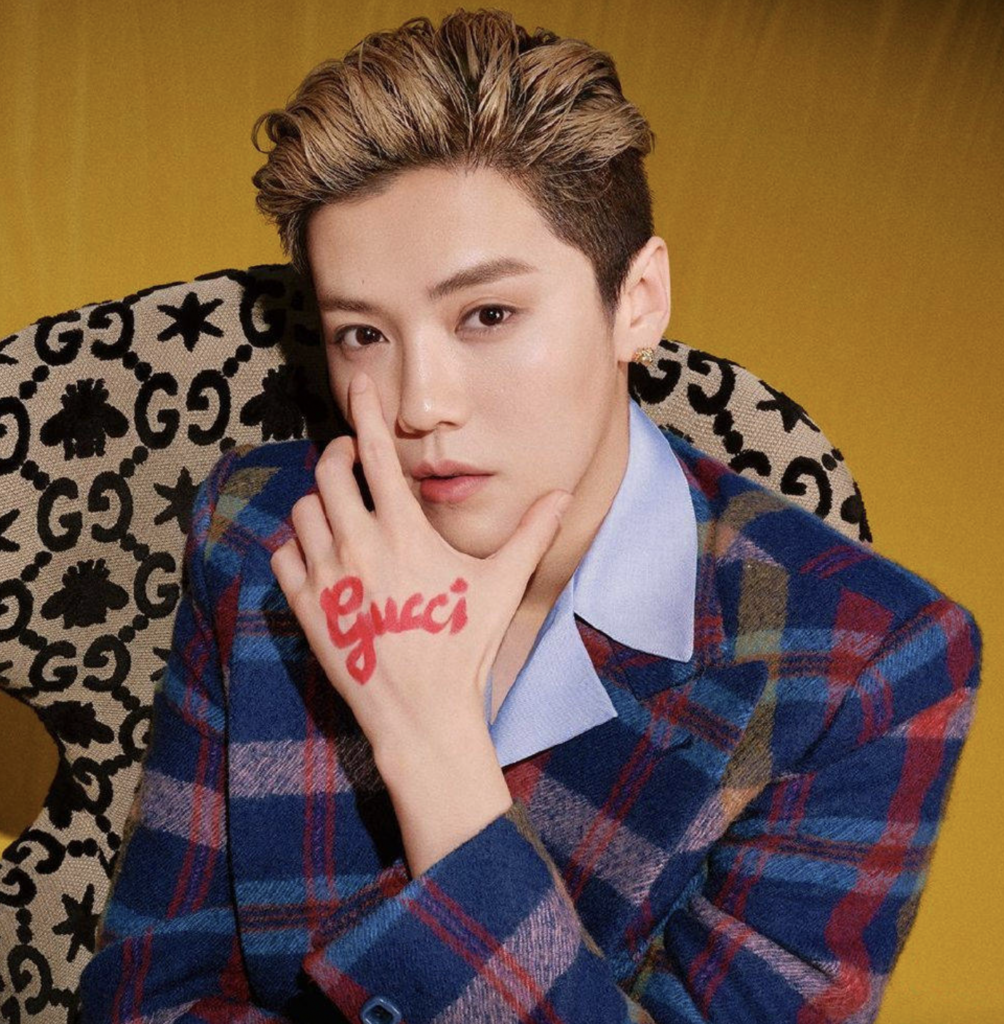
For instance, Gucci’s Lunar New Year campaign with C-pop artist Lu Han is a successful example of a luxury brand implementing a strategy that emphasizes local relevance. The campaign featured traditional red envelopes with Gucci designs, appealing to Chinese consumers during the important holiday period.
By conducting proper research and utilizing segmentation data analytics on WeChat, luxury brands can build long-term relationships with affluent Chinese consumers and increase sales growth opportunities in the market.
Leveraging Data Analytics For Personalized Marketing
Luxury brands on WeChat are utilizing data analytics for personalized marketing, which involves analyzing user behavior and preferences to create targeted campaigns that effectively engage Chinese consumers.
For example, Coach, a fashion brand, successfully launched a campaign by using customer insights gathered from interactions with branded mini-programs. The campaign invited users to complete various tasks to achieve a high score and win prizes, resulting in a significant increase in sales for the company.
Ensuring High-quality Customer Service Through WeChat
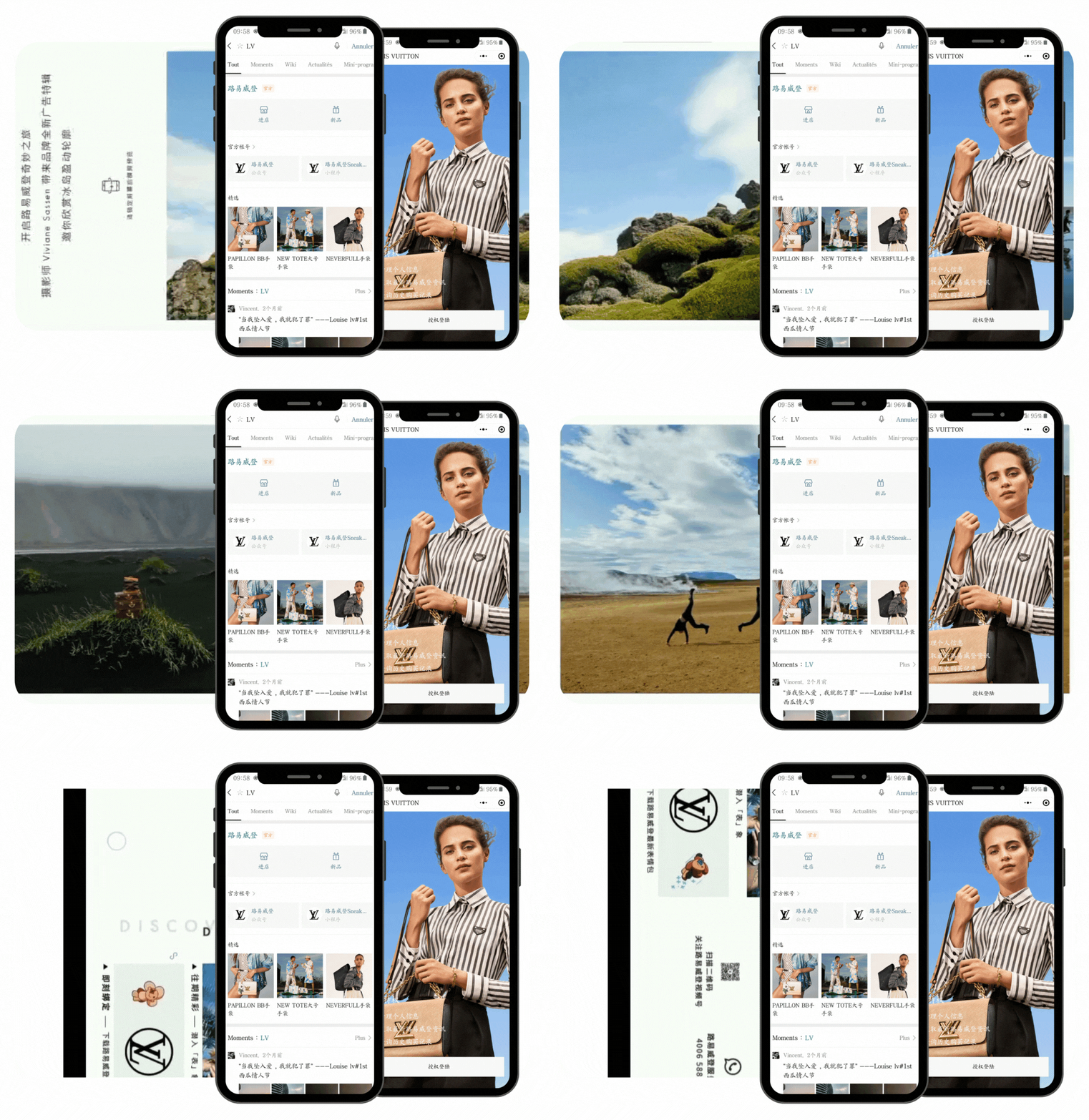
Providing high-quality customer service through WeChat is crucial, which involves responding promptly and professionally to inquiries and complaints from customers on the platform.
Brands can use chatbots or online assistants to help with simple queries and personalize responses based on the customer’s history and preferences. WeChat is now being leveraged by many luxury brands as a tool for online sales and community engagement.
For example, Burberry and Louis Vuitton are using WeChat for online sales and community engagement. Burberry has a mini-program where customers can browse products, order items, and receive personalized recommendations, while Louis Vuitton uses the platform for exclusive content and engagement with followers.
Future Trends And Opportunities For Luxury Brands On WeChat
Luxury brands on WeChat can expect to see future trends, such as the integration of more AI technology, increased use of VR and AR, and even more sophisticated live streaming options.
Emerging Trends In Digital Marketing And Social Commerce On WeChat
As the digital landscape in China continues to shift, emerging trends are shaping the way luxury brands communicate on WeChat. One such trend is the rise of social commerce: leveraging social media platforms like WeChat not just for marketing, but also for direct sales conversions.
Another notable trend is the use of AI-powered chatbots and virtual reality experiences within brand communications on WeChat. Burberry, for example, launched an AR campaign allowing users to virtually try on its new line of sneakers through WeChat’s mini program feature.
Opportunities Presented By Advancements In Technology (e.g., AI, VR, AR)
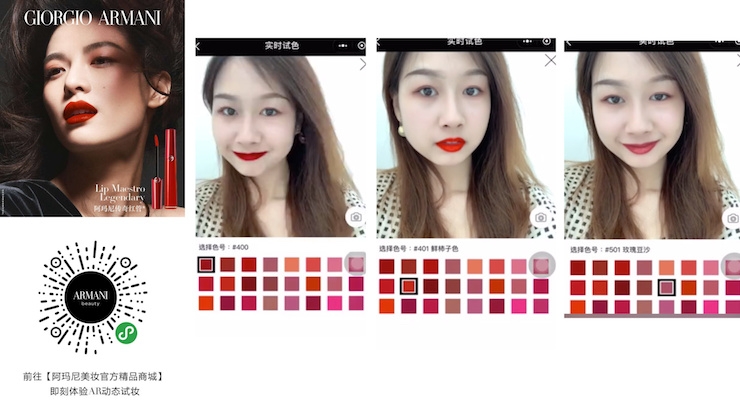
As advancements in technology continue to shape the way businesses and consumers interact, luxury brands on WeChat have the opportunity to leverage these innovations for personalized communication at scale.
Artificial intelligence (AI) has seen significant growth among luxury brands in China, with companies using chatbots and voice-activated assistants to engage customers in unique ways.
Virtual reality (VR) and augmented reality (AR) are also emerging as powerful tools for creating immersive brand experiences that evoke emotion and build deeper connections with users.
For example, some beauty brands are using AR filters on WeChat to allow users to try on makeup virtually before making a purchase decision.
Overall, embracing these trends presents an exciting opportunity for luxury brands looking to provide consumers with innovative experiences while simultaneously increasing engagement and driving sales growth on WeChat.
We can help you to communicate on WeChat! Contact us!
In conclusion, WeChat has proven to be a valuable marketing platform for luxury brands in China, allowing them to engage with affluent customers and increase brand exposure through exclusive contests, personalized promotions, and collaborations with influencers and KOLs.
By leveraging WeChat’s mini-programs and data analytics for personalized marketing, luxury brands can build trust and loyalty with their target audience while also navigating cultural differences, regulations, and brand protection issues.
1 comment
Marco
Great article, in China you have to be smart. For sure