

Kol marketing is crucial for beauty brands in the Chinese market! People don’t buy products; they buy results. In order to enhance a product´s market value, one should direct their initial business focus on identifying and pulling in the ideal customer. This can be done by growing product awareness via social media. Getting millions of views, thousands of reposts and many more comments, likes, and followers would be a great objective for any ambitious brand to have.
Almost 80% of brands say they dedicated budget this year to influencer marketing, according to Relatable’s 2019 State of Influencer Marketing Report. By 2020, an estimated $8 billion is expected to be spent on Instagram influencer marketing alone.
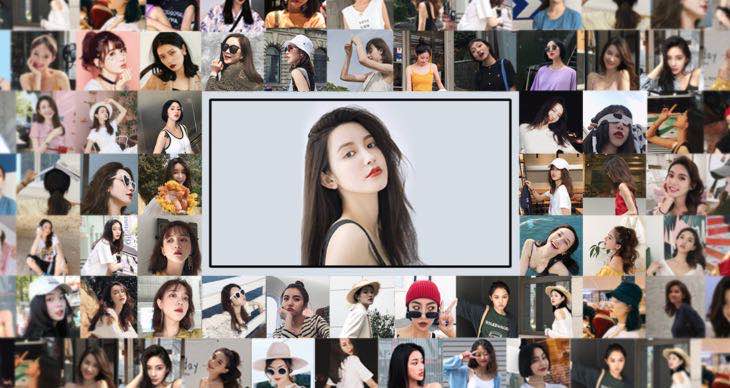
How to Maximize Chinese Influencer ROI.
- The number of impressions for a sponsored post, and de facto the cost per impression: to see how visible the operation has been compared to the budget spent.
- Engagements: to determine the cost per engagement (click, mention, retweet, share, etc.).
- The engagement rate, compared to the average engagement rate for your accounts and the influencer’s account on social networks: this is also proof that followers have shown an interest in the sponsored post. And a good indicator of whether or not the influencer was a good choice.
- Influencer marketing earned media value (EMV): this is the advertising equivalent of your online impressions and engagements. Calculated in advance by each industry, the results of previous influencer campaigns enable you to estimate an advertising ROI, just as you would estimate TV or poster campaigns. The main difference is that the data enables you to ensure you truly reach your target.
How to Measure these results:
- Setting up tracking links, UTMs to bit.ly links. The latter may suffice for direct, immediate shopping processes.
- Buying trends also enable you to observe the effects of a campaign over the hours and days following the sponsored posts.
- Another technique consists of providing influencers with a promotion code. It is then very easy to see whether the campaign has been a success.
Case Study
Elixirs & Co.
In this case study we found that with our company, in one month, we could increase the positioning of Elixirs & Co.’s webpages and interactions through different strategies such as SEO, Weibo campaigns, Wechat campaigns, KOL.
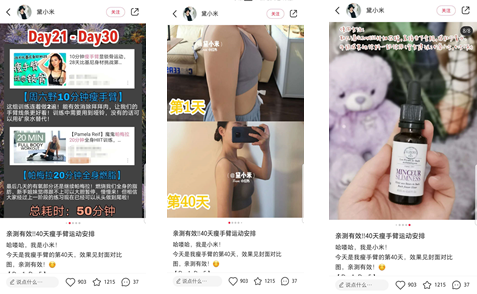
Results with Influencers campaign
Elixir & Co. received thousands of positive feedbacks and many more followers. We asked KOL to post about our brand in order to increase brand awareness and interaction with internet users to promote an increase in sales. The posts received thousands of likes, shares, and positive comments.
- Alternative Channels for Customer Interaction
For the visionary advertiser, the rise of the web-based social networking influencer allows the creation of countless opportunities. It opens up another channel for brands to associate with customers in a large-scale, straightforward, more natural fashion. This is why many see influencer promotion as the next big thing in marketing.
For others, influencer showcasing is fairly new and countless advertisers are still reluctant of interacting with them. They are at risk of being left behind.
Promotion in Social Media
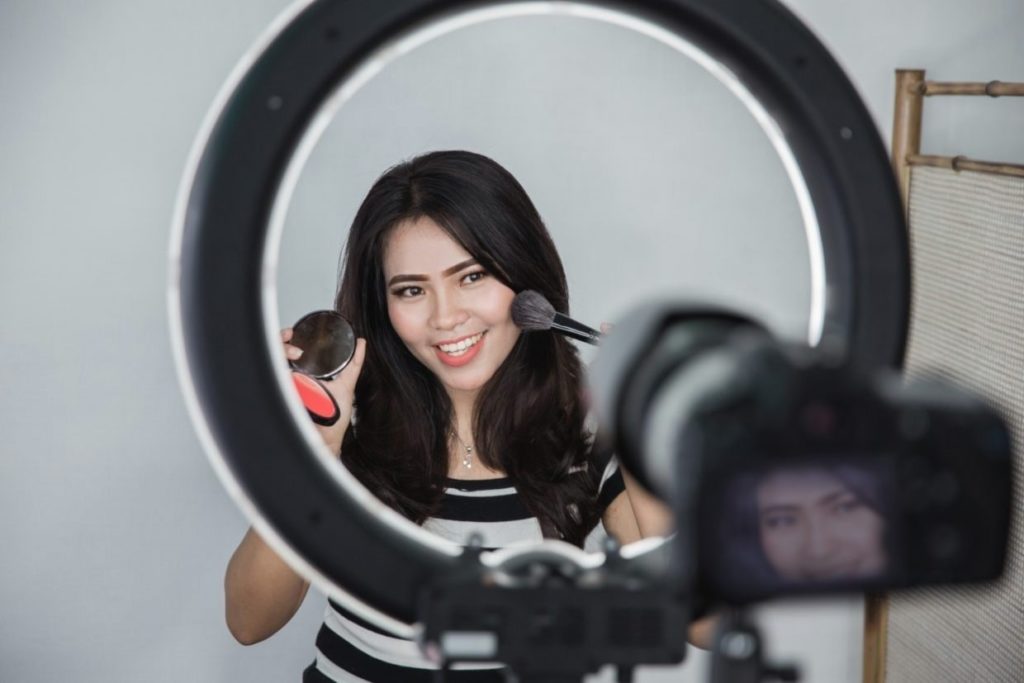
The world has moved to online networking. This isn’t only a contrasting option to traditional media—it’s redefining what media means.
Consumers tend to make up their minds based on commercials they’ve seen or listened to. Today, it’s much easier to interact with different shoppers through web-based social networking. This means that consumers are much more available for targetting than before; implying more opportunities for companies to make larger profits.
KOL vs Ads
As opposed to conventional advertising, KOL advertising tends to be less intrusive, more casual, and more integrated into what the potential customer is doing on a day-to-day basis. Ads typical are placed on fixed locations and may not be seen by everyone.
Individuals who are used to social media expect that brands and companies who are online are more willing to interact with them.
Customers don’t need to be pitched and told what to buy. They need to be enticed into buying a product.
Choosing a KOL Influencer for your campaign
KOL humanizes your brand and gives it a great personality. it also connects yours quickly to a large audience. You need to choose the right KOL for your brand’s image. We can help you find the right one.
As we strive in the digital era, We keep up with the latest trends and the more influential KOL. We carefully choose it for your specific campaign and products. Thanks to our 5 years of experience working with KOL We will give you the best advice to bring your product/ service to the highest awareness in the social media and digital world.