

In recent years there has been a growing interest in organic products around the world. This trend came a little bit more slowly in Asia, especially in China where this label is not necessarily well understood. However, it is becoming more and more attractive and the organic market is steadily growing in China. Especially in the cosmetics market, in which the Chinese are willing to spend more to ensure the quality of the products, especially through e-commerce. China is currently the second largest cosmetics market in the world, and organic/natural beauty is one of its fastest-growing segments. By 2026, the clean beauty segment alone is estimated at over $8 billion, driven by post-pandemic health awareness and a younger generation of Chinese consumers who read ingredient lists.
For brands looking at the bigger picture, our 10 Key Trends of the Chinese Cosmetics Market covers the full landscape in detail. The short version: clean beauty, ingredient transparency, and platform-native content are now table stakes, not differentiators.
Miranda Kerr, the Australian supermodel

The opportunities are big here. More and more international brands are eager to take advantage of them. But while it may seem complicated to set up in such a different country, a famous Victoria’s Secret “angel” showed it was possible. Miranda Kerr, the Australian supermodel, launched her organic cosmetics brand “KORA Organics” in 2009. Constantly wearing heavy makeup, she realized her skin was suffering. After searching for organic and effective products without success, she decided to create her own range. She worked with a lab in Melbourne to develop the formula, and she personally manages the marketing and manufacturing side of the brand.
With KORA, Miranda wanted to convey a philosophy of well-being, of connection between mind, body and skin. This “healthy mind in a healthy body” approach resonates strongly in China. Traditional Chinese philosophy already values harmony with nature and the environment. After repeated health scandals and the global clean-living wave, more and more Chinese consumers have moved toward this philosophy and they are now actively seeking proof of it on the ingredient label.
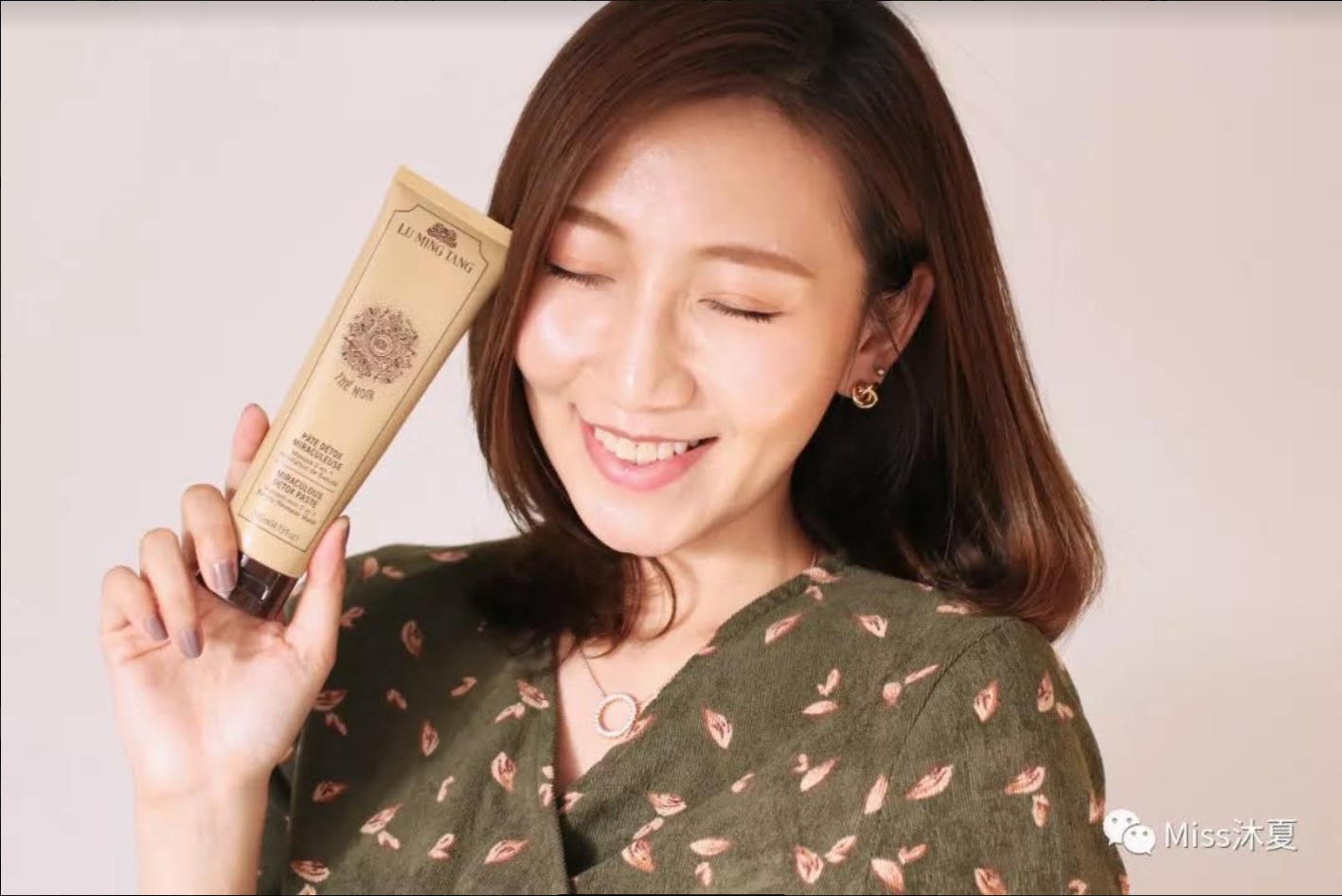
Knowing that cosmetics are on average the third largest source of expenditure for Chinese consumers, the scale of the organic cosmetics market becomes clear. The Korean brand Innisfree proved this early. Its natural cosmetics from Jeju Island built a loyal following in China through consistent green messaging. Innisfree’s success was driven not just by product quality but by strong marketing communication that made the natural origin story tangible and credible to Chinese shoppers. That lesson still applies in 2026.
KORA also plays heavily on the natural positioning of its brand. Products are certified free of toxins, pesticides and synthetic chemicals. All ingredients are natural: rose-hip oil, olive oil, pomegranate, and the flagship ingredient Noni juice. This type of ingredient storytelling is now a core requirement for organic brands entering China, not a bonus.
Tmall: the entry point for foreign cosmetics brands
Miranda Kerr understood the importance of the Chinese market early. She live-streamed the opening of her first Tmall store in front of more than 200,000 viewers. Tmall is a Chinese e-commerce platform operated by the Alibaba Group. In 2026, it counts over 900 million annual active users across the Alibaba ecosystem, making it one of the largest e-commerce platforms on the planet. It remains one of the most effective ways for a foreign brand to sell in China, Hong Kong, Macao and Taiwan. Working with a Tmall Partner Agency for Beauty Brands significantly shortens the setup time and reduces the risk of costly compliance errors.


