

Panda used as an efficient marketing tool
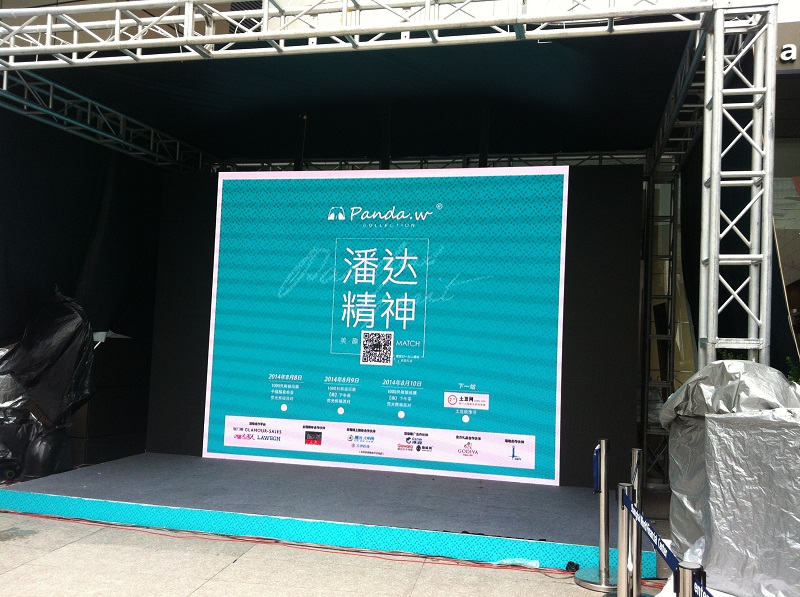
This Sunday August 10th was held a promotion event set up by a British cosmetic brand called « Panda.w ». This event was held in front of a luxury shopping mall at the economic centre of Shanghai, not far from the pearl tower. In this place, a lot of travellers and rich Chinese come and visit to stroll or buy luxury brands. Given how Panda.w positions itself and its price, it is a well chosen place.
Case study analysis
This event that attracted a lot of people included several parts that together demonstrate how efficient a well-designed digital marketing campaign can be.
First, there were announcements made on Douban and similar websites about this event highlighting the fact that it was free and related to Pandas, two things most appealing to Chinese. Why? Well the first is rather obvious, Chinese people are always looking for the best deals and always try to bargain, so if something is free it’s rather tempting to go and take a look at this event.
Second the panda-themed event : Panda is one of the national treasures of China and is loved by all Chinese. You only have to see the scores of people going to Sichuan to see the Panda park and its panda nursery there!
How was built this event?
First the on-line to off-line (O2O) part with several publications on websites such as Douban, as stated above where information about events happening around Shanghai is posted. The brand itself posted the dates and content of the event to attract more fans of the brand of course.
Once the people are attracted through on-line means they are put in contact with a variety of advertisement.
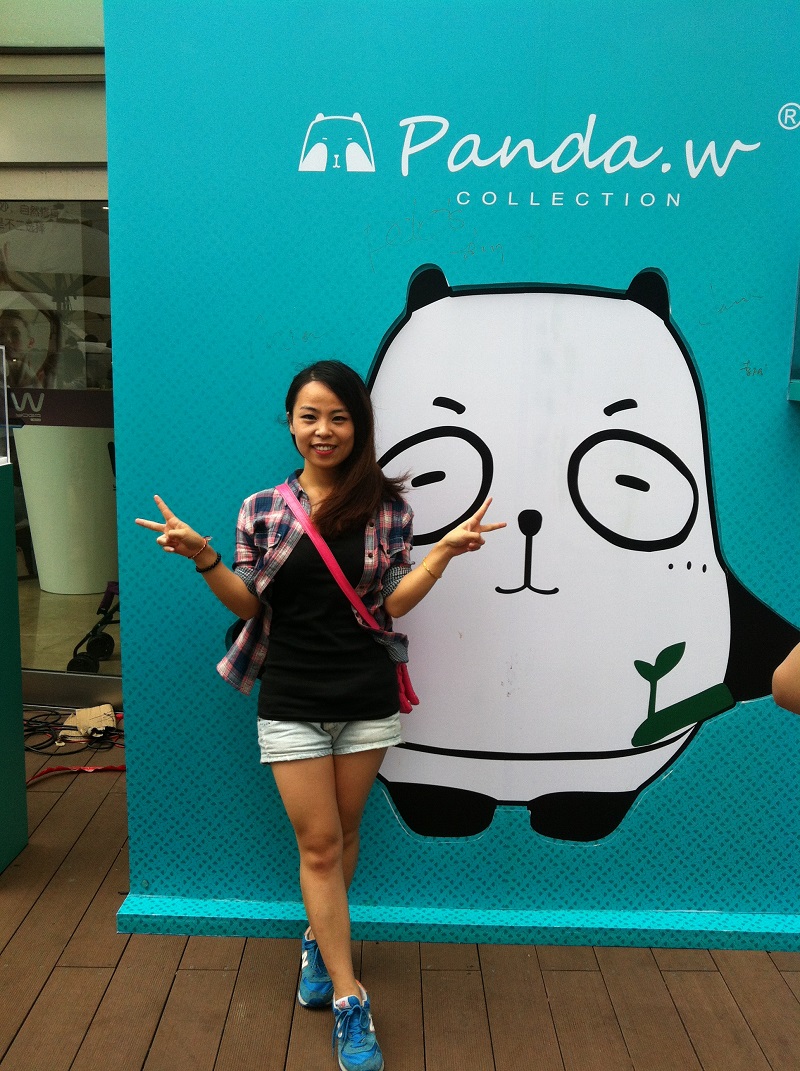
First the panda ambiance do not give too much of an impression of a sales event. The smiling pandas, as you can see below aim at put the visitor in a happy state of mind in order to have him dare try new products. Indeed, rule of thumb : if you can change the mind of your customer into a more open mind you already have him half way into buying something.
The panda elements were :
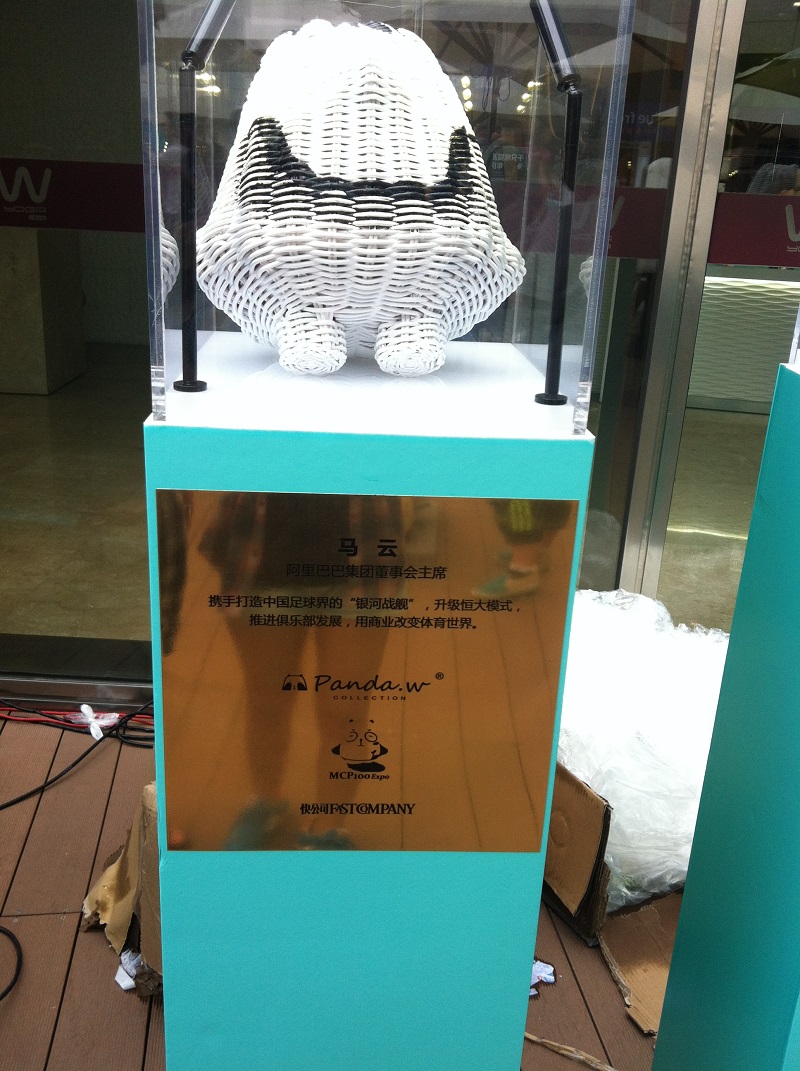
Multiple Panda inflatable statues and panda posters, small and big that visitors would enjoy taking pictures of or taking pictures with.
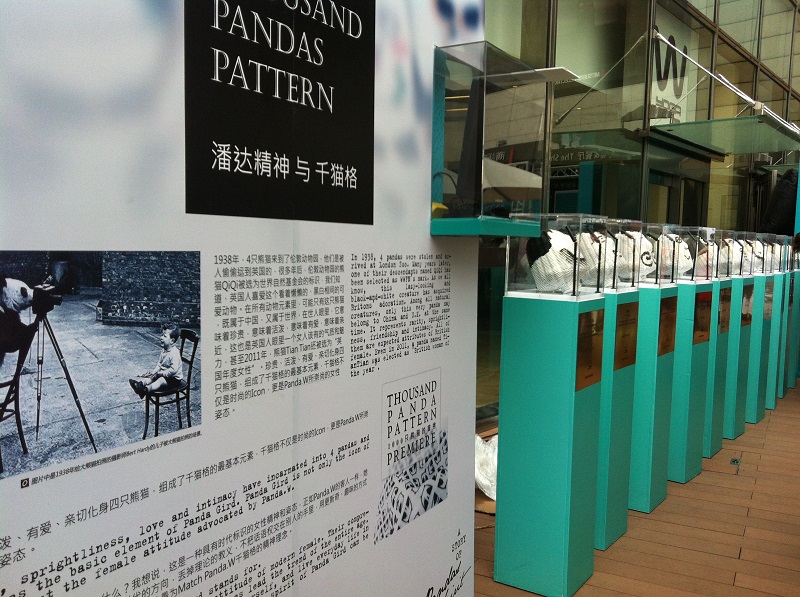
Past history about panda, about how two stolen pandas disappeared from a zoo in China to be found later in a British zoo and how this contributed to the improvement of British-Chinese relationships. This story ends on a very emotional touch by insisting on emotional values to clearly state where it wants to lead us
Once the background is set, you have posters with
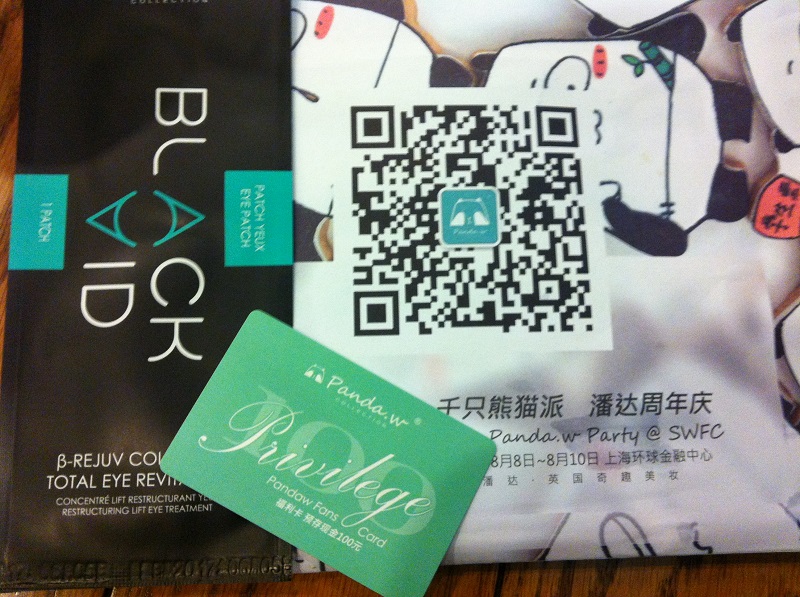
- QR codes to register to the brand official Wechat account
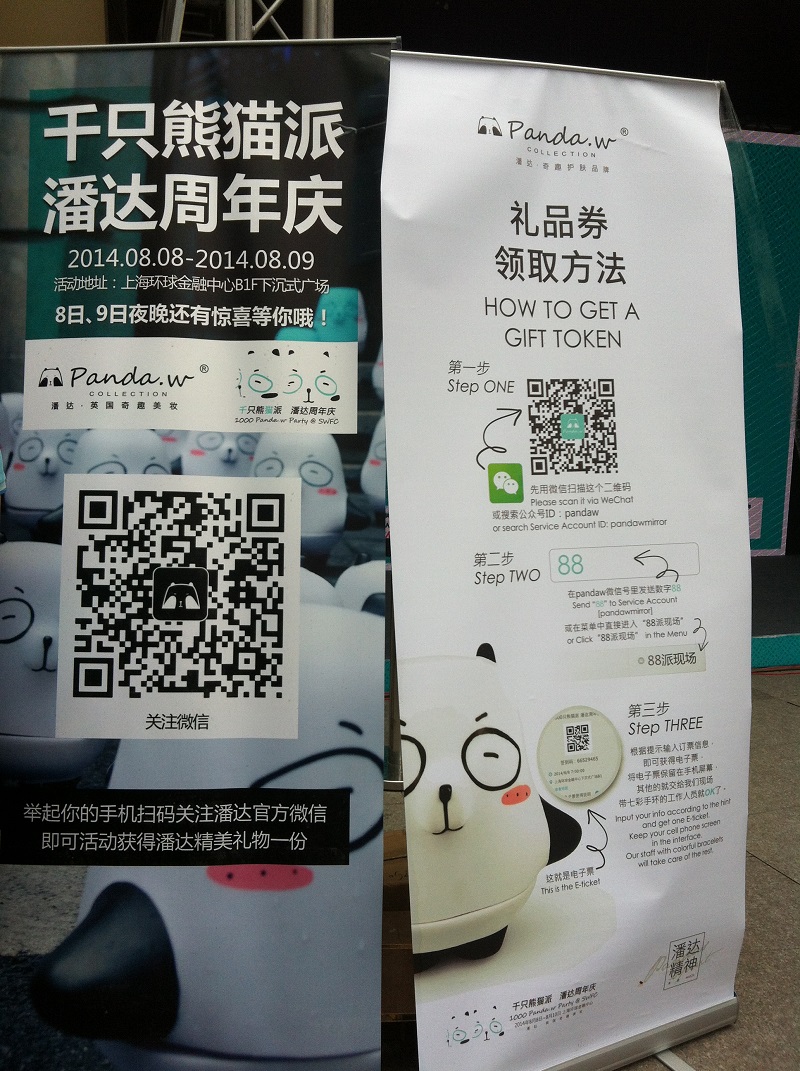
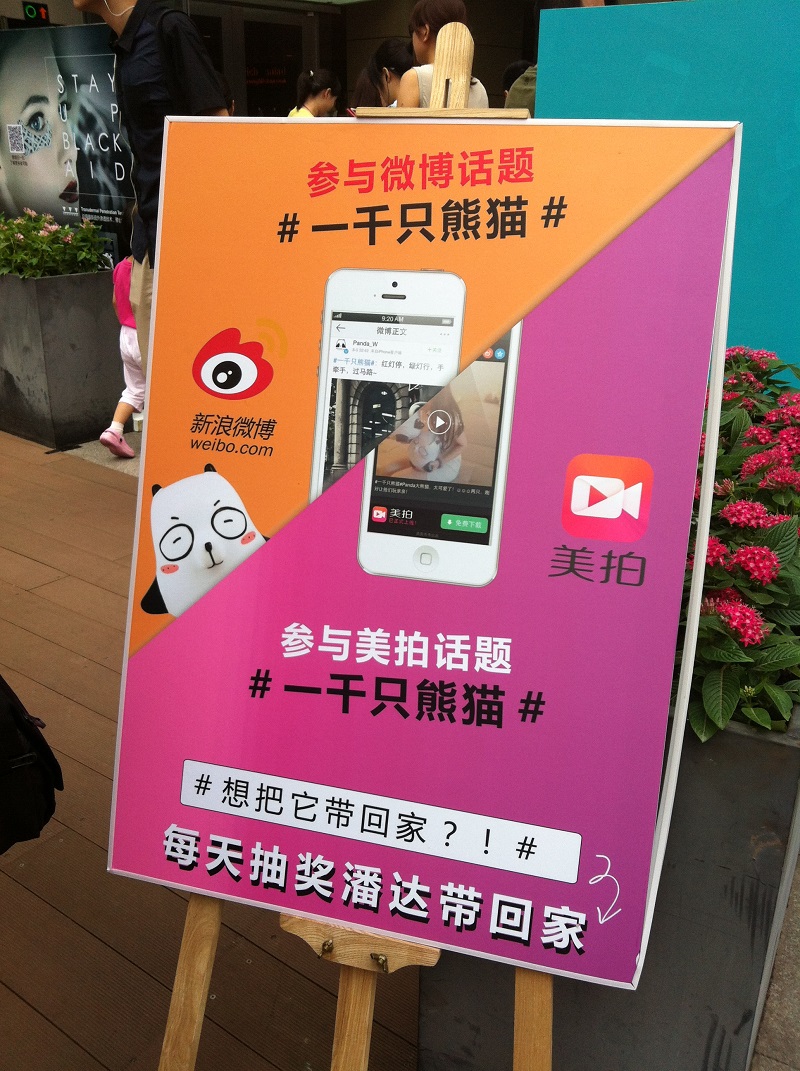
- Official Weibo brand account to follow the latest news about the firm
How do they acquire new customer and not just fans?
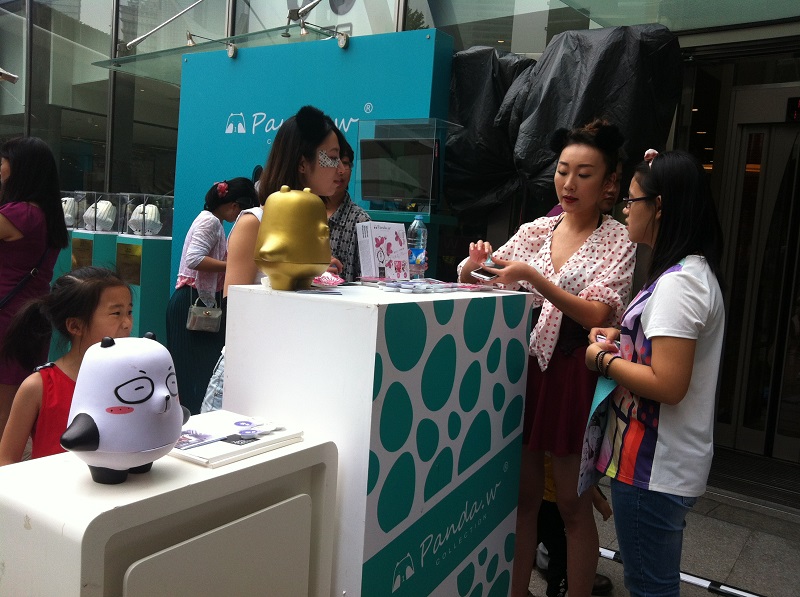
Indeed, social networks are great to acquire fans and followers but you need to bring it a little further if you want to bring in new customers. Chinese customers, here mostly women, like to know how to best use the cosmetics they are about to buy, especially since they are very much into personal branding (taking ages to get THE perfect picture so that they look very beautiful on their Weibo or Weixin would be a good example). In order to answer this need there are several pretty saleswomen dressed in panda-like outfits showing their potential customers the benefits of their cosmetics as well as how to use them.
Free sampling and advertisement of the brand Tmall shop for a lasting impression
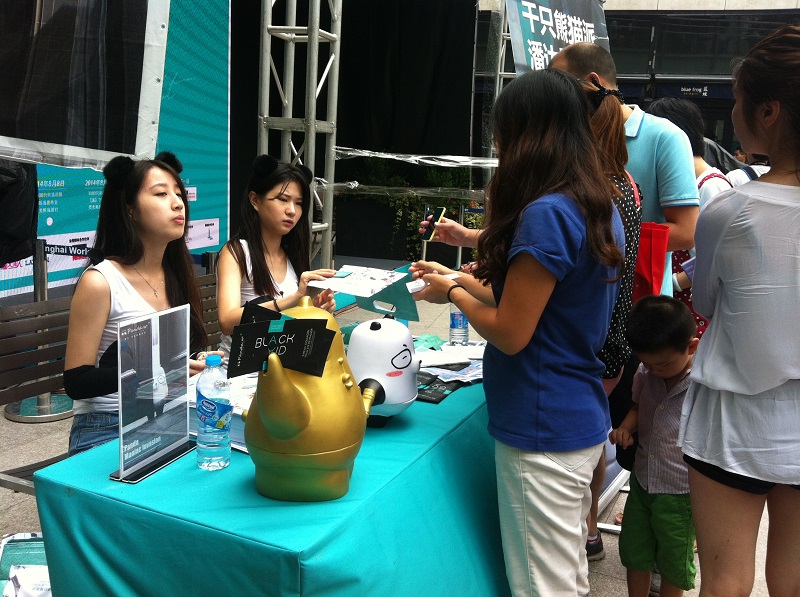
After the customers have scanned the brand QR code they receive free samples from the employee as well as a coupon that allows them to have discounted goods on-line. This is a well-crafted marketing strategy that plays on Chinese culture and way of living on many levels such as :
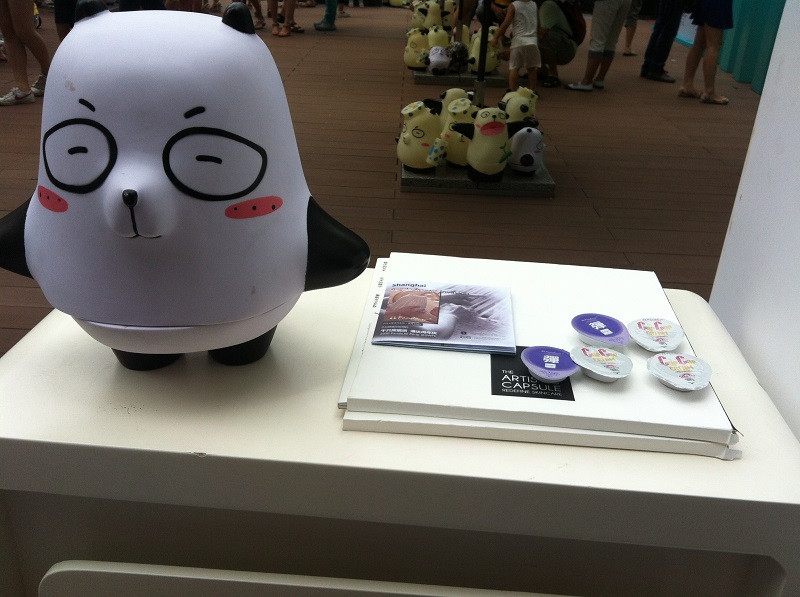
- Chinese like taking pictures, which means that if they take pictures of themselves with the elements of the event they will also spread the word about the brand. This will result in an improvement of the brand awareness
- Pandas are national treasures,
- Giving your customers personal experiences will mean that they will indirectly remember you as well
- Allowing them to know how to properly use the brand products means that they are much more likely to buy your goods since people like what they know.
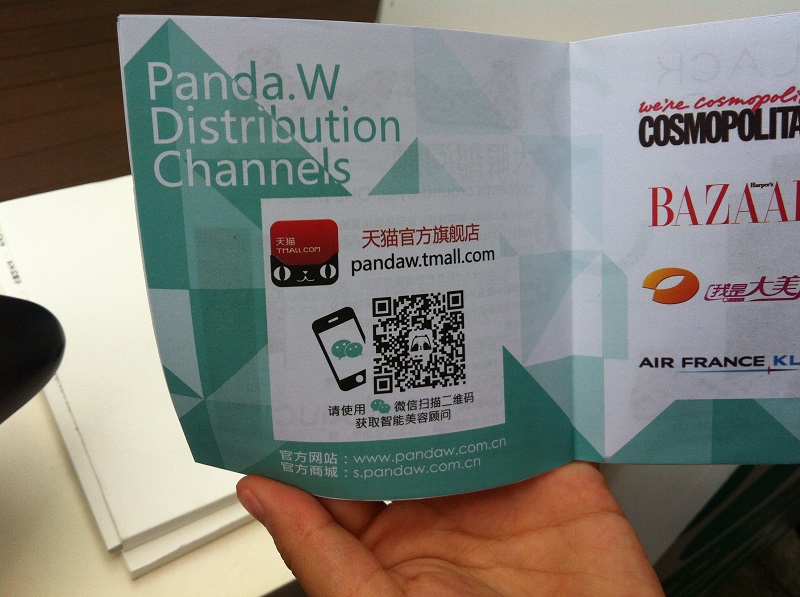
When you check them on-line the brand products are rather expensive showing that the brand position itself as an average + cosmetics brand rather than truly mass market. The location of the event supports this claim.
1 comment
Zoe Zhang
Hello, I found the article very clever and funny! The panda is a Chinese symbol and moreover, it’s a kawaii and cute animal that can represent a funny égérie for beauty brands targeting young millennials consumers in China. Panda-based marketing is working!