

With an increased awareness on hygiene and healthy living habits of Chinese the personal and beauty care (soaps, shampoo, etc.) industry is expected to grow at 8% for the next five years. The increased disposable incomes and many forms of products offering comfort, convenience and health also contribute to the growth, the revenues from sales are expected to touch $28.2 billion in the year 2014.
The personal and beauty care industry in china is dominated by players such as unilever, Proctor & Gamble, Liby group and Nice Group. These companies contribute close to 44% of industry revenues showing their dominance in the industry. It is also observed that the industry as a whole grows at a lesser rate than these four companies.
Though, foreign brands are going strong the domestic players are trying to capture a share of this huge market. For example in the beauty care segment dominated by L’Oreal, domestic companies such as Shanghai Jahwa United with a better understanding of the tastes, and preferences of Chinese consumers are developing products that Chinese consumers are showing great interest in. To prove this point, Jahwa using traditional Chinese practises of medicine and herbal in developing their products, such as “Herborist” has gained prominence with Chinese consumers.
The domestic players using traditional Chinese practices in manufacturing of various beauty and personal care products have found huge fanfare, and loyal customers in Chinese market. This poses a serious threat to the current dominance of global, and foreign brands. Analysts’ predict that the competition between domestic and foreign players in Chinese market is going to be tough in the coming years.
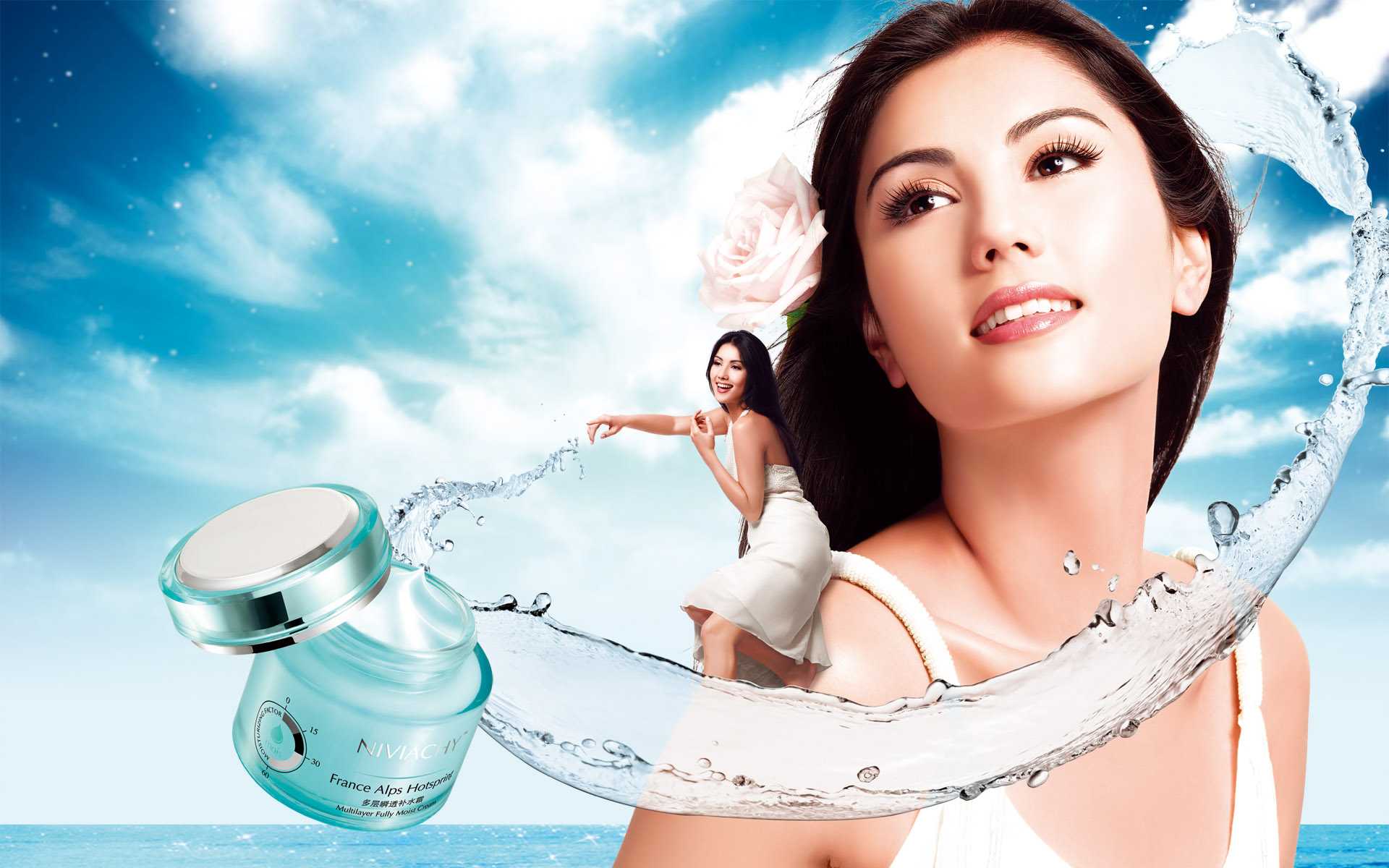
Global companies to retain their position as leading market players have adopted strategies’ such as “acquire-to-grow” in China. Foreign companies are trying to acquire local brands, leaders in the market to gain a better understanding of the Chinese taste, and preferences and also get a ready market for their products. Recently, L’Oreal acquired Magic Holdings, leader in beauty care products with a 14% growth rate in 2013.
Many foreign companies are also setting up research and production centres’ in China to develop products using traditional Chinese methods. The products are being developed using raw-materials like “ginseng” derived from traditional Chinese plants.
The key to success in Chinese market according to analysts’ is apart from using traditional practices it is also important to understand the Chinese attitude, taste and preferences’. The new generation of Chinese are more experimental, and are willing to try different products switching loyalties. They pay attention to detail look for value in the products, the composition, ingredients’ used, their advantages and side-effects, etc. there is an increased awareness among the youth, added to it is the wide range of options available.
More information on :
Finally, trust is a very important issue. Not many people would like to buy beauty products online, as shopping in a store they get a chance to test the product before they can buy. Online purchases’ also carry a threat of counterfeit products being delivered. Though, buying on reputed online stores such as Tmall, ensures quality and customers can be sure of it.
4 comments
Kate
Hi! Good one congrats, do you know where I can find the top 5 or top 10 most influential cosmetics brands in China please?
Dolores Admin
Actually here is a complete post on the topic Top leading Cosmetics Brands in China and full strategy analysis 😉
Shalom
How are you, I spent the last couple of hours searching for information about the Chinese Market
I came accross yesterday, but your point of view, really hits it home for me. it is a really big market full of opportunities for sure.
Good read. Thank you!
Keep up the really good work… Shalom.