
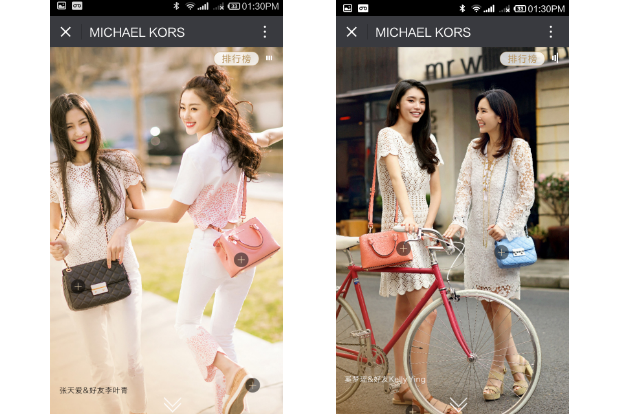
Key Opinion Leaders (KOLs) allude to persuasive open figures, whom individuals see as specialists in specific fields and are educated on numerous subjects. As they are extremely mainstream in China, they are a capable promoting instrument for brands. With their help, they can impact huge groups and achieve thousands or even a large number of potential clients. Chinese site topklout.com has made a record of the most influential Key Opinion Leaders (KOL).
KOL / influencers in China
What they call their “TOP100 Red List” depends on information recovered from six web-based social networking destinations:
Sina Weibo

One of the principal online networking stages in China. Made in 2007, it presently has more than 100 million everyday clients. You can characterize it as a blend of Facebook and Twitter, Chinese individuals are completely dependent on this miniaturized scale blogging administration.
WeChat (called Weixin in Chinese)
One of the best-known and most utilized informal organizations in China. It is much the same as a mix of WhatsApp and Facebook with the expansion of various capacities (QR Codes, and so on.). WeChat has around 750 million every day dynamic clients/users
Toutiao (truly: “Features”)
A news and data versatile application that prescribes customized data to clients in view of computerized reasoning innovation and information mining. In January 2017, Toutiao has more than 175 million month-to-month dynamic clients.
Meipai

A Chinese video-sharing application. Meipai gives clients a chance to shoot, alter, and share 10-second recordings, similar to the previous application Vine. The administration was propelled in late 2013 with assistance from Sina Weibo. Meipai has 70 million day by day dynamic clients.
Youku

A Chinese online video and spilling stage that pulls in 500 million dynamic month-to-month clients.
Baidu
The primary web crawler organization in China. It offers distinctive administrations (picture seek, Baidu Baike, and so forth.). Baidu has 660 million month-to-month dynamic clients.
Here are some tips to investigates KOL in the China.
Go for Expressive Relationship
Maybe most vital is for extravagance brands to grow genuine associations with their favored Wechat, Weibo KOLs, similarly that they would with authority mark ministers. Set aside opportunities to meet them, interface with them, and instruct them about the brand. Make them begin to look all starry-eyed at it. Take a gander at your relationship as a long-haul one instead of a “one online post” one.
Targeted inquiries
Before doing anything, the key is first to pose a couple of inquiries: what is the target of drawing in a KOL? What might achievement resemble? Is it accurate to say that you are searching for brand mindfulness, for deals, or notwithstanding for an adjustment in situating? Any brand ought to tread precisely with KOLs, not simply extravagance brands. Consider the way that many top KOLs will embrace an alternate brand every day of the week – do we truly trust that their adherents will rush to stores and buy accordingly? In the extravagance space, a considerable measure of shoppers is exceptionally insightful. They watch and take after KOLs yet will likewise depend on companions and media for data and exhortation.
Think Out Of Box
Huge extravagant brands with profound pockets have been utilizing KOLs in China for quite a while. It’s anything but difficult to perceive any reason why! With a huge number of devotees, it’s enticing to pay out a considerable measure of cash for direct access to such a tremendous gathering of people. Be that as it may, brands can apparently pick up significantly more incentives by concentrating on a more focused gathering of people. Smaller-scale influencers or grassroots KOLs may have fewer adherents, yet those supporters are regularly more steadfast and receptive to the KOL’s impact, making them an impeccable station for brands hoping to hit a particular specialty gathering of people. Regardless of whether for craftsmanship, culture, form, fine wine, extravagance travel, business, enterprise, society, sustenance, or travel, ensure you look into the privileged of miniaturized scale influencers for your image!
Pick the Right KOLs
This is the trickiest part and there is no enchantment arrangement. For extravagance marks, the huge KOLs will bring brisk mindfulness, however now and again the most intriguing KOLs are the believable ones, the not only “acclaimed for being celebrated” ones. Brands need to pick KOLs that are learned and regarded for working with the best in class. Thusly they can draw in faithful clients for the brand, and their posts are more trustworthy than the KOLs who post around 20 unique brands each week.
Further Reading:
Top PR Agency in China: Media, Influencers, KOL, Stars
1 comment
Richard Goldberg
I have directed and taught in the most successful state-funded college preparation program in Massachusetts, USA.
I am now sharing the secrets of US college success with people in China through online English tutoring using WeChat.