

According to data from Euromonitor, the total retail sales of skincare products and make-up products in China reached RMB169.1 billion and RMB28.3 billion respectively in 2017, achieving year-on-year growth of 5% and 12% respectively. The cosmetics sector on the Chinese mainland has been growing at a fast pace along with the rapid development of the Chinese economy in recent years. The advantage to target this market in China is that it has always offered good results and consumers keep to spend in it (even increase their expense). The inconvenient is that there are a lot of competitors and what makes the difference is the way you market your brand.
Overview of China’s cosmetic market
Chinese women care a lot about their appearance. They are numerous to spend a lot of time on skincare and make-up. According to a HKTDC research, Skincare products represent the fastest growing sector in the cosmetics market. Consumers favor major international brand skincare products, and spending habits are switching from price-focused to quality and brand driven.
Also, Chinese women have over the years, gradually formed the habit of putting make-up. The main consumer groups for make-up products are the post-80s and post-90s generations, who value the appearance and trendiness of the products, and are highly sensitive of product updates. The market is far to be saturated, particularly for enhancement items, such as color correcting (CC) and blemish balm (BB) cream. Sales of eye make-up products recorded significant growth in recent years.
We also notice that Chinese people are increasingly using plastic surgery to enhance their beauty and feel better. They became more independent in making decisions, with higher volunteer to beautify themselves.
How to market your cosmetic product in China ?
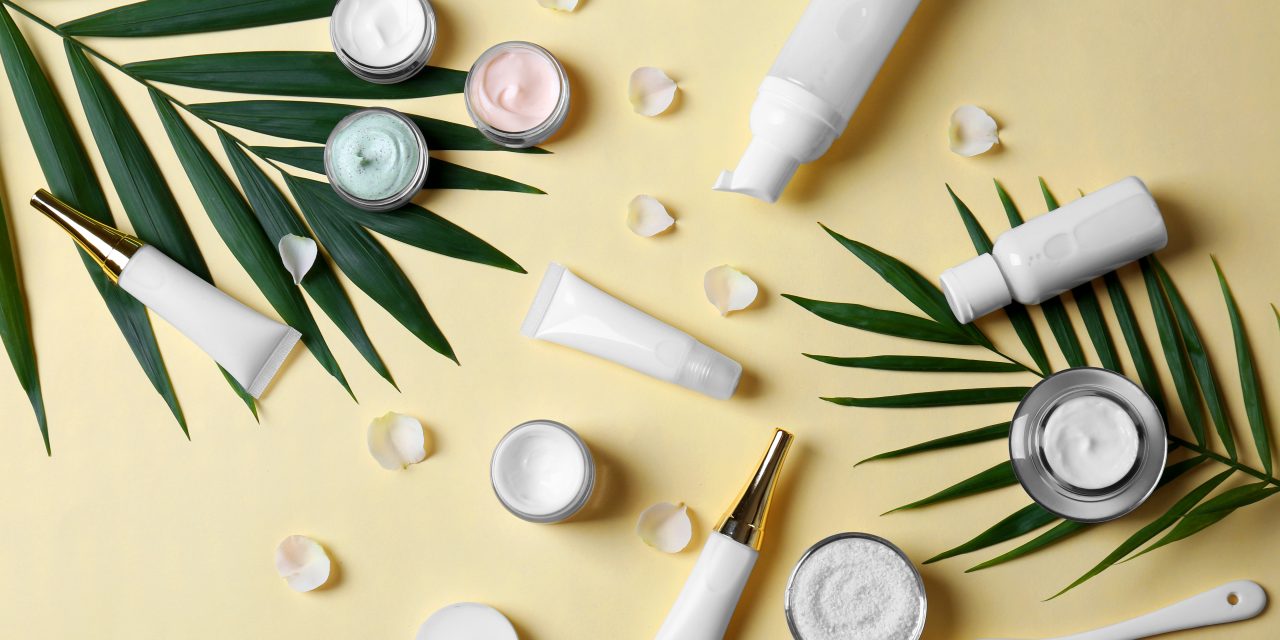
China is a digitalized society and marketing to China can be quite different than marketing in European countries for example. Instead of being influenced by advertising or promotional campaigns, they gather information through different channels and consider various factors before picking products.
Manage your presence on social media
You need to be present on social media, and provide accessible information to your consumers. No one will purchase or use an unknown product or brand.
Chinese people are very connected and all products recommended by other as very useful can soon become a best-seller as the information is shared fast over the network. According to China’s Skincare and Cosmetics Market, a 2016 HKTDC Research survey report, Chinese women’s most important considerations for purchasing cosmetics include: “product benefits/efficacy” (66%), “brand” (64%) and “word-of-mouth” (60%).
When Chinese consumers need information, they will go online, on forums and social media platform such as Xiaohongshu to check other consumers’ reviews and feedbacks on Product. The E-reputation can be benefit if there is a good word of mouth, or it could also has a negative impact on your brand if there are too many negative reviews.
Collaborate with Influencers

Also called KOL (Key opinion leaders), they are celebrities on internet, stars, influencers on social media platforms, having a huge base of followers. They are video makers, bloggers, content writers, or just good-looking people but they all interact daily with their fans, creating a relationship and a trust.
To collaborate with influencers is a way to help you promote your product. However, the success of promotion depends on your KOL’s popularity, on if the product suit with what he or she daily share online and if his or her followers are your potential leads.
To choose the right person is important in order to preserve your brand’s image online.
Magazine of beauty to increase your brand awareness
Beside your brand’s reputation online, the brand awareness in general is also important. To have press relation is important in order to catch Fashion leaders or mature Chinese women’s attention, as they are often more willing to spend and above all, they are more loyal if the product suits with their need.
Launch your e-commerce business

You can also launch your own website and add an e-commerce section but to avoid the communication cost and the hesitation of some Chinese consumers to buy in an unknown website, you can choose to leverage online commerce portals.
Chinese consumers are more willing to purchase online because of the convenience and the greater range of available items on e-commerce platforms. Nowadays, Chinese consumers have a huge appetite for foreign products and e-commerce platforms have become the channels of choices for Chinese shoppers looking to purchase such items.

Today, cosmetics products are increasingly commercialized, mass-produced and sold through e-commerce platforms like Taobao.com and Tmall.com. There are a lot of e-commerce platforms in China, here are the most used for cosmetic products :
- TMALL or JD.com are the most used e-commerce platforms in China. While on Taobao, there are a lot of counterfeit products, these 2 e-commerce giants tend to ensure the product authenticity. Even the price can be sometimes higher, it doesn’t matter as the quality is good. Because People are increasingly aware of cosmetics safety issues. A series of problems arising from unsafe products have put consumers, manufacturers and regulatory authorities on alert.
- Xiaohongshu : we talked about this platform before as a social media platform. Actually, it combines social media and e-commerce. Consumers can surf on it, share contents, get information and they also can buy directly on Xiaohongshu’s e-commerce section. Brands can setup a store in it to profit for its active community of users.

GMA is specialized on digital marketing in China, We have developed many successful e-commerce projects because we know how to effectively promote your e-commerce business in China by using the latest digital tools.
Our agency offers a complete range of service for e-commerce marketers from e-commerce consulting to digital marketing operations. it includes : consulting & marketing survey, e-branding, Key Opinion Leaders, Ecommerce in China. Take a look on our services.
China is a promising and huge market with its own culture and way to function. Want to start a business in China? Do not hesitate to contact us.
Read also :
- Top10 Live Streaming Apps to Promote Luxury Brands in China
- 5 important beauty apps you should know in China
- Buy Products on JD.Com via WeChat
3 comments
Megan
That Neutrogena packaging looks ugly in China.
alexa Cheng
Lifun Group, we are a an established leading wholesale of Great brands of skincare and cosmetics in China, we are searching to sell more brands. contact us for more information
admin
Thank you Miss Cheng, we register you in our Cosmetics Distributor List