
China has the world’s biggest skincare market, offering a great opportunity for health companies to sell their products. Anti-acne cosmetics are in high demand, with 49 million units sold in China alone. The global acne treatment market is expected to reach $12.97 billion by 2029, with a CAGR of 4.8%. This makes it a perfect time for health companies to invest in this growing market.
In this article, we will explore the potential opportunities and challenges that come with entering China’s acne treatment market while examining key cultural factors that influence consumers’ decisions. So keep reading to gain insights into how your company can tap into this exciting marketplace!
Overview Of The Acne Treatment Market Globally
The global acne treatment market has experienced significant growth in recent years, with the skincare industry capitalizing on the demand for anti-acne products.
China stands out as the largest market ripe for entering due to its high prevalence of acne among numerous age groups – particularly teens where around 90% experience skin problems such as acne, eczema, and rashes.
Acne Prevalence In China
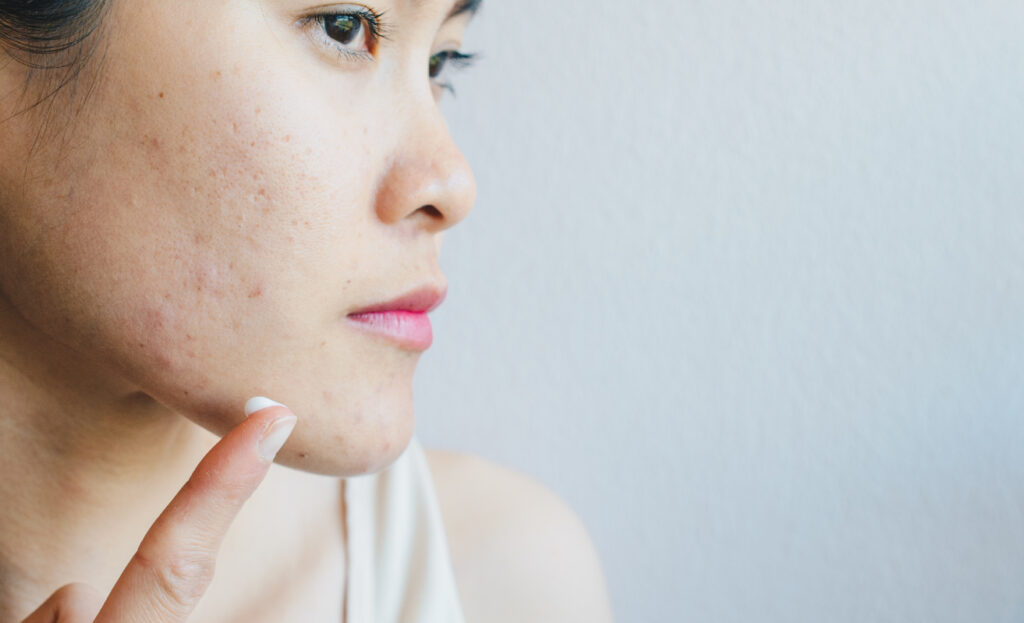
Acne is a common skin condition in China, with higher rates than in other countries due to pollution and stress. It affects the quality of life and self-esteem, creating a demand for treatment that health companies can tap into.
Statistics On Acne Prevalence Among Different Age Groups In China
According to a large-scale community-based study conducted in six cities in China, acne is very common in China, affecting almost 40% of people. Teenagers are especially affected, with 90% having skin issues, including acne. Even adults have a 10% chance of having acne.
These statistics highlight the significant demand for effective and affordable solutions to treat acne among Chinese consumers across all age groups.
For instance, pollution and environmental factors could contribute to clogged pores and sebum production. Additionally, dietary habits and lifestyle choices such as stress levels and lack of sleep may also impact skin health.
Impact Of Acne On Quality Of Life And Self-esteem, Emphasizing The Demand For Treatment

Acne can cause negative effects on a person’s self-esteem and mental health, especially in teenagers and young adults. If not treated, it can lead to psychological issues such as anxiety and depression.
The awareness of the emotional impact of acne has led to a higher demand for treatments. Health companies should focus on marketing their products as a way to alleviate the mental health effects of severe acne.
In terms of current treatments, Chinese people and professionals prefer chemical peel as an effective acne treatment that targets hyperpigmentation and scarring.
However, some businesses have successfully entered this lucrative market: Dermalogica’s success story began when they introduced professional-grade skincare training courses into spas across Beijing.
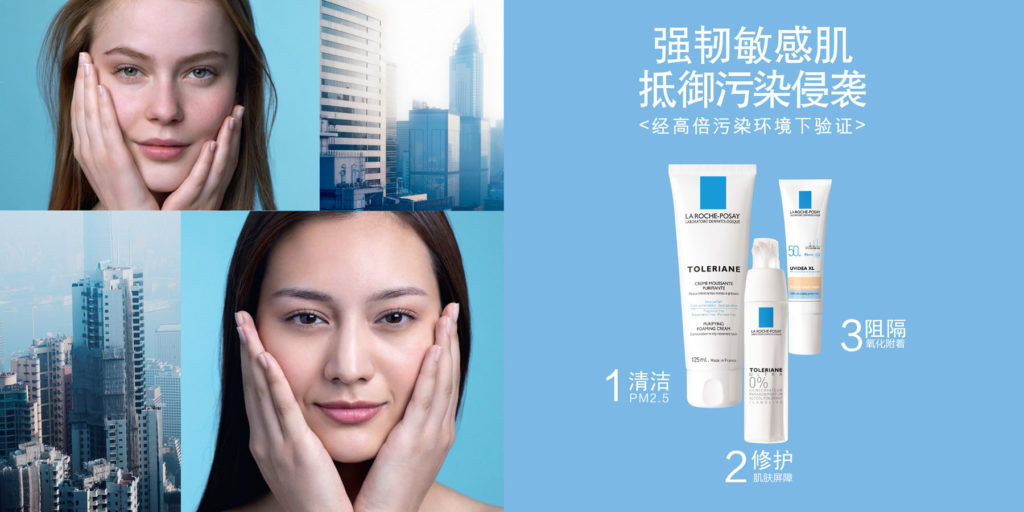
La Roche-Posay used WeChat KOLs to improve its online reputation before entering China, while SkinCeuticals utilized celebrities and influencers like Liu Wen and Fan Bingbing by offering free facial sessions during promotions.
Current Acne Treatment Market In China
The current acne treatment market in China is thriving with key players and preferred products, but what sets it apart from the global industry?
Analysis Of Key Players Currently Operating In The Market
The market is competitive, with international and local brands competing for a share. Top players include L’Oreal, Proactiv, Shiseido, Neutrogena, and Kose Corporation.
Recent studies show consumers prefer natural remedies from traditional Chinese medicine for blemish control.
This trend has prompted some companies to incorporate TCM ingredients into their products to cater to these changing preferences.
Common Treatment Methods And Products Preferred By Chinese Consumers
Research indicates that natural skin care products and medicated cosmetics are popular choices. Consumers also prefer upgraded distribution channels over mass-market ones due to distrust.
To succeed in the Chinese acne treatment market, health companies must stay up-to-date with consumer trends and understand cultural norms and expectations surrounding beauty. Traditional Chinese medicine also plays a significant role in popular treatment methods.
Cultural Factors Affecting The Acne Treatment Market
Chinese cultural perspectives on beauty and skincare play a significant role in the acne treatment market. In Chinese culture, clear and radiant skin is considered essential for beauty, leading to a growing skincare industry.
Traditional Chinese Medicine is also popular for skincare, with herbal remedies preferred over Western products.
Chinese consumers prefer natural-looking makeup and skincare to enhance their natural features rather than covers up.
Influence Of Traditional Chinese Medicine On The Treatment Of Acne

Traditional Chinese Medicine (TCM) has long been used to treat various skin problems, including acne. TCM is a popular treatment for skin problems such as acne, which is seen as a result of damp heat and heat on the body. Herbs like Huang Qin and Bai Zhi are used to reduce inflammation and have antibacterial properties.
Additionally, TCM can help regulate hormone-related symptoms like bloating and assist with hormonal irregularities that can worsen acne symptoms.
With 45% of Chinese teens expressing concerns about their skin and a growing global demand for acne treatments, there is ample opportunity for health companies to enter this market.
In fact, the global acne treatment market is projected to grow from $9.36 billion in 2022 to $12.97 billion by 2029, with a forecasted CAGR of 4.8%.
Challenges In China’s Acne Treatment Market
One of the primary barriers is the complex regulatory environment for healthcare and skincare products in China, which can pose significant challenges for foreign companies seeking entry.
Moreover, there are several specific considerations that need to be taken into account due to variations in skin types and genetic predispositions among Asian patients compared to Western countries.
For instance, certain active ingredients commonly used in Western products may not necessarily work as well on East Asian skin types.
Consumer Trends And Preferences That Could Impact Market Strategy
With increasing awareness about skin health and the beauty industry, consumers are becoming more selective when it comes to their skincare choices.
Chinese consumers like innovative skincare products with unique ingredients and personalized solutions. They also prefer products for specific age groups, genders, and ethnicities. Companies need to adapt their marketing strategies accordingly and follow local regulations.
The concerns around teen skin in China are high with 45% of teens being concerned about their skin and 63% having acne as their main concern.
Case Study: Successful Entry Strategies Into China’s Acne Treatment Market
This section analyzes successful acne treatment brands in China and provides key lessons from their market entry and growth strategies.
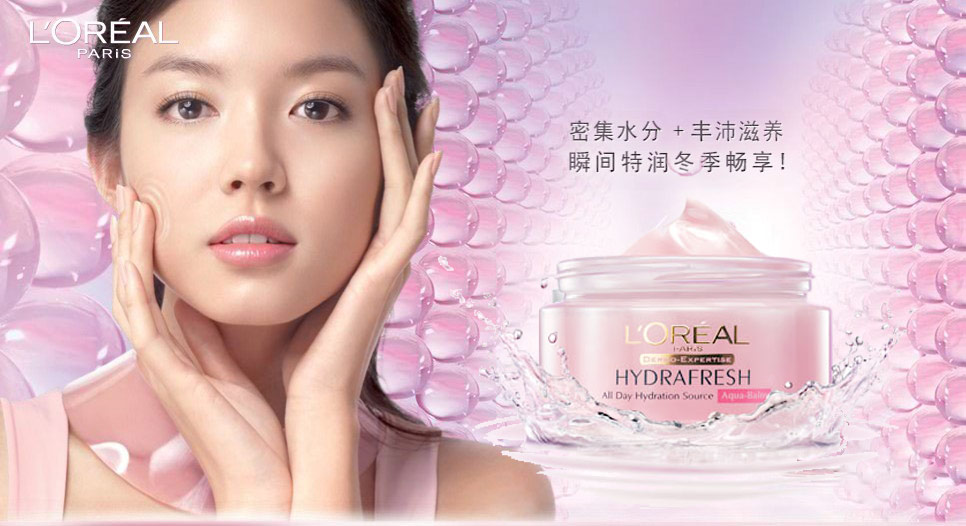
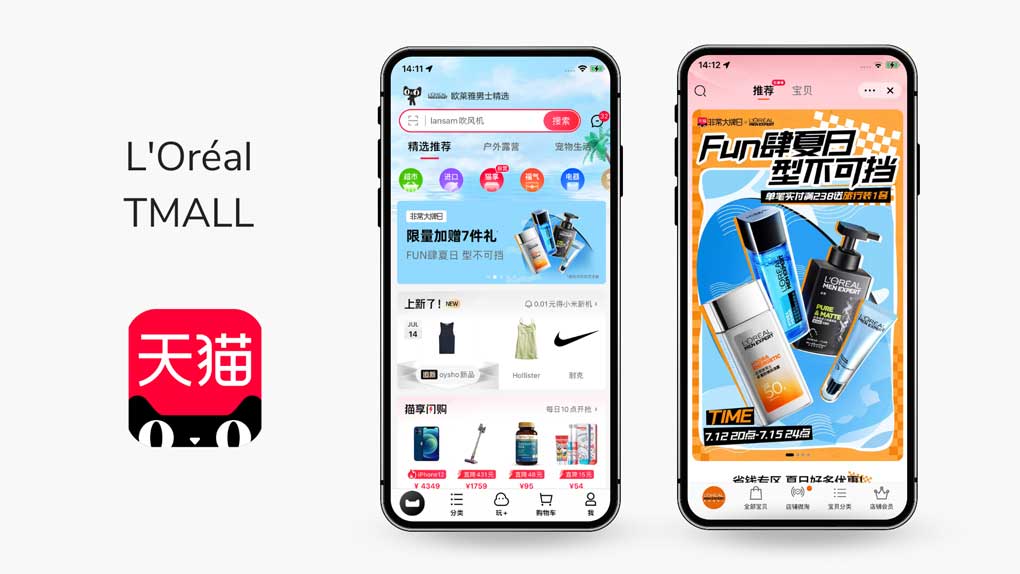
L’Oreal has been able to penetrate the Chinese market effectively by creating products that cater to traditional Chinese medicine and culture while still using modern technologies.
They have also invested heavily in localized advertising campaigns that resonate with Chinese consumers.
These brands’ successes highlight the importance of understanding local cultures, values, and preferences when entering new markets.
Key Lessons From Their Market Entry And Growth Strategies
One important insight is the need to understand the cultural perspectives on beauty and skincare in China.
For instance, many Chinese consumers prefer natural and traditional remedies for treating skin ailments like acne rather than Western-style treatments.
Another key lesson from successful brands is the importance of building trust with Chinese consumers by providing quality products that deliver results at an affordable price point.
Additionally, catering to specific segments of the market such as children’s skincare or affordable acne solutions has proven effective for some companies looking to gain a foothold in this highly competitive industry.
We can help you succeed in the acne treatment market in China! Contact us!
In conclusion, The acne treatment market in China is a great opportunity for health companies to expand their skincare offerings. There is a high demand for anti-acne products and innovative solutions, leaving room for new players to enter.
However, companies must understand cultural differences and regulations to succeed in this dynamic market.
Over more than 10 years we worked with many different beauty companies on different marketing strategies. Our team of Chinese and foreign experts has the experience and know-how needed to succeed in the Chinese market. Now it’s time for you!