Traditional Chinese Medicine (TCM) has moved from niche to mainstream in the beauty industry. I’ve been working with cosmetics brands in China for 15 years, and what I see in 2026 is different from anything before. TCM is no longer a marketing angle. It’s a core product strategy.
Consumers, especially Chinese millennials and Gen Z, are actively looking for ingredients with roots in Chinese herbal tradition. The shift is real. It’s measurable. And for foreign brands entering or expanding in China, understanding this shift is now non-negotiable.
China’s Expanding Cosmetics And Skincare Market
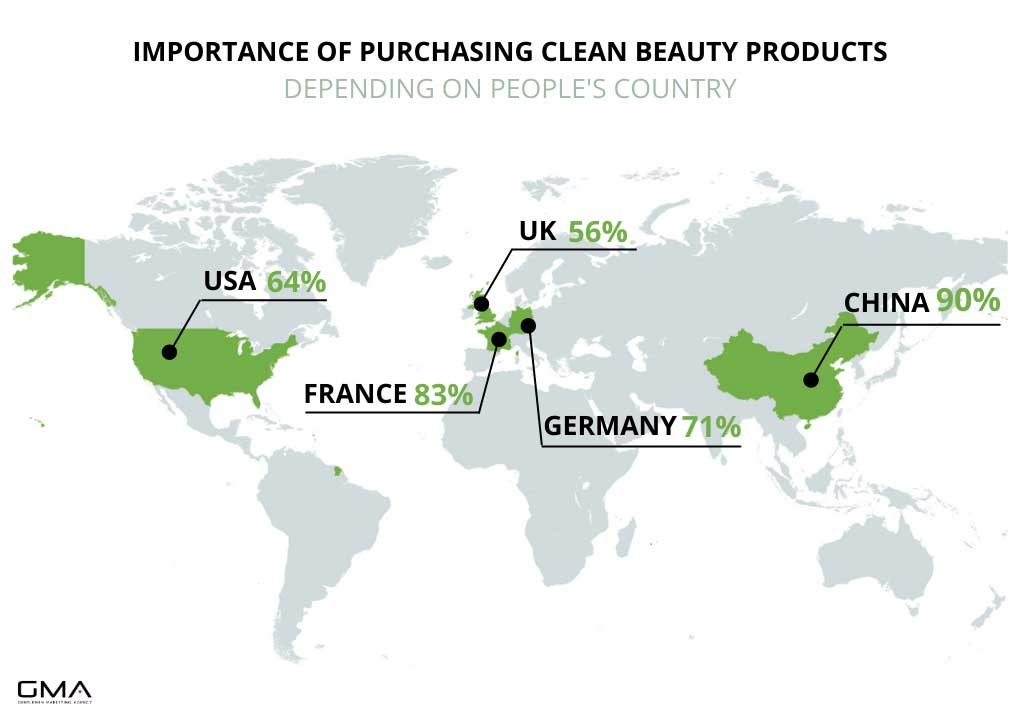
The nation has witnessed a remarkable surge in demand for clean beauty products over recent years, driven primarily by consumers seeking natural and holistic alternatives to conventional chemical-laden options.
The global TCM skincare market was valued at 3.5 billion USD in 2019. It has grown consistently since, with a CAGR of approximately 8% from 2020 to 2030. By 2026, TCM-inspired skincare represents one of the fastest-growing segments in the Chinese beauty market.
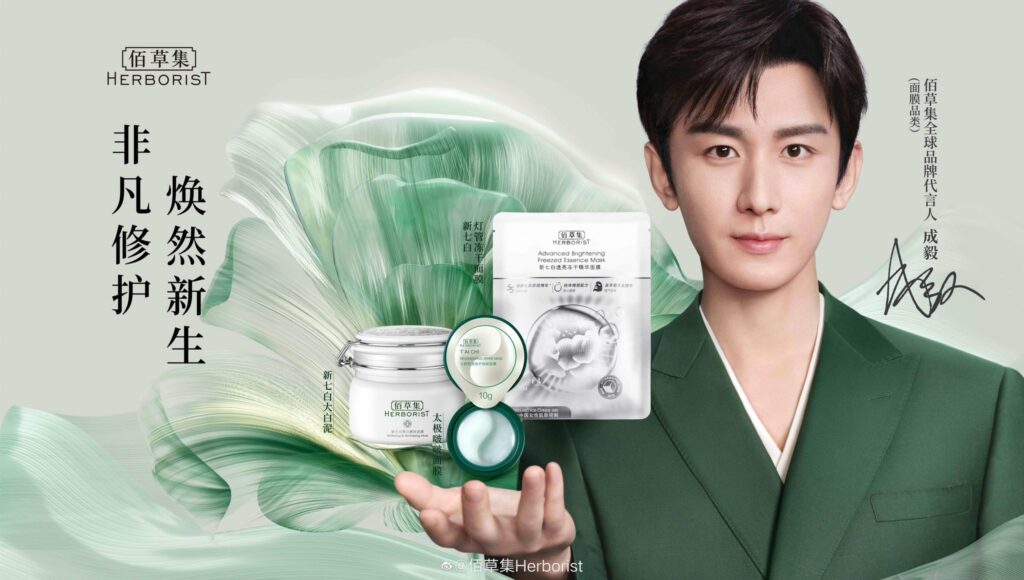
The numbers inside China are even more telling. The domestic market for TCM cosmetics exceeded 50 billion RMB in 2025, with brands like Herborist, Chando, and Proya leading domestic shelf space. But the opportunity for foreign brands is still wide open, especially for those who can authentically combine international science with TCM ingredients.
Plant-based cosmetics that draw on Eastern medicinal knowledge are gaining traction not just in China, but across Southeast Asia, Europe, and North America. This is a concept that resonates strongly among eco-conscious buyers around the world.
The Potential For Integrating TCM Into Cosmetics And Skincare
More individuals are becoming conscious of what is in their skincare and cosmetics, driving companies to search for alternative ingredients that cater to this demand.
Incorporating TCM into cosmetics and skincare not only benefits consumers but also introduces centuries-old cultural theories behind various herbal remedies used by generations before us. This cultural depth is exactly what Chinese consumers respond to in 2026.
Some beauty brands have started incorporating TCM herbs like ginseng, goji berry, or pearl powder into their formulas due to their antioxidant, moisturizing, or anti-aging properties.
This fusion allows companies to formulate products that provide users with modern efficacy backed by time-honored wisdom. I’ve seen brands that get this combination right build real loyalty quickly on Chinese platforms.
The Rise Of TCM In Cosmetics And Skincare
Natural And Holistic Ingredients
Traditional Chinese Medicine (TCM) is based on the principles of balance and harmony, with the goal of achieving overall wellness for the mind, body, and spirit. TCM includes a range of practices such as acupuncture, herbal remedies, massage therapy, and dietary therapy.
Using plant-based, non-synthetic compounds in skincare has been gaining momentum for years. TCM ingredients offer the beauty industry anti-inflammatory and antioxidant properties that help promote healthy skin.
- Ginseng is a popular herb used in TCM skincare for its ability to enhance blood circulation.
- Pearl powder is another sought-after ingredient known for enhancing skin radiance by providing amino acids, antimicrobial proteins, and minerals like calcium carbonate.
- Saffron flower extract provides moisturization which helps keep the skin hydrated while improving texture.
- Snow lotus (Saussurea involucrata) emerged as one of the most searched TCM ingredients on Xiaohongshu in 2025-2026, prized for its brightening and anti-aging effects.
- Reishi mushroom extract is gaining ground for its calming properties, particularly in products targeting stressed urban skin.
What’s New In 2026: Platform Shifts And Consumer Behavior
Xiaohongshu Is Now The Primary Discovery Channel For TCM Beauty
In 2026, Xiaohongshu marketing is where TCM beauty conversations start. I track these platforms daily. When a new TCM-inspired product launches, the first wave of content almost always appears on XHS before it reaches any other channel. Users share ingredient breakdowns, compare formulas, and rate results. The community is informed and skeptical. Generic claims don’t work here.
Searches for terms like “中草药护肤” (Chinese herbal skincare) and “药妆” (medicated cosmetics) on Xiaohongshu grew by over 40% in 2025. Brands that appear in these organic conversations get credibility that paid ads cannot buy.
The content format that performs best: ingredient-first storytelling. Show the herb being harvested. Explain the extraction process. Connect the science to the tradition. Authenticity drives saves and shares on XHS.
Douyin And The Short-Video TCM Effect
Douyin has accelerated TCM beauty adoption in ways I didn’t predict three years ago. Short videos explaining the origins of an ingredient, a traditional remedy reimagined as a serum, a TCM practitioner endorsing a skincare product. These formats convert.
I’ve seen TCM skincare brands generate millions of views on Douyin by showing the sourcing of raw herbs, often with a KOL who has a background in Chinese medicine. This is not standard influencer content. It’s education-first, and it sells because Chinese consumers in 2026 want to understand what they put on their skin.
For foreign brands, KOL marketing China in the TCM beauty space works best when the KOL has genuine knowledge of Chinese medicine or traditional wellness. Credibility is the asset. Follower count is secondary.
Tmall And AI-Powered Product Discovery
Tmall remains the primary sales channel for premium cosmetics in China, and AI-powered search is reshaping how products get discovered. In 2026, Tmall’s algorithm surfaces TCM-tagged products more aggressively to users who have shown interest in natural or organic beauty.
Ingredient listing is now critical for SEO on Tmall. Brands that list specific TCM ingredients in their product titles and attributes rank higher in relevant searches. If your formula contains astragalus or licorice root, those terms need to appear explicitly. Generic “natural skincare” labeling is not enough.
AI skin diagnostics tools, integrated into Tmall and brand mini-programs, are also connecting consumers with TCM-based recommendations. A user scans their face, gets a skin condition report, and receives product suggestions based on TCM skin type theory. I’ve seen brands using this approach reduce their return rate by over 20%.
How To Position A TCM-Based Brand In China
Science Meets Tradition
The most successful positioning I’ve seen in 2026 combines dermatological validation with TCM heritage. Chinese consumers are sophisticated. They want the cultural story, but they also want clinical data. If your product contains ginseng extract, show both the traditional use and the published study on its efficacy.
Foreign brands that enter China with a purely traditional TCM angle, without scientific backing, struggle to differentiate from domestic brands that have been doing this for decades. The advantage for international players is the combination: global R&D standards applied to TCM ingredients. That’s a gap worth filling.
Ingredient Transparency As A Core Strategy
Chinese consumers in 2026 read ingredient labels. They check apps like Meicai and INCI Decoder. They post about it on XHS. For a TCM-inspired cosmetics brand, ingredient transparency is not optional. It’s the foundation of trust.
List your TCM ingredients prominently. Explain the sourcing. If you’re using certified organic astragalus from Gansu province, say that. These details matter to the consumer who will become your brand advocate.
The Regulatory Side: What Brands Must Know
China’s NMPA (National Medical Products Administration) has specific rules for cosmetics that make TCM ingredient claims. Updated regulations tightened what brands can say about traditional medicine ingredients in cosmetic products. As of 2026, brands must be careful not to cross the line between cosmetic and drug claims.
For example, claiming a product “cures” a skin condition using TCM theory will trigger regulatory issues. Framing it as “inspired by TCM principles” or “contains ginseng extract known in traditional Chinese practice for its skin benefits” is safer and still effective.
I always recommend working with a regulatory specialist familiar with both NMPA requirements and TCM ingredient classification before launching any product in this category.
What This Means For Foreign Brands
TCM cosmetics represent a genuine opportunity for foreign brands in China. The domestic market is competitive, but it is not closed. Chinese consumers trust foreign brands for quality and innovation. Add a credible TCM layer to that trust, and you have a strong proposition.
The brands I’ve seen succeed share three things: authentic ingredient stories, a presence on XHS with real community engagement, and a Tmall flagship store optimized for ingredient-based discovery. That combination works in 2026.
The opportunity is real. The market is ready. The question is whether your brand is positioned to take it.
Contact us for a free consultation on your China cosmetics strategy.