Chinese beauty brands are becoming more popular and dominant in the industry. They focus on local knowledge and innovation, and in 2019, they captured 56% of China’s cosmetics market share, leaving Western brands struggling to keep up.
This blog post highlights some of the unique factors that contribute to this rapid growth and features key players in the industry. If you are curious about exploring new beauty trends and expanding your knowledge about global cosmetic markets, then this is an article you do not want to miss!
What exactly is C-Beauty?
C-beauty is an umbrella term for local Chinese beauty brands that have stepped up their game in terms of quality and innovation to compete with international brands in the cosmetic industry.
C-Beauty’s rise is tied to China’s booming economy, which gave its youth more buying power. They demanded better domestic options, so Chinese companies improved product standards and added traditional cultural elements.
This created innovative and authentic products that appeal to a sophisticated young audience.
Market Size And Growth Trends
C-Beauty’s popularity is due to cultural influences and key players who understand Chinese consumer behavior.
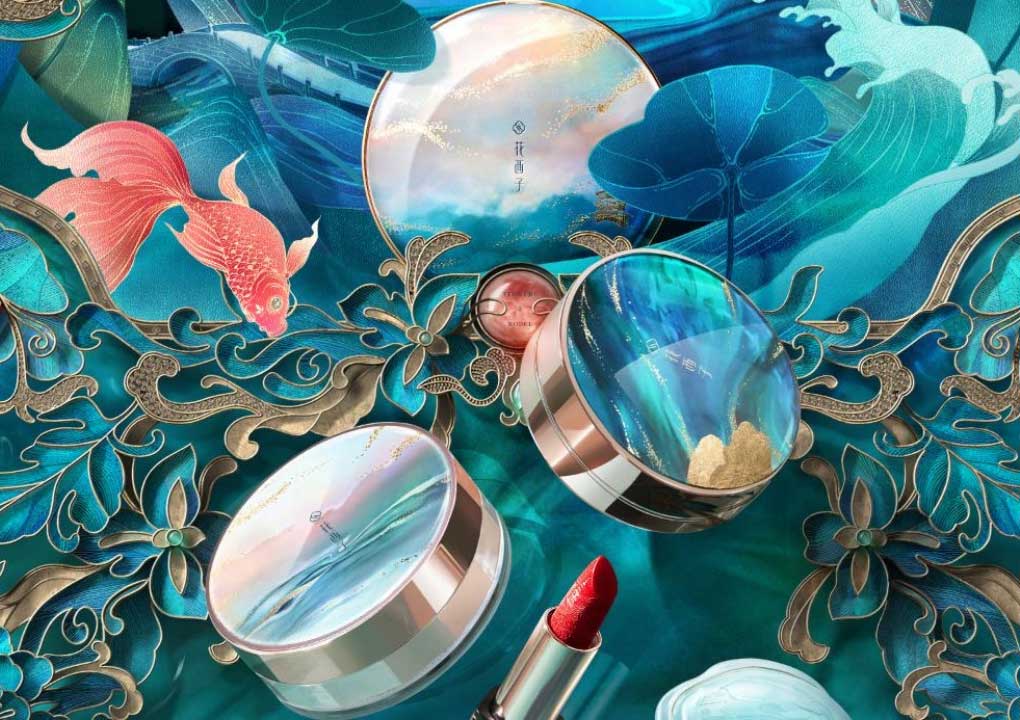
By using traditional elements like porcelain painting and calligraphy in product design to evoke a sense of history and culture. Brands like Florasis are capturing consumers’ attention with this approach.
C-Beauty has also gained popularity through celebrity endorsements and local beauty Key Opinion Leaders (KOLs) who share honest reviews and relatable stories about Chinese cosmetic innovations.
They highlight China’s growing influence over global beauty trends and help consumers make informed purchasing decisions.
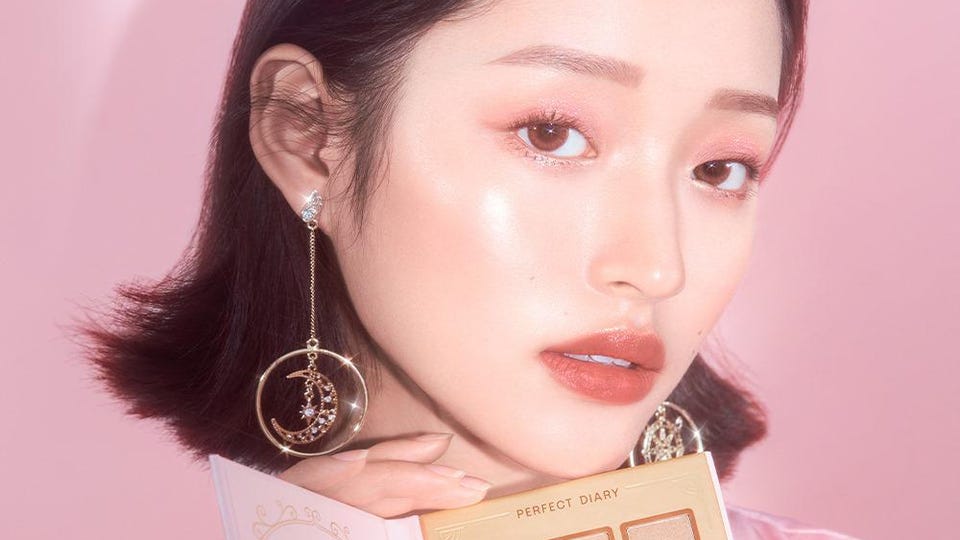
For instance, Perfect Diary is a well-known C-Beauty brand that has gained popularity through successful digital marketing tactics. They collaborate with popular KOLs who connect with local audiences, making them a household name
Adaptation To Local Consumer Preferences
Adapting to local consumer preferences is crucial for the success of Chinese beauty (C-beauty) brands. Consumers in China prioritize skincare over makeup and prefer ingredients rooted in traditional Chinese medicine and culture, reflecting a holistic approach to self-care.
Brands like Herborist combine TCM and modern skincare technology and Florasis with its unique packaging designs created in collaboration with traditional artisans.
Incorporation Of Traditional Chinese Ingredients And Practices
C-Beauty’s popularity is due to its use of traditional Chinese ingredients and practices. TCM-based products are gaining attention for their proven benefits in improving skin health and overall wellness. Popular TCM-based ingredients used in skincare products include:
- Aloe: Aloe vera has been used in Chinese medicine for centuries, known for its soothing properties that help calm inflammation and hydrate the skin.
- Almond: Almonds are a rich source of vitamin E that nourishes the skin, helps fight wrinkles, rejuvenates dead skin cells, and improves complexion.
- Pearl: Pearl powder has anti-inflammatory properties and is believed to promote collagen production, reduce hyperpigmentation, and improve overall skin texture.
- Natural Ingredients: C-Beauty brands often incorporate natural ingredients such as green tea extract, ginseng extract, chrysanthemum extract, and lotus leaf extract, among others into their products.
- Organic Skincare: Many brands use organic or naturally-derived materials rather than synthetics to cater to customers who want chemical-free beauty solutions.
Success Factors And Best Practices Of Top C-Beauty Brands
Perfect Diary and Herborist are top C-Beauty brands that have captured the Chinese market through unique digital marketing strategies, natural ingredients and sustainability, and traditional Chinese practices.
Perfect Diary Digital Marketing And Social Media Strategies With KOL And Influencer Partnerships
Perfect Diary, a top C-beauty brand in China, owes its success to its effective digital marketing strategies and influencer partnerships, which helped it gain rapid popularity.
Perfect Diary achieved in promoting its products on social media platforms like WeChat, Weibo, and Douyin by partnering with influencers and using KOL marketing.
They also collaborated with popular intellectual properties and created innovative content such as product reviews, tutorials, and challenges to engage with followers.
The company positioned itself as a premium yet affordable cosmetics brand, competing with international competitors.
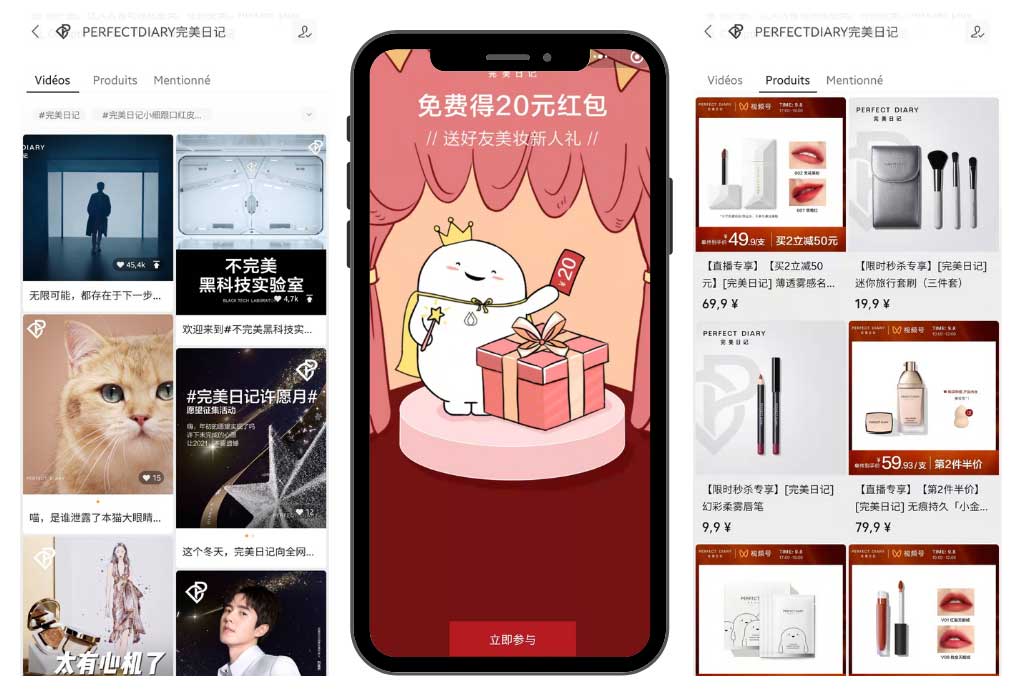
Florasis Unique Packaging And Product Design And Collaboration With Traditional Artisans
Florasis is a remarkable C-beauty label that has been captivating the attention of young consumers ever since its debut in 2017. What makes this brand truly distinctive is its exceptional packaging and product design, which showcases the beauty of traditional Chinese craftsmanship.
Florasis champions natural ingredients and aims to create healthy and non-toxic makeup products by combining ancient Chinese recipes with modern research and development techniques.
Their focus on authenticity resonates well with younger consumers who value brands emphasizing sustainability practices.
Herborist Combining TCM And Modern Skincare Technology, Spa And Wellness Experiences
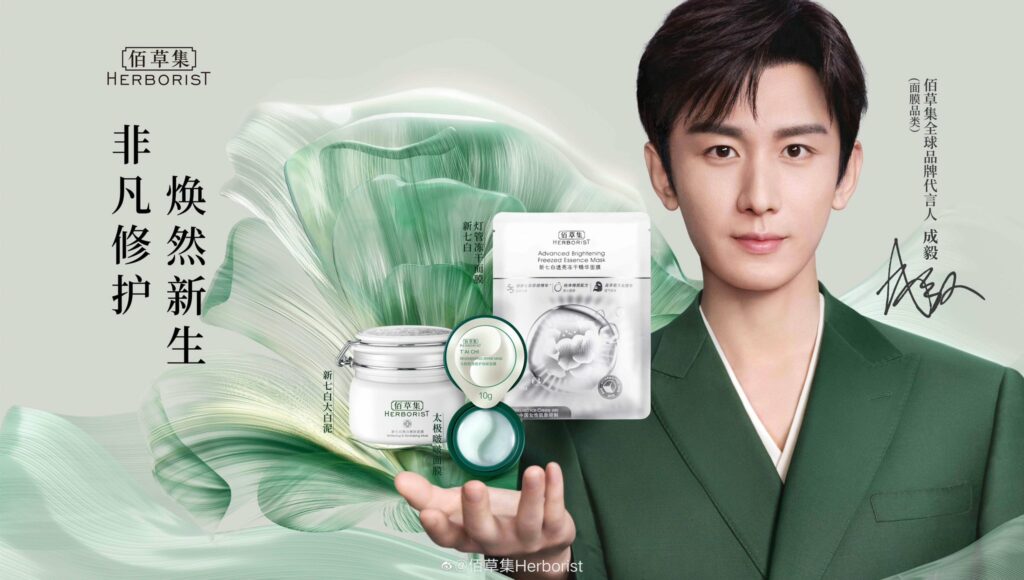
Herborist is a unique brand that combines Traditional Chinese Medicine with modern skincare technology.
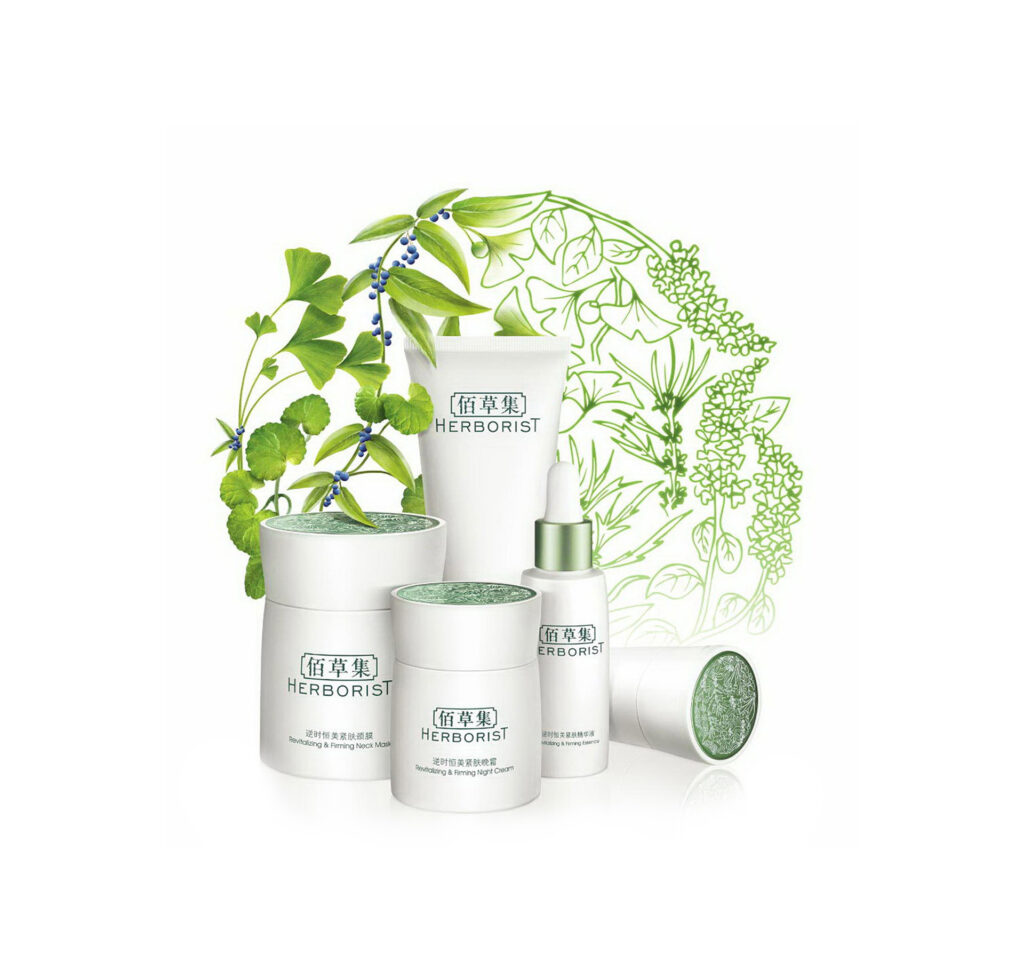
They offer spa and wellness experiences, providing customers with a holistic approach to beauty. Their products contain TCM-based ingredients like ginseng and goji berry, as well as modern ingredients like hyaluronic acid for hydration and elasticity.
They also use eco-friendly practices, such as sustainable sourcing and recyclable packaging, to minimize waste.
By combining ancient wisdom with modern science, Herborist has found a niche in the premium beauty market both locally and abroad. Their emphasis on sustainability and wellness further sets them apart in a rapidly growing industry.
C-Beauty Innovations In Product Development And Technology
AI and AR technologies are transforming the way businesses approach product testing and marketing in the beauty industry.
- Virtual try-on technology is becoming increasingly popular, allowing users to see how products look on them before making a purchase.
- Brands are using 3D-printing technology to create physical product samples for testing and feedback.
- AI-powered chatbots are being used to personalize the customer experience, offering tailored recommendations based on individual needs.
- Augmented reality is being used to create immersive experiences in-store and online, allowing customers to explore products in detail.
- DNA analysis is being utilized to offer personalized skincare regimens based on genetic makeup.
Final Words On The Rise Of C-beauty
The rise of C-beauty is a trend not to be ignored as it continues to disrupt the global beauty industry with its unique cultural influences, incorporation of traditional Chinese ingredients and practices, and emphasis on authenticity.
With rapid growth and innovative product development, local brands are challenging Western beauty standards while catering to the evolving needs of Chinese consumers.
Foreign brands looking to enter the Chinese market can collaborate with local companies to navigate regulatory hurdles and build brand awareness among local consumers.
In the Gentlemen Marketing Agency (GMA), we are 70+ digital experts passionate about social media in China. We love to build impactful strategies and content to reach the Chinese on WeChat, Little Red Book, Douyin, Weibo, and many more.
If you have a specific project in China, you should include social media wisely. You should start with branding before moving to e-commerce.
You can contact us to find the most suitable option for your project in China! Let’s start today!