

Aesthetic medicine, or medical procedures aimed at improving one’s appearance, has become a growing trend in China, especially among young people. Millions of people are now looking to enhance their looks in different ways and for different reasons. Take a look at what’s driving this fever for a beauty treatment.
What is the difference between cosmetic surgery and plastic surgery?
While both cosmetic surgery and plastic surgery deal with improving a patient’s body, the overarching philosophies guiding the training, research, and goals for patient outcomes are different. Plastic surgery focuses on repairing defects to reconstruct a normal function and appearance. The procedures, techniques, and principles of cosmetic surgery are entirely focused on enhancing a patient’s appearance.
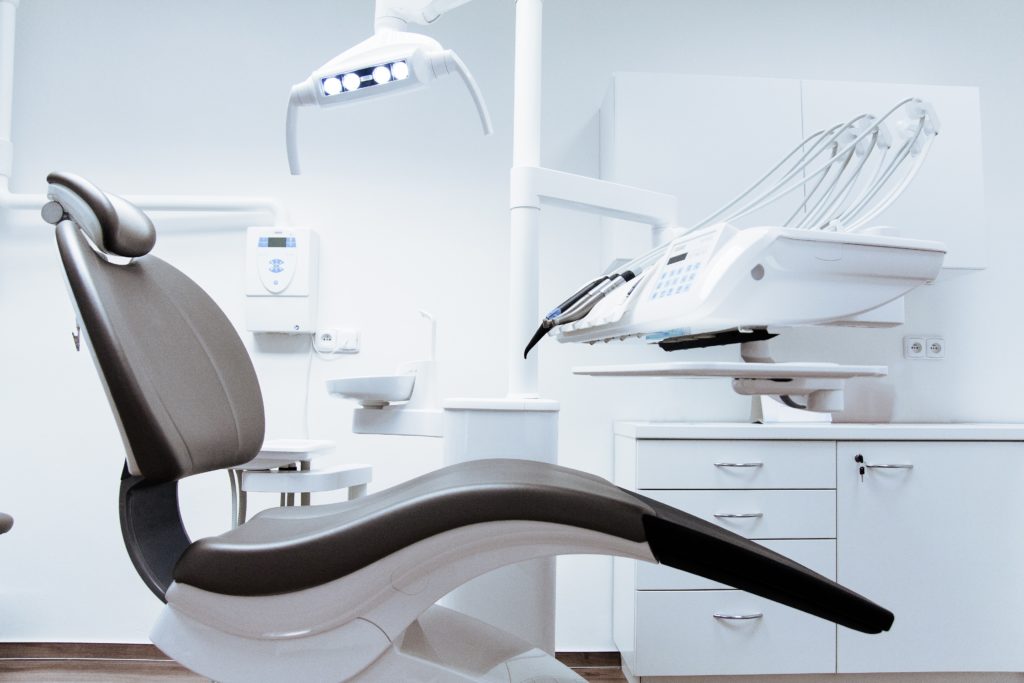
Improving aesthetic appeal, symmetry, and proportion are the key goals. Anesthetic surgery can be performed on all areas of the head, neck, and body. Since cosmetic procedures treat areas that function properly, cosmetic surgery is designated as elective. Cosmetic elective procedures are performed by doctors from a variety of medical fields, including plastic surgeons.
Why is cosmetic surgery rising in China?
As China remains a very patriarchal society, being pretty is a way to ensure you will be successful at work and you will find a husband. At the age of 25 years old, Chinese society considers that women must be married with kids to be considered successful; cosmetic surgery can then appear as a solution to be considered prettier and desirable for men.
An expanding number of Chinese women are utilizing cosmetic surgery to attain bigger eyes, high cheekbones, slim noses, and slim legs. Like Wu, several are seeking to mimic an elegance optimal motivated by elements of Japan’s manga comics, South Korea’s K-Pop, and also Western culture.

In 2014, greater than 7 million Chinese individuals had cosmetic surgery, according to the China Organization of Plastics as well as Visual appeals. Simply three years later on, information compiled by the Shanghai branch of Frost & Sullivan professionals recommended the number was closer to 16.3 million.
Factors for cosmetic surgery continuous rising
The western influence
In the 1990s, many women wanted features that made them look more Western: wide eyes, full lips, large breasts, and long legs. These days many young women try to look like their favorite Hong Kong, Taiwan, or Chinese movie stars or pop singers. As to the claim that the Chinese are having the double-slit operation to look more Western, one woman told the China Daily, “I am not trying to look like some American celebrity I am just trying to look like a better version of myself.”
Plastic surgery can solve economic problems
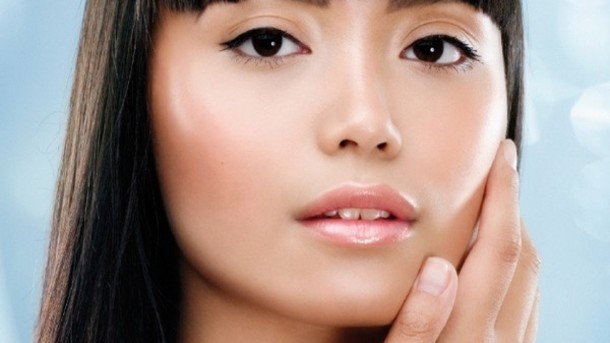
Many young women get plastic surgery for economic reasons. One woman told the China Daily, “I’m a salesgirl in a department store. The better I look the more I sell.” Another woman told the Los Angeles Times, “I’m not looking for a sugar daddy, but I hear good looks may boost your salary by 30 percent.”
The democratization of beauty alteration in China
“To us doctors, altering beauty is a very natural thing,” a medical professor told the Los Angeles Times, “When you do sports, you alter your muscles. We do the same thing through surgery.” People nowadays democratized the fact that you can easily change what you don’t like physically, and plastic and cosmetic surgery are no longer taboo.
Cosmetic surgery is now also concerning men
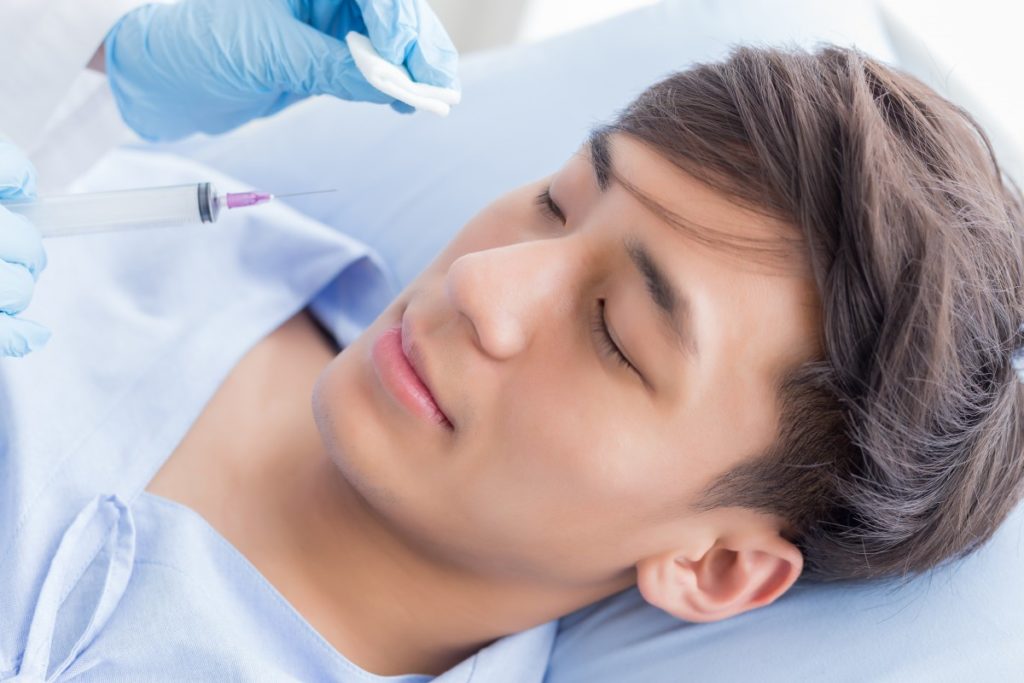
A large number of men are getting breast implants to make them look like they have big muscles. The procedure is similar to the one for women except the implants are different shaped and harder. Small cuts are made under the armpits; silicone gel implants are inserted, and stitches are removed after about a week. The cost of the procedure is around $1,200. Most of those who have had the operation said they had it because they thought a more “brawny” chest would help attract a partner or impress a client or boss.
GengMei as a reliable platform for cosmetic surgery
The website notes that “GengMei (which has an augmented reality feature that can analyze a face and give it a grade out of 100 based on criteria like its liveliness, attractiveness, and symmetry) has 36 million users and lists almost 20,000 surgeons on its platform, a company spokeswoman confirmed.
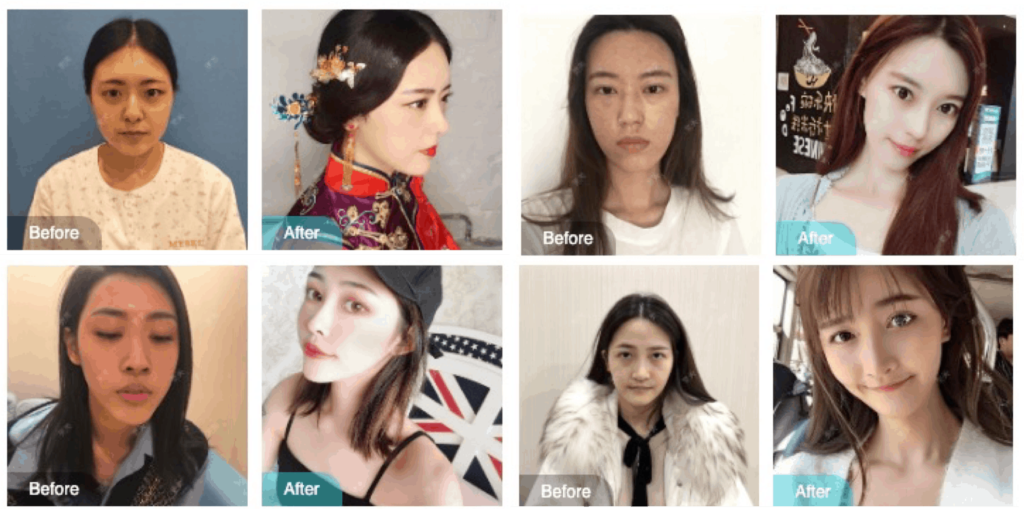
Tencent-backed So-Young has 2.47 million monthly active users and nearly 6,000 surgeons listed, according to a So-Young spokesperson. These apps provide testimonies of cosmetic surgery patients, with before-and-after pictures, as well as reviews of surgeons.”
GengMei also offers microloans to pay for the procedures.
Popular looks include “baby face,” which calls for “a full, round face with a smooth contour, a short chin, a prominent forehead, big eyes, and a small button nose,” according to descriptions posted on the app, CNN reported. Facial fillers and nose and surgeries help to achieve the look.
Read more about plastic and cosmetic surgery in China:
1 comment
Wang
A very good and interesting article. Expert says that beauty industry is really booming. no doubt after read this post.