The Chinese beauty market is one of the most dynamic industries in the world, growing every year. While a Hermès bag or a pair of Christian Louboutin heels may require serious saving, a Chanel lipstick gives a consumer the chance to experience luxury without the full cost. Luxury cosmetic lines are profitable in their own right, and they also play a key role in building brand relationships with younger shoppers. In 2026, China remains the second-largest beauty market globally, with the premium segment growing at over 8% annually. Understanding how top luxury brands have adapted their strategies is essential for any brand targeting Chinese consumers. For a broader view, read our guide on 10 Key Trends of the Chinese Cosmetics Market.
Top 10 Luxury Cosmetic Brands in China: From 2017 to 2026
According to recent data, Gen Z and post-95 consumers now represent the primary buying power for cosmetics in China. Premium beauty brands are more important than ever to the China market. The strategies that worked in 2017 have evolved: digital presence, KOL partnerships, and platform-specific content are now table stakes. Here is how the top luxury cosmetic brands have approached China, and what still works today.
Chanel

The French brand built its China identity on the iconic red lipstick. Its “Nombreux Rouges” collection used four limited-edition red lipsticks in lacquered click cases to capture the “China red” aesthetic on Chinese social media. That cultural alignment was deliberate and effective. By 2026, Chanel has extended this logic: limited drops tied to Chinese festivals, exclusive WeChat mini-program launches, and a strong social media presence in China that drives both online and offline traffic. The brand enrolled actress Liu Shishi to promote its makeup lines, a move that set the template for celebrity-anchored campaigns across the market.
Dior

If red is classic Chanel, gold is classic Dior, a color strongly preferred in China. Dior introduced limited-edition gem-like gold cases for its lipstick line, combining visual luxury with cultural resonance. The brand worked with Chinese celebrities to anchor campaigns with local credibility. By 2026, Dior has invested heavily in Douyin (TikTok China) campaigns and Xiaohongshu seeding, driving product discovery through a mix of top-tier KOLs and everyday user content. The Dior beauty account on Xiaohongshu consistently ranks among the top luxury cosmetics profiles by engagement.
Guerlain
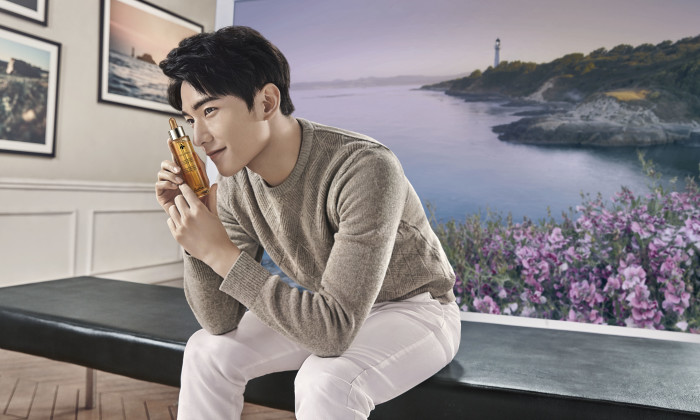
Guerlain released new shades of its Rouge G line with gold and black cases, a deliberate upgrade from silver that read as more premium for the Chinese consumer. The brand invested significantly in top Chinese celebrity ambassadors known for their beauty and aspirational image. In 2026, Guerlain leans into its French heritage story, a strong differentiator in China, where “Made in France” still carries weight in the premium beauty segment.
Lancôme

Lancôme introduced new shades, nude red, orange-red, and mauve red, for its Absolue Rouge collection, with a shimmer-finish holiday case designed specifically for the Chinese gifting season. Actress Liu Tao fronted the Spring Festival campaign in early 2017, giving the brand strong cultural legitimacy. By 2026, Lancôme has become one of the top-performing L’Oréal Group brands on Tmall, with a livestream strategy that generates consistent sell-through during major shopping events like 618 and Double 11.
Clarins
Clarins is a brand we have worked with directly at