
Brands as Natural Bissé, Germaine de Capuccini and Thalissi are very successful in the Asian cosmetics market.
Spanish cosmetics are increasing their presence in China.
Cosmetic sector has been growing significantly during the last years due to the increase of disposable income and the increasing concern about beauty.
At the moment, foreign brands continue to dominate the cosmetic market in China. The most popularity brands are Procter & Gamble, L’Oreal Paris, Olay and Shiseido.
Skin care product is the biggest category in China cosmetics markets, while men’s cosmetics and children’s cosmetics occupy a small share in China cosmetics market.
In 2013, cosmetic market sales reached USD54.32 billion in China and it is estimated an increase up to USD113.9 billion in 2017. The growth’s reasons are linked to the e-commerce booming.
In 2013, Spanish cosmetics exports reached around 50 million US dollars, which represents a cumulative growth of 28% since 2010, and they enjoy great success among Chinese consumers.
The Spanish industry has maintained a strong and positive business relationship with China and over the years, Spanish manufactures have provided products with advanced technology to Chinese customers, thus promoting continuous development of Sino-Spanish commercial cooperation and increasing mutual understanding.
THALISSI:
THALISSI is a Spanish brand of professional natural cosmetics. This cosmetic brand is known for utilize nature ingredients that provide maximum benefit to the skin, which are more effective and have long lasting effects.
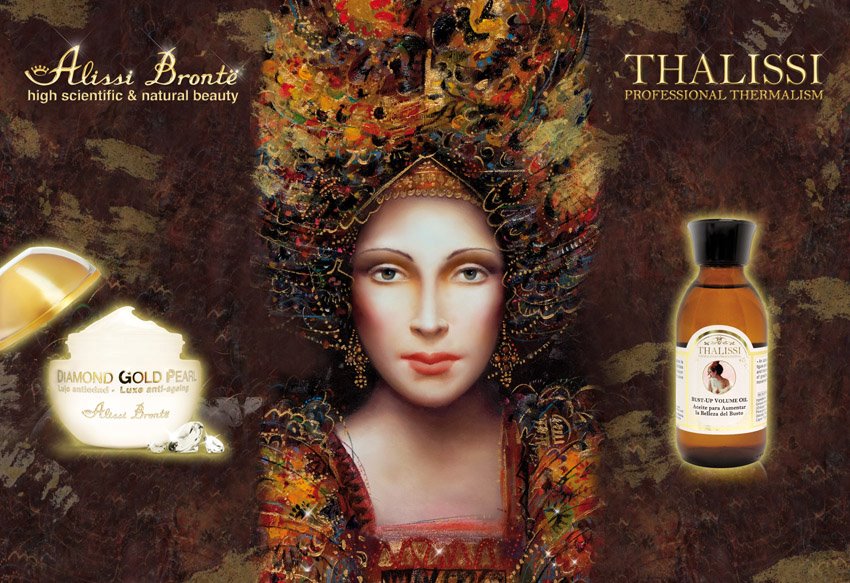
The Spanish cosmetic brands have received several awards in China such as AsiaSpa Awards for the best range of “Oils for Massage” during consecutive years.
In addition, due the high quality of its products, THALASSI has obtained many nominations for Awards in TVB, Beauty Pro, Jessica and AsiaSpa Awards.
The Spanish brand of natural cosmetics is established in a network of luxury beauty salons around China. In the Asian market, THALISSI has became in one of the most popular high-end brands.
NATURA BISSÉ:
Founded in 1979 in Barcelona, Spain, NATURA BISSÉ is a prestigious Spanish luxury cosmetic brand. Is a leader brand in research, development and innovation.
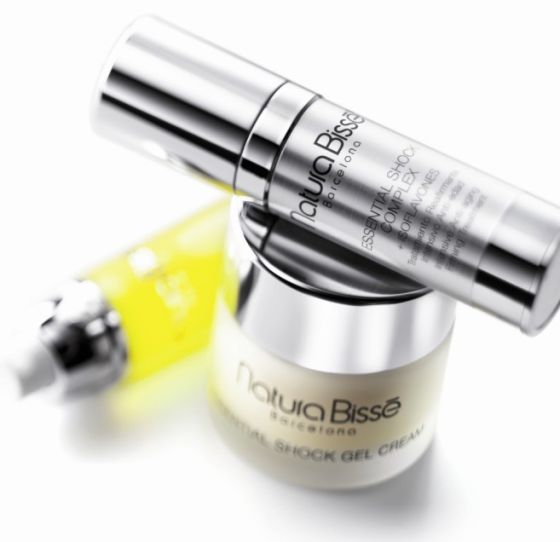
Due to the quality of its products, NATURA BISSÉ has become one of the most appreciated brands into the global cosmetic market. That’s why international celebrities choose the Spanish brand as part of their secret beauty.
NATURA BISSÉ has presence in the most prestigious shops in the world and its products are also available in the top spas worldwide.
GERMAINE DE CAPUCCINI:
Germaine de Capuccini is a professional cosmetic brand with over 50 years of experience in skin care. The brand’s formula is based in herbs, plants and fruit juices.

The Spanish brand has presence in China since over 20 years ago and its most successful products are Stones Body Cream or Pro-Resilience Cream. Besides, the cosmetic brand has expanded its presence to the Shine Spas.
Germaine de Capuccini has received the award “Brand leader in the Professional Sector” during the China Beauty Expo 2014 as a recognition of its status and celebrity as a cosmetics brand.
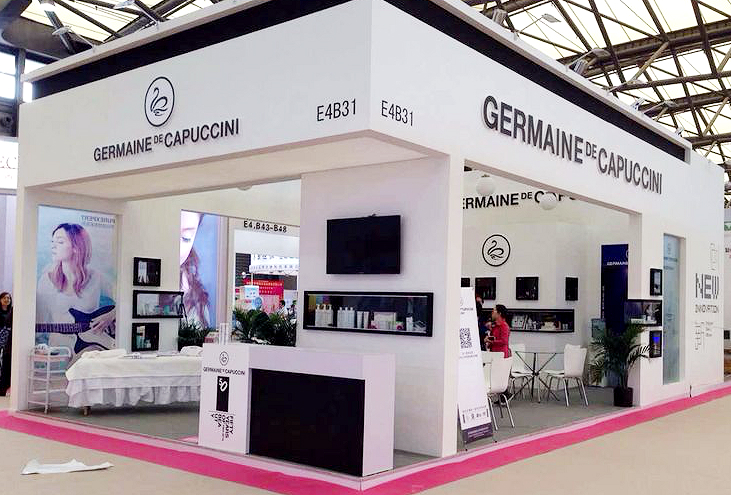
Despite the limited presence of Spanish cosmetics in China, the landscape of the beauty market in China is favorable in order to introduce Spanish firms. However, the few Spanish cosmetic brands in China are very successful due its quality ingredients.
If you have a cosmetic brand and you are interested to extend your products into the Chinese market, don’t hesitate to contact us, we are a digital marketing agency specialized in the cosmetic market.
3 comments
Sari säily
Dear Sirs, , i m very interestedt to hear More about natura Bissee and Chilessä Color cosmetics. I own a beauty clinic In Helsinki, Finlandia. I have a very long experience with cosmetic and plastic Sergery, 38 years. I am looking for something New during this spring. Best regards Sari
xiao yù
Very good! I didn’t know any Spanish cosmetics brand before, I actually heard about Germaine de Capuccini but though it was Italian ahah…
ahmed ubaidullah
dear sir
we are dealing all kinds of cosmetics items in UAE
we need Lancome brand Tonique Comfort Lotion 400 ml
60000 pieces each week we need 12000 pieces
quote your best price and send the picture with barcode of in this items
herewith we attached other products also
quote your best price and send reply as soon as possible