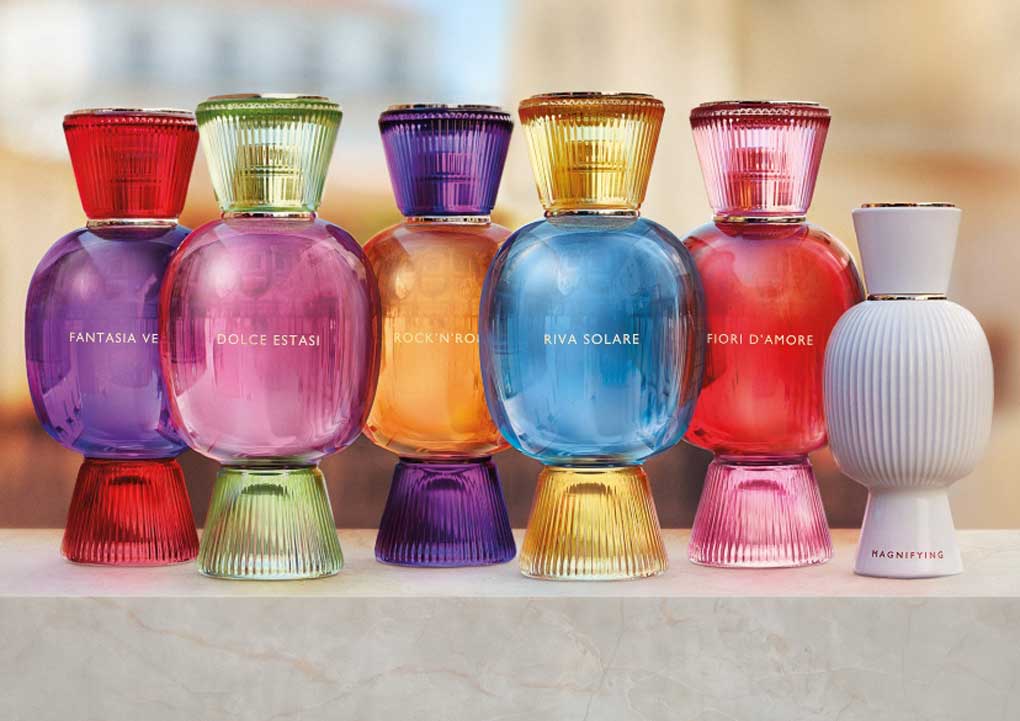
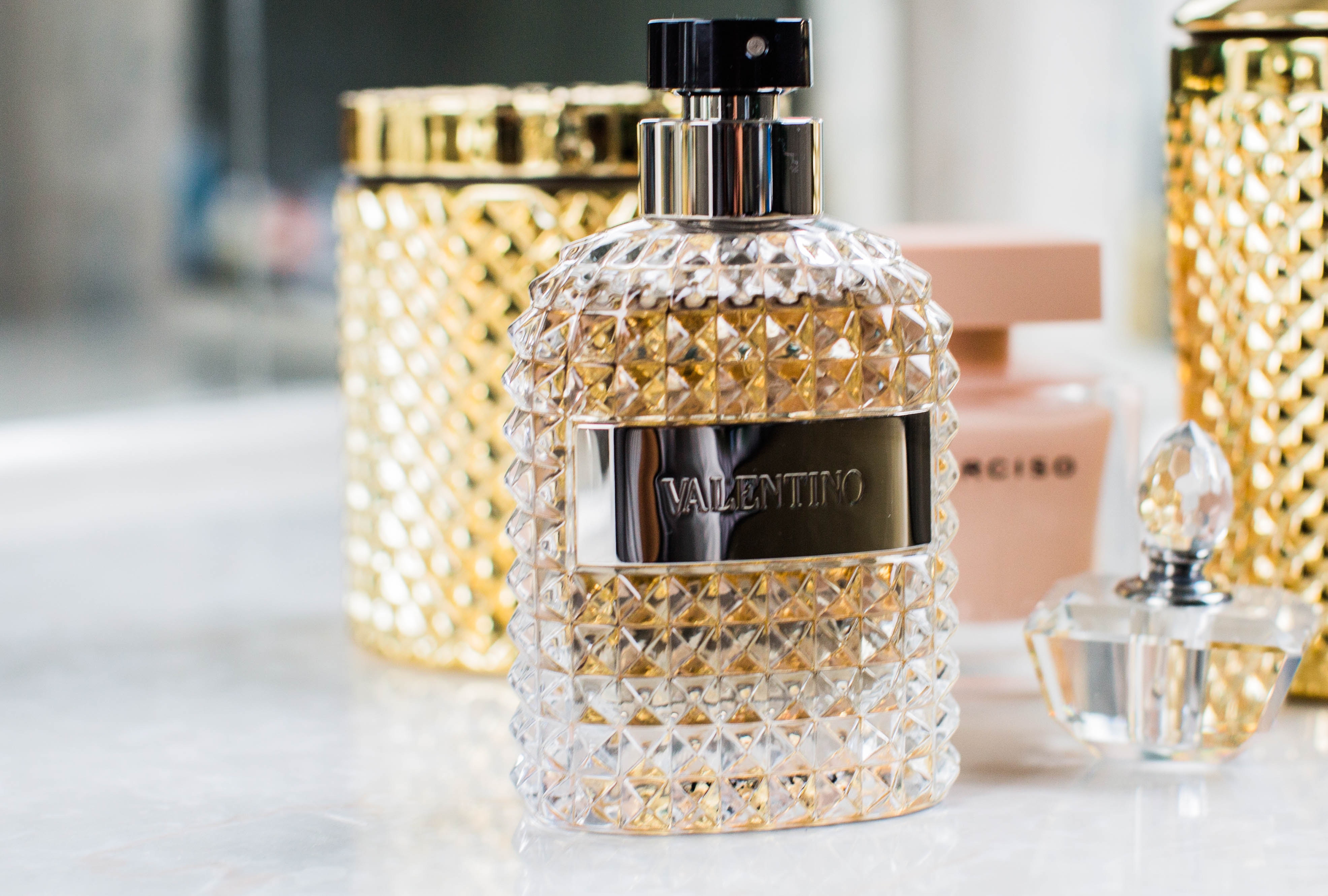
China’s perfume market has moved from niche to mainstream faster than most brands expected. When I started working with fragrance brands entering China back in the early 2010s, perfume was still a hard sell. Today the picture is completely different. The Chinese fragrance market crossed RMB 30 billion in 2025, up from RMB 16.9 billion in 2022. Gen-Z consumers now treat perfume as a personal identity marker, not a luxury afterthought. That shift changes everything about how you approach distribution.
Do you want to catch the opportunity and sell your products in China? You need to connect with the right Chinese distributors first. But finding them is only half the problem. Getting them to take you seriously is the other half.
Why the distributor landscape changed between 2022 and 2026
The brands that entered China in 2019 or 2020 found a market driven by department stores and mono-brand counters. That model still exists, but it no longer dominates. In 2025 and 2026, the entry points for fragrance are digital-first. Tmall flagship stores, Douyin live commerce, and Xiaohongshu discovery feeds have become the real gatekeepers. Distributors know this. The serious ones now ask about your Douyin presence before they ask about your margins.
I’ve seen brands with genuinely excellent products lose distributor conversations because they had no Chinese social proof. No XHS reviews, no Douyin content, no local brand story. A distributor in China takes on real risk when they bring in a foreign brand. They want to see that the market already knows you, or at least that you have a credible plan to build that awareness fast. Cosmetics marketing in China is now inseparable from distribution strategy.
We are your local agency in China
The smartest and most secure approach to contact top perfume distributors in China is through a China-located agency that specializes in representing foreign brands. We are a China-based agency and distributor connector. We are here to help you achieve your goals.
Gentleman Marketing Agency is a Shanghai-based consultancy that specializes in international marketing. GMA has a firm grasp of Chinese culture and how to conduct business in China. Our staff of Chinese and Western professionals with experience in Chinese market entry, commercial methods, and language can assist you at every stage, from locating the top perfume distributors in China to building your Chinese marketing presence.
If you are looking to enter the Chinese market with your perfume brand, Gentleman Marketing Agency can be your partner and develop a marketing strategy built for the Chinese market. Brands that work with us arrive at distributor meetings with a real dossier: a Chinese brand name, existing KOL content, and a platform strategy already drafted. That makes every conversation easier.

Some of the top perfume distributors in China that you can connect with are:
- Chinese Perfume Distributor Association: This is an organization that represents Chinese perfume distributors. You can search for member companies on their website and contact them directly.
- Cosmo Lady: One of the largest distributors of beauty products in China with over 300 stores nationwide. You can find their contact information on their website in Mandarin.
- New Oriental Beauty Group: A leading Chinese distributor of beauty products with over 200 stores across China.
- Chinese Beauty Expo: An annual event held in Beijing and Guangzhou. It is a practical place to meet Chinese distributors and learn about the latest trends in the Chinese beauty market.

How to stand out and become partners with top perfume distributors in China
To succeed in the Chinese perfume market, brands need to identify their unique advantages and establish a strong brand fragrance culture, while fully understanding Chinese consumers’ sentiments and cultural resonance.
China’s perfume business grew by more than 20 percent year-on-year between 2016 and 2020, and that growth trajectory has continued. Gen-Z is now the primary driver of national fragrance consumption, and they behave very differently from older Chinese buyers. They discover products on Xiaohongshu before they ever set foot in a store. They decide based on peer reviews and short video content, not brand heritage alone.
Take initial steps
Offer a unique product: Top perfume distributors in China are looking for products that offer something different from what is already on the mass market. When it comes to perfume, this means a product with a strong story and a distinct scent. But in 2026, “unique” has a more specific meaning. Chinese consumers, especially those under 30, are drawn to natural and transparent ingredient stories. Musk, oud, white tea, and locally resonant ingredients like osmanthus or lotus are trending. If your formula has a story to tell, tell it in Chinese, clearly, and on the right platforms.
Build your digital presence before you knock on distributor doors
In my experience, the biggest mistake foreign perfume brands make is treating digital marketing as something that comes after signing a distributor. It should come before. A distributor in China wants to sign brands that already have momentum, or at least visible potential.
Here is what that looks like in practice in 2026:
- Xiaohongshu (XHS): Seed content with 10 to 20 micro-KOL posts before any distributor pitch. Chinese consumers use XHS like a search engine for beauty. If your brand name returns zero results, you look like a ghost brand. A handful of authentic review posts changes that perception immediately.
- Douyin live commerce: The fragrance category has exploded on Douyin live streams. I’ve seen niche European perfume brands do six-figure RMB in a single two-hour live session with the right host. Distributors watch Douyin numbers closely. Strong live commerce performance is now a legitimate signal that a brand can move units. Douyin advertising can amplify that reach quickly if you have the right creative assets in Chinese.
- Tmall flagship store: For mid-to-premium fragrance brands, a Tmall Global or Tmall flagship store is close to mandatory. Many distributors will only work with brands that have an official Tmall presence, because it validates legitimacy for Chinese buyers. Tmall China also gives you sales data that you can bring to distributor negotiations as proof of demand.
AI discovery and search behavior in 2026
One thing that has changed significantly in the past two years is how Chinese consumers find new fragrances. AI-powered recommendation feeds on Douyin and XHS now drive a large share of first exposure. The algorithm favors content with specific scent descriptors, occasion-based storytelling, and authentic user-generated posts. Brands that generate genuine UGC content on XHS get picked up by the algorithm and surfaced to new audiences at no cost. This is not a trick. It is the result of having real users talk about your product in ways that match what other users are searching for.
Brands that work with us build this content layer before launch. We work with Chinese copywriters and local fragrance enthusiasts to create seed content that feels real, because it is real. That content then feeds the algorithm, builds social proof, and gives distributors something to point to when they explain to their buyers why they picked up your brand.
Understand the regulatory requirements
China’s NMPA (National Medical Products Administration) regulates cosmetics including fragrance. Since 2021, the rules have tightened. You need full ingredient disclosure, Chinese-language labeling, and in some cases safety assessments specific to China. Distributors will ask about this. If you cannot answer the compliance questions clearly, the conversation ends early. We help brands prepare the right documentation before they enter any distributor discussion. It removes a major friction point.
Price your product correctly for China
Chinese fragrance consumers in 2026 are split into two clear segments. The mass market buys at RMB 200 to 600 per bottle, often domestic or Korean brands. The premium and niche segment, which is the most interesting entry point for foreign brands, sits at RMB 800 and above. This segment is willing to pay for story, origin, and quality. But they will also do a global price comparison on the spot with their phone. Your pricing in China needs to account for import duties and distributor margins without becoming obviously more expensive than the same product on international platforms. That balance requires planning, not improvisation.
Contact us for a free consultation on your China cosmetics strategy.