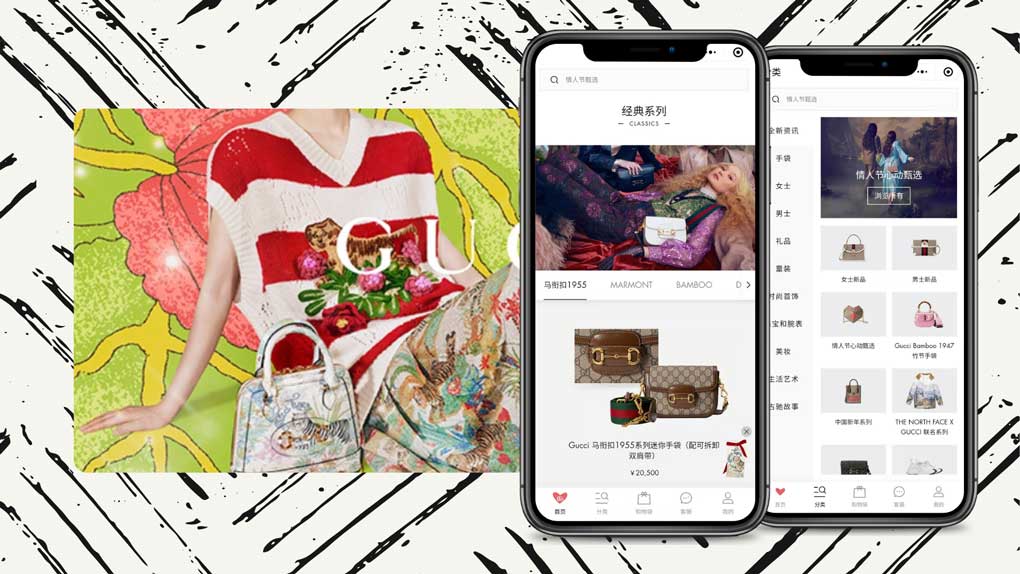
I’ve been working in China’s beauty market for over 15 years. One thing has stayed constant: WeChat is not optional. It’s where your Chinese customers spend hours every day. Brands that treat WeChat as an afterthought lose ground fast. The ones that build real strategies on this platform win loyalty, drive repeat purchases, and convert followers into long-term buyers.
This article covers the key features, winning strategies, and what has changed in 2026 for WeChat marketing for cosmetic brands. I’ll reference real examples from brands like L’Oreal China and Kiehl’s, and share what I see working right now.
WeChat Marketing For Cosmetics Brands
WeChat is a powerful marketing tool for cosmetics brands due to its extensive features, including one-to-one messaging, mini programs, and online advertising options. In 2026, its monthly active user base sits above 1.38 billion. That number matters less than this: those users trust WeChat for product research, customer service, and purchases. For cosmetics, that trust is everything.
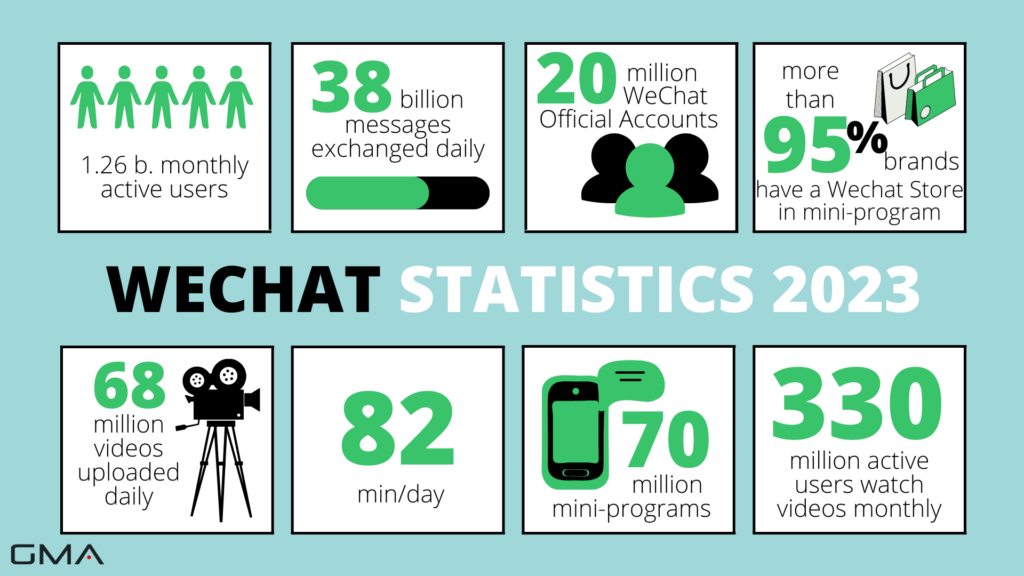
Key Features Of WeChat For Effective Marketing
It’s important to understand the key features of WeChat that make it an effective platform for promoting cosmetics brands in the Chinese consumer market. Here are the essential aspects to consider:
- Official Accounts: Opening a WeChat Official Account enables your brand to share content directly with followers, send promotional messages, and access analytics tools.
- E-commerce Integration: WeChat allows you to integrate e-commerce capabilities into your account, making it easy for users to browse and purchase products without leaving the app.
- Geo-localization: Brands can use location-based targeting to connect with potential consumers based on their proximity to stores or events.
- Consumer Behavior Analytics: WeChat offers data tracking options that help businesses gather insights on audience engagement, preferences, and behavior patterns.
- Targeted Advertising: Through WeChat’s advertising system, marketers can reach specific segments of their target audience with tailored ad campaigns, driving higher conversion rates.
- Interactive Tools: Boost customer engagement using interactive tools like games, quizzes, or product recommendations within the platform.
- Influencer Marketing (KOLs): Collaborate with relevant KOLs and influencers to create authentic content and increase brand awareness among their followers.
- Mobile Marketing Opportunities: WeChat is a mobile platform that offers businesses opportunities to develop mobile-first strategies, such as in-app promotions or exclusive discounts for mobile transactions.
- Social Media Marketing Integration: Connect your WeChat account with other popular platforms like Weibo and QQ to expand your overall online presence.
- Customer Engagement Strategies: Use WeChat’s engagement tools like personalized welcome messages and automated responses to build long-lasting relationships with your audience.
By incorporating these key features into your marketing plan, you are well-equipped to maximize the potential of WeChat marketing and drive the success of your cosmetics brand in the Chinese market.
What Has Changed In 2026
I want to be direct. The WeChat marketing playbook from 2022 is outdated. Several things have shifted significantly.
AI-Powered Discovery Inside WeChat
In 2026, Tencent has integrated AI recommendation layers into WeChat Channels (the short video feed). Your content now reaches users who have never followed you, based on viewing patterns and purchase signals. I’ve seen brands double their Official Account subscriber growth by publishing consistently on Channels first, then converting viewers to followers. This is the new top-of-funnel for cosmetics on WeChat.
WeChat Search has also matured. Chinese consumers now search for ingredients, skin conditions, and product comparisons directly inside WeChat. Brands that optimize their Official Account articles for terms like “烟酰胺敏感肌” (niacinamide sensitive skin) or “玻色因抗老” (Pro-Xylane anti-aging) are capturing high-intent traffic that used to go only to Baidu.
Ingredient-Savvy Consumers Demand More
Chinese beauty consumers in 2026 are among the most ingredient-literate in the world. I see this constantly with our clients. A 28-year-old in Chengdu will open a product page, read the full INCI list, cross-check it on Meicai or Cosdna, then ask your WeChat customer service team about the retinol concentration before buying.
Trending ingredients right now: fermented extracts (发酵成分), traditional Chinese medicine actives like Centella asiatica and Tremella mushroom, biotech-synthesized peptides, and clean-label formulations with short ingredient lists. Your WeChat content must address these directly, with specific and honest information about what is in the product and why it works.
WeChat Mini Programs Are Now Central to Purchase
In 2026, WeChat Mini Programs generate over 800 billion RMB in annual GMV across all categories. For cosmetics, they have become the default purchase path for brand-loyal customers. I recommend building a Mini Program that combines product education, skin diagnosis, and direct checkout. Brands that connect their Mini Program loyalty points to offline counters see retention rates 30% higher than those that don’t.
If you haven’t invested in a Mini Program yet, you are operating with one hand tied behind your back. This is not optional in 2026. Read more about how to approach cosmetics marketing in China for a full picture of how WeChat fits into the broader channel strategy.
Winning Strategies For WeChat Marketing
To succeed in WeChat marketing, cosmetics brands should focus on customizing content to their target audience, engaging customers with interactive tools, and using Key Opinion Leaders (KOLs) to promote their brand.
Customizing Content For Your Target Audience
Generic content does not work in China. I’ve watched international brands publish the same articles they use in Europe and wonder why engagement is flat. Chinese consumers expect content that speaks to their specific skin concerns, climate (humidity levels differ massively between Shanghai and Chengdu), and cultural references.
Segment your audience by age and skin type from the moment they follow your Official Account. Use a welcome mini-survey. Route them to different content tracks. A 22-year-old student looking for acne solutions needs completely different content than a 38-year-old professional interested in anti-aging. This level of segmentation is possible on WeChat. Most brands don’t do it. The ones that do see open rates above 15%, versus an industry average below 5%.
Working With KOLs And KOCs On WeChat
KOL marketing on WeChat has matured. The days of paying a large account for one article and expecting a sales spike are over. What works now is integrated campaigns: the KOL publishes a long-form WeChat article with ingredient breakdown and real testing, links to a Mini Program for sampling, and follows up with a WeChat Channels short video showing results after four weeks.
KOCs (Key Opinion Consumers) are equally important. These are everyday users with 1,000 to 10,000 followers in niche groups. They drive peer trust in a way large KOLs cannot. I’ve seen a well-executed KOC campaign on WeChat outperform a 10x larger KOL spend. Learn more about building the right influencer structure in our guide to KOL marketing China.
Integrating WeChat With Douyin And Xiaohongshu
WeChat does not exist in isolation. In 2026, Chinese beauty consumers move between Xiaohongshu for discovery, Douyin for entertainment-led shopping, and WeChat for post-purchase relationships and loyalty. Your WeChat strategy should capture users who first discovered you on other platforms and convert them into repeat buyers inside the WeChat environment.
L’Oreal China runs coordinated campaigns where Douyin drives awareness, Xiaohongshu handles trust-building through user reviews, and WeChat closes the loop with personalized offers, replenishment reminders, and exclusive member pricing. Kiehl’s has used WeChat Mini Programs to run loyalty tiers that reward customers with early access to new products, driving 40%+ repurchase rates among VIP members.
What To Post: Content That Converts
Based on what I see performing in 2026, the content formats that drive the most engagement for cosmetics brands on WeChat are:
- Ingredient deep-dives: 800 to 1,200 word articles explaining one active ingredient, its science, and why your formulation is different.
- Before and after skin diaries: Real customer results shared with permission, week by week. Authenticity matters more than production value.
- Skin condition guides: Content targeting specific concerns (redness, hyperpigmentation, dehydration) that rank inside WeChat Search.
- Limited drops and member exclusives: Time-sensitive offers sent to segmented follower groups. These drive immediate Mini Program traffic and purchases.
- Behind-the-formulation content: Videos showing your lab, your sourcing process, your quality testing. Chinese consumers in 2026 value transparency above almost everything else.
Case Studies: What Brands Are Doing Right
L’Oreal China and Kiehl’s have long been benchmarks for WeChat marketing. L’Oreal China now connects over 40 sub-brands under one Tencent partnership, allowing cross-brand loyalty point sharing. A customer who buys from Lancome can earn points redeemable at Maybelline or Vichy. This keeps the user inside the L’Oreal world across price segments.
Kiehl’s executes one of the best personalized messaging programs I’ve seen. When a customer buys a moisturizer, they receive a WeChat message 27 days later with a skin hydration tip and a direct repurchase link. Simple. It works. Their repurchase rate from WeChat CRM outperforms their email equivalent by over 3x.
Getting Started In 2026
If you are entering or scaling on WeChat now, here is what I would prioritize:
- Open a Verified Service Account (not Subscription Account) to access Mini Program integration and CRM tools.
- Build a simple Mini Program with product catalog and direct checkout from day one.
- Invest in a content calendar that addresses ingredient questions and skin concerns specific to your target demographic.
- Set up a KOL and KOC program that drives traffic to your WeChat account, not just to external e-commerce platforms.
- Connect your WeChat data to your broader CRM to track customer lifetime value across channels.
WeChat marketing for cosmetics is not about posting articles and hoping for followers. It is about building a private traffic channel where you own the relationship with your customer. In China, that relationship is worth more than any paid ad campaign.
Contact us for a free consultation on your China cosmetics strategy.