
If you are in the business of beauty then public relations or PR is more than just some part of your business process but your ultimate tool for success. Especially in China where sales and reputation often go hand in hand, it’s prudent for your brand to ensure that you take the necessary steps to improve upon your PR campaigns. Cosmetics is such a highly competitive industry to begin with and one that can easily make your business irrelevant merely because of tough competition. Let’s discuss the role public relations in china play in the success of cosmetic brands so you will be well-informed of the measures to take moving forward.
What Is the Role of Public Relations in Marketing?
You may think that if you know public relations, you will also know how to operate in the Chinese market. Well, that’s not entirely wrong but it’s also important to acknowledge the many ways public relations in China differs from the rest of the world.
If you’re a business or foreign investor looking into penetrating the Chinese market, it’s important that you know what you’re going into and adjust your strategies accordingly.
So, how different is Chinese public relations?
Let’s start with the government. It controls and has a firm grasp on press agencies, portals, and newspapers. Having said that, state censorship is only the first hurdle that you need to overcome if you want to build a reputation in this republic. What can or can’t be reported is definitely screened.
These strict measures are going to affect your strategies significantly for you can’t just put out material whenever and wherever you want.
This is quite true when it comes to overall public relations in the country. Oftentimes, the press can’t be overly critical nor truthful with their reports because the state perspective is always taken into consideration first and foremost.
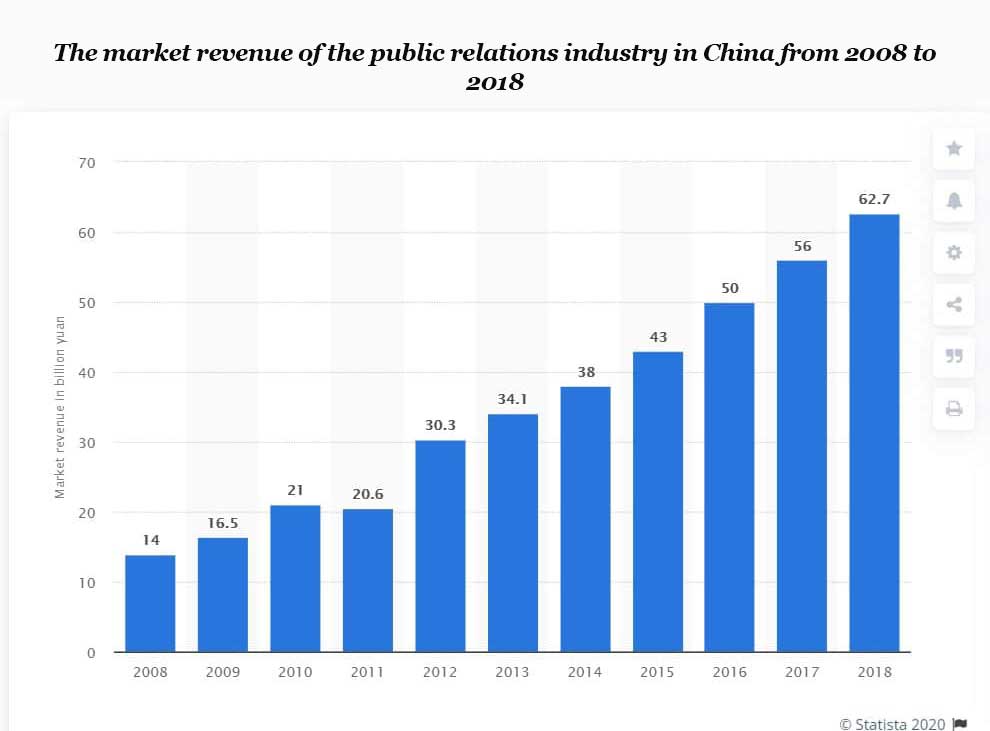
But, do take note that Chinese journalists are fond of novelty stories as these types of narratives are quite popular to the Chinese consumer.
Lastly, please remember that online PR in China is very important as consumers tend to read more news on the internet as opposed to newspapers or the TV. This should affect your strategy tremendously as well.
What Are the Benefits of Public Relations for Brands in China?
Sales and reputation go hand in hand and this notion is even more important in the cosmetics industry. Here are the benefits of public relations for brands.
Increase Brand Credibility
Once again, sales and reputation. Public relations done right will effectively improve your reputation not just broadly but also in specialized communities. You will have a lot of chances to spread a positive word about your brand as well as control your reputation.
Increase Products Sales, and Leads
Your PR strategies are no good without marketing. But, if both aspects are done right, they should guide a lot of potential customers right to your door (or should we say website).
Public relations bridges the gaps between brands and clients so should not be in any way skipped.
Press Relation Changes How Consumers Think About Your Brand
Nowadays, it’s all about the narrative brands put out to support their core values, products, and services. Doing PR in China will effectively either endear or estrange you to your target market. When done right and the messaging is clear, it can effectively change how consumers think about your brand.
Aside from sending a positive message, make sure to release material that resonates and utilizes modern marketing strategies like influencers or content.
Online Press Release in China will Enhances your Online Presence Positively
We did mention earlier that online PR is much more important in this day and age. Everyone is connected through the internet today and there’s no one else in the world that is compared to the Chinese consumer. They do everything online from shopping to paying for commuting.
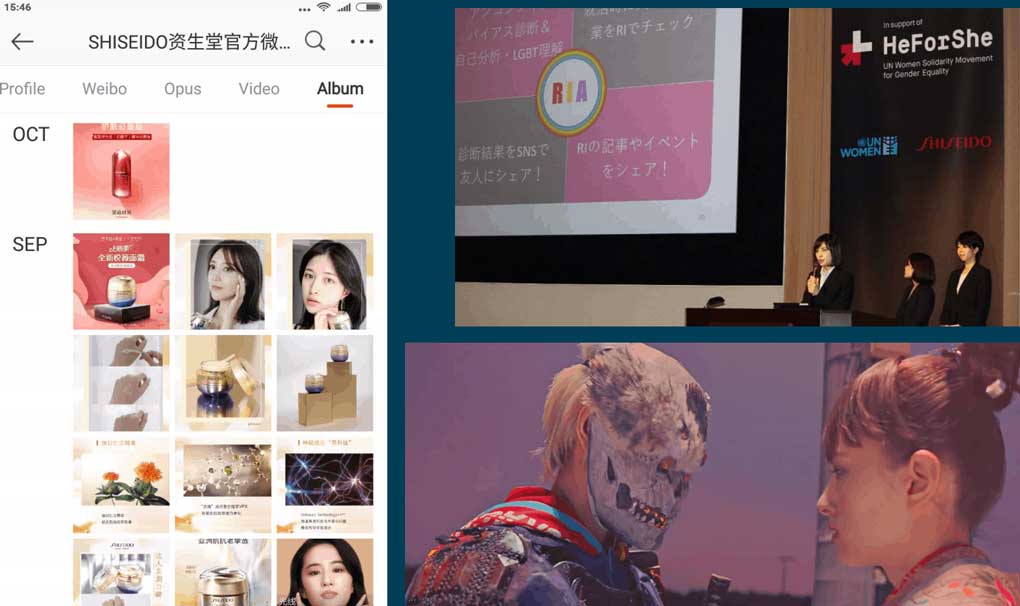
If you are relevant online, you will not run out of business opportunities. Focusing on online PR is crucial for your success.
Through What Means Does Public Relations Help a Brand Reach Its Goals?
We’ve discussed the benefits of PR and now we’re going to talk about how you can go about it. You can discover more about our Public relations in China solutions to get a good grasp of what a smart PR strategy boils down to.
Write and Distribute Press Releases
All considerations aside, it won’t be very hard for you to write and distribute press releases in China. Just make sure to remember to not include sensitive content like politics and anything that violates Chinese law.
Write Pitches About a Firm and Send Them to Journalists
This is your ultimate call to action. Make sure to write speeches that resonate and count to persuade your target market to take action and purchase what you offer. ppitches are less formal than press releases and it’s important to keep it short, make sure it’s relevant to the recipient, make it topical, and focus on relationship building.
Create and Execute Special Events Designed for Public Outreach and Media Relations
Public outreach is the step in public relations that ensures that your target market, especially the specialized communities, is aware that your brand exists. Naturally, the media can also be great partners for your endeavor.
Conduct Market Research on the Firm or the Firm’s Messaging
What entails effective market research? First off, the purpose of the study should be clear and focused on the outlook of the industry that you’re going into. It also needs to pinpoint your target market and also have relevant data to compare with existing competition.
Expansion of Business Contacts via Personal Networking or Attendance and Sponsoring at Events
As you work your way through the minds of your target market, it’s also important not to forget about expanding your business contacts through personal networking and attending or sponsoring events.
You can easily endear your brand to other businesses that may help uplift your reputation through their own influence.
Writing and Blogging for the Web (Internal or External Sites)
Even in China, SEO takes center stage. On-page and off-page SEO is just as important and so don’t forget to work on your relevant content and also make sure to do guest posts on other relevant websites to spread the word about your brand rapidly and effectively.
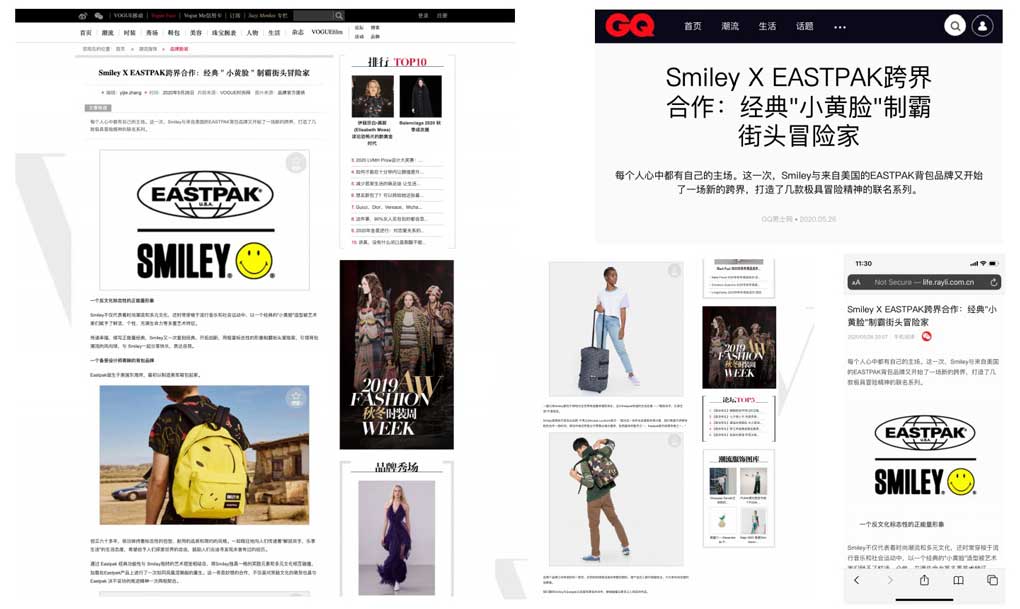
In China, you have many platforms available for this type of content. It can be forums and Q&A such as Zhihu or Baidu Zhidao, but it can also be shopping notes on Little red book (especially important for cosmetics brands in China).
Crisis Public Relations Strategies & ORM (Online Reputation Management)
Make sure to also invest in ORM to shape how your brand’s reputation is perceived by the public. ORM will significantly drive the public’s opinion about your business.
Why do you need Online reputation management in China?
Consumers in China are following brands communication and researching them and their products before placing an order. On top of that, peer review is thriving in China because consumers don’t trust corporate marketing campaigns. Many believe companies will use anything, even if it means being dishonest (see: celebrities & beautiful models). The fact that peer reviews have such an impact on consumers’ buying decisions will push any serious company in China to take ORM seriously.
PR, Social Media community management, and SEO are all excellent ways to manage how you want your brand to be perceived by consumers online.
Social Media Promotions and Responses To Negative Opinions Online
What’s great about social media is that brands will have the capability to engage more with their target audience. China is huge on social media. This is a space that you cannot ignore. Aside from promoting materials that resonate on platforms, be sure to engage correctly with your audience either about a positive or negative opinion.

Public Relation in China: Do’s & Don’ts
Do:
- Understand and keep in mind China’s vertically integrated as well as complex power structure including the stakeholders.
- Develop PR messaging that shows commercial goals that are aligned with that of the Chinese society and government objectives.
- Identify any influencers behind the scenes that are creating issues.
- Address the issue effectively by mapping out the stakeholders.
- Engage proactively.
- Train government relations and PR employees to work well together.
- Adjust strategies accordingly after thorough evaluation.
Don’t:
- Just do what you’re used to as a foreign investor or business owner. Western tactics won’t work in China and you need to adjust accordingly.
- Skip customer engagement, and remember that public relations is a contact sport.
- Be blind to issues and expect them to just go away on their own.
- Forget to utilize socialist and capitalist strategies when looking at a potential PR situation.
Example of Crisis Management in China Through PR
A PR crisis in China can escalate very quickly because of the prevalence of social media and the internet. National pride, government control, and cultural sensitivities will even add more fuel to the fire as things get out of hand.
Remember when Dolce and Gabbana released a video of a Chinese model struggling to eat foods while utilizing a chopstick? Things did quickly go out of hand, but good PR practices will help save the day for your brand.

Good crisis management through PR should be well-planned but can only be executed if your personnel are well-trained. Most of the time, you will need experienced counsel and expert advice in such situations.
Make sure that there’s continuity in your business, that you’re taking care of your employees amidst the crisis, and that you’re listening to the clamor of your customers. Make sure that communication within the organization is not interrupted and that your consumers feel security amidst the chaos.
Need a Smart PR Strategy for China? Contact-us
That’s just how different public relations is in China. To be successful in its market, most specifically in the cosmetics industry, you need to adapt or risk losing business. It’s definitely a high-risk high-reward market. If you need help in navigating the pitfalls of the Chinese market as well as public relations, we are always ready to be of assistance. Talk to us today.