
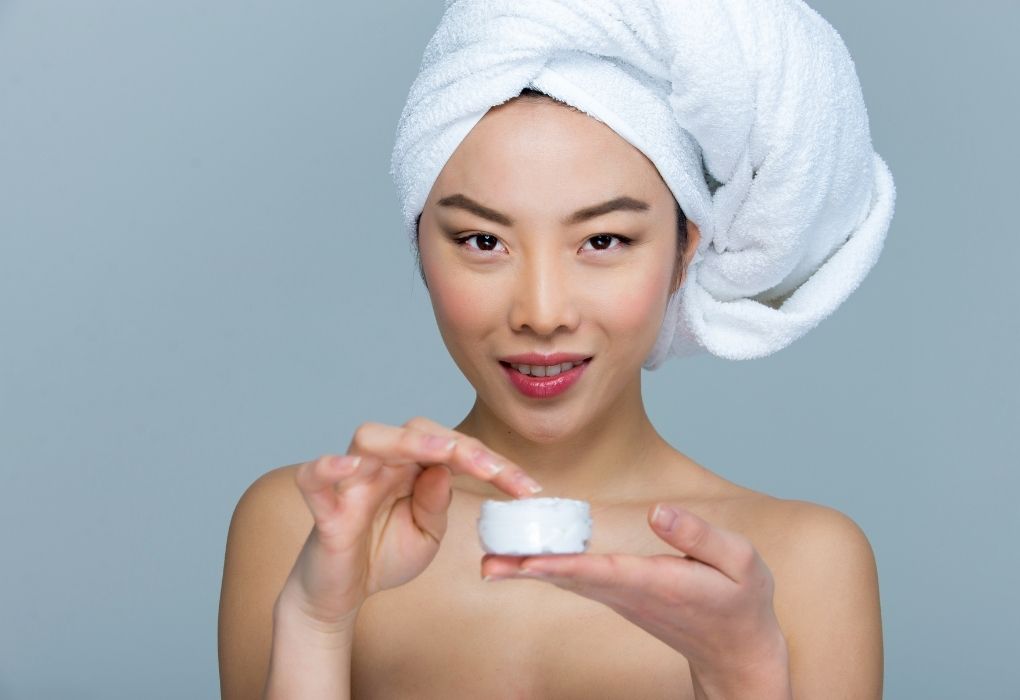
Chinese Millennials are turning 30 years old and are starting to get interested in anti-aging products, as they are reaching the point of aging panic, trying to prevent their skin from changing as they grow older. Millennials are the first generation of Chinese people who put a lot of importance on themselves and spend money on self-care and well-being. As the younger generations will only follow that trend, pushing it even further, the market is growing at a fast pace, recording year-on-year growth of 12% in 2022.
Some anti-aging cosmetics can even exceed brand-new Louis Vuitton bags in terms of price, but Chinese consumers eager to prevent premature aging seem not to have a problem with this, investing heavily in anti-aging solutions from a very early age. In this blog post, we will take a look at the anti-aging market and examine the opportunities for foreign brands to sell anti-aging products to young Chinese women and men in China.
Overview of the Anti-Aging Market in China
The fear of getting older is becoming a real obsession for Chinese people and a real gold mine for cosmetics companies. According to a report by the British Health Care company, BUPA, which asked 12,262 people in 12 countries about their attitudes toward aging, people in China are among the most fearful of getting old.
Asia-Pacific anti-aging market was estimated at 8.09 billion dollars in 2022 and China takes the biggest share of the market. And despite the ageing population, Millennials are becoming the dominant consumer interest group.
Young Chinese: the main consumers of anti-aging products
China is becoming the largest consumer market of anti-aging creams, especially among the youngest, who spend about 20/40 percent of their annual salary on luxury goods in the cosmetics sector. They treat personal care as a top priority, and skincare is the biggest sector in the beauty market.
Anti-aging skincare products from domestic and foreign brands are flooding the market and the demand for anti-aging solutions is constantly growing, as the main consumer group is becoming more wealthy and able to spend more on themselves.
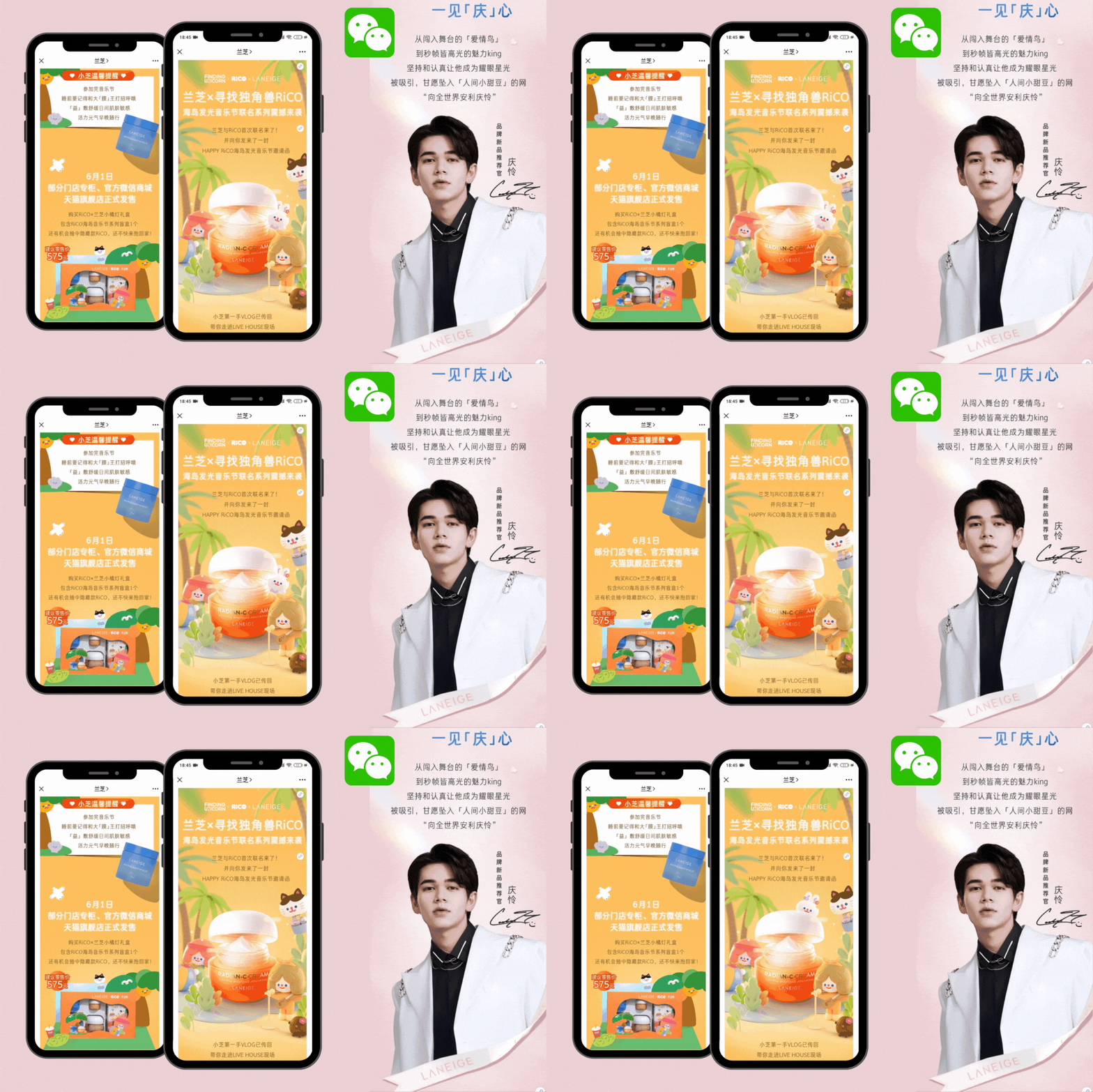
Those who overturned the statistics were women between 20 and 29 years, who spent 2.6 times more than in the previous years. They spent more even compared to the mature women with a greater economic availability who instead believe less in the miracles of the anti-aging creams and invest in plastic surgeries, at-home beauty devices, collagen boosters, or other corrective procedures that offer rapid results.
China drives the growth of foreign beauty brands
Chinese consumers tend to trust foreign companies more when it comes to cosmetics, driving the growth of beauty brands such as L’Oreal, Estee Lauder, Vichy, Evoleum, or Lancome. Those businesses see a year-on-year increase in sales, thanks to consumers’ approach to domestic cosmetic brands.
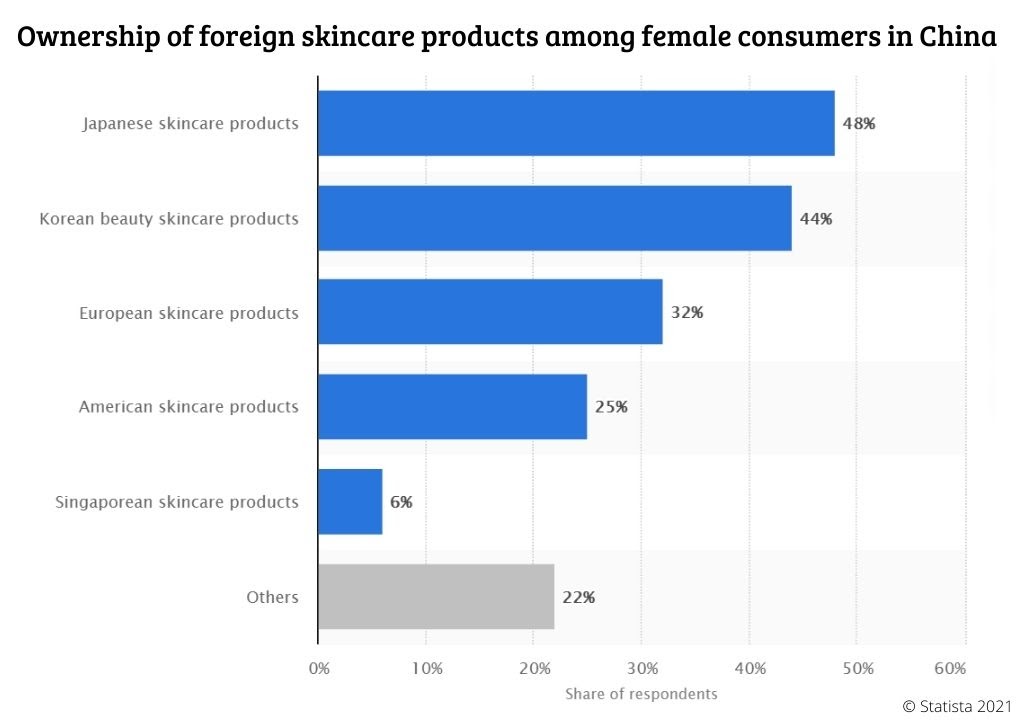
As you can see from the data from Statista above, Japanese and Korean cosmetic products are the most popular among Chinese women, and European brands, with the majority of them being French, are also very popular on the market in China. The owner of La Mer, Tom Ford Beauty, MAC, and the South Korean skincare brand Dr. Jart+, saw a general crisis during the last year, but it also has a gradual recovery from COVID-19 primarily due to China, which has become Estée Lauder’s third-largest online market.
How Can You Sell Anti-Aging Products to Chinese Consumers?
Companies need to know which strategy is the most appropriate, and which platforms can give the best results in order to reach their target persona. Two essential points to follow for selling anti-aging products in China are BRANDING and DISTRIBUTION. Actually, these two factors are important for any kind of business on the market in China, especially if you want to sell to young consumers.
Sometimes it is difficult to find quality distributors when you do not yet have a high profile and high visibility, therefore branding and good e-reputation should be your first focus points.
For anti-aging skincare branding is key
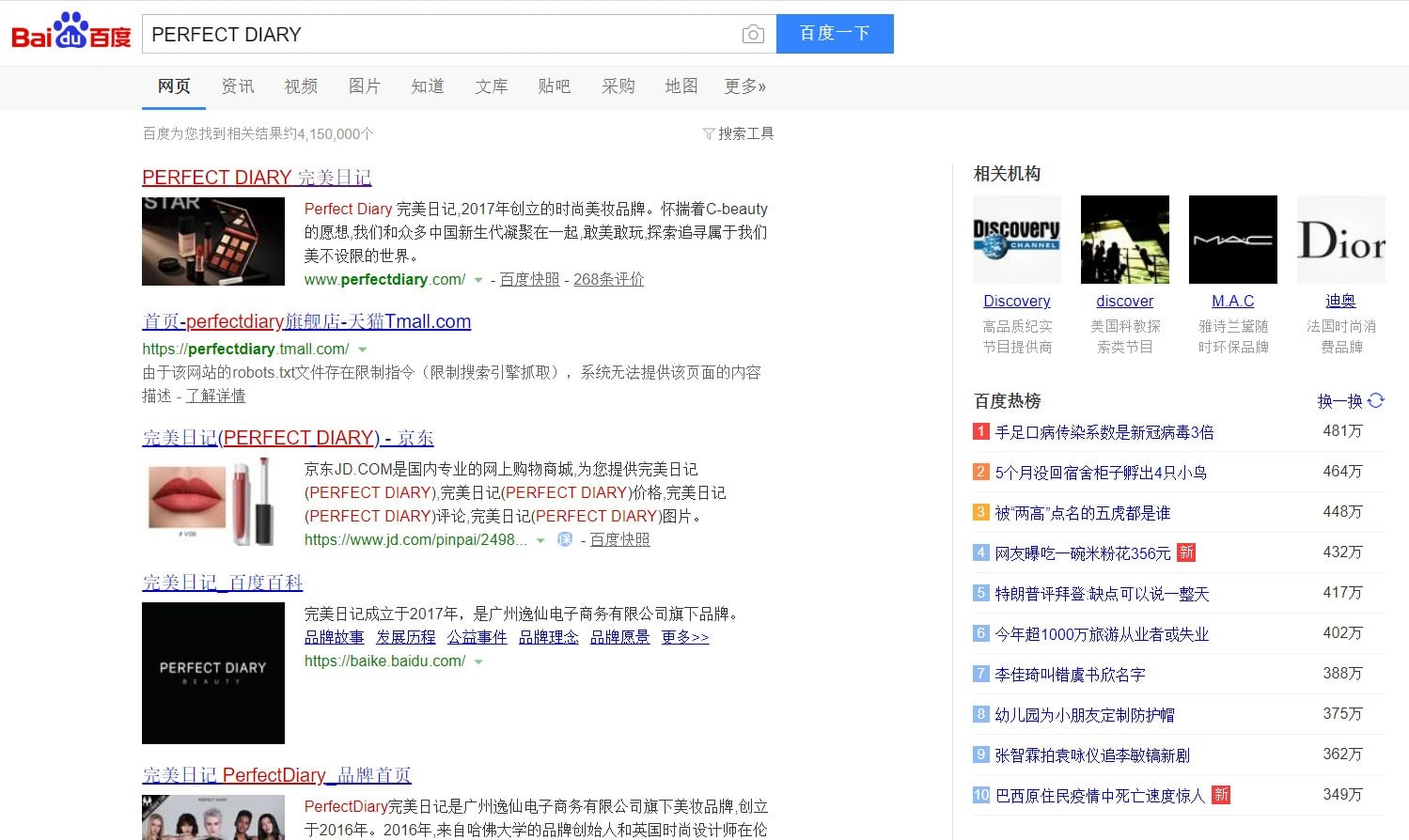
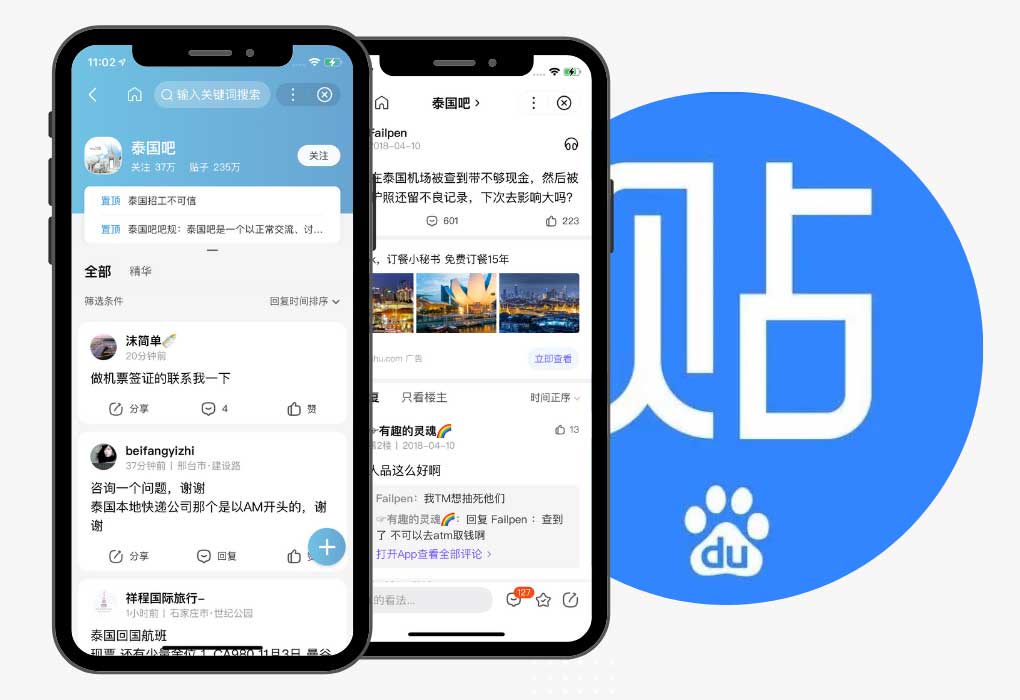
In China, branding is of paramount importance and this is what will determine whether consumers will buy the product or not. The solution for having a better brand image is an online presence. The reputation develops gradually, it is necessary to have a Chinese site available on Baidu and to share content in forums like Baidu Search, Zhihu, and Baidu Tieba, where people form communities around a specific topic and share their opinions and recommendations.
Chinese website
Having a Chinese website is the base for building brand awareness in China and it is important for all industries. The website needs to be hosted in China and done in Chinese, so all the people interested in skin aging products will understand your offer.
The importance of a Chinese website hosted in China is also due to the fact that Baidu favors those websites over foreign ones. So, in terms of good search engine optimization, a Chinese website is the key to ranking on top of the search results page.
But what is important to understand in terms of having a website in China is that its purpose is not to sell products. People check websites to learn about the brand and skincare products it offers, but when they do their research, they will move to e-commerce platforms and online marketplaces to purchase skin-care products that they are interested in.
E-Reputation
Build a strong brand awareness online with ORM (Online Reputation Management. ORM is the art of having only what you want to be visible showing up in the search results. You can engage with female respondents of your content on social media platforms, work with Chinese influencers that will promote your brand to their audience, and therefore build trust towards your brand among their followers and many more.
PR & Forums are also incredible to improve your e-reputation. They are ORM tools. With PR, you have a reference of your market talking about you. Forums are great tools for organic talks and credibility. Having your products discussed on forums by previous consumers will help your brand win the trust of a larger audience. PR and Forums tend to rank quite high on Baidu, it is, therefore, a good tool to get more organic qualified traffic to your landing page.
Chinese influencers (KOLs and KOCs)
Chinese influencers, called Key Opinion Leaders (KOLs) and Key Opinion Consumers (KOCs) cannot be ignored, especially when we are talking about fashion and beauty markets. There are many influencers that are well-known across all social media platforms in China in the beauty sector and already promote many skin-aging and anti-aging cosmetics to their followers.
Brands can work with Key Opinion Leaders, which are big influencers with millions of followers, but they are expensive, and only big brands can afford them. Also, they really often are brand ambassadors with contracts and it’s hard to attract their attention if you’re not a big and well-known brand globally.
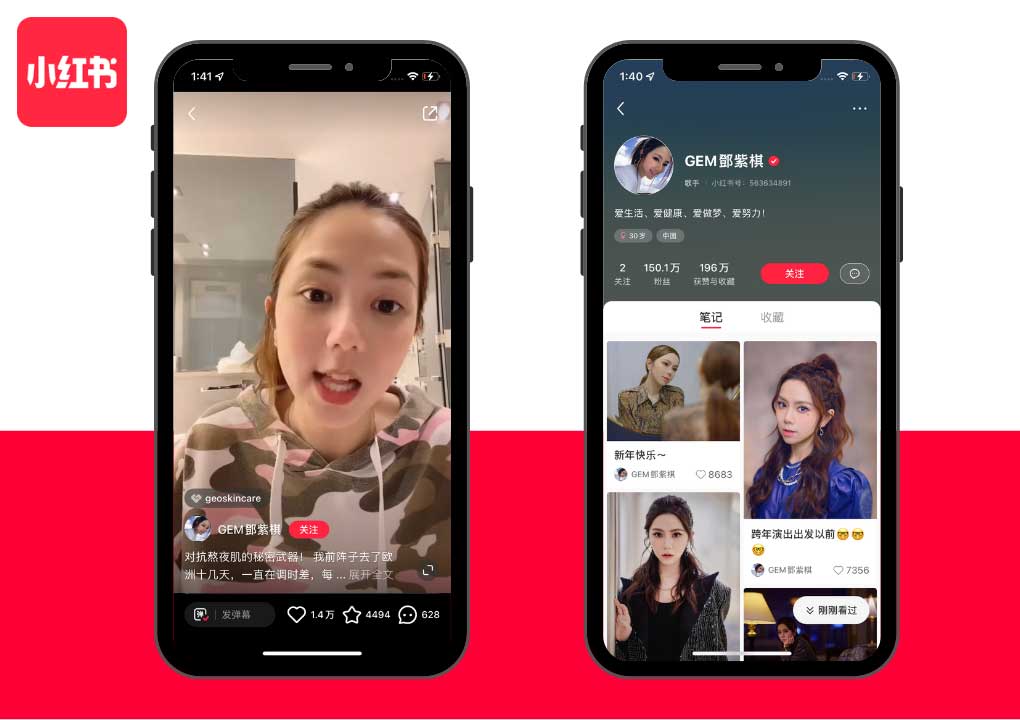
The trend in 2022 is the use of “Micro-Kols” and Key Opinion Consumers. Micro-Kols have a smaller following but therefore, they engage more with their audience and can deliver rapid results, as their followers trust their judgment. Key Opinion Consumers are consumers of products they are promoting. They are daily users that recommend anti-aging eye creams and other cosmetics because they are satisfied with them and want to share them with a bigger audience.
We would not suggest going for the KOLs strategy only if your brand is unheard of in China. Kol Marketing comes as a wonderful complement to a more global effort. Basically, if people hear of you through Kols but then can’t find anything on Baidu, you won’t get any sales.
Chinese Social Media
It’s hard to market anything nowadays in China without a presence on social media. When it comes to the anti-aging market and promotion of anti-aging cosmetics, we advise you to have an account on WeChat, Weibo, Little Red Book and Douyin, as those are the places where your consumers tend to look for products and recommendations.
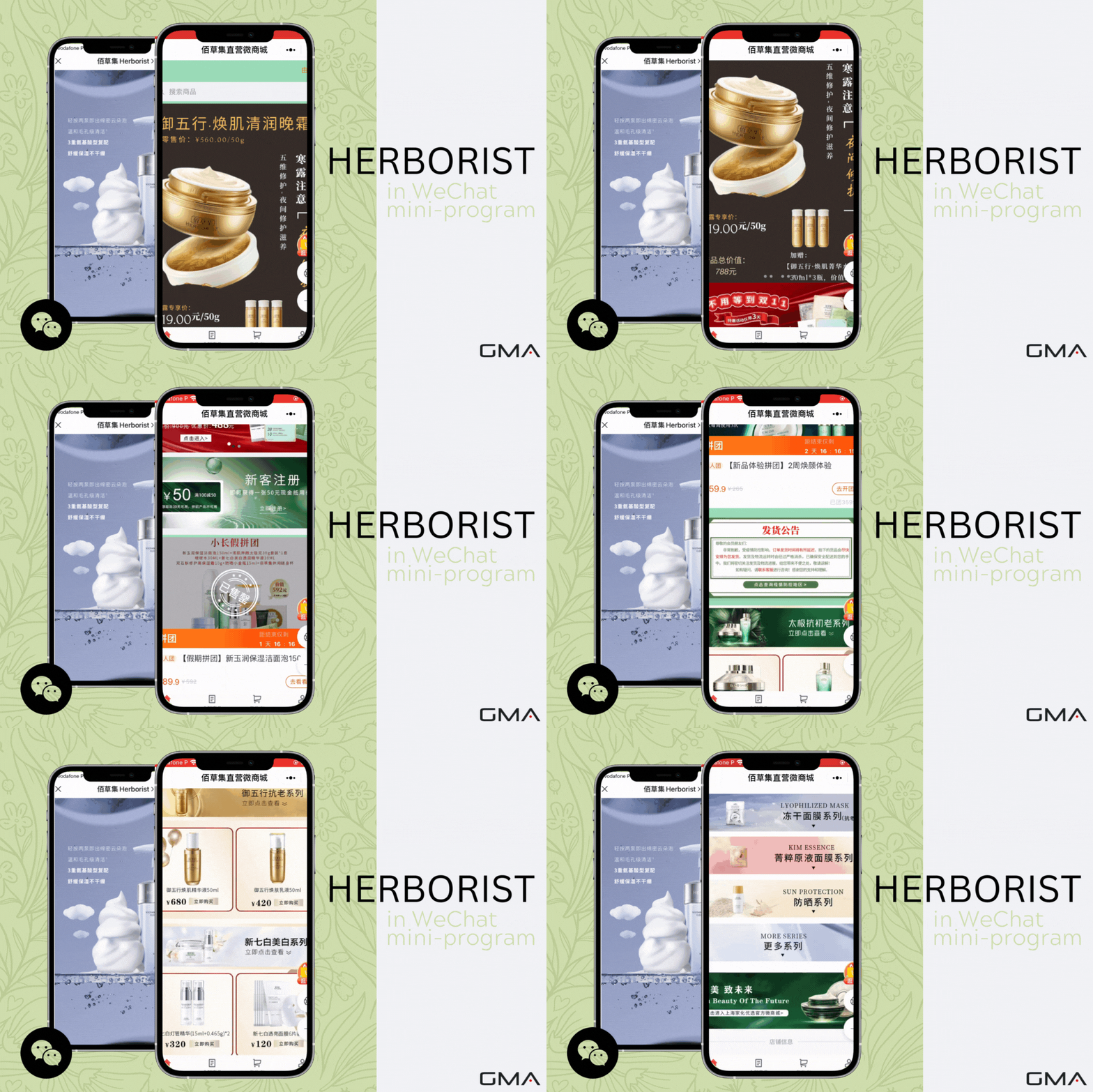
The most important platform to be on is WeChat, as it has over 1.26 billion registered users as of 2022, so the chances are, that literally all of your customers have an account there. WeChat offers many features that are very useful for brands. The most important is to start by setting up an Official Account which will help customers to get to know your brand and get all the updates and newsletters about new anti-aging products.
With an Official Account, you can later create a WeChat Store, where you can sell your cosmetics before entering bigger online marketplaces such as Tmall or JD.com. You can also create a WeChat H5 Brochure, which is an interactive presentation of your brand and products inside the WeChat app. there are many possibilities for promotion on WeChat and we can help you with the best WeChat strategy for your products.
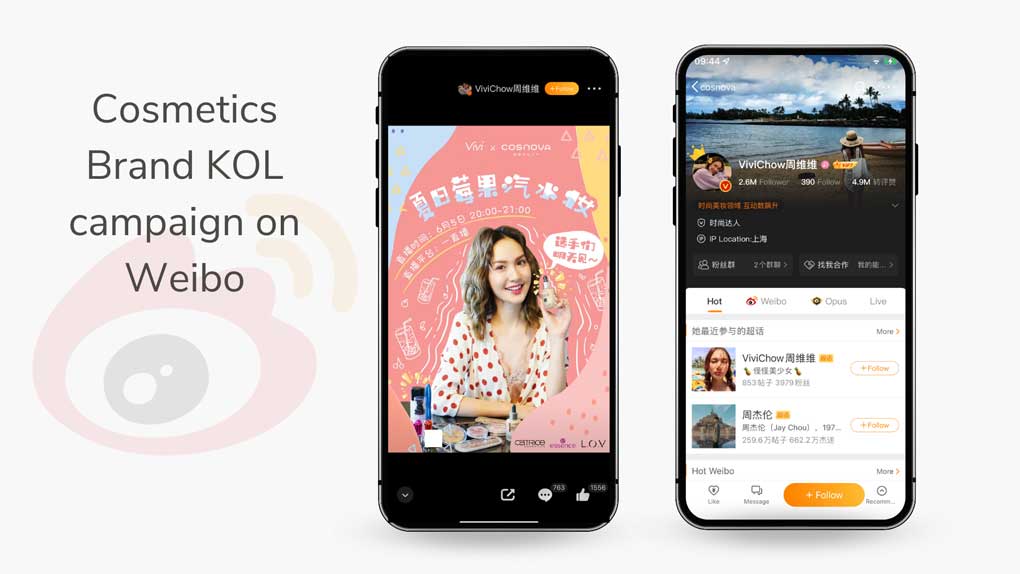
Although WeChat is the go-to platform for checking brand information and updates, it’s a closed ecosystem and it’s rather hard to find new customers there. But for this purpose, you can start an account on Weibo, the biggest micro-blogging platform in China. There, you can reach a bigger audience and engage with people through polls, and questions, you can organize lucky draws and promotions, can work with influencers, and much more.
Little Red Book
Xiaohongshu/Little Red Book started as a platform for sharing tips, reviews, and recommendations of clothes and cosmetics and it’s still a core content category. The platform is called Chinese Instagram and the content is mostly user-generated. It’s the best platform for fashion and beauty brands to build e-reputation and branding, especially through influencer collaborations. Little Red Book also has it’s own e-commerce platform which is very convenient for selling product promoted on the platform through live-streaming and other content formats, as you can link the products directly on posts.
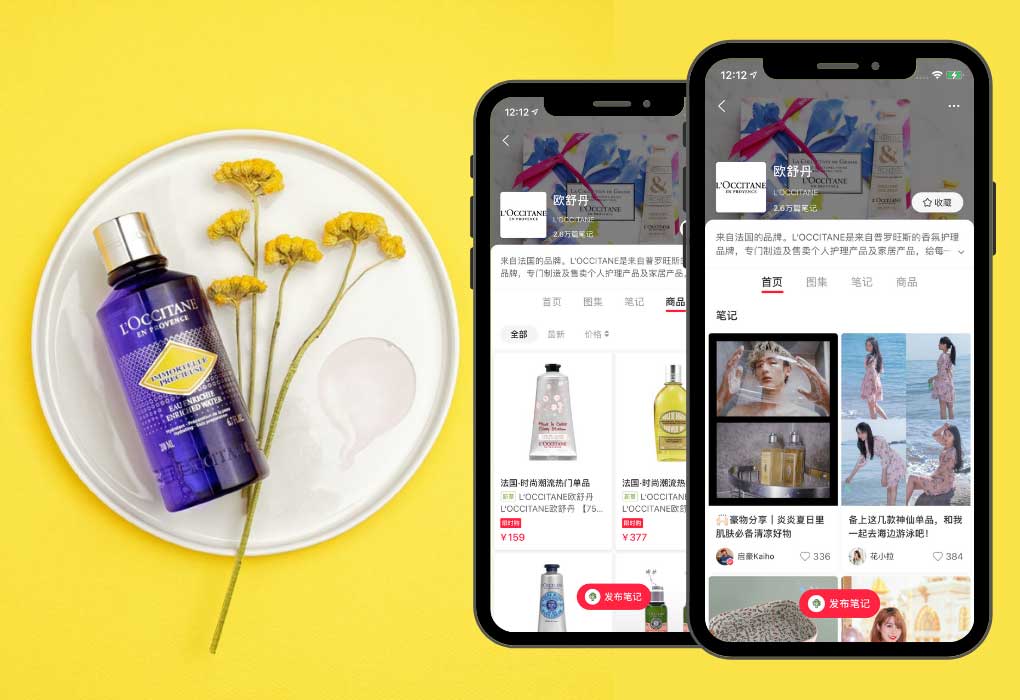
Social media should be part of your marketing strategy in China from the beginning (just like Baidu SEO). Creating official accounts on Chinese social media and promoting those accounts is necessary to build brand awareness and create engagement with your target audience.
Sell anti-aging skin-care products on e-commerce platforms in China
If you want to sell in China, you have to integrate the Chinese e-commerce platforms. Chinese customers are frequently online, they buy everything online. The most popular e-commerce platform in China are Tmall, JD.Com and Taobao. To enter these platform you need a bigger investment, as starting a shop on any of them requires a lot of downpayments. E-commerce platforms will bring you the most visibility and the biggest sales, as most of Chinese women and men shop there for anything, starting from age-prevention cosmetics, up to live animals.
You can target any age group on those platforms, as people all ages shop online in China but what is important to know is that they will buy only from well-known brands. That’s why, entering online marketplaces with your anti-aging solutions requires good branding and establishing a name for your brand before, so that people already know who you are and what products do you sell.

Just like for cosmetics KOLs marketing, eCommerce should not be the only step of your brand journey in China. You may get visitors, but if they can’t get anything on your brand on the internet, they won’t buy and your conversion rate is going to be abysmal.
Branding Your Anti-Aging Cream is Essential to Find Distributors in China
Not only branding will help you connect with your target audience and build your brand name in the Chinese anti-aging cosmetics market but also will help you get deals with Chinese distributors. Chinese distributors are just like Chinese consumers. They are looking for winners, for brands that already exist in China and that are legit. Why? Because distributors know very well that Chinese consumers are difficult and they don’t wanna take any risk when choosing a brand to distribute especially when they receive dozen of offers like yours per week.
By finding the right distributor, you will be able to sell your products on online marketplaces without the need of starting your own flagship store there. You will also have the means to enter offline distribution channels, like cosmetics stores or supermarkets.
Contact Us to Start Selling Your Anti-Aging Creams in China!
Do you want to know if your products or brand is suitable for the Chinese market and how it works? GMA, an expert in Chinese digital marketing and foreign business in China, can give you the answer and help you to win the market. We can walk you through Chinese Internet landscape, help you build your own Chinese website, find the right distributors, start and manage your social media campaigns and many more.
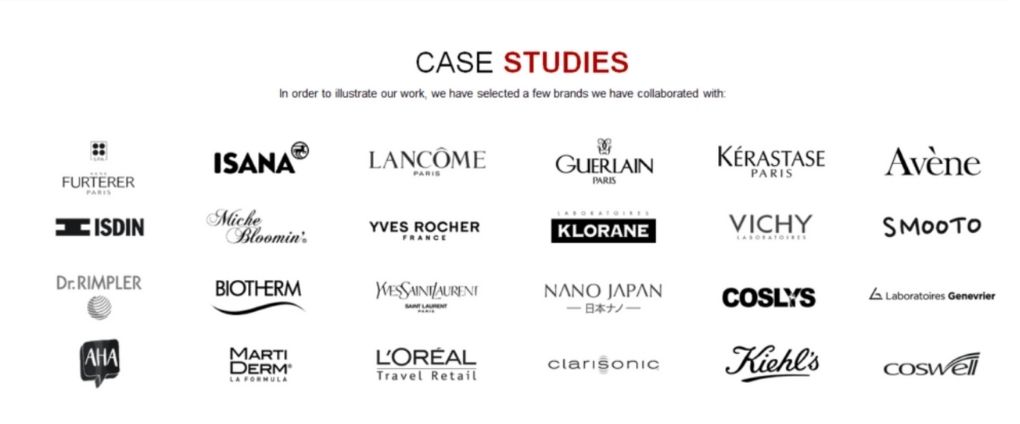
We have more than 10 years of experience with working with over 600 brands from different industries. We can help you find the best solutions and build suitable marketing strategy for your brand in China.
We are capable to promote your brand reputation in Chinese society. Our team, made up of Chinese and Western marketing specialists can work out a cost-efficient strategy to boost your sales in China.
Feel free to contact us if you want to develop a market for your product or service in China.
3 comments
Mario Matute
I am interested in anti aging products, How can i go about ordering samples and then purchasing? I am in Los Angeles, California but we want to sale in Central America.
thank you
Mario Matute
Alexa Cheng
Fuli Group is an established leading distributor of genuine designer branded fragrances and cosmetics in China, we are searching to resell more Western Brands, contact us for more information
admin
Thank you Miss Cheng, we register you in Our Distributor List