

In the past few years, pets have become a growing trend in China as more and more Millennials and Gen Z turn to animals for companionship. This is partially due to the influence of Western culture where caring for companion animals has long been famous.
The pet market grew even faster during Covid-19 lockdowns with many Chinese consumers looking for comfort from their furry friends, growing the pet economy. Keeping up this positive trajectory, analysts estimate that by 2023 China’s pet industry will reach over $66 billion dollars – showing just how much our four-legged pals are appreciated, especially among young people!
China’s pet industry
In 2020, the pet market in China reached $46.3 billion. The growth rate (CAGR) was 32.74%, the biggest increase in the world. The Chinese pet market has gradually matured with 10 years of fast development, and in 2023 it’s predicted to reach more than $66 billion. In the past five years, the number of pets in Chinese cities grew by nearly 50%, showing the huge potential of China’s pet market.
At the point when the principal Asian pets show was held in Hong Kong in 1997, China’s pet industry entered another period. Over a long time since the occasion, China’s pet market grew rapidly and demonstrates considerably more potential for development.
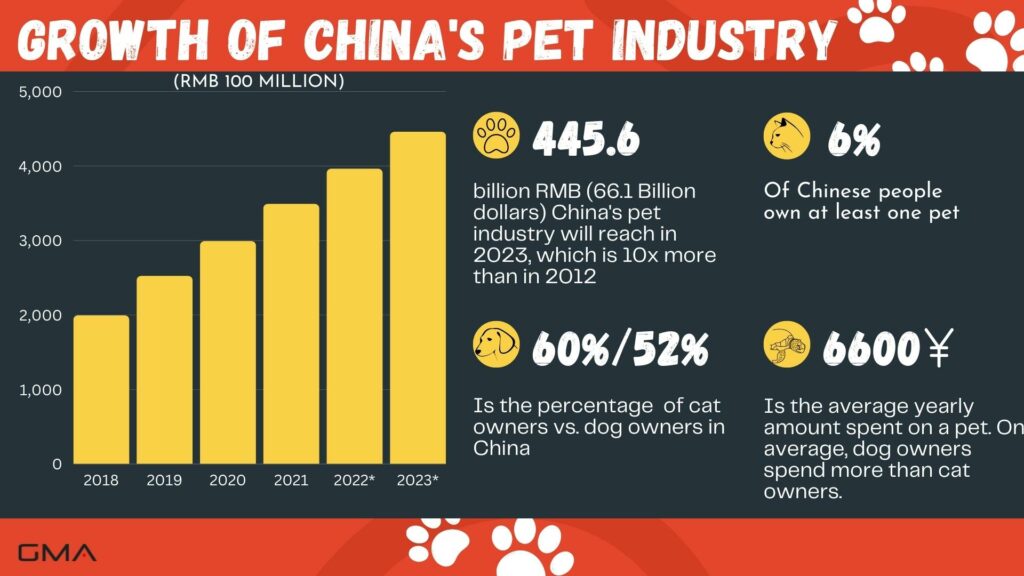
With pet ownership rates currently standing at only 6%, Chinese citizens are rapidly embracing the joys of animal companionship. This is evidenced by estimates from Statista, which report that there have been over 200 million pets in China (2021) – a stat dwarfed significantly when compared to other countries such as the US where there are 67% of pet owners.
Pet owners demographics: who owns pets in China?
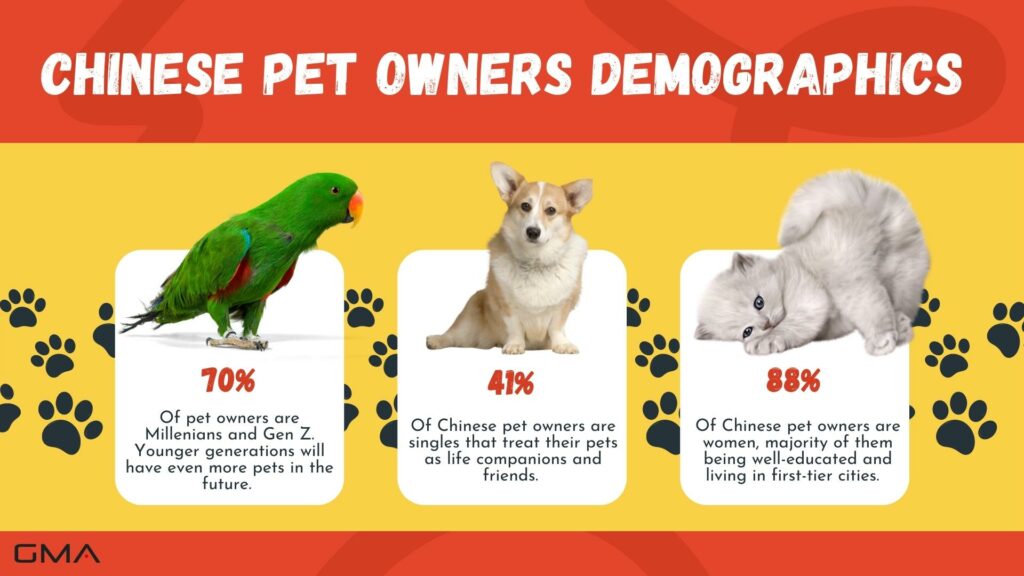
An increasing number of Chinese Millennials and Gen Z are turning to pet ownership as a family alternative, with research indicating that 50% were born after 1980, and 20% after 1990. These younger generations represent an untapped consumer pool when it comes to the lucrative market for pet supplies – pet food, pet services, and other pet products.
With urban citizens generally having higher incomes coupled with low levels of childbearing among this demographic means companies can capitalize on these passionate consumers who view their pets as members of the family; 41% being unmarried singles in particular.
Which pets are the most popular among pet lovers in China?
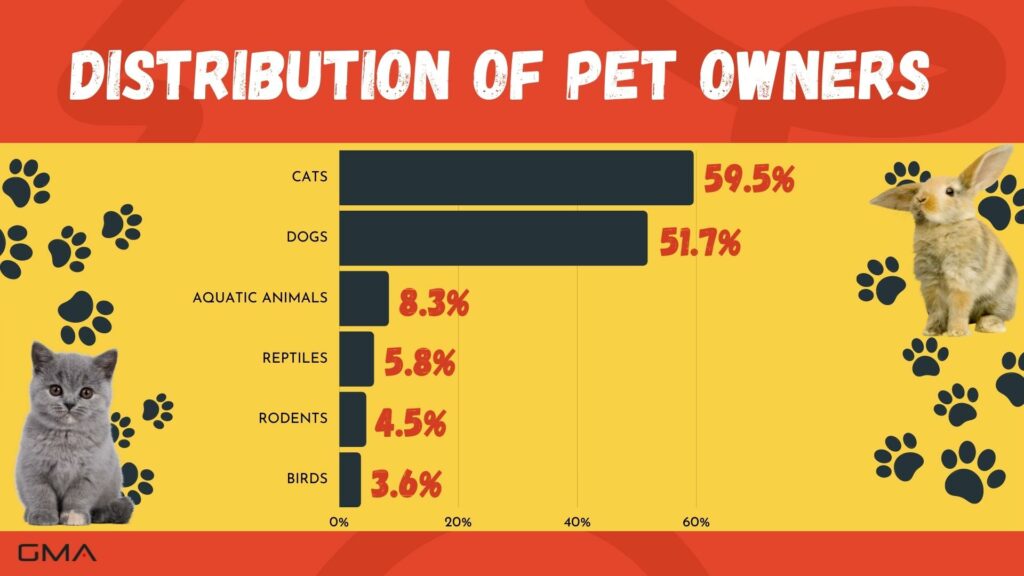
Despite the common assumption that dogs are more favored than cats, figures suggest otherwise in China. According to statistics released at the end of 2021, cat owners outnumbered dog owners with 58 million and 54 million respectively.
What’s interesting is that year-on-year growth in the cat market has seen a 20% increase compared to 4% when it comes to pet dogs. According to China Briefing, the cost could be one factor behind this preference; on average spends 390 dollars annually per dog versus 270 dollars spent by each cat owner yearly.
Apart from traditional pets, there are also some pet owners that favor exotic pets, like aquatic animals, reptiles, rodents, and birds. Birds are especially preferred among older pet owners, that like to take them for a walk in the park on daily basis.
Is that the future of the pet industry in China?
In spite of the fast development of the pet market in China, it is still a long way from being fully grown. It is still a developing industry and necessities to end up distinctly more industrialized and managed to grow and advance. The collaboration of pet proprietors, the assistance of expert individuals, the participation of associations, and broad communications and gaining from abroad are all crucial to the improvement of the market later on.
There are also many novelties in China’s pet industry and skeptics are afraid that robot pets will take over China’s urban pet market in the upcoming years.
Difference in Pet Markets of Southern and Northern China
In the northern region of China, customers and pet owners are more centered around the costs of items, and they are acclimated to expanding in settled shops. The items are for the most part focused on the lower and medium classes. While the size of chain shops is huge, there are few pet boutiques.
The buyers of the north China pet market are for the most part school taught individuals around 30 years old. There are two pet markets, about 20 boutique shops, more than 30 offices, and about 400 retail pet stores in Beijing. The greatest chain shops are Kudi, Lechong, Percity, Tom Dog and Paiduoge.
In south China, shoppers and pet owners are more centered around the brand and are additionally ready to attempt new items. The pet food market is bigger, with more sophisticated options, and it’s the same when it comes to pet services, like animal welfare and pet hospitals, yet there are more boutique shops in Shanghai(上海). China’s pet owners there are additionally more inclined to buy pet products online.

Future Forecast
With the improvement of the online market, pet-related items are developing as it acquires online clients. Measurements from Taobao (淘宝网) demonstrate that pet-related items make up around 7% of aggregate merchandise sold in the pet industry.
Notwithstanding this development, there are sceneries that may frustrate the pet industry’ further development. For instance, there are insufficient administration specialists in the pet business to take care of the developing demand from Chinese pet owners. Chinese residential items are not also known as outside brands, which makes them less focused on the global market.
Pet Care In the Chinese Market
Pet owners in China are willing to spend money on their furry family members, with spending rising by 33% annually since 2016.
At present, Chinese pet owners are most likely to purchase pet food and treats as well as pet products related to health and wellness such as medicines, supplements, and veterinary services. These purchases make up nearly half of all spending within the industry and both categories have seen dramatic growth over the past few years.

Luxury products for pets
In addition to these traditional products, there has been a surge in sales of luxury items such as designer accessories (e.g., clothing), furniture, toys, and even wedding supplies for pets! Prices range from low-cost items like pet clothing starting at $9 USD going all the way up to custom-made luxury beds which can cost upwards of several hundred dollars per item – demonstrating that price point is not an issue for many consumers when it comes to their pets’ needs.
Furthermore, there appears to be ample room for innovation within this sector given that Chinese customers tend towards premium goods yet offerings such as organic cat litter or natural hygiene wipes remain niche sections within the market at present.
As more Chinese people become pet owners we should expect continued growth in this sector leading not only to greater optionality but also more sophisticated product offerings tailored specifically towards customer needs – allowing savvy entrepreneurs a unique opportunity to capitalize on this evergreen market segment!
How to sell pet products and pet food on the Chinese market?
To capitalize on China’s urban pet market, it is crucial to understand the needs of Millennials and Gen Z customers. Consumers in this demographic heavily rely on online research as well digital shopping when selecting food and other supplies for their pets – data reveals that an overwhelming 74.5% invests exclusively in e-commerce to buy pet food while 80% source all necessary products through e-commerce and social media platforms unaccompanied by physical store purposes.
Focus on branding with an online presence on Baidu
To succeed in the competitive Chinese market, companies from all sectors must prioritize their branding efforts. Establishing an online presence is essential for creating brand credibility and trust with potential customers; it also allows your business to be shared on social media platforms and generate organic interest over time.
Moreover, e-commerce vendors are much more likely to stock a product if they know that there’s already existing demand – without connections or visibility within China itself, selling goods can become difficult.
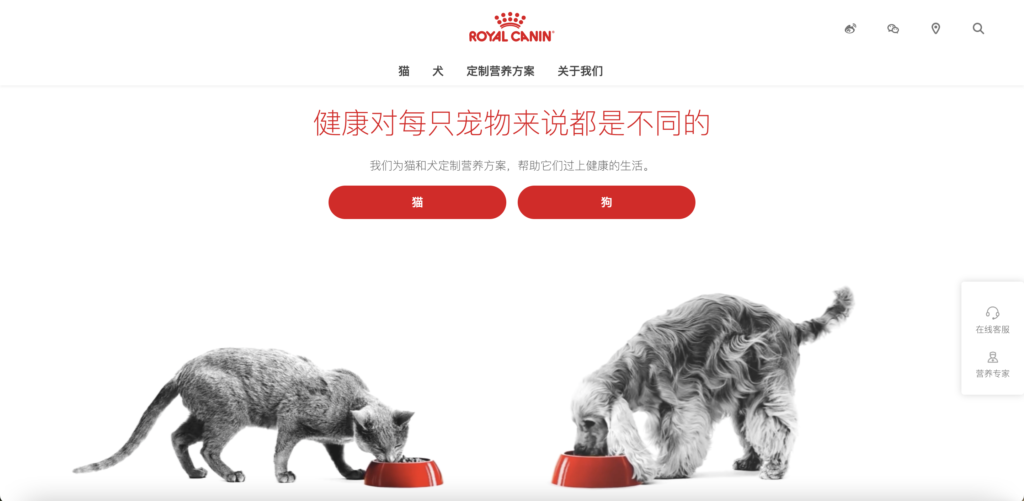
Baidu it’s the most popular search engine in China, therefore it’s important to have a Chinese website hosted in China, alongside a presence on Baidu forums and platforms, so that you’re reach a good position in Baidu’s search results.
Promote your brand on Chinese social media platforms
Gaining credibility in the Chinese market is essential and having a localized website serves as an important foundation. However, to truly succeed within China’s digital environment it’s vital to utilize its dynamic social media platforms for your marketing strategies- that’s where customers are receiving their recommendations and inspiration from!
We recommend having official account on Wechat, Weibo, Xiaohongshu and Douyin, because those are the social media platforms that Chinese younger generations are using the most. You can leverage different features like official accounts, different content formats, live-streaming, influencers and own stores within those platforms.

Enter Chinese cross-border e-commerce platforms
After developing effective branding strategies, companies can further their reach into the Chinese market by joining renowned e-commerce platforms such as Tmall Global, JD Worldwide and VIPshop. As most shoppers prefer to purchase directly from these online marketplaces for convenience purposes due to extensive visibility it provides them with a great opportunity for achieving sales growth.
Pet owners in China go above and beyond when investing on nutrition products, grooming supplies or health care treatments – which is why considering showcasing your high quality pet related items via this ultimate digital shopping hub could be key in underpinning success!
We can help you reach pet lovers in China!
The pet market in China is still untapped, so now it’s the perfect time to enter this lucrative sector. Pet ownership becomes more and more popular among young people around the world, and as they treat their pets as family members, they are willing to spend a lot on their pupils.

We are a China digital agency with more than 10 years of experience in the Chinese digital. We have Chinese and foreign professionals that have know-how and experience with brands from different industries.
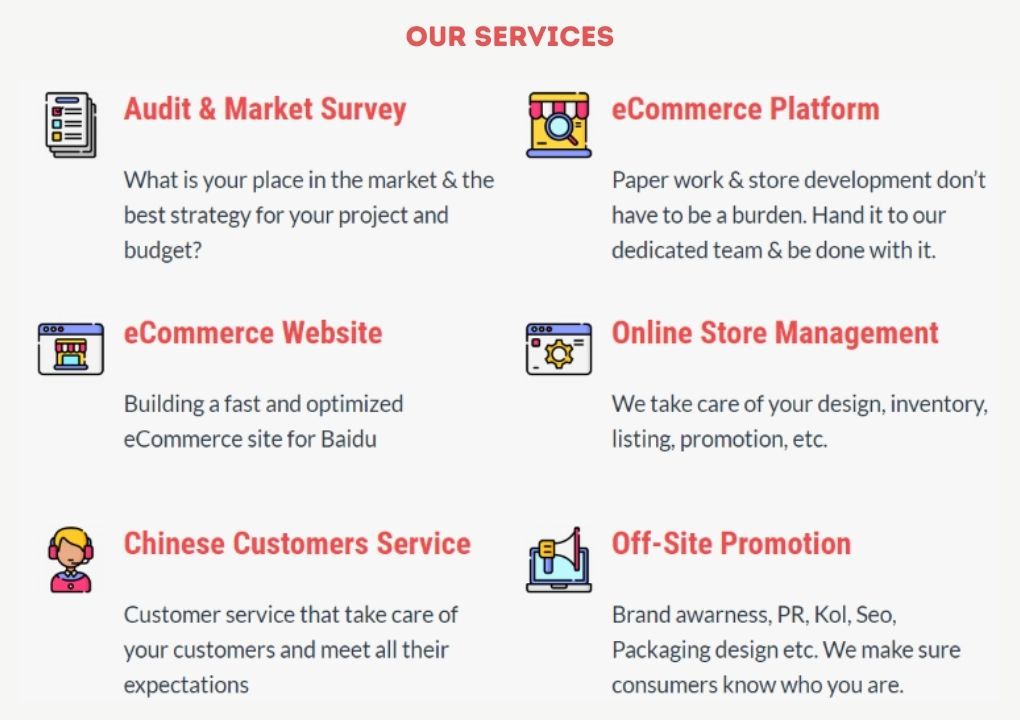
Don’t hesitate to leave us a comment or contact us to discuss your future in China. We offer a free discovery consultation when one of our experts will get to know your brand and present opportunities on the market.
2 comments
Max
Chinese stop to eat dog, they care about their Pet now.
Your dad
Commenting bias things on China but still read “Trends And Future Of The Pet Market In China”. Come on, don’t be so shy, I know you love China.