

In recent years, the health and wellness industry has seen a boom with an increasing focus on self-care and relaxation. One such essential product making waves in this market is the eye mask. It is often used to provide comfort during sleep or for stress relief.
Eye masks come in various types, from hydrating agents to herbal options and luxury travel accessories. But when it comes to the popularity of these trendy items in China – a country known for its rich tradition of cultural masks and medicinal herbs – are they really catching on? We’ll take a look at Chinese eye masks and their impact on beauty trends, purchasing preferences, and e-commerce strategies in this thriving market.
Quick Eye Masks Market Overview
The Chinese eye mask market is crucial for foreign businesses. It has a large size, quality, affordability, manufacturing capabilities, and export potential. It presents an opportunity to tap into a growing market, source affordable products, and potentially expand its reach.
Eye masks, also known as sleep masks or eye patches, have been used for centuries in Chinese medicine. It promotes relaxation and improves skin health. In recent years, the demand for these products has exploded alongside growing interest in self-care and wellness.
Market Size And Growth
The global eye mask market has been experiencing exponential growth, it was a market size of USD 2.00 billion in 2021. This figure is soaring further, showcasing an impressive revenue CAGR of 5.3%.
This is one of the largest and booming markets for beauty and personal care items. China holds immense potential for Quick Eye Masks and other similar products within its health and wellness space.

Preferences And Purchasing Behavior
One notable trend is the increasing demand in the burgeoning eye sheet mask and eye massager markets.
Chinese consumer preferences are primarily influenced by:
- the quality
- price point
- the convenience of use
- brand reputation
- innovative features within eyecare products like quick eye masks.
Many local shoppers gravitate towards all-natural ingredients or technology-driven gadgets. These promise long-lasting effects or easy application methods.
Foreign businesses can optimize the Chinese eye mask market potential. They can do this by expanding product offerings based on Chinese buying habits. To understand these habits, they can use online platforms like Tmall Global. By studying transactions of similar brands across China, businesses can learn about purchasing power. Then they can tailor their offerings accordingly.
Action Plan – Key Takeaways
What Are The Best E-commerce Platforms For Eye Masks?
As for the best e-commerce platforms for eye masks, Taobao and Tmall are great starting points. These online marketplaces have a wide reach and offer a variety of products at competitive prices.
They also have built-in payment options and logistics support, making transactions smoother.
It’s also worth noting that having your own website can be advantageous in building a strong brand presence. Platforms like Shopify and WeChat mini-programs allow businesses to set up their own online stores with minimal hassle.
Consider partnering with influencers or KOLs (key opinion leaders) who specialize in beauty or sleep-related content.
Store Page And Products Page
In China, the online shopping experience is highly visual and user experience (UX) driven.
Therefore, having aesthetically pleasing store and product pages is crucial for attracting potential customers. When designing your store and product pages in China, consider using high-quality images or videos that showcase your products in detail.
Make sure that your website loads quickly on both desktop and mobile devices since mobile commerce dominates China’s online shopping space.
Partnering with a local agency like GMA can be helpful when navigating the nuances of Chinese e-commerce design. Meanwhile staying mindful of cultural differences and legal requirements for operating an online business in China.
Payment Options And Logistics
In China, online shopping is the norm, and digital payments are a common method of purchase.
Payment methods range from Alipay to WeChat Pay and UnionPay, each offering unique features such as mobile payments or contactless transactions. Shipping and fulfillment in China are also well-established industries with companies like Cainiao and JD Logistics leading the way in supply chain management.
Consumers value fast delivery times, often receiving packages within 24 hours after placing an order. Crossborder trade is also becoming increasingly popular for international brands looking to expand their reach into China’s e-commerce market.
Stay informed about regional insights on express delivery markets like the Asia Pacific region to make strategic decisions about shipping options and costs.

Pursue An ROI-oriented Marketing Strategy
As a top priority for any business, pursuing an ROI-oriented marketing strategy. It ensures that every penny you invest in advertising generates returns. This means aligning your marketing goals with your business objectives. Also to track key metrics to measure success. Here are some steps to take:
1. Define your marketing metrics – Identify the key performance indicators (KPIs) that will help you measure the success of your marketing campaigns. This includes traffic, leads, conversion rates, and customer engagement.
2. Conduct data analysis – Monitor and analyze customer behavior on your website and social media platforms, and identify trends, preferences, and pain points using big data tools.
3. Build brand awareness – Create localized content that resonates with the Chinese audience’s culture, values, and language.
4. Target the right audience – Create buyer personas based on demographics, interests, and online behaviors. Use this information to tailor your messaging and reach out to potential customers via different channels.
5. Optimize sales funnel – Analyze the customer journey from the initial search to purchase decision-making stages. Identify bottlenecks in the funnel and make necessary adjustments for improved conversions.
6. Ensure customer satisfaction – Provide high-quality products/services supported by excellent customer support. This will foster loyalty among existing customers while attracting new ones.
7. Measure ROI – Continuously track KPIs aligned with business goals such as revenue growth, profitability, or customer lifetime value (LTV) to measure returns on advertising investments.
Be Mindful Of Cultural And Legal Codes
Cultural norms surrounding personal protective equipment (PPE) vary by region, with some areas placing more significant emphasis on wearing masks than others.
Additionally, there are legal regulations regarding facial recognition technology in China. That could impact the use of eye masks with special features like anti-glare or anti-blue light capabilities.
Companies must ensure they comply with these regulations when developing their products and marketing plans. Lastly, privacy concerns surrounding PPE usage have become increasingly relevant due to facial recognition technology’s potential implications.

Promotion Strategy on Eye Mask Market – Step By Step
Localization Strategies
To be successful in China, it’s crucial to engage with customers on a local level by speaking their language both literally and figuratively. Adapt your website’s language, design, and products to cater to Chinese consumers’ preferences.
Additionally, companies should conduct market research to better understand what motivates buyers in this region. Pursuing influencer marketing strategies may prove particularly effective for eye masks or other beauty products marketed toward Chinese consumers.
Provide prompt customer support in Mandarin and address any concerns or questions from Chinese consumers.
Advertising On Baidu
Baidu is a leading search engine in China and offers various advertising options such as pay-per-click (PPC) ads, display ads, and retargeting.
To effectively promote your products on Baidu, you need to establish an e-commerce presence first and have a clear understanding of Chinese marketing practices. You also need to design targeted ads with relevant keywords. Use our language translation services that cater to the Chinese audience’s preferences in mind.

Social Media Advertising Strategies
In China, there are several strategies that brands can use to reach their target audience online.
1. WeChat marketing: One of the most popular social media platforms in China is WeChat. Brands can create official WeChat accounts and share content with followers to generate engagement.
3. Social media advertising: Brands can also use other social media platforms like Douyin or Weibo to promote their products through ads or influencer partnerships.
4. Influencer marketing and KOL partnerships: Chinese consumers trust influencers and KOLs (Key Opinion Leaders) when it comes to product recommendations. That’s why partnering with them can be an effective way to promote products on social media.
5. Little Red Book is a popular platform that brands can use to attract a new audience through KOL partnerships. It is essential to research whether the KOLs’ personas align with your brand identity and whether their followers match your target audience demographics.
5. Content creation: Creating engaging content that resonates with Chinese consumers is important for building brand awareness and generating buzz online.
Eye Masks Market Deep Dive
What Are The Successful Eye Masks Brands In China?
There are numerous successful brands emerging in this market in China:
| Brand | Description |
|---|---|
| Esteé Lauder | A well-known global beauty brand that offers an Advanced Night Repair Concentrated Recovery Eye Mask. This is popular among Chinese consumers for its revitalizing effects. |
| Shiseido | The Japanese cosmetics giant is a favorite in China. Its retinol-infused Benefiance WrinkleResist24 Pure Retinol Express Smoothing Eye Mask is a hit among consumers who prioritize anti-aging benefits. |
| Laneige | This South Korean brand offers a Water Bank Eye Gel Mask that is popular in China. It is because of its unique hydrogel formula that provides intensive hydration and brightens the under-eye area. |
| Innisfree | Another popular South Korean brand. Innisfree’s My Real Squeeze Mask is available in a variety of formulas tailored to different skin concerns. The Green Tea variant is particularly popular among Chinese consumers for its soothing and refreshing properties. |
| Dr. Jart+ | This premium skincare brand offers the Dermask Water Jet Vital Hydra Solution. This has gained popularity in China for its ultra-hydrating and nourishing effects on the delicate eye area. |
What Are The Most Popular Eye Masks Types Sold In China?
In China, eye masks are a popular category in the beauty and self-care market. We have listed some of the most popular eye mask types sold in China below:
Steam Eye Masks
These eye masks are designed to release warm steam that helps in relieving eye fatigue, dry eyes, and dark circles. The Steam Eye Mask Market was seeing emerging trends in 2022, becoming the most popular in China. In terms of brands, there are various successful ones in China such as Nourishing Eye Mask by Pechoin. They have high-quality products that cater to their target market’s needs.
Sleep Masks
Sleep masks, also known as blindfolds, are designed to block out light, allowing for a better night’s sleep or a quick nap. The Sleep Mask Market Size & Share Report for 2019-2025 shows a significant market presence for these eye masks in general.
Under-Eye Patches
These patches are designed to target specific concerns such as puffiness, dark circles, and fine lines under the eyes. There are 7 best under-eye patches for puffiness, dark circles, and lines, highlighting the popularity of these eye care products in China.
Gel Eye Masks
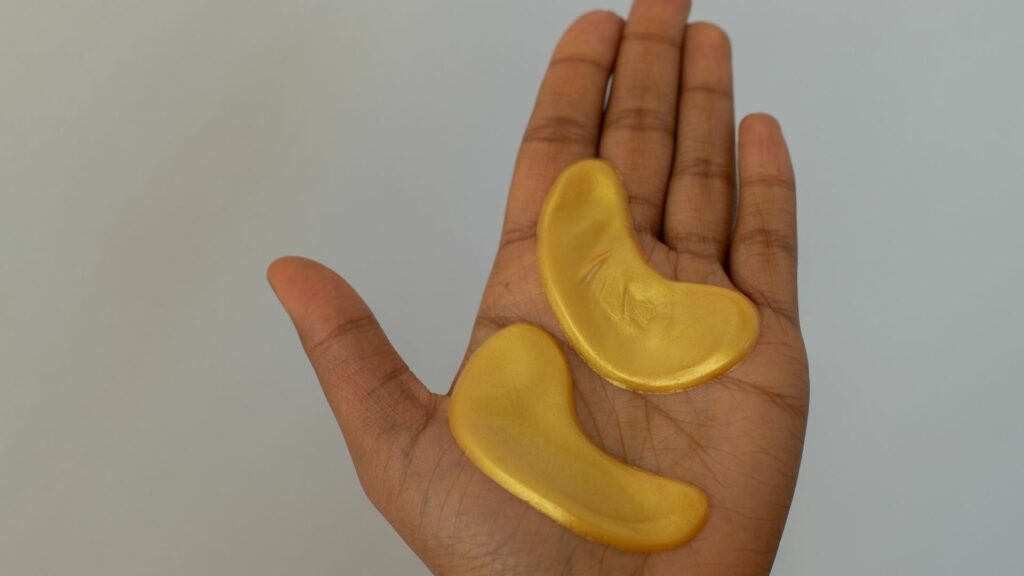
Gel eye masks can be cooled or heated to provide additional benefits, such as reducing puffiness, soothing irritation, and providing relaxation. These masks are a popular choice for those looking for at-home spa experiences.
Weighted Eye Masks
Weighted eye masks apply gentle pressure on the eyes and face, promoting relaxation and helping in reducing anxiety or stress. CNN Underscored has listed the best sleep mask of 2023, which includes weighted eye masks as a top choice
Get In Touch With Our Agency
In today’s competitive and ever-changing digital landscape, it’s essential to partner with a reputable and experienced marketing agency, like GMA. We are an expert in many points:
- digital marketing
- copywriting
- SEO optimization
- content creation
- advertising strategy
- brand management
- social media marketing
- client management
- and campaign management.
That’s why we can help you establish a robust online presence for your eye mask business in China. At GMA we provide ROI-oriented marketing strategies tailored to suit the unique needs of your business. Meanwhile, we are taking into account cultural and legal codes specific to the Chinese market.
Our team will also guide you through the best e-commerce platforms for selling eye masks.