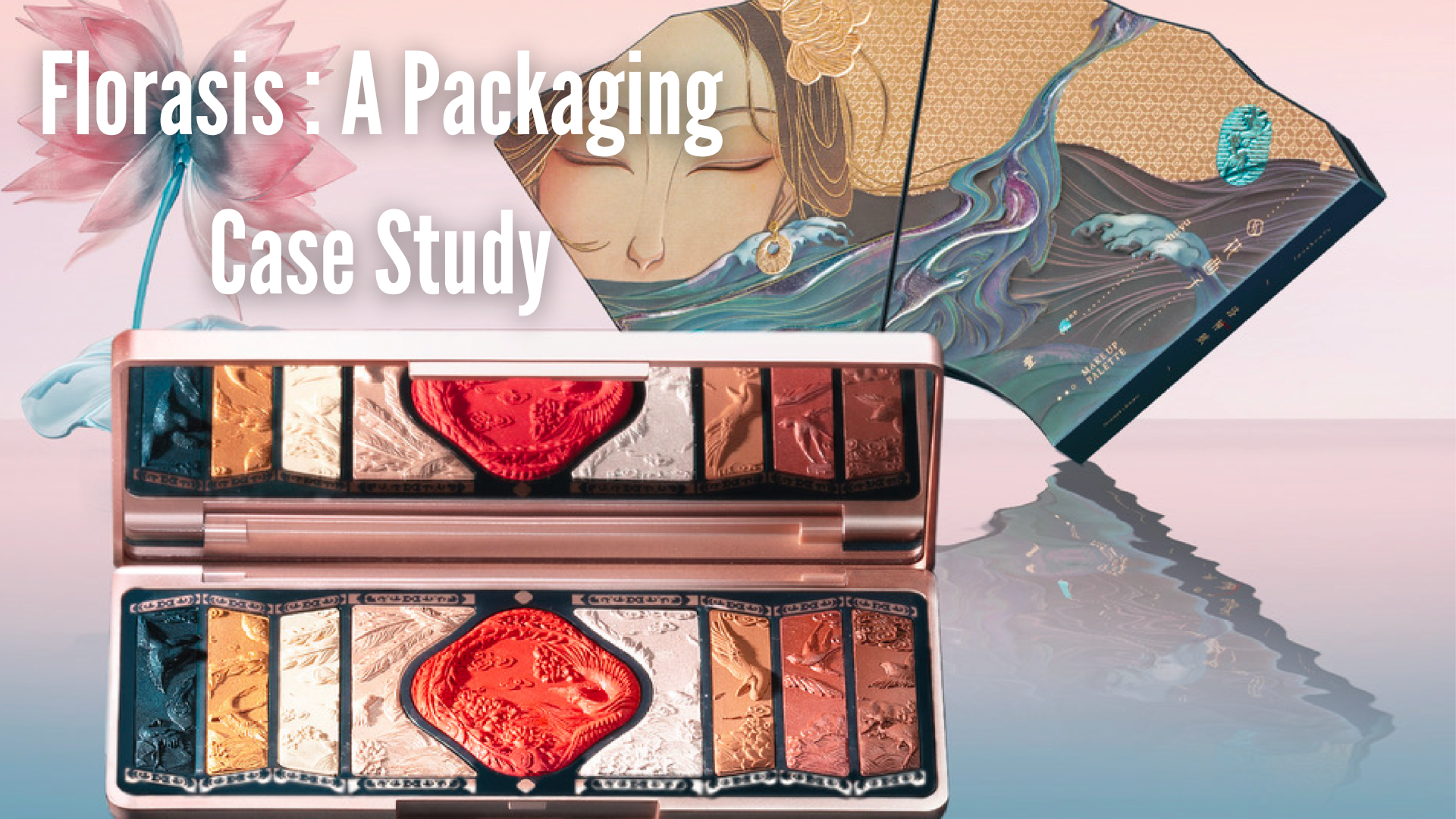
Florasis is a Chinese beauty brand that has been gaining popularity in the beauty industry due to its innovative approach to packaging design and product formulation. With a focus on utilizing materials of Chinese cultural origin, Florasis’ branding strongly appeals to its target audience of millennials and Generation Z. If you’re interested in learning more about this exciting brand, be sure to check out their website and social media channels.
In this blog post, we will delve into Florasis’ packaging case study in China and explore how the brand’s traditional makeup concept has contributed to its success in conquering the competitive Chinese beauty market. Whether you’re a marketing manager looking to expand your business in Asia or simply interested in learning more about innovative packaging design strategies, this blog post is not one to miss!
The Success Of Florasis’ Traditional Chinese Packaging Design
Florasis’ retro packaging and use of traditional makeup concepts, combined with unique brand positioning as “Oriental Makeup,” have contributed to the brand’s success in China.
Retro Packaging And Traditional Makeup Concepts Used
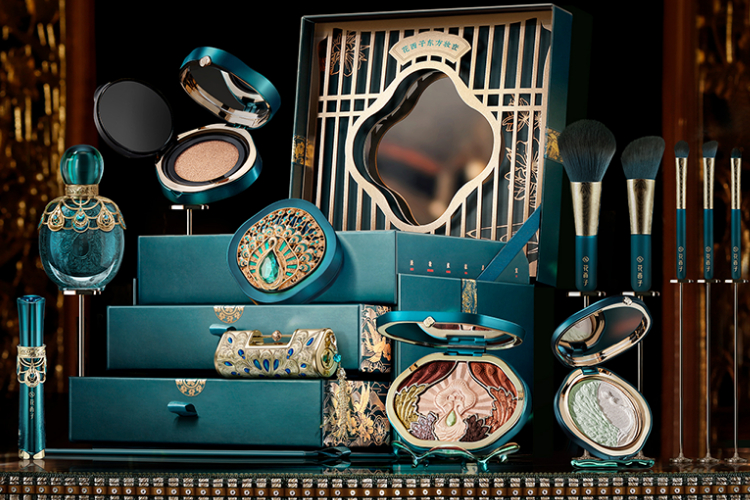
Florasis has successfully differentiated itself from competitors in the Chinese cosmetics market by incorporating retro packaging and traditional makeup concepts.
Their designs appeal to their target audience of 20-30-year-old women by integrating elements from traditional Chinese culture, creating visually stunning products with meaning, symbolism, and practicality.
This approach elevates Florasis’ offerings beyond mere beauty products and transforms them into treasured keepsakes that embody both the ancient Chinese spirit and contemporary aspirations.
Unique Brand Positioning Of “Oriental Makeup”
Florasis, an Hangzhou-based cosmetics company, has differentiated itself in the industry by embracing its “Oriental Makeup” brand positioning, which targets Eastern beauty ideals and celebrates traditional Chinese culture and aesthetics.
Their commitment to natural beauty ingredients is reflected in product names like “Peony Engraving” or “Lucky Clouds,” and their packaging for the Chinese market is adorned with evocative Chinoiserie designs that resonate strongly with consumers.
By immersing their products in cultural symbolism and artistry, Florasis has created a sense of pride among Chinese consumers who appreciate the nods toward heritage combined with modern-day elegance.
The Role Of Cultural Symbolism And Aesthetics In Packaging Design
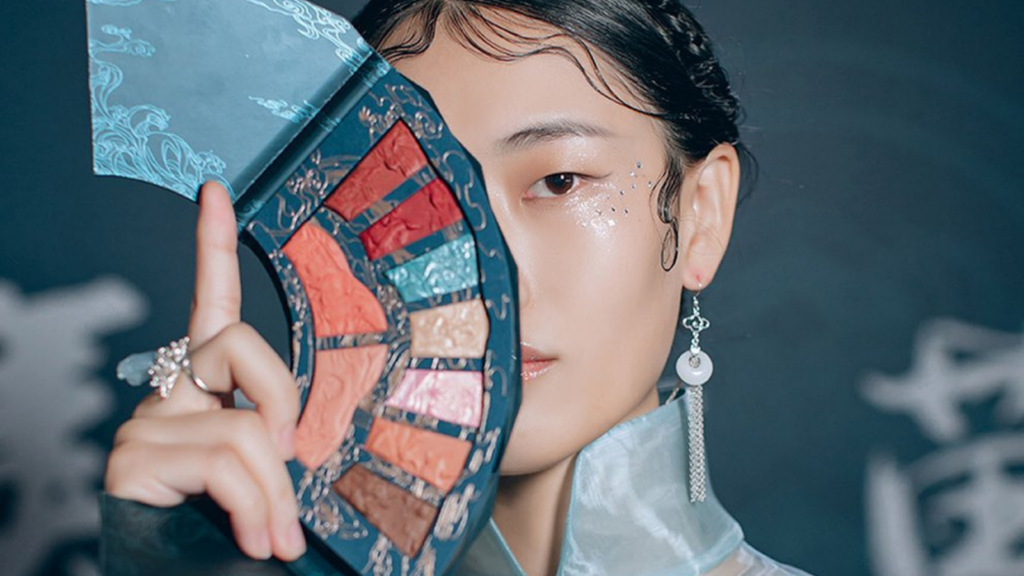
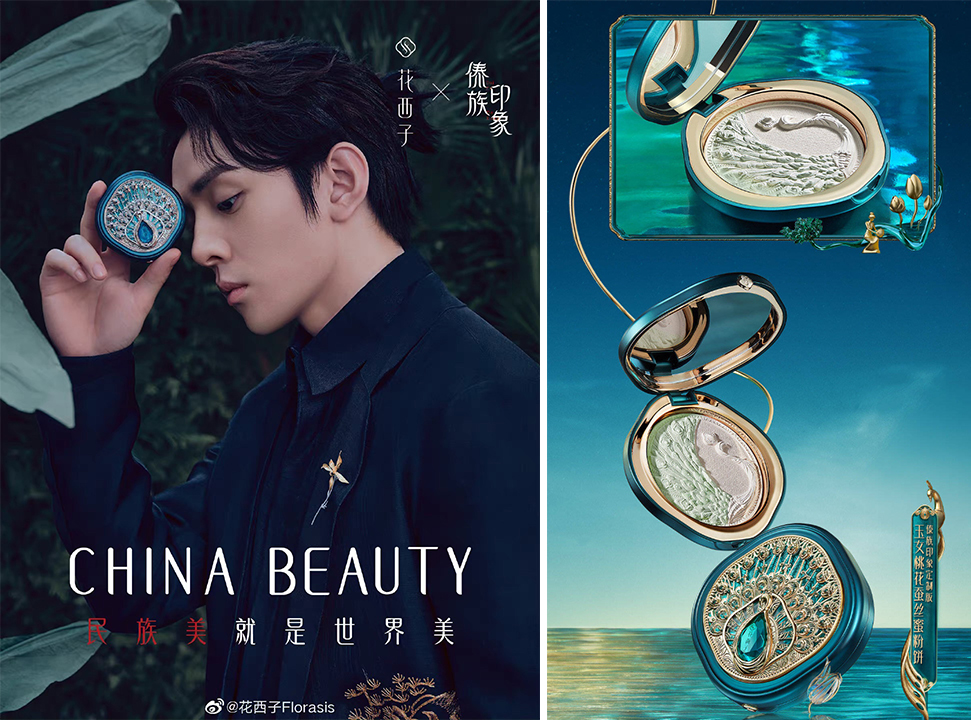
Florasis has successfully incorporated traditional Chinese cultural symbolism and aesthetics into their packaging designs, particularly in their Dai collection which features illustrations inspired by ethnic minority groups in Yunnan Province.
This reflects the brand’s identity and cultural significance and appeals to consumers looking for authenticity and nostalgia. Packaging design is not just about visual appeal but also about reflecting a brand’s cultural significance.
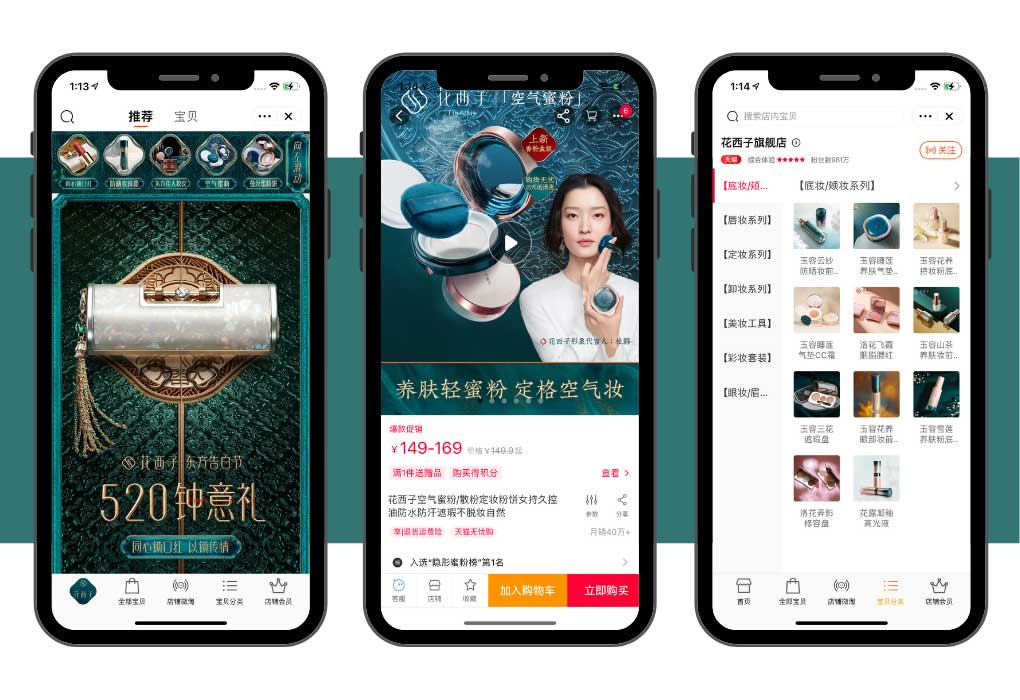
The growth of China’s e-commerce market, particularly in the area of packaging, highlights the significance of attractive packaging design as it needs to catch the attention of potential customers quickly among numerous competitors online.
This is in contrast to physical stores where customers have more time for window shopping and brand comparison.
In the world of e-commerce, packaging in China has become a crucial factor in attracting and retaining customers.
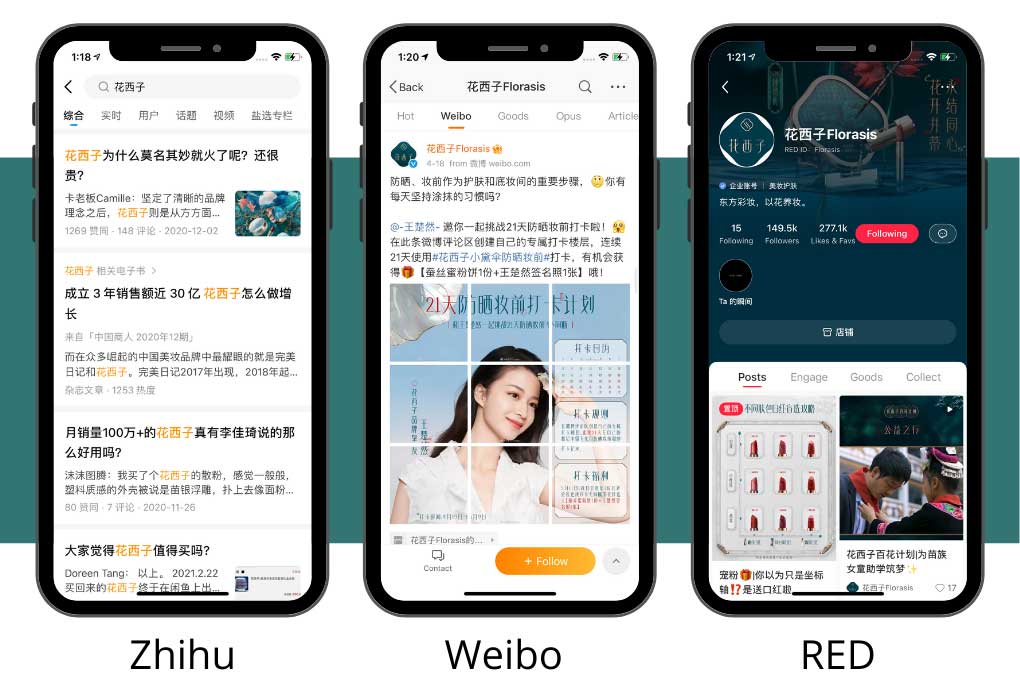
One proof that the Chinese attach great importance to packaging is that they like to share their best finds on social networks.
Impact Of Packaging Design On Florasis’ Success In China
Florasis’ success in China can be largely attributed to its unique packaging design, which reflects traditional Chinese culture and symbolism, and sets it apart from other cosmetic brands both domestic and international.
Comparison With Other Local And International Brands
When comparing Florasis to other local and international brands, it becomes clear that the company’s packaging strategy has played a significant role in its success in the Chinese cosmetics market. The table below highlights some of the key differences between Florasis and other notable brands.
| Brand | Origin | Packaging Design | Unique Selling Points |
|---|---|---|---|
| Florasis | China | Retro packaging with traditional Chinese makeup concepts | Oriental Makeup, cultural symbolism, and premium quality at affordable prices |
| Perfect Diary | China | Modern and minimalist packaging | On-trend, innovative products, and collaborations with international makeup artists |
| L’Oréal | France | Classic and elegant packaging | Established reputation, wide product range, and quality ingredients |
| Estée Lauder | USA | Luxurious and sophisticated packaging | Prestige brand, high-quality products, and strong presence in luxury retailers |
Florasis has gained popularity among Chinese people, particularly Generation Z and millennials, by incorporating traditional Chinese aesthetics and cultural symbolism in their product packaging. This unique approach has helped the brand to stand out from its competitors and establish a strong brand image, leading to significant market share in China.
Case Studies Of Successful And Unsuccessful Packaging Designs In China
Here are some case studies of successful and unsuccessful packaging designs in China:
Successful: Florasis’ Retro Packaging Design
Florasis has achieved sudden success abroad by using retro packaging and incorporating traditional Chinese style. The target group of Florasis customers is 20-30-year-old women and effective packaging design strategies involve incorporating local culture and innovative designs.
Unsuccessful: CoverGirl’s Recent Rebranding
When CoverGirl entered the Chinese market, it redesigned its packaging to appeal to Chinese consumers with a more luxurious look. However, the rebranding received negative feedback from Chinese consumers who found it unattractive and confusing.
Successful: Shiseido’s “Made in Japan” Quality
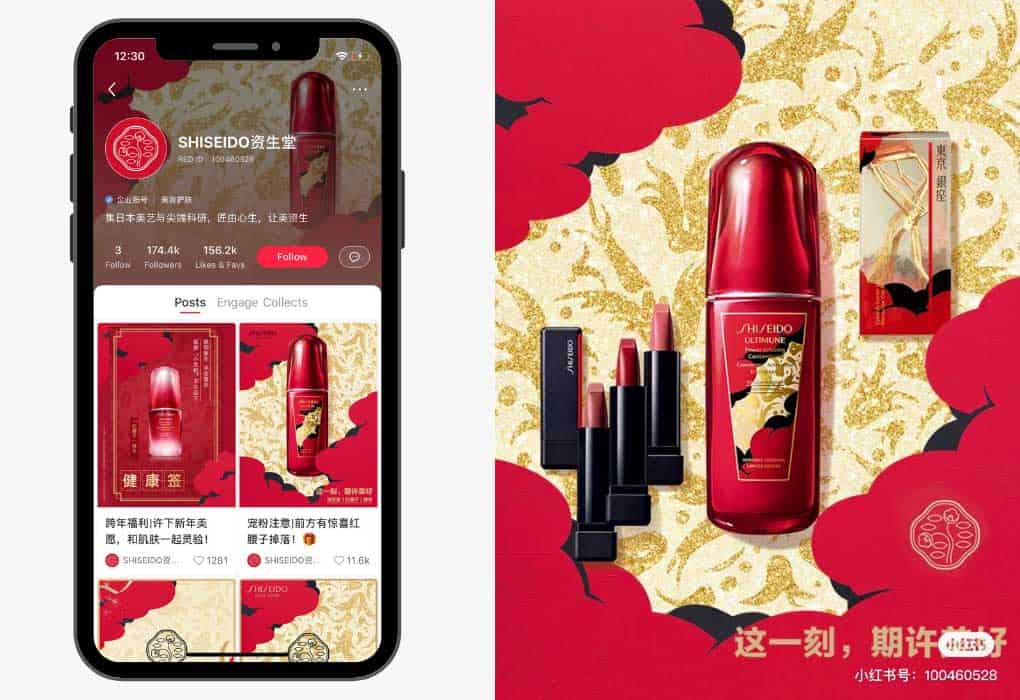
Shiseido is a Japanese-based cosmetic brand that has successfully positioned itself as a premium brand in China by emphasizing its “Made in Japan” quality through sophisticated packaging designs.
Unsuccessful: L’Oreal’s Product Localization Failure
L’Oreal failed to impress Chinese consumers with its product localization attempt by changing the names of popular makeup products, leading to confusion among consumers about what they were purchasing.
Successful: Innisfree’s Eco-Friendly Packaging
Innisfree has successfully implemented eco-friendly packaging strategies for its products in China, catering to the growing consumer concerns about environmental issues while promoting the brand as socially responsible.
The Business Implications Of Florasis’ Packaging Strategy
Florasis’ packaging design plays a crucial role in the brand’s marketing strategy, influencing consumer behavior and their perceptions of the product.
How Packaging Design Influences Consumer Behavior And Brand Perception
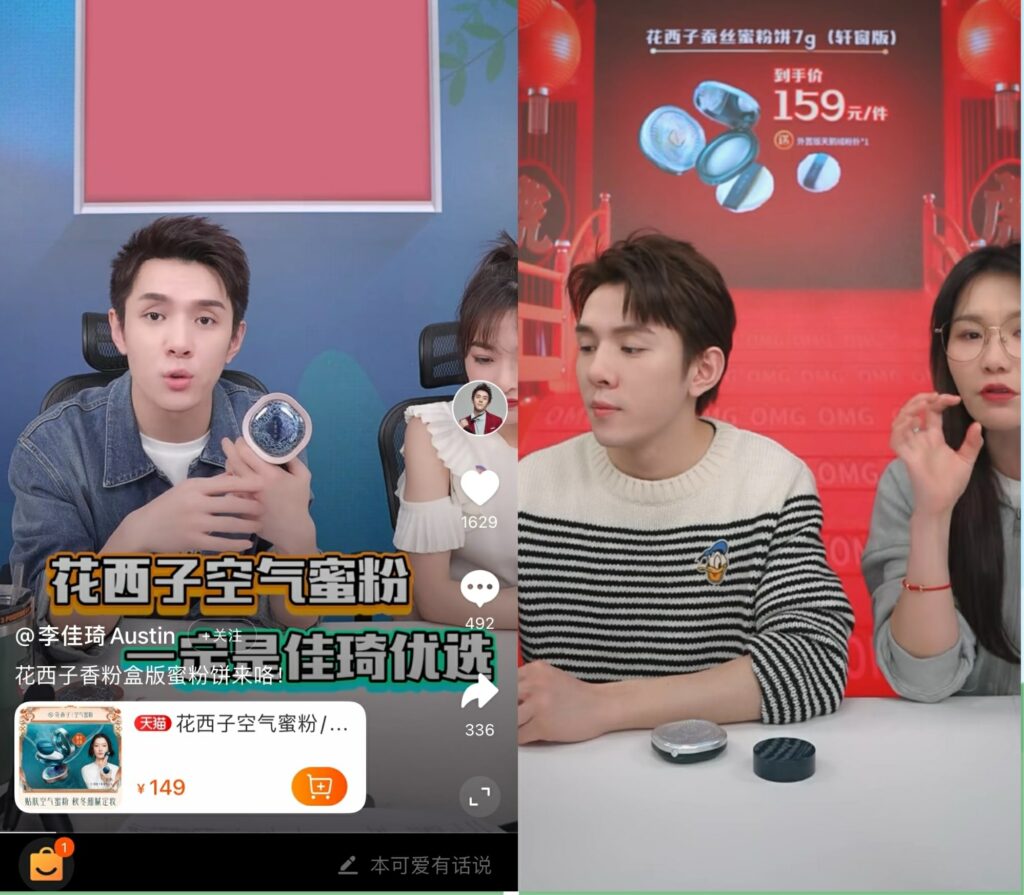
Florasis’ success in China is a prime example of how packaging design impacts consumer behavior and brand perception.
Customers are drawn to the brand because of its unique take on traditional Chinese style, which is reflected in its packaging designs.
Moreover, packaging also plays a significant role in shaping consumer perceptions of the brand. Whether consciously or subconsciously, customers form opinions about products based on their appearance, color, ease of use, and overall experience with the packaging.
It’s essential for businesses looking to enter or expand in the Chinese market to consider the impact that packaging design can have on product success and overall branding strategy.
The Role Of Packaging Design In Florasis’ Marketing And Branding Strategy
Florasis’ brand identity is distinct due to its combination of traditional Chinese aesthetics and user-centric packaging design, which sets them apart from both local and international competitors.
In addition to incorporating cultural symbolism and artisanal craftsmanship, Florasis understands the importance of choosing the right material for its packaging design.
This attention to detail has helped them capture an audience seeking unique and authentic products in China’s cosmetics market, where consumers value distinct personality traits and values associated with brands.
A strong brand identity through thoughtful packaging design can be the key to attracting and resonating with specific consumer segments.
For example, given the demand for skin care solutions inspired by Traditional Chinese Medicine (TCM) concepts among younger generations of Chinese consumers recently, Florasis launched TCM-inspired facial masks.
Spending up to six months developing bespoke sustainable glass containers wrapped in bamboo paper featuring hand-drawn floral motifs on top of both boxes and labels resonating well among young female consumers between 18-30 years old.
Key Takeaways For Businesses Looking To Enter The Chinese Market
Florasis’ packaging case study in China and identified these key takeaways for businesses planning to enter the Chinese market:
- Embrace cultural symbolism and aesthetics in your packaging design to appeal to Chinese consumers.
- Differentiate your brand by exploring unique brand positioning concepts that resonate with the younger generation of consumers, such as “Oriental Makeup.”
- Invest in elaborate packaging designs that include intricate engravings and ornate details to create a premium feel for your products.
- Leverage social media platforms like WeChat and Weibo to engage with Chinese consumers and build brand awareness.
- Stay informed about local market trends related to packaging design, beauty concepts, and consumer behavior to stay ahead of the competition.
By implementing these key takeaways, businesses can effectively compete in the highly competitive Chinese beauty market while building strong relationships with their target audience.
Future Outlook And Recommendations
Looking to the future, we predict that sustainable packaging will become increasingly important in China’s cosmetics market.
Predictions For Future Trends In Packaging Design In China
As the Chinese market size continues to grow and evolve, packaging design in the cosmetics industry will also undergo changes. One trend we can expect to see is a focus on environmental sustainability, with brands using eco-friendly materials and incorporating recyclability into their designs.
Also, colors have a meaning in China, they are a good indicator because they help buyers to determine a product’s category.
Some are greatly appreciated in Chinese culture (red for example) but some others should be avoided (green for example). Chinese prefer bright colors.
Furthermore, traditional Chinese style and cultural influences are expected to continue playing a significant role in packaging design in China. Brands like Florasis have shown that combining traditional elements with elegant design can create beautiful and effective packages that appeal to modern consumers.
Recommendations For Businesses Planning To Sell Products In China
Here are some recommendations for businesses planning to sell products in China:
- Emphasize packaging design: As seen with Florasis, packaging design plays a critical role in attracting Chinese consumers. The packaging aligns with Chinese cultural aesthetics and symbolism. Typically, suppliers in China offer five to twenty different standard packaging models for the customer to choose from.
- Keep up with changing trends: The Chinese cosmetics market is rapidly evolving, so it’s essential to stay up-to-date on emerging consumer preferences and adapt accordingly.
- Leverage local platforms: Tmall and other local e-commerce platforms are crucial for success in the Chinese market. Consider partnering with these platforms to increase brand visibility and customer engagement.
- Prioritize brand responsibility: Customers in China appreciate brands that show social responsibility and ethical practices in a competitive market. To improve customer loyalty, it is recommended to implement sustainable strategies throughout the supply chain.
- Understand local regulations: Regulations in China can be complex and vary by region. Therefore it’s important to do thorough research before entering the market. Working closely with a local partner or consultant to ensure compliance with all relevant regulations.
We Can Help You With Your Packaging in China!
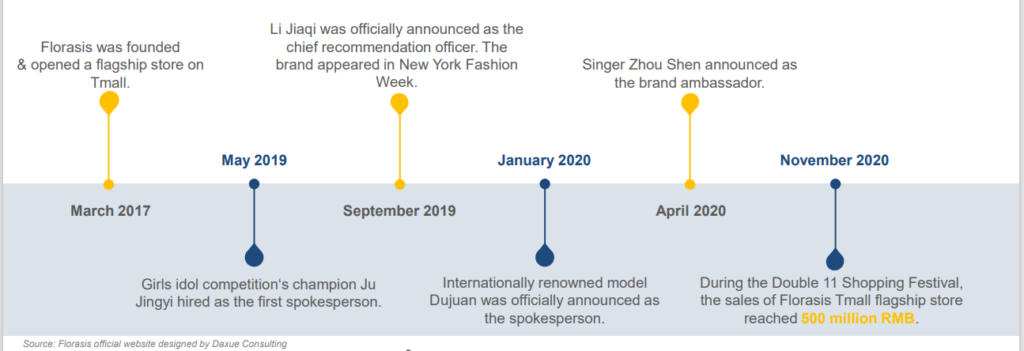
Florasis’ success in the Chinese market can be attributed to its unique brand positioning and packaging design that resonates with culturally Chinese products.
By taking inspiration from traditional makeup concepts and retro packaging, the brand has effectively differentiated itself in a competitive industry.
China is often considered a distinctive market that is even different from other Asian countries in terms of design.
To succeed in China’s beauty market, brands should prioritize cultural symbolism and aesthetics in their packaging design while also staying up-to-date with current trends.
We can help you to provide information about Chinese consumers and guide you through every step of the packaging design process in China.
We are a China-based marketing agency offering cost-effective solutions to foreign brands interested in tapping into the Chinese market. Our team of Chinese and foreign experts has the experience and know-how needed to succeed in this lucrative, yet complicated market.
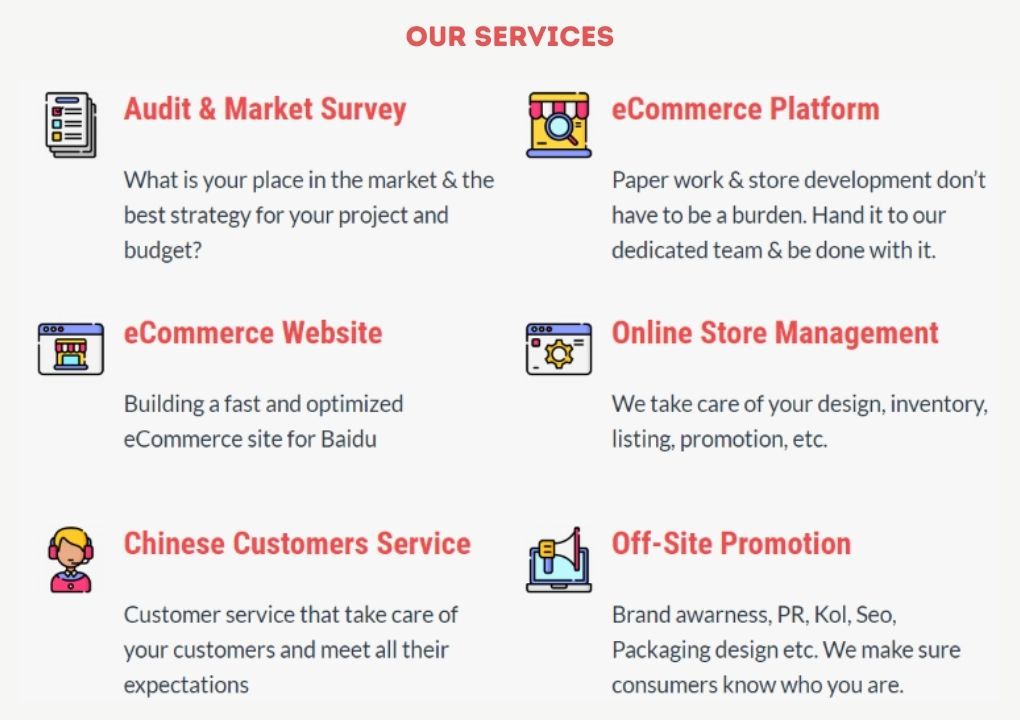
Gentlemen Marketing Agency offers many digital marketing and e-commerce solutions, such as web design, e-commerce and social media marketing strategies, localization, market research, KOL marketing, and more.
Don’t hesitate to leave us a comment or contact us, so that we can schedule a free consultation with one of our experts, that will learn about your brand and present you the best solutions for your China market strategy.