
Estée Lauder brand presence in China
The Estée Lauder is an American multinational manufacturer and marketer of prestige skincare, makeup, fragrance, and hair care products, based in Midtown Manhattan, New York City. The company owns a diverse portfolio of brands, distributed internationally through both digital commerce and retail channels. In 1993, the Estée Lauder was launched in China, with the first counters set up in Shanghai. Today it is a leader in China’s prestige beauty industry, with more than 2,000 retail locations at upscale department stores, freestanding stores, and specialty-multi retailers in more than 129 cities.
The central role of its target market as a successful strategy
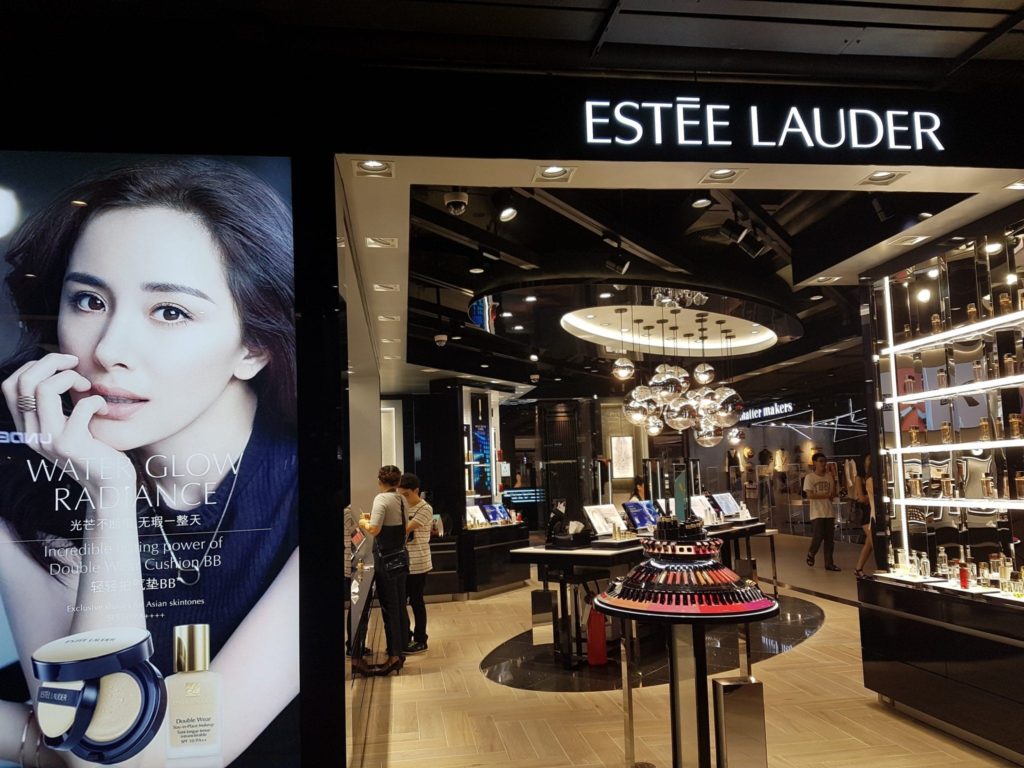
Estée Lauder’s e-commerce sites in China draw shoppers from over 650 cities across the country, including ones where the company has no retail locations.
The company, which has been selling about 10 of its brands including M.A.C and Tom Ford on Alibaba’s online marketplace Tmall, said the site was the largest contributor to its online sales in China. Pop-up stores in key airports also helped to attract traveling Chinese consumers.
This success is related to initiatives taken by the beauty company as part of its long-term investment strategy for China, which involves a marked shift in the group’s target market toward a younger demographic. In fact, the company’s renewed focus on digital engagement and the use of social media platforms such as WeChat and Weibo.
The analyst further underlined the importance of Estée Lauder’s collaborations with high-profile local celebrities, such as actress and singer Yang Mi and model Liu Wen, in driving brand awareness in the Chinese market, particularly among younger consumers.
Current crisis creates new marketing strategies
Due to the crisis that has affected the whole world, many brands have seen their offline sales drop dramatically, in particular the retail travel sector.
The sales that brands can make at once crowded airports may be depressed for some time. That’s why brands have to change their strategies focusing on digital marketing and tools to boost their offline sales.
Estee Lauder digital solution to cope up with offline losses

While COVID-19 has swept across the world and caused the number of travelers taking to the skies to plummet, one of the world’s biggest beauty companies managed to grow its duty-free business in the first three months of the year. Estée Lauder Companies’ sales dropped 11% to $3.35 billion in its fiscal third quarter ending March.
During the pandemic, online sales are helping to shore up Estee Lauder’s business. In the first quarter, they increased by double-digits worldwide. While most of its global distribution was closed as the quarter progressed, Estée lauder aimed to drive online sales. Online growth accelerated sharply in late March and continued to increase in April.
The demand has been particularly strong for skin care. Lauder’s heroic lines, such as Estée Lauder Advanced Night Repair, lotions, and concentrates for La Mer and Clinique Moisture Surge treatments, have all seen an increase in online demand since the outbreak.
The March launch of The Perfectionist Serum on Tmall’s Hey Box platform was one of the best ever of the Estée Lauder brand. Meanwhile, Clinique Even Better Serum exceeds expectations in mainland China.
How to use online marketing and tools to boost sales?
Coming out of the COVID-19 crisis, consumers are interested in brands they trust and products they know, only after this will they make the step forward in buying products. Therefore the first thing for a brand to do is to create brand awareness and share the brand value.
What a brand has to do is understand its target market, understand its needs, and create valuable content marketing.
How to create brand awareness?
Depending on your budget you will have to focus on differents aspects.
Chinese website
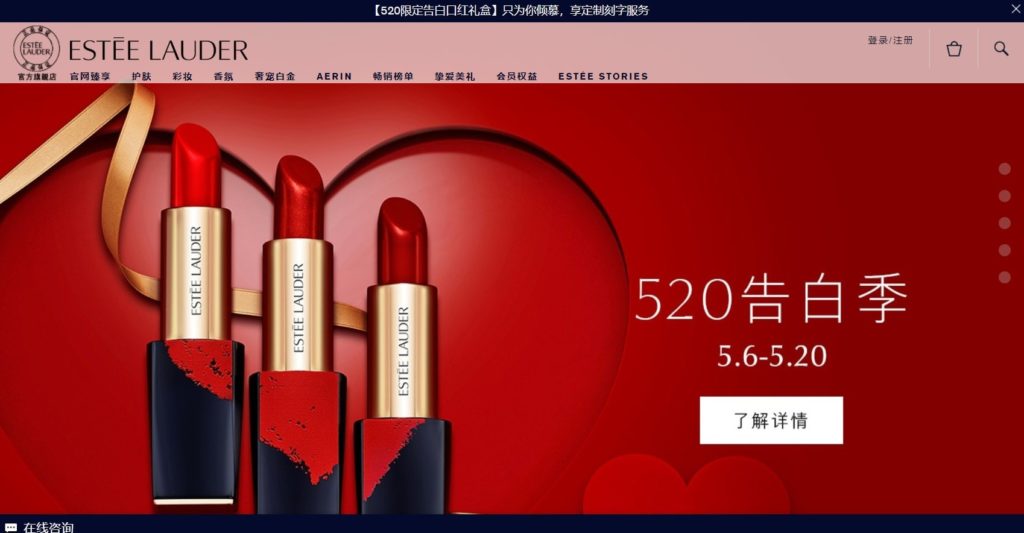
Despite the importance of social media, a Chinese website remains an essential platform for reaching both Chinese consumers and the travel trade. It’s true that WeChat is important – so important that some have recently suggested that having an Official Account on WeChat can substitute for a website, but we would argue that WeChat should complement a website rather than replace it entirely. A company or destination that only has a social media account but no website might be perceived as less trustworthy.
Remember that to create a Chinese website, there are some steps to follow :
- Your website should be hosted in China
- They must be mobile-optimized
- Your website should be in Chinese
- You should create a valuable content
- Payment systems need to be localized (UnionPay, Wechat pay, Alipay)
- They should be SEO-friendly for Baidu
Social media
These are important for a brand to share its brand story, value and products. WeChat and Weibo will always be great picks when it comes to brand recognition because they are some of the first social media platforms that Chinese users will use to learn more about your products and brand.
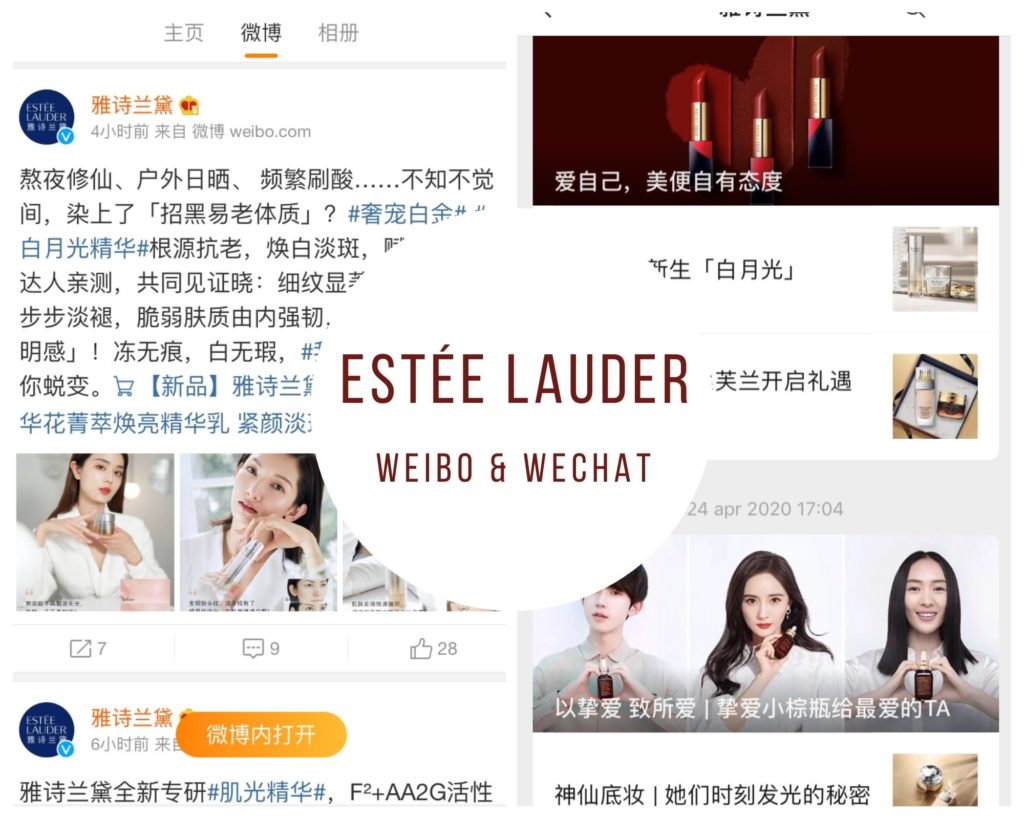
Brands are using the WeChat app to go beyond generic marketing, and towards a more personal level of connection, interaction and targeting. Many are finding that taking a customer-centered approach through WeChat yields better results than the ‘one-sidedness’ of simply posting and sharing blogs and other content.
Examples of connecting through WeChat include offering special deals and exclusive content for subscribers, samples for testing, live event invites, games and competitions with prizes, and loyalty programs. For instance, well-known brands have developed mini-sites to offer make-up tips and fashion tests.
On a marketing level, Weibo offers a huge variety of activities that you can carry out to promote your brand. First of all, it can help increase brand awareness, which through an official channel, collaborations with influencers, and targeted advertising campaigns can undergo a rapid increase.
In addition, through user-friendly Chinese content created specifically for the target, it is possible to guarantee greater visibility for events and promotions.
A final aspect to consider is that Alibaba has a stake in Weibo: for this reason, Weibo is very useful as a drive to e-commerce channels. It gives, in fact, the possibility of inserting external links to e-commerce, at the same time increasing visibility and sales.
Live streaming on these platforms are very useful
Live streaming is popular in China and is particularly loved by users for its ability to be transparent and authentic. In China, companies also integrate live streaming into their internationalization strategies, for their ability to engage large masses of users in minutes. The KOLs, in all this, is the key that guides the listening.
KOLs

Whether you are interested in boosting awareness or generating leads, a KOL can do wonders for reaching your ideal audience. Your KOL search should consist of choosing an influencer that has quality content and deep insights into their viewers.
Chinese consumers tend to make a purchasing decisions based on information they collect from different social media channels, making digital key opinion leaders (KOLs) incredibly important.
Once the brand is established on the market, the company can focus on increasing sales through e-commerce platforms
E-commerce platforms management to boost sales
The Chinese cross-border e-commerce sector has become extremely popular with Chinese consumers and is one of the main doors to buy international products.
Cross-border e-commerce can be an efficient and inexpensive way to showcase your products without setting up an offline store.
Your brand must include items such as free samples, exclusive products, discounts, and some form of loyalty program when buyers visit your products online. You should offer a quality customer service experience.
Some of the best platforms to consider to sell your products in China are:
Tmall
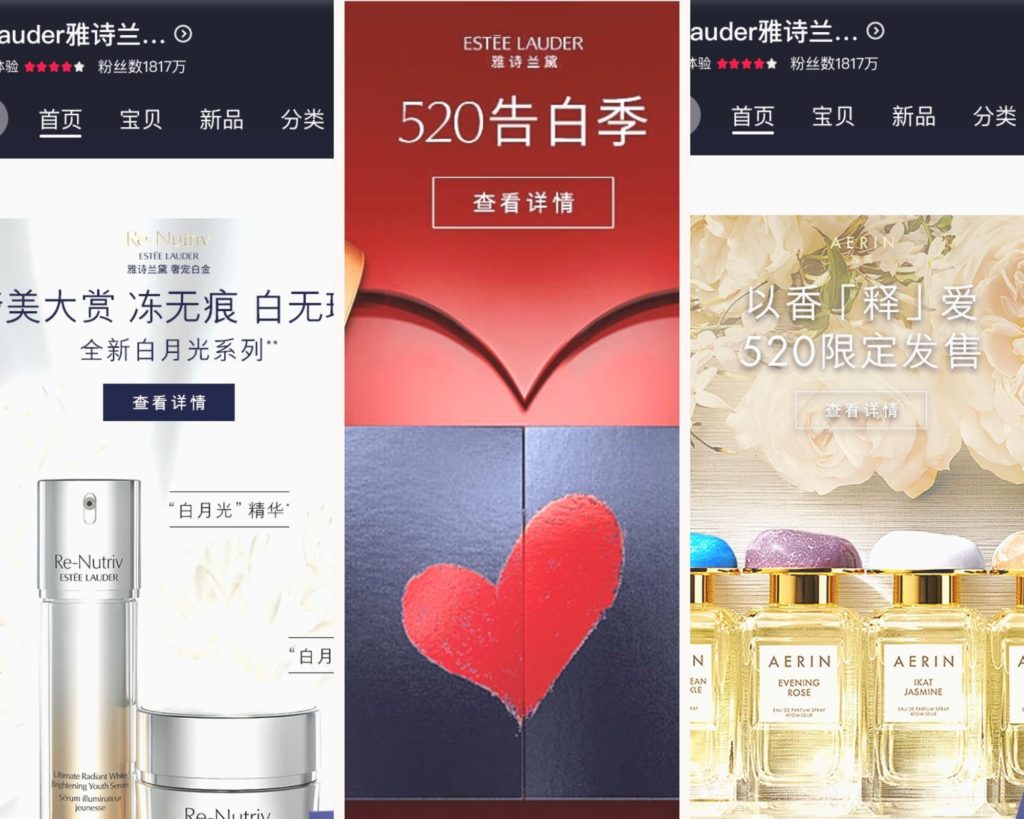
Tmall.com (天猫) is a Chinese website for business-to-consumer (B2C) online retail. It is a platform for local Chinese and international businesses to sell brand-name goods to consumers in mainland China, Hong Kong, Macau, and Taiwan.
Tmall has now become the de facto, primary e-commerce destination for premium beauty. Some premium brands, rather than investing in their own website, are using Tmall to reach consumers.
One example is Estée Lauder which has been selling about 10 of its brands on Alibaba’s online marketplace Tmall. The site was the largest contributor to its online sales in China.
JD
Jingdong (JD.com) is also known as formerly called 360buy. It was founded by Liu Qiandong in 1998. Jingdong is one of the largest e-commerce platforms by transaction volume and revenue in China, headquartered in Beijing. Jindong is also a member of the Fortune Global 500, additionally, this platform nowadays is a major competitor to Alibaba-run Tmall.
The platform has 266.3 million active users, according to the JD.com Announces Third Quarter 2017 Results. Moreover, JD.com is the leading company in the world in terms of high tech and AI delivery through drones, robots, and autonomous technologies.
JD.com is an eCommerce platform that boasts an incredibly wide range of products that includes categories such as cosmetics, fresh food, clothing, and much more. The fastest-growing products in terms of sales are cosmetics, food, and electronic products. Therefore JD offers incredible opportunities to foreign suppliers.
Pinduoduo
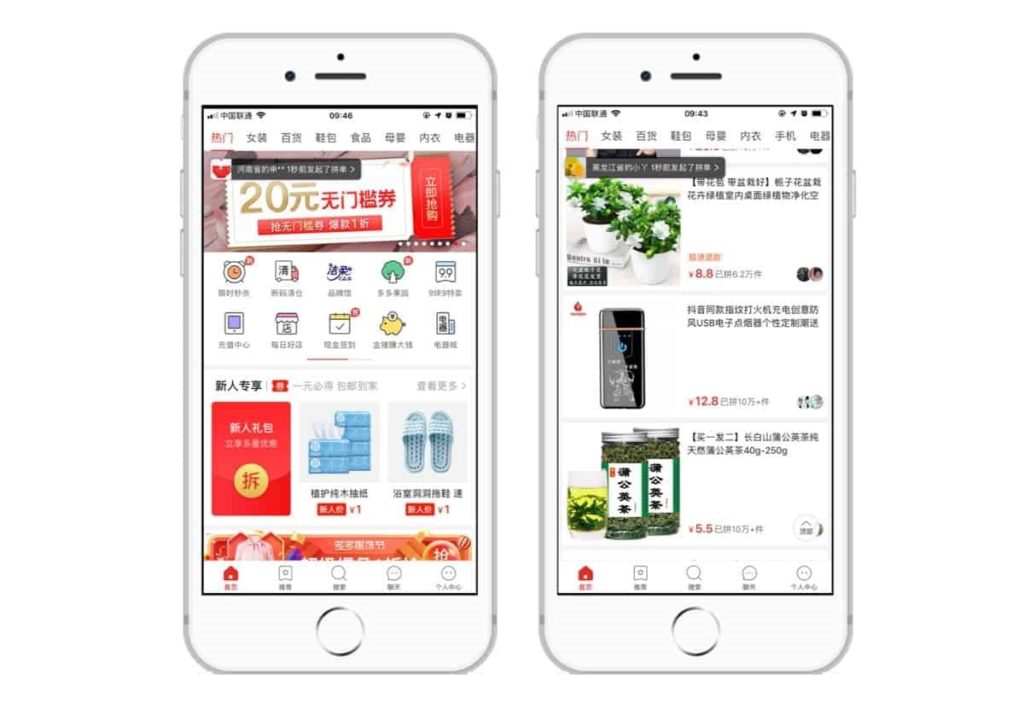
Pinduoduo(拼多多)is an e-commerce platform allowing users to participate in group buying deals. It was founded by Colin Huang as Shanghai Dream Information Technology Co., Ltd. in September 2015.
Pinduoduo has seen explosive growth since its launch in 2015, becoming one of the largest e-commerce apps in China. Although Taobao and JD.com are still the market leaders, Pinduoduo is the app that benefits from the best loyalty rate. And the number of monthly active users is no less interesting: 114 million are those of January 2018.
Overall Pinduoduo boasts a base of 300 million users. 65% come from third-tier cities and beyond, only 7.6% come from first-tier cities
Most of the users of Pinduoduo are female, over the age of 40, and live in third and fourth-tier cities.
The app is perfect for small-budget companies.
Kaola
Kaola is a cross-border e-commerce platform that provides online sales of various imported products via cross-border e-commerce. The products range from cosmetics, household products, food supplements, clothing, and accessories.
All foreign products on the platform are managed and purchased directly from local suppliers through various factories around the world.
The goods are shipped directly from the country of origin and stored in the customs warehouses in China under the control and surveillance of the customs office and the CIQ (China exit-entry Inspection & Quarantine Bureau) or the office that inspects and monitors the incoming and outgoing products that pass through the Chinese border.

In order to promote your brand and if you have any questions related to digital marketing, contact us now!
Read also: