Skip to content

Cosmetics in China ·

10 Lucrative Opportunities in China’s Cosmetics Market

Unlocking China’s Cosmetics Goldmine: 10 Opportunities, Top Sellers & Actionable Strategies
*(Data-Driven Insights from CBNData, iiMedia, Tmall 2024-2025 Reports | Curated by Cosmetics China Agency’s China Market Architects)*


10 Lucrative Opportunities in China’s Cosmetics Market

  1. Guochao (国潮) Revolution
    • Why: 68% of Gen-Z pay premium for brands blending heritage Chinese culture with modern aesthetics (e.g., Florasis’s Song Dynasty-inspired packaging).
  2. Premium Skincare Surge
    • Why: Anti-aging products dominate 40% of skincare sales due to aging population and pollution concerns.
  3. Men’s Grooming Boom
    • Why: Market grew 25% YoY; L’Oréal Men Expert and domestic brands like LHH lead with 3-in-1 moisturizers.
  4. Clean Beauty Certification
    • Why: 74% of shoppers prioritize “green” labels (ISO, China’s GB/T) post-COVID.
  5. Livestream Commerce Dominance
    • Why: Taobao Live drives 35% of beauty sales; 5-minute flash deals convert 10x faster than static ads.
  6. Tech-Infused Beauty
    • Why: AR try-ons (used by 60% of Tmall users) boost conversion by 40%.
  7. Cross-Border E-Commerce
    • Why: Avoid animal testing via Tmall Global; 80% of Korean/Japanese brands use this route.
  8. Rural Market Penetration
    • Why: Lower-tier cities account for 55% of new beauty buyers; PDD (Pinduoduo) sales up 90% in 2023.
  9. Medical Beauty Crossover
    • Why: Derma-cosmetics (e.g., Winona) grew 30% as consumers seek clinical efficacy.
  10. Subscription & Mini-Size Models
    • Why: 50% of Gen-Z prefer trial kits (e.g., Perfect Diary’s ¥99 Discovery Boxes).

Top 5 Selling Product Categories & Why They Win

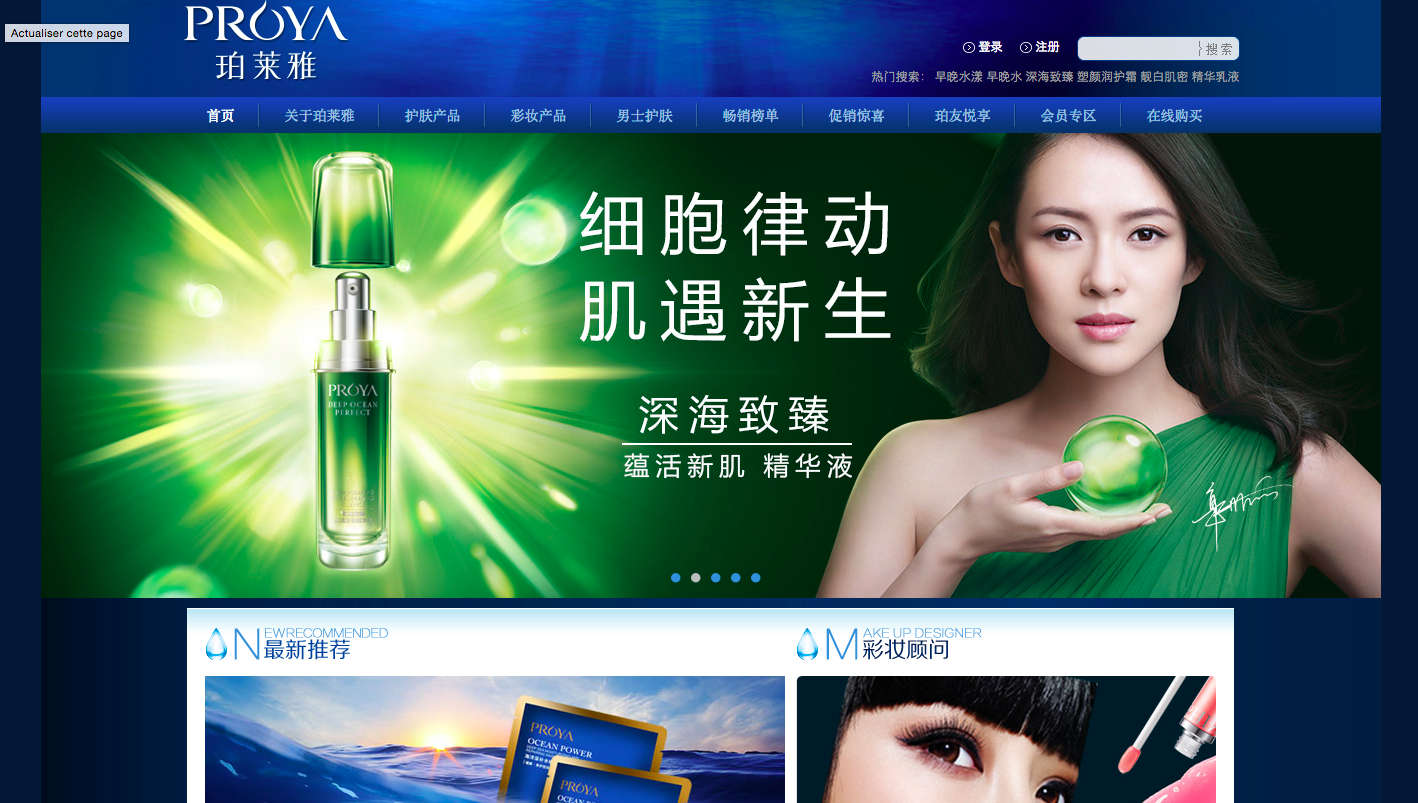
  1. Anti-Aging Serums (e.g., Proya’s Ruby Essence)
    • Reason: Aging population + pollution anxiety; “dual anti” (anti-oxidant + anti-aging) claims drive 70% repurchase.
  2. CC Cushions (e.g., Florasis Yunjian Loose Powder)
    • Reason: Demand for “glass skin” finish + portability; 15M units sold in 2023.
  3. Sheet Masks (e.g., Kans Centella Asiatica)
    • Reason: Affordability + instant results; 12M boxes sold monthly.
  4. Tinted Lip Oils (e.g., Colorkey AirLip Gloss)
    • Reason: Douyin’s “gradient lip” trend; 20M units sold via livestreams.
  5. Probiotic Skincare (e.g., Pechoin Ginseng Cream)
    • Reason: Post-pandemic gut-skin axis hype; 3x growth in 2023.

10 Non-Negotiable Tips for Success

  1. Hire local KOLs/KOCs – Micro-influencers drive 70% of Xiaohongshu discoveries.
  2. Adopt “China Speed” – Launch 3-5 seasonal SKUs quarterly (Perfect Diary’s 200+ annual releases).
  3. Use Data Tools – Use Alimama for real-time trend tracking.
  4. Localize Formulas – Add ginseng, tremella mushroom, or pearl extracts.
  5. Master Douyin FirstDouyin now generates more beauty GMV than Tmall. Build your content engine before your storefront.
  6. Certify Your Claims – Chinese consumers fact-check ingredient lists. Dermatologist endorsements and NMPA-registered actives build trust faster than ad spend.
  7. Price in Tiers – Offer an entry SKU under ¥100 and a hero product above ¥300. The mid-range is being squeezed.
  8. Seed UGC on Xiaohongshu – 66% of beauty conversations on the platform carry positive sentiment. Seed KOC notes before any paid campaign launches.
  9. Optimize for AI Search – Doubao (ByteDance) and Kimi surface product recommendations in conversational results. Brands with strong content on Douyin and Toutiao rank higher in these results than brands relying on Baidu alone.
  10. Build Repeat Purchase Loops – WeChat mini-program loyalty programs retain buyers at lower cost than re-acquisition. Brands we work with report 30-40% repeat purchase rates when this is set up correctly.

What the Data Shows for 2026

China’s cosmetics market reached 1.1 trillion yuan in 2025, with online channels accounting for 65.4% of all transactions (iMedia Research). The market is on track to pass 1.48 trillion yuan in 2026, with January-to-April sales already up 5.6% year-on-year. That headline number can mislead. Growth is not evenly distributed. It concentrates in specific categories, platforms, and buyer profiles. Brands that identify where the spending is going outperform. Brands applying a broad mass-market strategy are losing share to faster, more focused competitors.

10 Lucrative Opportunities in China's Cosmetics Market

Douyin Overtook Tmall as the Primary Beauty Channel

In 2025, Douyin generated RMB 270 billion in beauty GMV versus RMB 221 billion for Tmall (Jing Daily, 2026). This is a structural shift. Short-video discovery compresses the path from awareness to purchase in ways that static product listings cannot match. Cosmetics China Agency data from brands active on Douyin advertising shows launch-to-scale timelines shrinking from quarters to weeks when the content format is right. The hook is the live room or the 15-second clip, not the product page.

That said, Douyin’s beauty GMV contracted 1.13% year-on-year in February 2026, the first sign the platform has matured. CPM rates are rising. Mid-tier brands without a disciplined content team are struggling to maintain positive ROI. The channel still works, but it now requires real investment in production and talent.

C-Beauty Controls 57% of the Market

Chinese domestic brands hold 57.4% of total beauty market share inside China (Daxue Consulting, 2026). Proya, Florasis, Winona, and Perfect Diary have moved past price competition into genuine formulation and positioning differentiation. Florasis wins on Guochao heritage storytelling. Winona wins on derma-clinical credibility with its Yunnan botanical angle. Proya’s Ruby Essence consistently ranks in the top 3 anti-aging serums on Tmall, competing with international prestige lines at a fraction of the price.

For foreign brands, the implication is direct. Entering China on a “premium international heritage” positioning alone is not enough. The data shows that ingredient transparency, efficacy proof, and localized content now outweigh country-of-origin in most purchase decisions for consumers under 35.

Fragrance Is the Fastest-Growing Category

Fragrance averaged double-digit annual growth since 2018 and remains the fastest-growing beauty sub-category in H1 2026 across both Douyin and Tmall. China’s fragrance market is now valued at USD 6.8 billion. New cosmetic ingredient filings with sensory and anti-aging claims increased more than 40% between 2024 and 2025 (Gravel AI ingredient tracker). International heritage houses hold a clear advantage here for now, but domestic brands like Documents and To Summer are closing the gap through local scent storytelling and XHS-first launch strategies.

Men’s grooming is another high-growth segment. It is expected to reach 20.7 billion yuan in 2026, with L’Oréal Men Expert and domestic players competing on daily-routine simplicity rather than prestige positioning.

Xiaohongshu Emotion Data: What It Means for Brands

Xiaohongshu’s 2026 Beauty Emotion White Paper analyzed over 200,000 beauty-related notes across 95 emotion categories. The headline finding: 66% of beauty conversations carry positive sentiment, with appreciation indexing at 26.43% inside beauty content versus 10.27% across the broader platform. Users are actively sharing what works, not just browsing. Cosmetics China Agency research confirms that seeding 20-30 authentic KOC notes before a product launch on Xiaohongshu raises organic search volume for the brand name by 40-60% in the first month. This step is not optional for brands targeting Gen-Z and post-90s buyers.

AI Search Changes How Products Get Discovered

Doubao, ByteDance’s AI assistant, is now a real discovery channel for beauty products. Consumers use it for product comparisons, ingredient breakdowns, and skincare routine advice. Unlike Baidu, Doubao pulls from ByteDance’s content graph, so brands with active Douyin and Toutiao presence surface more often in conversational results. Kimi (Moonshot AI) favors long-form ingredient content and detailed review articles. Brands building content for these AI channels in 2026 are creating a distribution advantage that cannot be bought quickly with ad spend alone.

The consumer driving all of this is ingredient-literate and price-aware. Purchasing decisions are driven by demonstrable efficacy and value, not by brand names or short-term hype. That is a harder market to enter, but a more predictable one once a brand earns genuine trust.


For more on entering the China beauty market, see our guide to cosmetics marketing in China and our overview of how to sell cosmetics in China.

Our digital marketing agency for China helps beauty brands navigate these changes. Contact us for a free audit.

Start here

Get your China baseline

An audit of where your brand stands in Chinese search, social and marketplaces, and what entry will cost.

Book the audit