
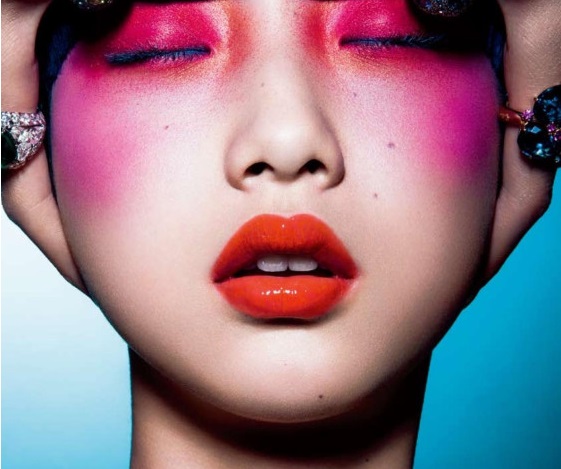
Chinese cosmetics brands
China’s economic growth is currently experiencing a slowdown. The consumer goods market fast moving was 3.5 % in 2015, one of the lowest growth was seen. While the cosmetic market is experiencing an impressive growth of 12.8%. What are the reasons for the growth of the cosmetics market in China?
Herborist
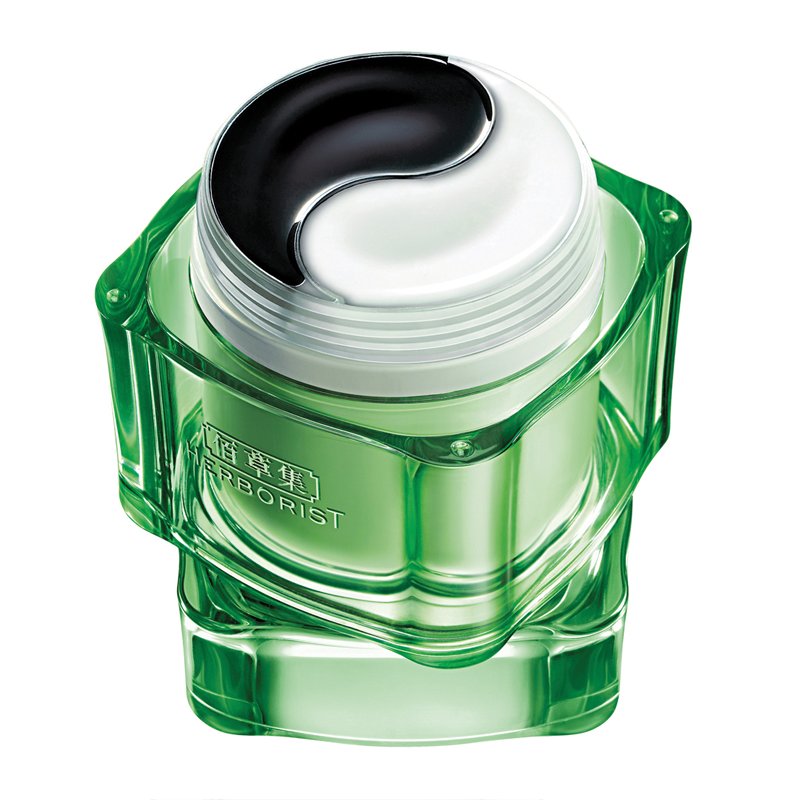
more information here
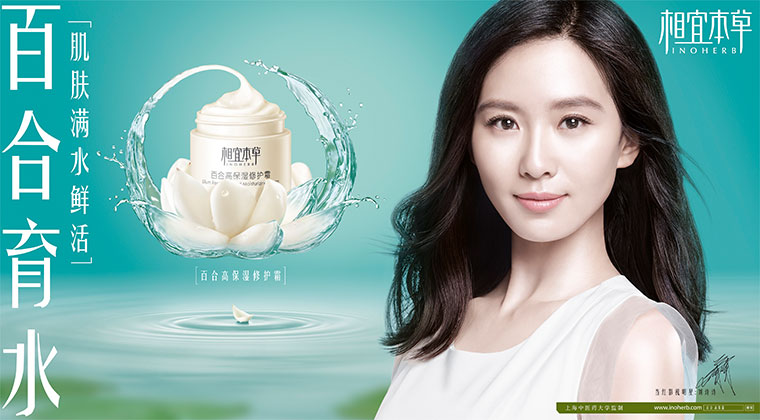
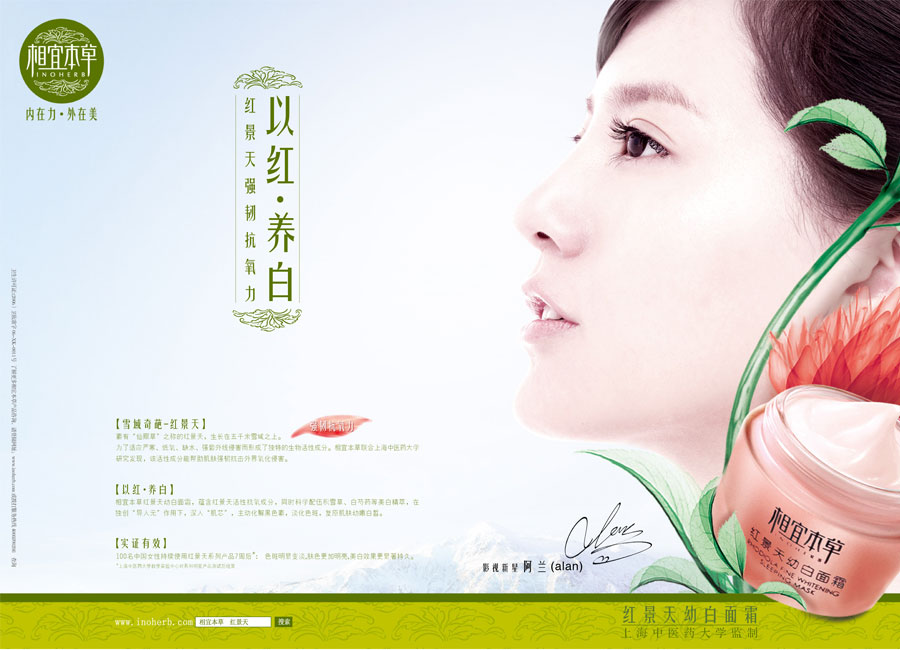
Innoherb
Chinese have more expectations!
This rapid growth can be explained by the change in Chinese’ consumption. Indeed, the Chinese have a new way of life with the wealth and income are increasing, they have a higher standard of living. They are willing to pay more for products of better quality but also consume a wider range of products than before. People take more care of their skin but also through the masstige brands, a new trend is created. Regarding beauty products, people will tend to choose products at higher prices. In the make-up market, people are consuming more and more with the upgrading of some brands. These elements will contribute to the growth of the cosmetics market largely. In China, a new trend of “nude look” is very popular, attracting many consumers looking for products such as BB Cream, lipstick, eyeliner, eyebrows.
The rapid growth of the cosmetics market is also linked to new players: Chinese beauty brands. For 3 years, international brands stagnate in their sales. In 2015, Chinese brands occupy half of the brands in the Top 10 of the best cosmetic brands. What are the strengths of these Chinese brands?
Masstige + Premium: These are brands are an association between massive brands with prestige in the price range.
Natural + High-tech: The Chinese brands have managed to stand out by selling products with herbs, natural plants while using “high-tech” elements which gives a more satisfactory result on the skin.
Hydration: the advantage of hydration in the skin care. In 2015, moisturizers took a volume of 27% from facial creams.
New generation, the future and the present: the Chinese brands target young people and are popular among buyers of post-90 years. Chinese brands want to further encourage young people to consume cosmetics.
The trend of Masks: In recent years, the face masks are a real success. In 2015, 48% of China bought a face mask, which is higher than in South Korea and Taiwan, where the skin care market is more mature. Chinese brands benefit greatly from this trend.
Conclusion:
The evolution of Chinese consumption allows an acceleration of the cosmetics market, the Chinese are willing to pay more for innovative products. In addition, the Chinese beauty brands become magnified and are more dominant than before. It is therefore important for retailers to cooperate with those new brands but also make each consumer shopping experience unique by offering high quality products and good customer service.