
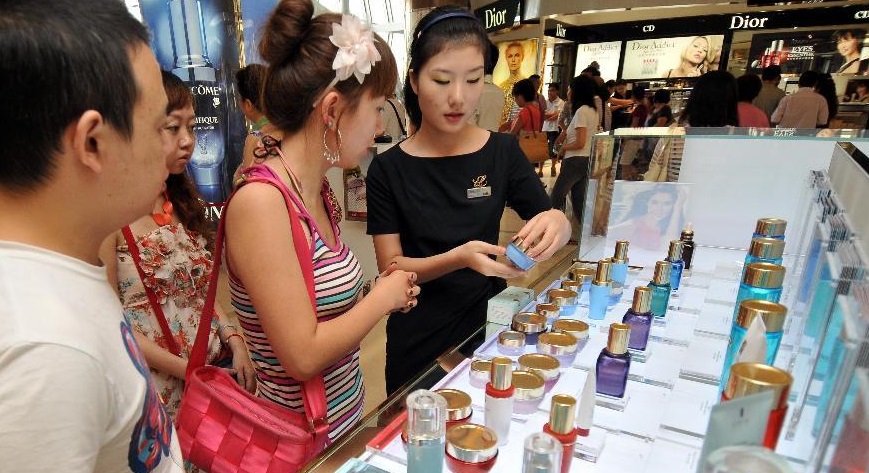
10 Favorite International Cosmetics Brands in China
*(Ranked by Tmall/JD Sales, Social Buzz, and Brand Equity | Data Sourced from CBNData, 2023-24)*
1. Estée Lauder (雅诗兰黛)
Why Chinese Love It: Synonymous with luxury anti-aging science; dominates *618* and Singles’ Day sales with celebrity ambassadors like Yang Mi.
Top-Selling Products:
- Advanced Night Repair Serum (¥900/50ml): #1 serum in China; 2M+ units sold in 2023.
- Double Wear Foundation: “24-hour matte” claim resonates with humid climates.
- https://www.esteelauder.com.cn/
2. Lancôme (兰蔻)
Why Chinese Love It: Combines French elegance with localized campaigns (e.g., rose-themed collabs for Qixi Festival).
Top-Selling Products:
- Génifique Youth Activating Serum (¥1,080/50ml): Tmall’s top-selling premium serum.
- Teint Idole Ultra Wear Foundation: Viral on Douyin for “flawless selfie skin.”
3. Shiseido (资生堂)
Why Chinese Love It: Trusted Japanese R&D; leverages heritage and “Asia-fit” formulations.
Top-Selling Products:
- Ultimune Power Infusing Concentrate (¥1,050/50ml): 1.5M units sold via livestreams in 2023.
- Benefiance Wrinkle Smoothing Cream: Targets aging anxiety in tier-2/3 cities.
4. L’Oréal Paris (巴黎欧莱雅)
Why Chinese Love It: Mass-premium positioning; KOL partnerships (e.g., Wang Yibo) drive Gen-Z appeal.
Top-Selling Products:
- Revitalift Filler Hyaluronic Acid Serum (¥350/30ml): Douyin’s #1 “affordable anti-aging” product.
- True Match Foundation: Customizable shades for diverse skin tones.
5. Dior (迪奥)
Why Chinese Love It: Status symbol; limited editions (e.g., Lunar New Year red lipsticks) sell out in seconds.
Top-Selling Products:
- Rouge Dior Lipstick (¥380): Iconic “999” red shade is a gifting staple.
- Capture Totale Super Potent Serum: Marketed as “red carpet skin in a bottle.”
6. Sulwhasoo (雪花秀)
Why Chinese Love It: Korean hanbang (herbal medicine) allure; positioned as “red ginseng luxury.”
Top-Selling Products:
- First Care Activating Serum (¥780/90ml): Xiaohongshu’s most-reviewed K-beauty product.
- Concentrated Ginseng Cream: Tmall’s #1 premium anti-aging cream in 2023.
7. MAC (魅可)
Why Chinese Love It: Bold, inclusive branding; collabs with C-pop idols and Chinese IPs (e.g., Forbidden City).
Top-Selling Products:
- Studio Fix Fluid Foundation (¥340): #1 foundation for “studio-level makeup” hype.
- Powder Kiss Lipstick: Viral “blurred lip” effect on Douyin.
8. Laneige (兰芝)
Why Chinese Love It: K-beauty hydration queen; dominates winter skincare routines.
Top-Selling Products:
- Water Sleeping Mask (¥230/70ml): 8M+ units sold annually.
- Neo Cushion Matte: “Pore-blurring” cushion for oily skin trends.
9. The Ordinary (平凡之美)
Why Chinese Love It: Transparent, affordable “skincare nerds” appeal; thrives on Xiaohongshu’s ingredient-focused reviews.
Top-Selling Products:
- Niacinamide 10% + Zinc 1% (¥90/30ml): Gen-Z’s go-to for acne control.
- AHA 30% + BHA 2% Peeling Solution: “TikTok famous” red mask for glass skin.
10. Clarins (娇韵诗)
Why Chinese Love It: Clean, pregnancy-safe positioning; eco-friendly ethos aligns with post-COVID values.
Top-Selling Products:
- Double Serum (¥960/50ml): 1.2M units sold via Tmall in 2023.
- UV Plus Anti-Pollution Sunscreen: Touted as “urban skin armor” against smog.
Key Trends Driving Success:
- Anti-Aging Obsession: Serums and creams with “dual anti” (抗老抗氧) claims dominate.
- C-Entertainment Collabs: Brands tie products to hit dramas (The Knockout) or idols (Cai Xukun).
- Mini Sizes & Sampling: Trial kits drive 60% of new customer acquisitions.
- Douyin Shopability: Short videos with in-app purchases shorten the path to checkout.
GMA’s Take: Winning China isn’t just about premium pricing—it’s about cultural agility. Estée Lauder’s night serum succeeds because it’s framed as a “sleeping beauty ritual,” while MAC’s collabs tap into national pride.
Source: Tmall Global 2023 Beauty Report, Xiaohongshu UGC Data
GMA – Decoding China’s Beauty Code Since 2012. ????

With its worth $26 billion a year cosmetics market, China ranks third largest market of the world. It is expected to grow 8% each year from since 2017, according to Euromonitor, the market .
in 2024, this growthing e market has been helped by the Chinese customers coming from the third and fourth tier cities buying on the internet and influence of xiaohongshu.
The market is divided in two parts, foreign brands and local brands. Chinese cosmetics customers have a wide range of brands to make their choice when they buy products.
A market dominated by foreign brands
For years now the market leaders have been foreign brands, especially from France, Japan and the United States. Indeed, over 80% of the markets are controlled by well-known international brands especially in the luxury cosmetics sector. The key players on the Chinese markets are the French group L’Oreal, the American company Procter & Gamble, and the Japanese firm Shiseido.
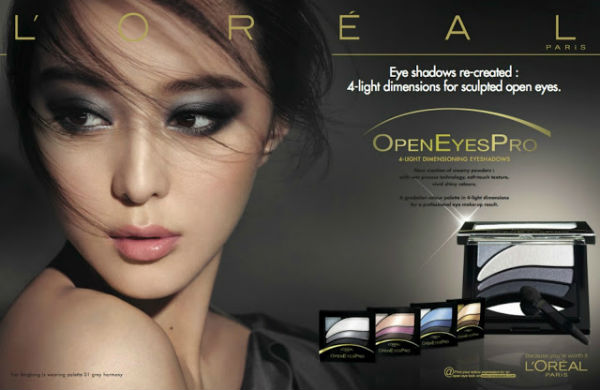
Their success is mainly built on efficient marketing and advertising. They also developed a lot of products for the Chinese market. Chinese customers trust the foreign brand because they are recognized for their quality worldwide. A strong point knowing that China is the country where counterfeit is everywhere and even the cosmetics market has safety issues. The main weak point of foreign brands is their prices most of the Chinese women cannot afford to buy cosmetics at such a high price.
This is why popular Korean brands such as Laneige, Mamonde and Etude House are rising on the Chinese cosmetics market. They are cheaper, highly innovative and their packaging is appealing. So much that half of the Korean cosmetics exports are going to China.
Domestic brands are gaining ground
Apart from the international companies that are running the industry, Chinese companies are also earning their part of the market share with other arguments. Their major argument is that their products are more suitable for the Asian skin type. Indeed most of the Chinese women love western skin care products but think that they are too rich for their skin.
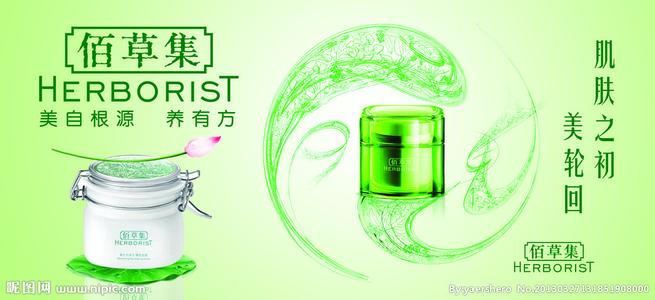
They sometimes prefer using Chinese products because they are composed of traditional ingredients and are more efficient on the whitening side. So that Chinese brands stand out as competitors to the international brands thanks to their smart mix of Chinese traditional medicine ingredients and modern cosmetic technology. Liushen and Herborist are now becoming two major Chinese brands on the domestic market.
Conclusion
Although the market is largely run by foreign brands, Chinese women are more and more interested in Asian and local brands because they feel the products will better fit their expectations and skin condition. Their offer is also cheaper and more innovative than the international cosmetics giants. The competition between the numerous brands on this fast growing market is harder than ever.
read more


1 comment
ITAKI
It’s true that Chinese young consumers trust international well-known brands because they are already well-established and their reputation is not to prove. Chinese consumers trust names, what they know, and what they can verify online, thanks to reviews. But there is also a rise of Asian indie brands, thanks for example to K-beauty trend.