
Have you ever found yourself gazing into the glossy world of functional cosmetics in China? After pouring copious amounts of Arabic coffee, and surveying multitudes of reports and articles, it’s become quite clear to me that functional cosmetics – be it products sprinkled with anti-aging promises or those providing a fortress against sun damage – are becoming China’s beauty elixir du jour.
In this cozy blog chat today, we’ll peel back layers from the flourishing Chinese market for these advanced potions and lotions where big names play and consumer preferences shape trends like an artist’s brush on canvas.
All set? Join me as we explore how innovation bathed in dynamic consumer behavior is sculpting the face of this multi-billion-dollar market!
Key Takeaways
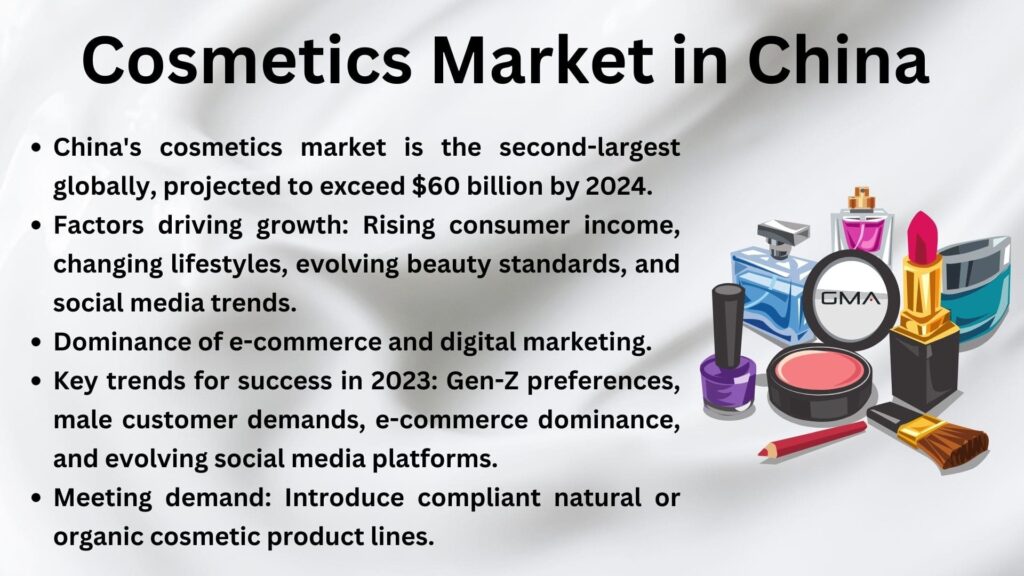
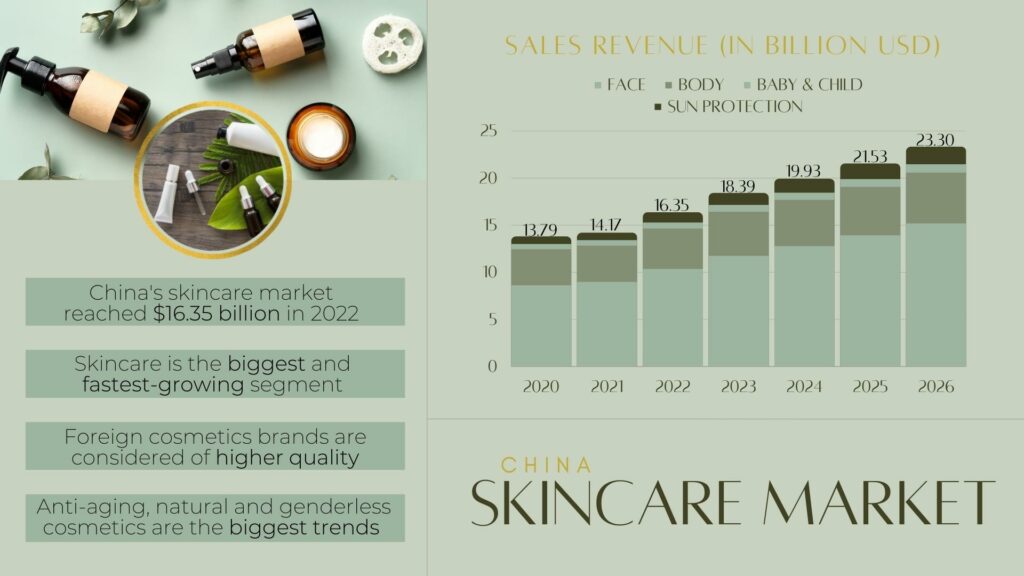
- China’s skincare market is growing fast and the functional cosmetics market is estimated to grow up to $4.6 billion by 2028.
- Big brands like Croda, L’Oréal, Estée Lauder, Shiseido, and Amorepacific lead the market.
- Skincare in China values function over looks. The big hits are items with UV filters and anti-aging ingredients.
- Online shops have sparked change in how beauty goods are sold in China. Many people there now shop on the web for these products.
Market Dynamics and Ecosystem
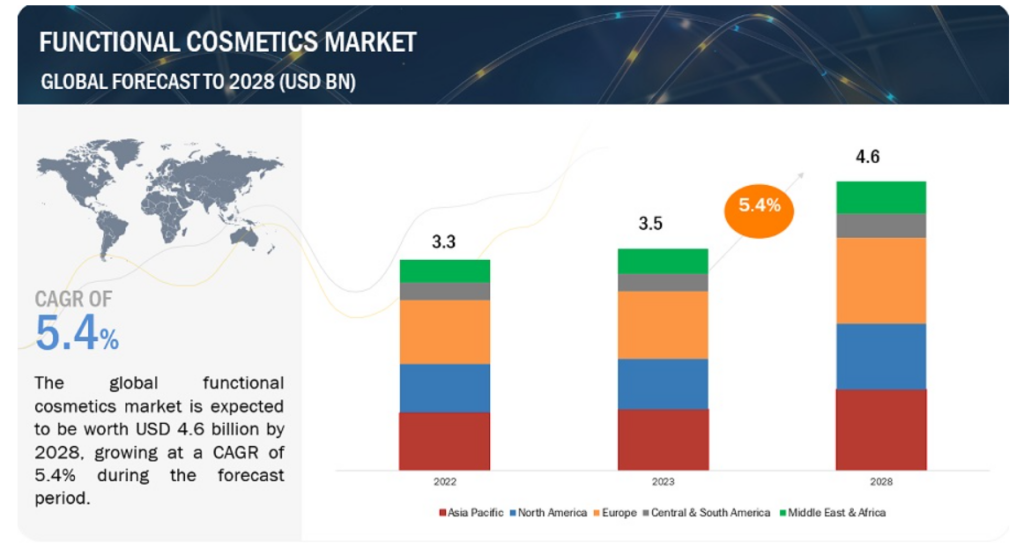
Global Functional Cosmetics Market
It is worth more than 3 billion dollars this year! Experts say it could reach up to 4.6 billion dollars by the year 2028. That’s a growth rate of over 5% each year.
China’s hunger for beauty products is strong and getting stronger every day, making it one of the best places to do business in health and skincare items. More folks there also want natural goods these days, even if they are not as common yet on the shelves.
This fresh interest opens the door wide for new ideas and products to hit their market soon!
Key Market Players and Their Impact
Croda International Plc is a big player in the functional cosmetics market for skin and personal care in China. They are leading the way with their focus on new and green cosmetic items. I see Croda’s healthy growth as they continue to create smart beauty fixes.
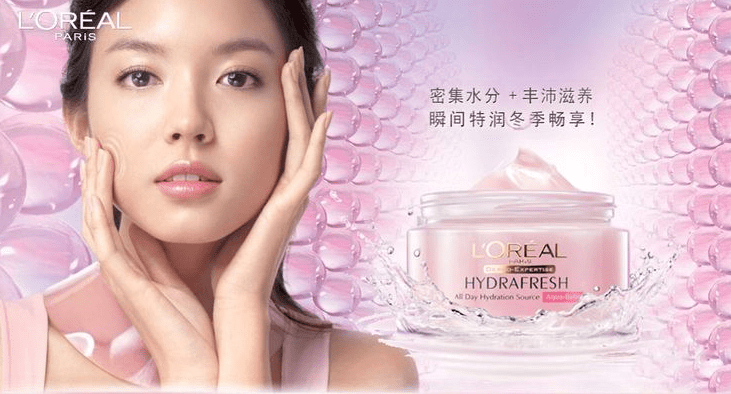
L’Oréal, another key player, keeps growing strong in China. The brand rolls out new products often and goes where the buyers are. Their power lies in understanding what customers want from functional cosmetics.
Estée Lauder stands apart by selling high-end products to Chinese buyers. This firm is betting on custom experiences to win over shoppers who seek unique skincare solutions.
Shiseido pays attention to what Chinese customers need most from functional cosmetics. This marketer excels at creating tailor-made beauty care that fits right into ladies’ daily routines here.
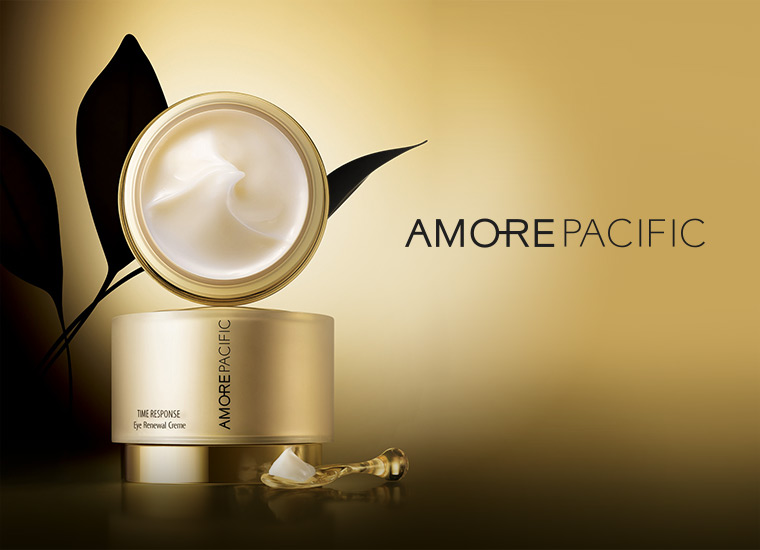
Amorepacific rides on the wave of Korean beauty trends in our region. Their creative use of time-honored Asian elements has made them well-liked among locals looking for fresh ways to keep their skin glowing.
Types and Functionality of Functional Cosmetics
Conditioning Agents
Conditioning agents help our skin. They fix and grow new skin cells. Your skin feels better and looks nice because of them. In China, we make these agents to give your skin the good things it needs.
This way, these agents work best for your skin’s health and look. For sure, having conditioning agents in cosmetic products makes the product work better for you!
UV filters
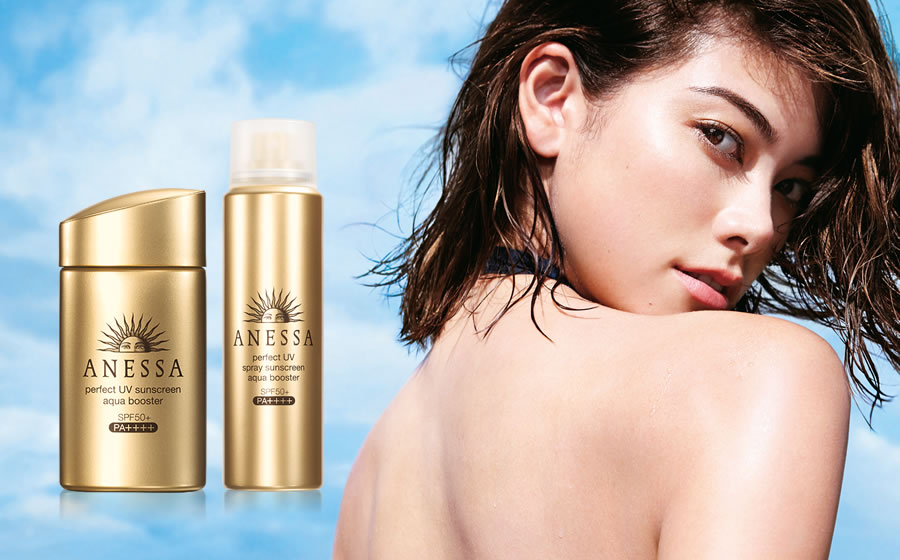
UV filters are a big deal in the Chinese market. They turn up in sunscreens and other skin products. These filters soak up harmful UV rays from the sun, keeping our skin safe. This stops damage to the skin, like early aging, and it’s perfect for sun protection.
Right now, they’re growing fast as an ingredient type for functional cosmetics – they might even be number two soon! So yes, these small but mighty shield ingredients play a huge part in stopping the bad effects of solar radiation.
Anti-aging Agents
Anti-aging agents are on the rise in the Chinese beauty industry. People love them for their power to fight signs of getting old like wrinkles and fine lines. Most of these skincare products hold special things inside.
Peptides, retinol, and hyaluronic acid become weapons against aging.
Awesome growth of the market is what awaits this part of the cosmetics in China. More people know about skincare today than before! It’s easy to see why they want such functional cosmetics packed with anti-aging powers.
Skin-lightening Agents
Skin-lightening agents are a big part of the Chinese cosmetic market. Many people in China use products like these for skin whitening. They come in many forms such as creams and treatments.
One common skin-lightening agent is hydroquinone. It’s found in lots of skin whitening products. The reason for using these agents is simple: People want whiter skin, so they buy more products that promise this result.

Market Trends and Consumer Perspectives
Surging Demand for Natural and Clean-Label Cosmetic Products
People in China are buying more natural and clean-label cosmetics. They like these products because they are safe and good for the skin. These products do not have harmful things in them.
People also care about our planet. They choose beauty items that won’t hurt nature. Lots of folks want to buy organic or green beauty things, too. We think this trend will keep going past 2023.
Online Retail Stores as a Dominant Distribution Channel
Online shops are changing the way we sell makeup. More people now buy beauty items on the internet in China. This shift is because there are not enough stores and brands to offer choices.
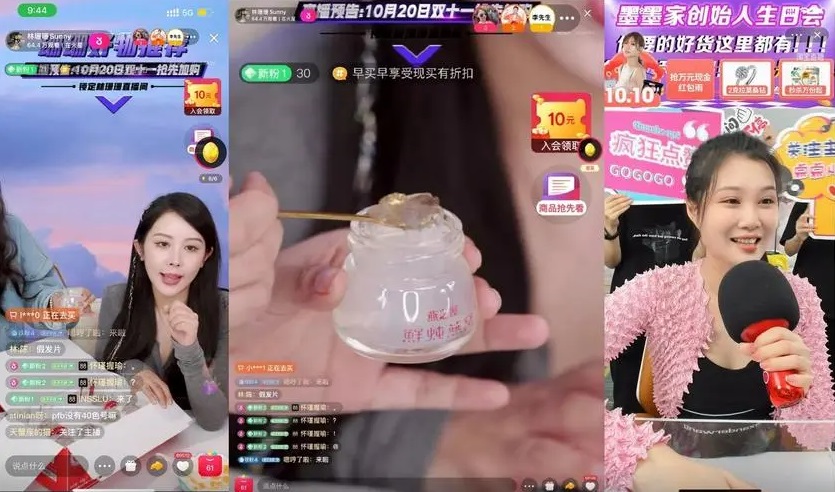
To add to this, livestreaming helps make more sales of these products.
Cross-border business also gets a boost from online shops. Digital sales grow fast all over the world for beauty products. Big stores lose their hold on the market as ecommerce grows stronger every day.
So, if you want your brand to stay strong, think about selling online!
Consumer Preferences and Expectations in the Chinese Market
Chinese beauty shoppers spend a lot of money on skincare goods. They pay around 210 yuan per skin item in fact. This is about four out of every five dollars they use to buy cosmetic stuff! Much of this money goes to fancy brands from Korea too.
Yes, folks in China love luxury items from there!
Aside from that, buyers with big bucks are making China a key market spot for high-end goods. It’s becoming more usual to find products tuned right for folks who earn lots of dough here.
Lastly, the trend now lies in how well an item works and what it’s made out of – function-driven beauty is all the rage today!
Future Outlook and Opportunities
The functional cosmetics market in China is expected to see significant growth in the upcoming years. Opportunities for innovation may revolve around developing products that cater to specific skin needs and concerns.
Advancements in technology could also pave the way for novel cosmetic formulations, enhancing functionality and effectiveness. The expansion of e-commerce platforms could further drive sales as online shopping continues to gain prominence among Chinese consumers.
With changing beauty trends, there’s a clear window for brands to introduce multi-functional products that deliver unique benefits while aligning with consumer preferences. Sustainability practices might play an important role too, as more mindful consumers demand eco-friendly options.
Potential Areas of Innovation and Market Expansion
There’s a lot of room in China for new kinds of beauty stuff. People there want more from their creams and masks. They want them to work better on special skin problems. New ideas will shake things up.
Even foreign brands can find space in this big market! The people here are not rushing; they look at what gives them value for their money, such as functional skincare products that keep the glow going all day long! Our focus is to grow our share in this ever-changing sphere.
We plan to meet increasing market demand with fresh, high-quality choices that align with how trends change over time.
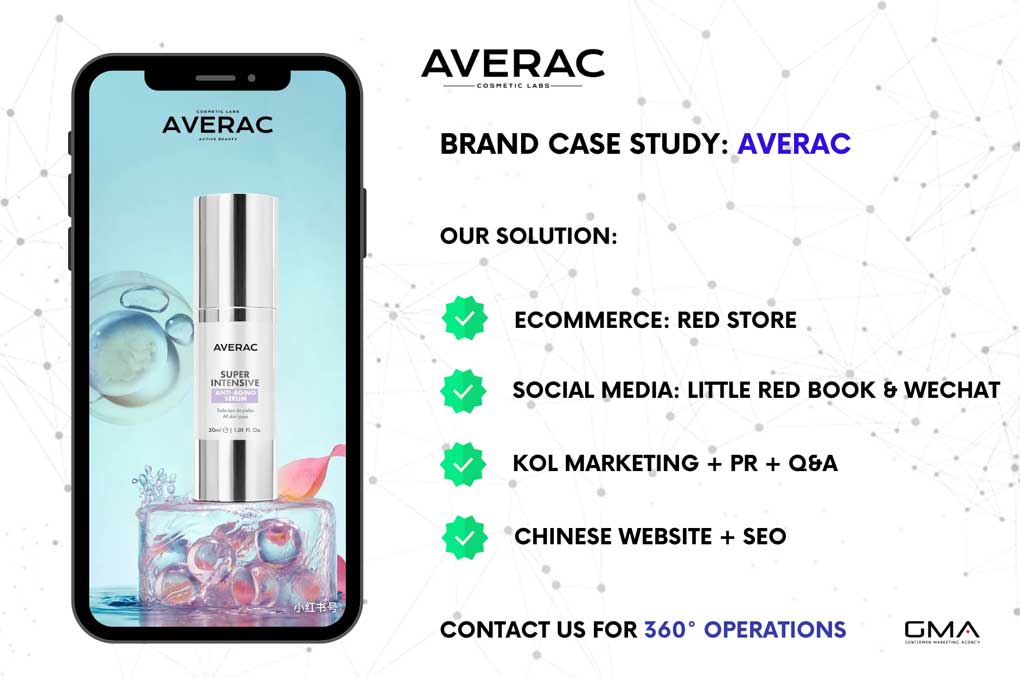
We are Your Local Partner in China!
The future of China’s functional cosmetics is promising, with consumers seeking products that offer more than just beauty benefits. This presents exciting opportunities for businesses. However, entering this market can be complex.
Our agency specializes in helping brands enter the Chinese market successfully. We have the expertise to navigate regulations, understand consumer preferences, and develop tailored strategies.
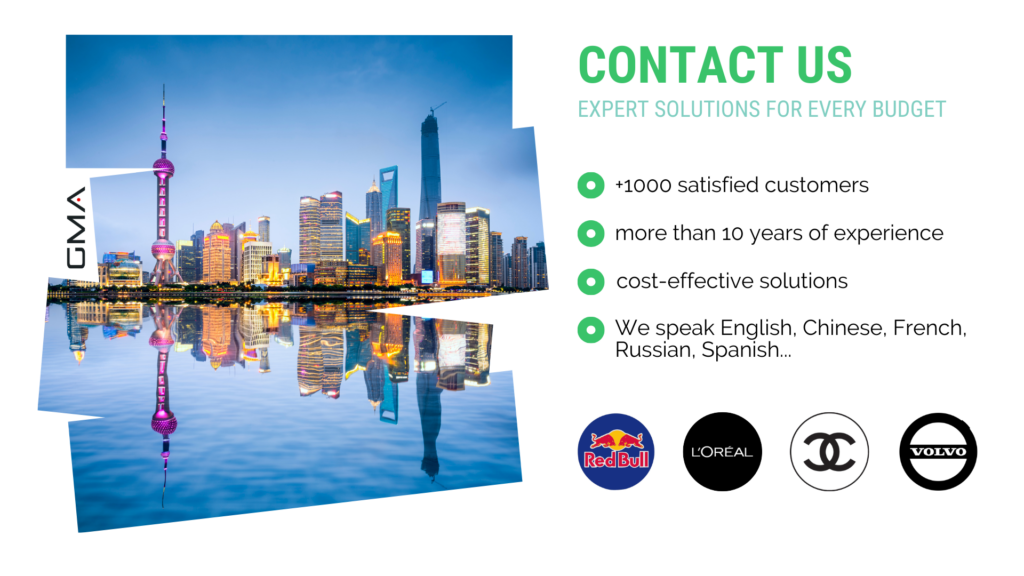
Don’t miss out on the potential of the Chinese market. Contact us today, and let’s explore how we can help your brand thrive in this functional cosmetics industry.