
In China, social media are the best way to increase your visibility and build your audience. You can share qualitative content about your brand, and information about your product, and build a trustworthy relationship with your followers.
Among the most used social media, the short video platform Douyin (the Chinese name for the TikTok app) is one of the most performant. Thanks to its numerous features, you can increase your beauty brand visibility on Douyin… and even sell! Discover how you can market your cosmetics or pharmaceutical brand with some Douyin marketing strategies.
What is Douyin?
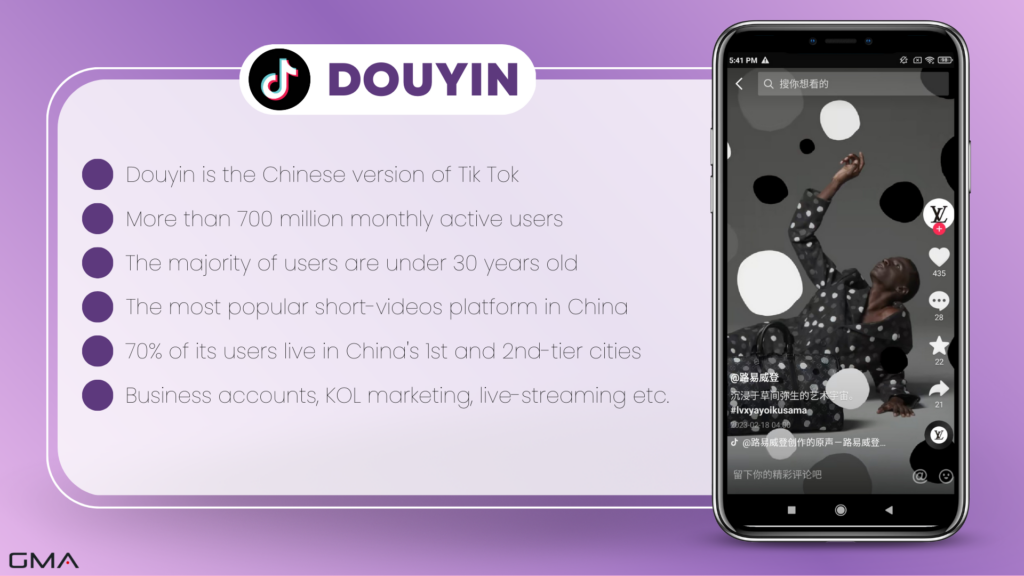
Created in 2016 by ByteDance, Douyin is a short-form video platform. Have you ever heard about ByteDance? This giant owns Toutiao, Douyin, and TikTok.
For the Chinese version, ByteDance chose the name Douyin 抖音, which literally means “shaking sound”. This social media has a huge audience mainly amongst the Millennials and Generation Z. In 2023, out of the 730 million monthly active users of Douyin, one in three will be under the age of 24.
Douyin vs. Tik Tok
Then, you may wonder why we differentiate Douyin from TikTok. In a word, TikTok is the international name for Douyin. They have almost the same features but they are not the same platforms. ByteDance hosted one platform in the Chinese market and one on the international internet. If you want a quick comparison, it is like with Weixin / WeChat: the Chinese and the international versions are not exactly the same.
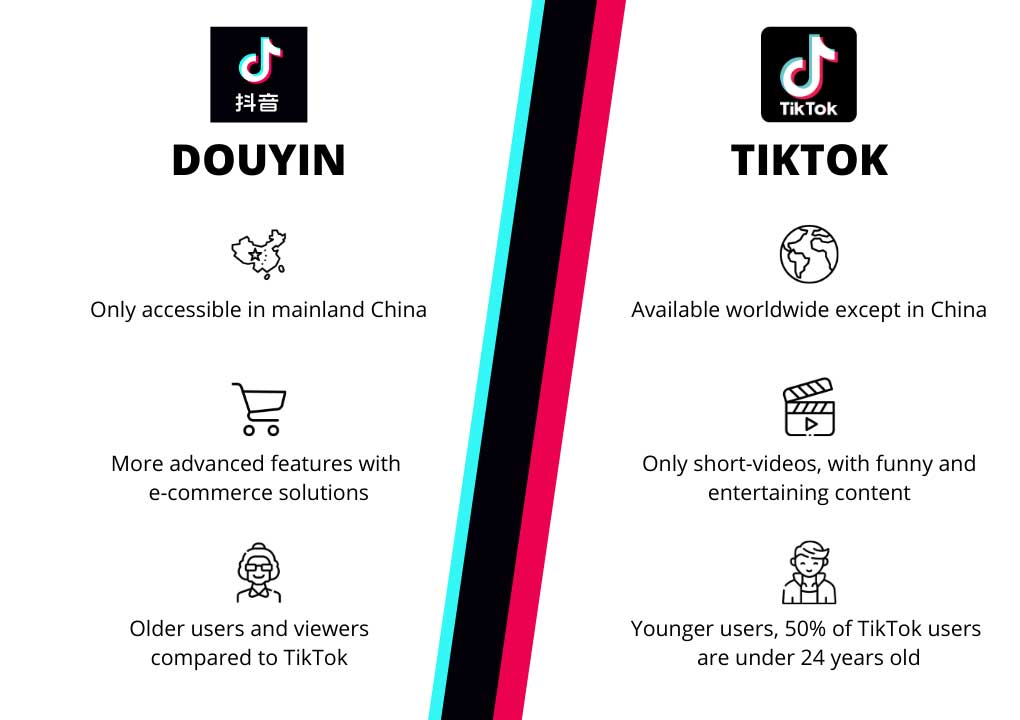
There are other differences such as Tik Tok helps small creators and focuses on community content, while Douyin is more for big accounts, influencer marketing, and media. Douyin’s For You page shows more big accounts and its search algorithm favors accounts with lots of followers and verified businesses accounts.
An example : Chen He, a popular Chinese actor, has over 50 million fans on Douyin, making it one of his most successful platforms. However, on TikTok, only a few unverified accounts appear when searching for his name.
Why does ByteDance separate these platforms?
ByteDance separates TikTok and Douyin to follow China’s strict online regulations. TikTok has more freedom to host user-generated content, while Douyin adheres to restrictions. This allows ByteDance to operate in both the Chinese and global markets while complying with regulations.
Douyin is a great platform for brands and advertisers to carry Douyin marketing campaigns in China market. By partnering with KOLs, a luxury brand can not only increase brand awareness but also drive direct sales. It’s a win-win situation for both parties. However, TikTok’s e-commerce feature is limited to some users and regions, making it less useful for online shopping.
Also compared to TikTok’s audience, Douyin users have a stronger inclination to make purchases on the Douyin app. These users tend to be well-educated, come from metropolitan areas in China and have a high purchasing power. As a result, Douyin is an effective platform for domestic and international brands to market their products and reach this affluent and receptive audience.
Furthermore, in January 2021, Douyin has launched Douyin Pay, a payment platform that will compete with other Chinese giants such as Alipay and WeChat Pay, enabling E-commerce sales with a Douyin account.
The Addictive Viewing of Beauty Short Videos
The social media app Douyin offers short videos with music in the background and advanced video editing features. The app is based on UGC (User Generated Content) mainly. To put it simply, random people create fun and attractive videos to feed the platform.
Why is it addictive then? Because the algorithm used in Douyin / TikTok is one of the most performant among social media. The app will always recommend videos depending on what you previously liked, shared, and watched longer. And they will not only propose content but they will also “force” you to watch it by automatically switching to the next video in your feed.
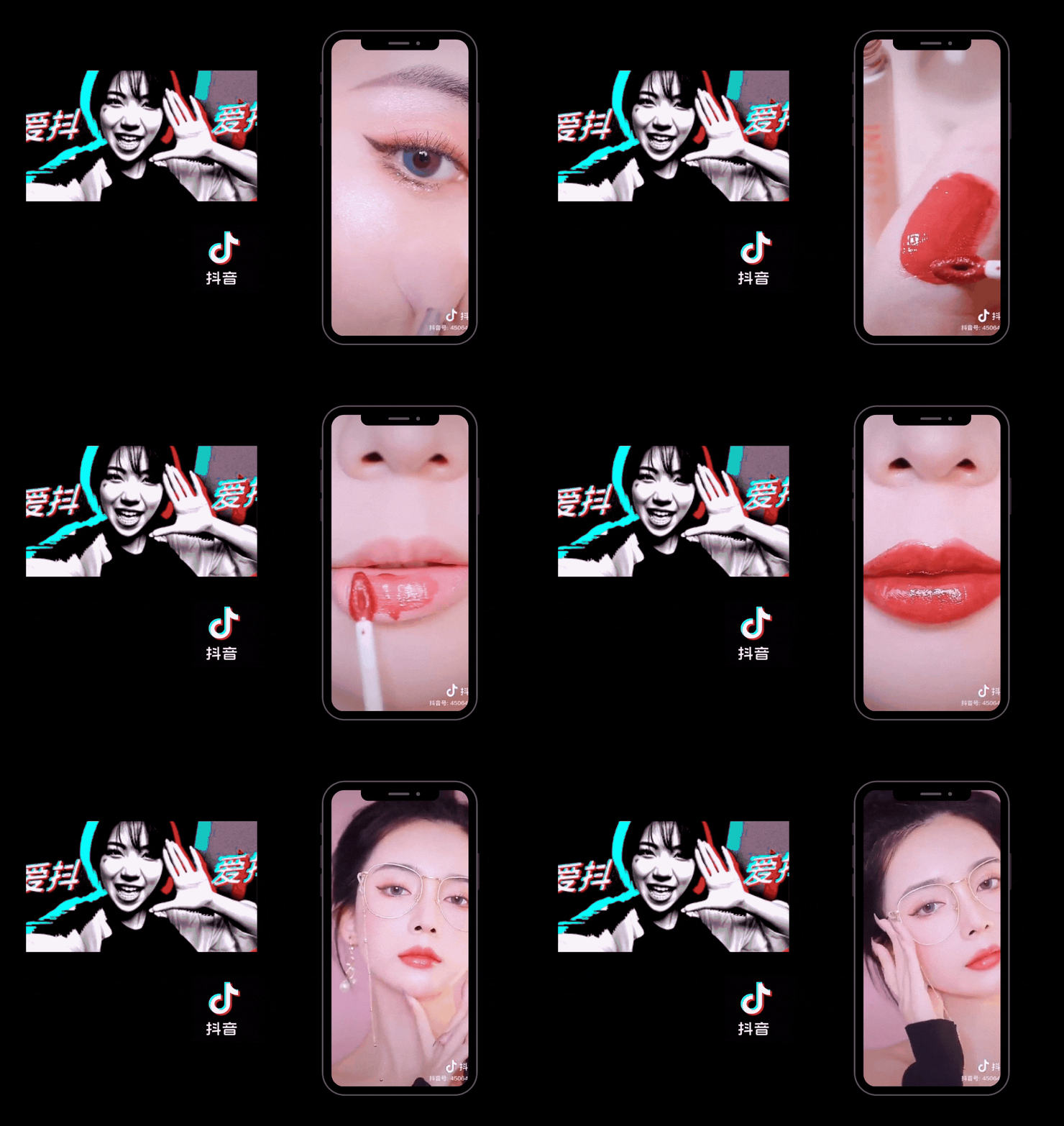
Thanks to the impressive algorithm, people can spend hours on the Douyin platform. On average, Chinese users spend 45 minutes per day on Douyin. This is a never-ending source of joy and fun. People love to watch and discover new videos every time. In only 2 years, the number of daily users increased by +200%!
In China, the users will not only watch fun videos but also look for original stuff to buy. Especially for beauty brands, there is a lot of content featuring impressive makeups or daily skincare routines. This is why it’s especially useful for fashion and beauty brands to consider marketing on Douyin.
Douyin Store: Turn Viewers into Cosmetics Buyers
In general, social media are the best tool to increase brand awareness and visibility. With Douyin, you can also increase your conversion rate by incorporating a store into your official account.
Indeed, Douyin decided to switch to an e-commerce platform. Before, you needed to have 8K followers on your account to open a Douyin store. Since 2018, you only need to have posted 10 videos to have the possibility to create a store and use Douyin also for e-commerce purposes to reach out to Chinese consumers.
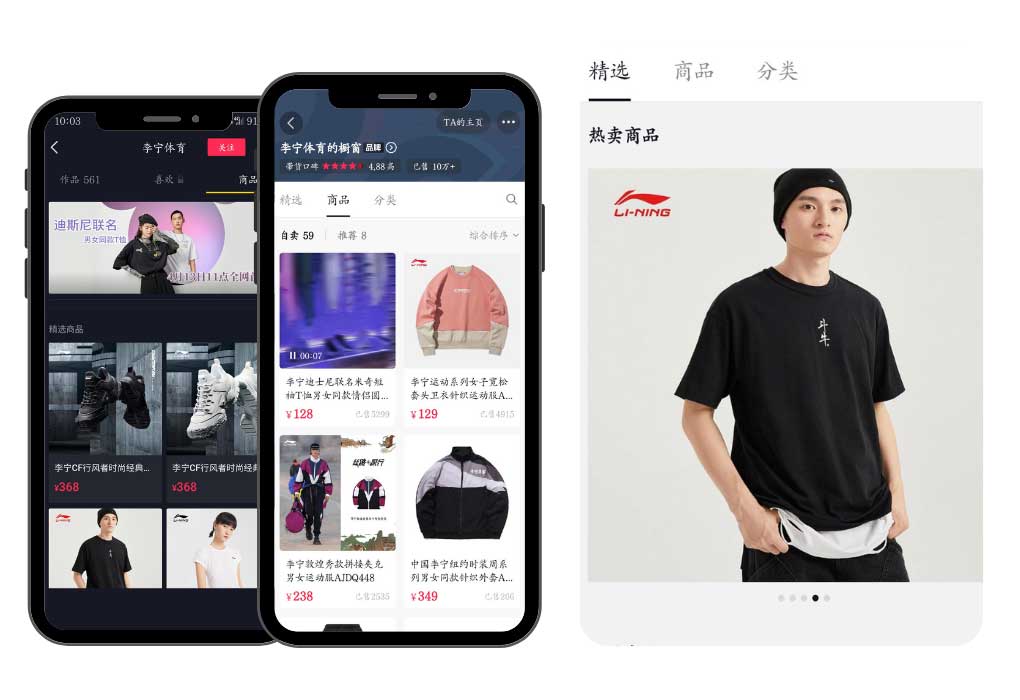
What are the different options to sell your beauty products on Douyin?
- Online shop: You can create a store on Douyin to sell directly within the platform
- Live streaming: You can host a live streaming session on your account or through a KOL to sell
- Short video selling: You can like your brand page from any e-commerce website
Example: Colorkey’s KOL campaign with actress Li Xiaolu proved that affordable products sell better during live-streamed product sales.
Colorkey achieved an impressive 309% ROI through their livestream sale with Li Xiaolu, selling a total of 86.4k Colourkey lip glosses at a discounted price of 49 RMB (originally priced at 69 RMB) each.
Best Practices for Douyin Marketing
What you need to know about Douyin is that it’s indeed a social media platform, but Douyin is one of the apps aspiring to be the go-to platforms for e-commerce. The new concept of social e-commerce in China is speeding up, especially after the COVID pandemic, with social media platforms following the steps of WeChat stores.
Douyin, with a huge base of many million daily active users watching short videos and live-streaming in search of product recommendations, creates a great opportunity for brands to leverage Douyin for marketing purposes.
We divided our guide into three main points, which are branding, live-streaming, and e-commerce, which in our opinion are the core elements of successful Douyin marketing in China.
BRANDING – Build your Brand Image and your E-reputation
In China, branding is everything. You need to create your online reputation thanks to qualitative videos, positive comments, and KOLs endorsement.
If you want to start on Douyin, you will need to create an official account for your beauty brand. For your account, you will have to create PGC (Professional Generated Content) with videos or pictures of your products and campaigns.
You need to know the Chinese standards on how to make your content relevant on Douyin. Chinese netizens want to see aesthetic and qualitative content on the Douyin feed, and they want to create an intimate relationship with your brand.
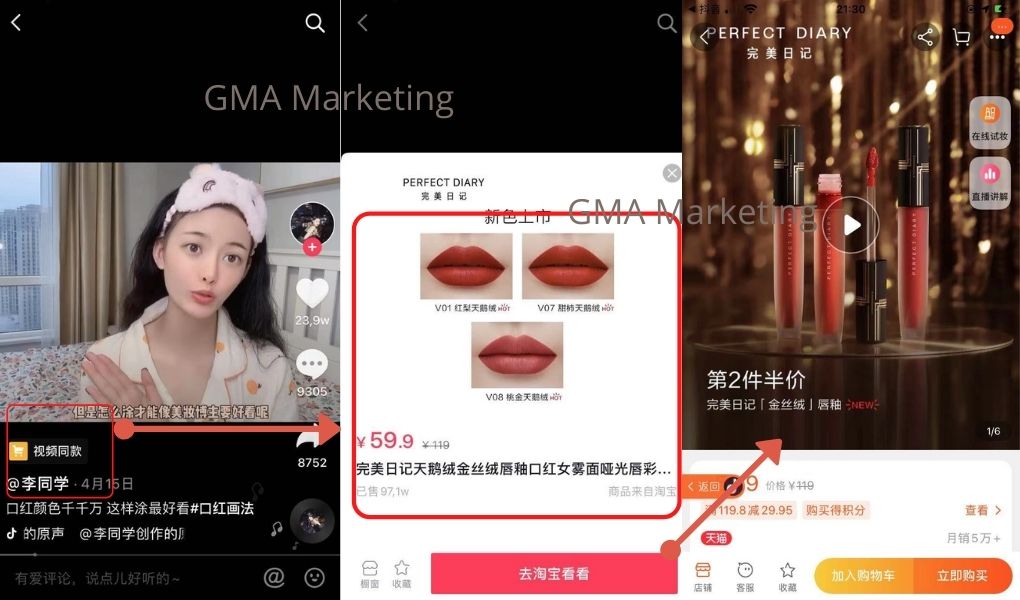
You can boost your brand awareness thanks to Key Opinion Leaders (KOLs). As we were talking about relevant content for Chinese netizens, you should know that they prefer to watch casual lifestyles they can easily relate to.
For instance, if you want to display your makeup products, you should choose a kind of “girl next door” influencer rather than a celebrity going only to fancy parties and fashion shows. The most popular videos are KOLs coming out from the airport or getting prepared before the day.
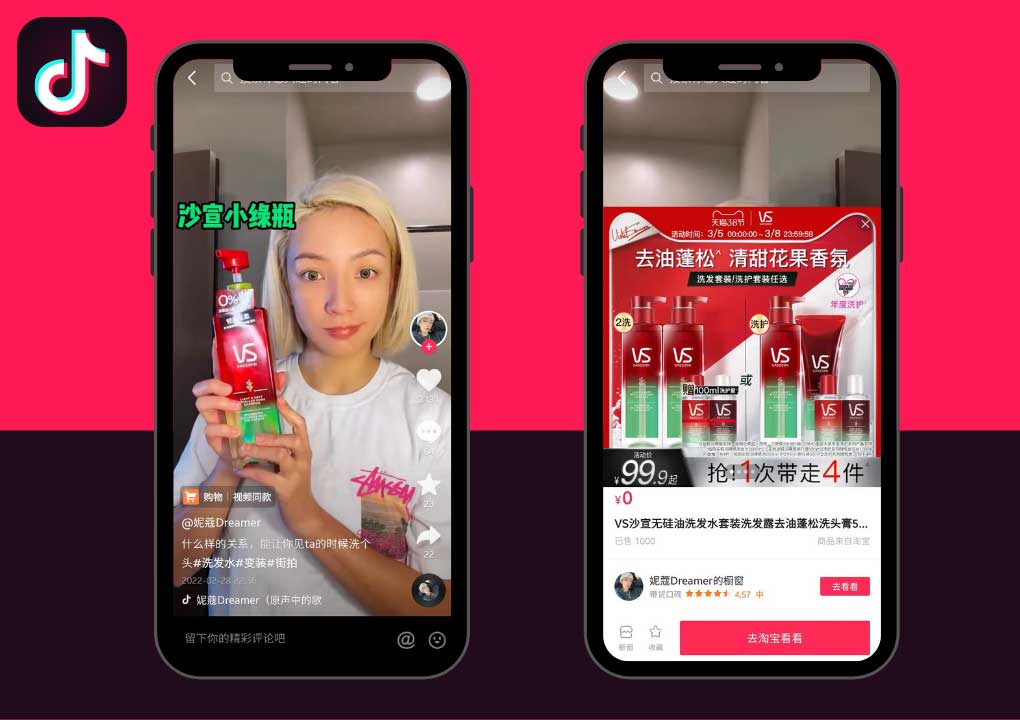
In the meantime, a KOL will help you to drive traffic. They often link their own Taobao stores to the Douyin short videos.
Influencers leverage their creativity to promote products, services, or the brand through their videos. Companies have the option to sponsor Key Opinion Leaders (KOLs) to showcase their products in their videos or participate in their hashtag challenges. Additionally, KOLs can create dedicated videos to discuss the brand’s products in detail.
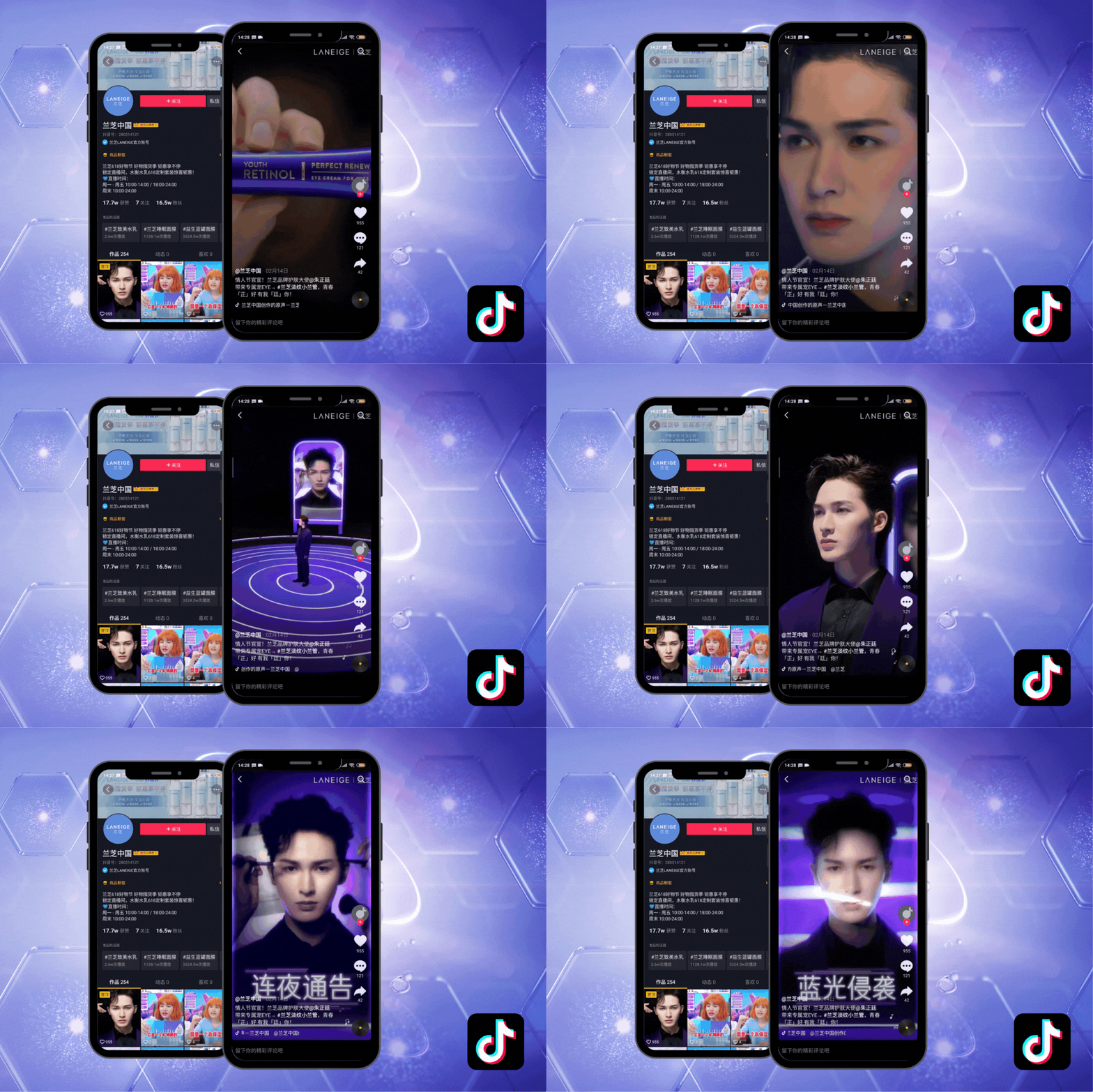
LIVE-STREAMING – Boost your Audience and Consumers’ Engagement
Live streaming is the hottest solution to sell in China today. Still today, 80% of live-streaming sessions are hosted on Taobao. The most performant KOLs and influencers still see a coming opportunity in Douyin now and decided to host some live-streaming sessions on Douyin.
Do you need a KOL to do live streaming in China? Not necessarily. Especially on Douyin, you can totally create your own live-streaming session and present your products to active Douyin users.
How can you host your own live streaming? First, you need to enter the live streaming room and launch a session. Then, Douyin will inform your followers you are currently doing live streaming. Above all, Douyin will increase your traffic by recommending your session in short video promotions in targeted users’ feeds. This is a great way to reach a new audience and increase your brand awareness.
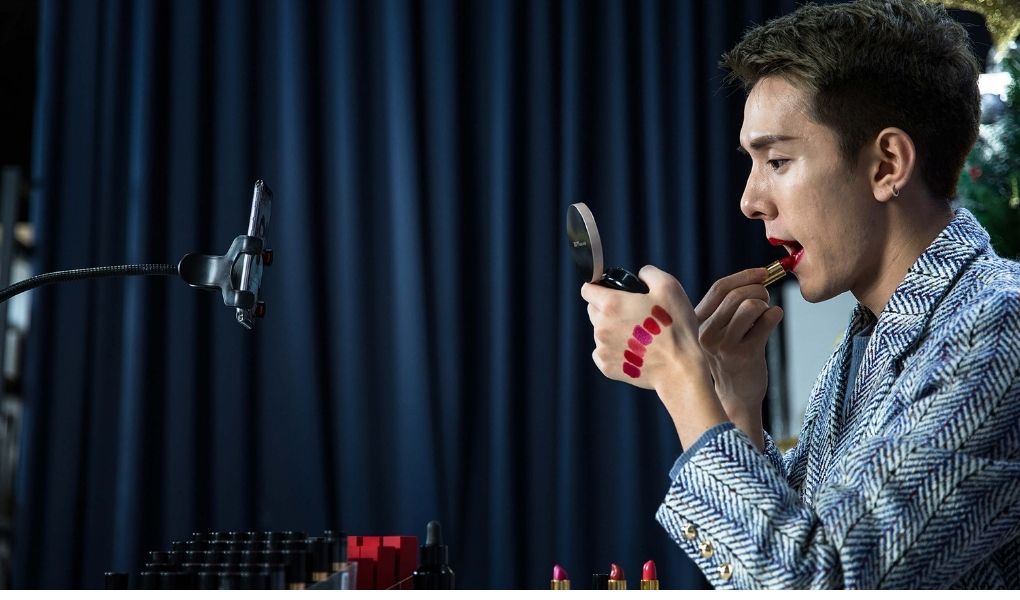
The objective of live streaming in China is “See Now, Buy Now“. It means you need to insert links so that your viewers can immediately purchase what you are showing or talking about. On Douyin, you will have the possibility to insert links to Taobao, Tmall, and JD.com.
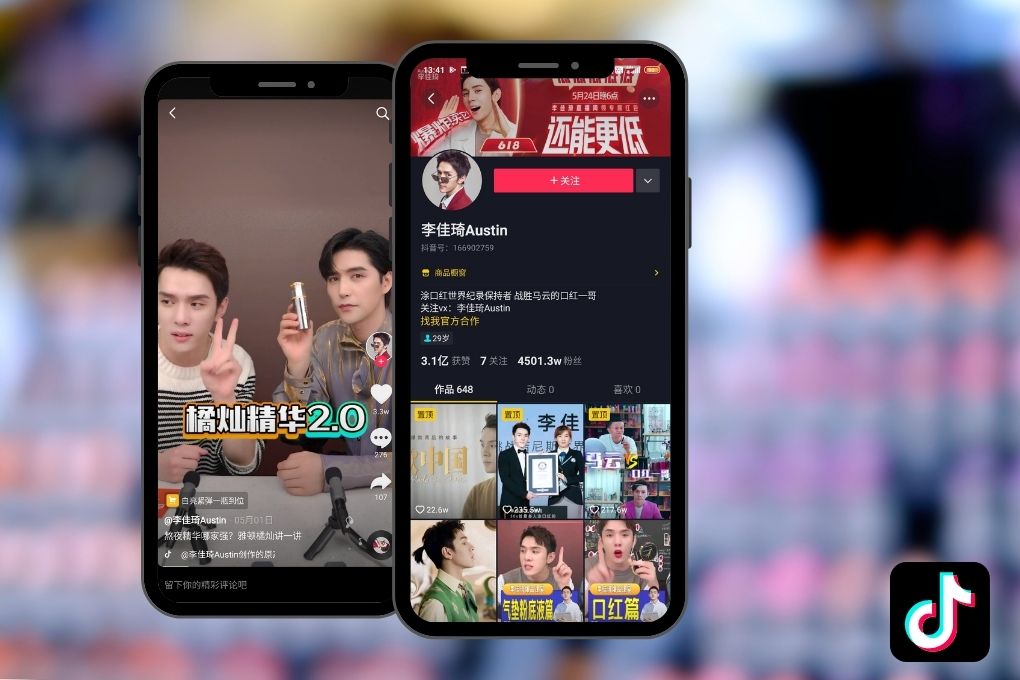
Viewers will have the possibility to be redirected toward these e-commerce platforms while watching your show. Is it effective? Totally. For instance, Li Jiaqi also called Lipstick King is the leader of live streaming sales in China. He owns the record for selling 15K lipsticks in only 5 minutes.
DOUYIN STORE – Generate Sales Directly on The Platform
Finally, you can create a store directly on Douyin. This is a great strategy to reach a higher conversion rate because your followers will not leave the platform and you will avoid a too-important bounce rate.
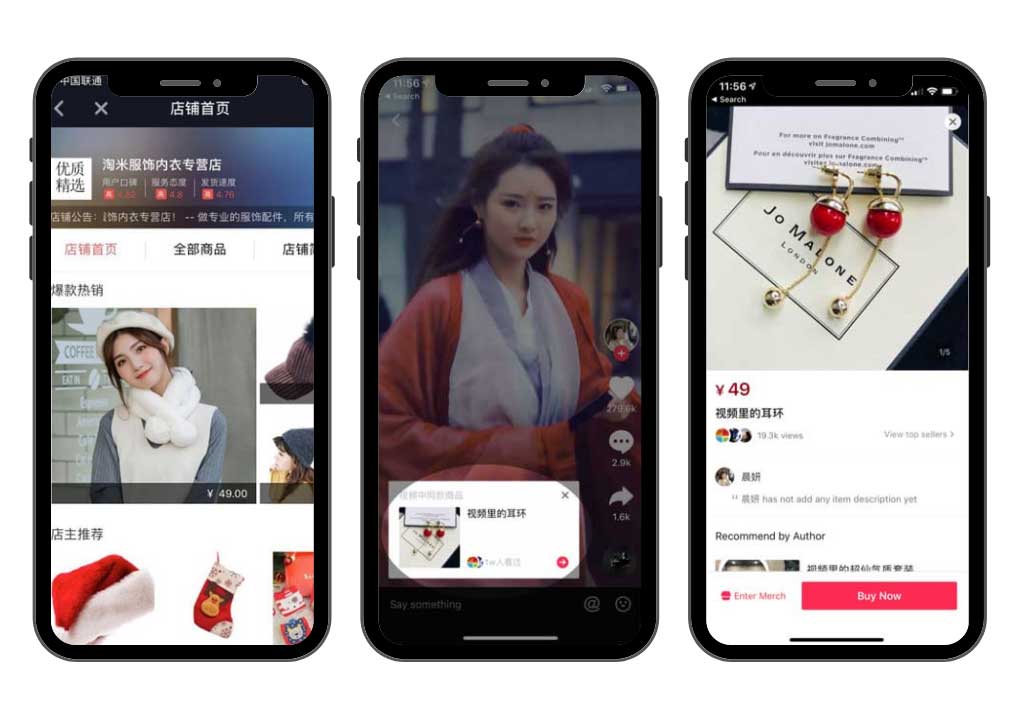
What is the process to create a Douyin store? You need different requirements to have the possibility to sell on Douyin. First, you have to send the corresponding materials requested by the app like your ID and authentication. Then, you need to pay a deposit and get your account verified by Douyin. When all these steps are successfully closed, you will have the chance to sell your products.
Warning: The moment you obtain the certification to open your store, you have 12 days to add the first product. Then, you have to upload 2 videos and link these videos with your products in the Douyin store within those 12 days.
How can a user enter the store?
- By clicking on the e-commerce link provided during the video
- By clicking on the large banner that appears after rewatching the video a second time
The store could be linked to other apps created by Bytedance such as Toutiao, Huoshan Video, or Xigua Video. In a word, there are plenty of features you can use to boost your sales on Douyin. Regarding the limitation of 12 days before creating and linking your beauty products, you need to be prepared with a launch plan and strategy before starting this process.
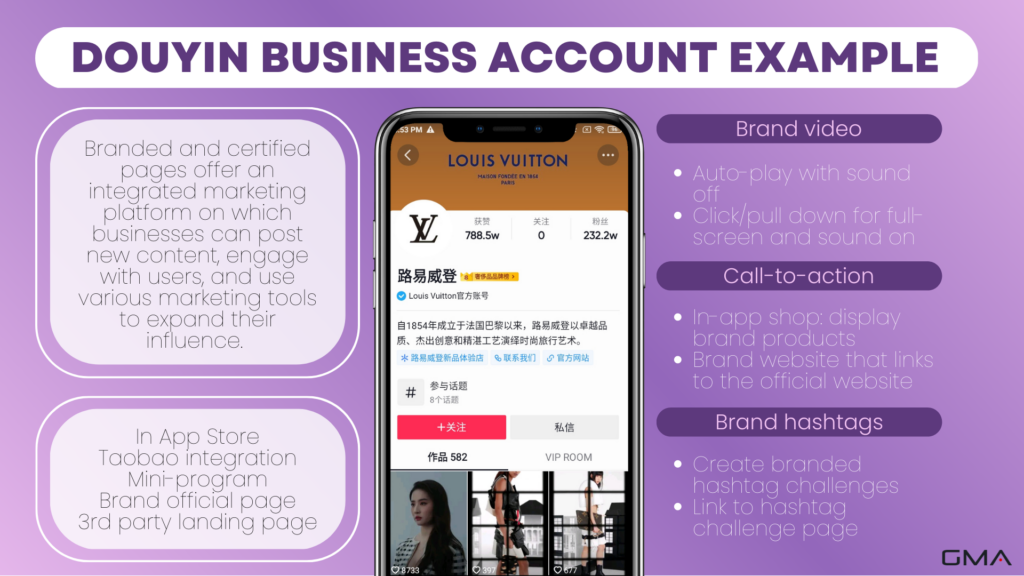
Mini-programs on Douyin in 2023
Douyin has launched mini-programs, which are like lightweight apps within Douyin. They function as third-party features that users can access without leaving the app or installing a new one. Mini-programs also have an e-commerce functionality.
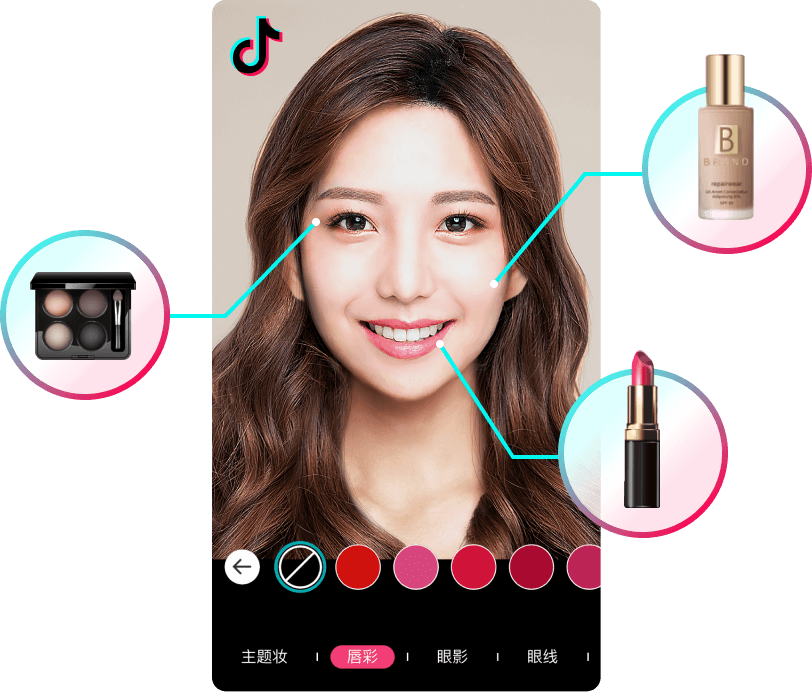
Douyin’s mini-programs include traditional services like carpooling and food delivery, as well as innovative features like augmented reality makeup trials like mini programs with virtual reality makeup testing.
The paid traffic of Douyin
Douyin’s algorithm favors established and influential accounts, making it difficult for new brands to gain traction. Success on the platform requires a solid base of followers and engagement to catch the algorithm’s attention and increase visibility. Building a strong presence on Douyin requires a strategic approach and an understanding of the platform’s unique features and user behavior.
Douyin has a paid service called Dou+ that helps increase the visibility of your posts. It’s important to know that Dou+ provides real followers, not robot followers (水军), and is an official service offered by Douyin. With Dou+, you can pay for likes, comments, or followers, choose exposure time, and target specific demographics.
Find a local agency to perform on Douyin
Today, Douyin is on its way to becoming a super app. Functioning as a platform for short videos, social media, e-commerce, and live streaming all in one, Douyin offers brands a multitude of different options for digital marketing.

In the Gentlemen Marketing Agency (GMA), we are 70+ digital experts passionate about social media in China. We love to build impactful strategies and content to reach the Chinese on WeChat, Little Red Book, Douyin, Weibo, and many more.
If you have a specific project in China, you should include social media wisely. You should start with branding before moving to e-commerce.
You can contact us to find the most suitable option for your project in China! Let’s start today!