
As China’s cosmetics industry continues to grow rapidly, with revenue reaching over $79 billion, subscription boxes are becoming an increasingly popular option for consumers looking for personalized and convenient shopping experiences.
While subscription services have faced challenges in entering the Chinese beauty market, they are now gaining traction due to their cost-effective options and access to new products.
With the benefits of subscription boxes becoming more apparent to Chinese consumers, they present an exciting opportunity for growth in the industry.
This blog will explore the rise of subscription boxes in China’s cosmetics industry, their benefits and challenges, leading companies in the market, and potential growth opportunities. Join us as we dive into this exciting topic!
What are Subscription Boxes?
Subscription boxes are a type of service where customers can receive a curated selection of products on a regular basis, typically monthly or quarterly, based on their specific interests and preferences.
Subscription boxes are part of an innovative business model that offers a recurring delivery service to customers, providing them with a curated selection of beauty products at regular intervals.
The success of subscription-based marketing depends on personalized curation that meets each customer’s preferences and needs.
This approach helps brands connect with their audience more effectively while providing convenience and value for money.
For instance, Birchbox, is one of the best subscription boxes, that offers a variety of products every month, from skincare to makeup tools, and perfume, to keep subscribers excited about new offerings.
How Do Subscription Boxes Work In The Cosmetics Industry?
Subscription boxes are a popular way for the cosmetics industry to deliver beauty products directly to consumers.
Customers sign up for recurring delivery of hand-selected items, usually on a monthly basis. There are different box options focusing on specific product types or concerns, and subscribers receive their customized assortment of beauty goods at their doorstep.
This introduces them to new brands and trending items and allows them to sample high-end products without breaking the bank.
Companies like Perfect Diary and Hey Box have excelled in this market by providing personalized experiences while keeping costs affordable for their customer base.
Benefits Of Subscription Boxes In China’s Cosmetics Industry
Subscription boxes in China’s cosmetics industry offer access to new and personalized products, a convenient shopping experience, cost-effective options, and the opportunity to discover new brands.
Access To New And Personalized Products
The cosmetics industry in China is expanding, and customers are seeking more personalized products. Subscription boxes offer a way for consumers to access unique items tailored to their preferences.
By subscribing, customers can receive a curated selection of skincare and makeup products each month, based on their individual needs.
This allows them to try new products without committing to purchasing full-sized versions.
Yoho! Beauty is an example of a subscription box that offers natural and organic beauty products like facial masks made from ingredients such as ginseng or seaweed.
Overall, subscription boxes offer a cost-effective way for brands to reach potential customers while offering exciting opportunities for users who want access to exclusive beauty items suited specifically for them.
Convenient Shopping Experience
Subscription boxes in China’s cosmetics industry offer the convenience of personalized products delivered directly to the customer’s doorstep on a regular basis.
This is particularly attractive to busy consumers who don’t have time for in-store shopping or browsing through endless product options online.
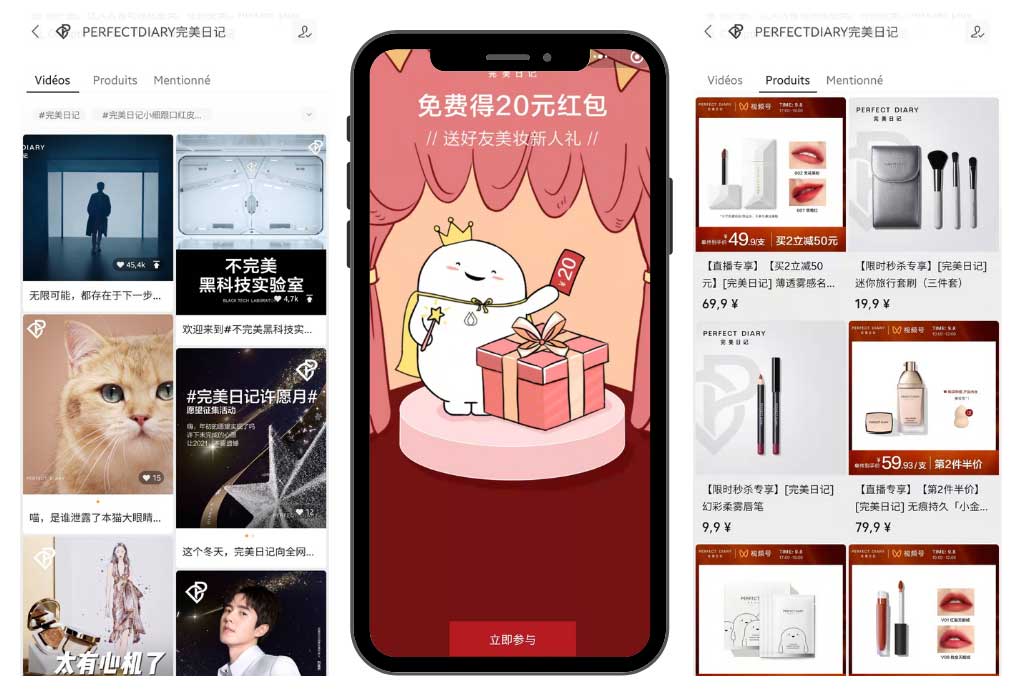
Subscription box companies also offer an easy-to-use platform where customers can customize their orders based on their preferences and specific needs. Perfect Diary, for example, allows customers to choose from various curated cosmetic boxes that cater specifically to different skin types and concerns.
Overall, convenient service has been critical in fostering customer loyalty while increasing brand visibility and reach in China’s booming e-commerce market valued at €354 billion.
Cost-effective Option
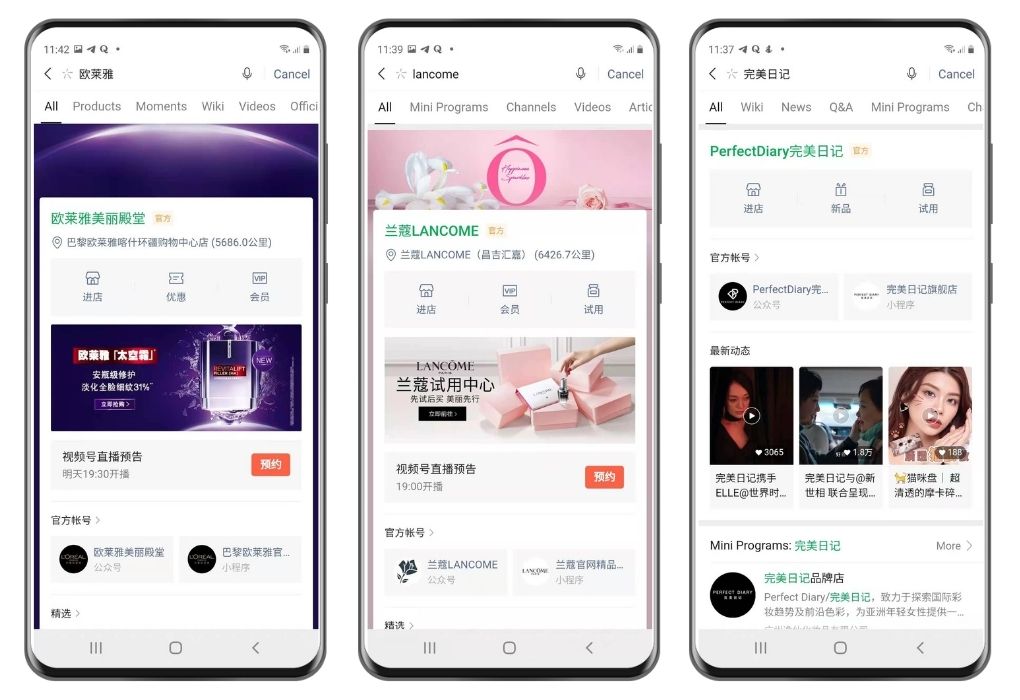
Subscription boxes in China’s cosmetics industry have become a popular and cost-effective option for customers who want to save money while still getting new and personalized products.
These boxes offer premium quality beauty and skincare products at an affordable price, allowing customers to discover new brands and create more value for their investment.
Subscription boxes also help companies reach targeted audiences while minimizing marketing costs and inventory management.
By offering customized cosmetic kits based on customer preferences or skin types, companies can ensure high retention rates and repeat business from loyal customers.
Opportunity To Discover New Brands
Subscription boxes offer a unique opportunity for Chinese consumers to discover new brands in the cosmetics space.
As the market continues to grow rapidly, subscription boxes provide an affordable and convenient way for customers, especially Gen-Z and millennials, to try out different products from various companies without making significant commitments.
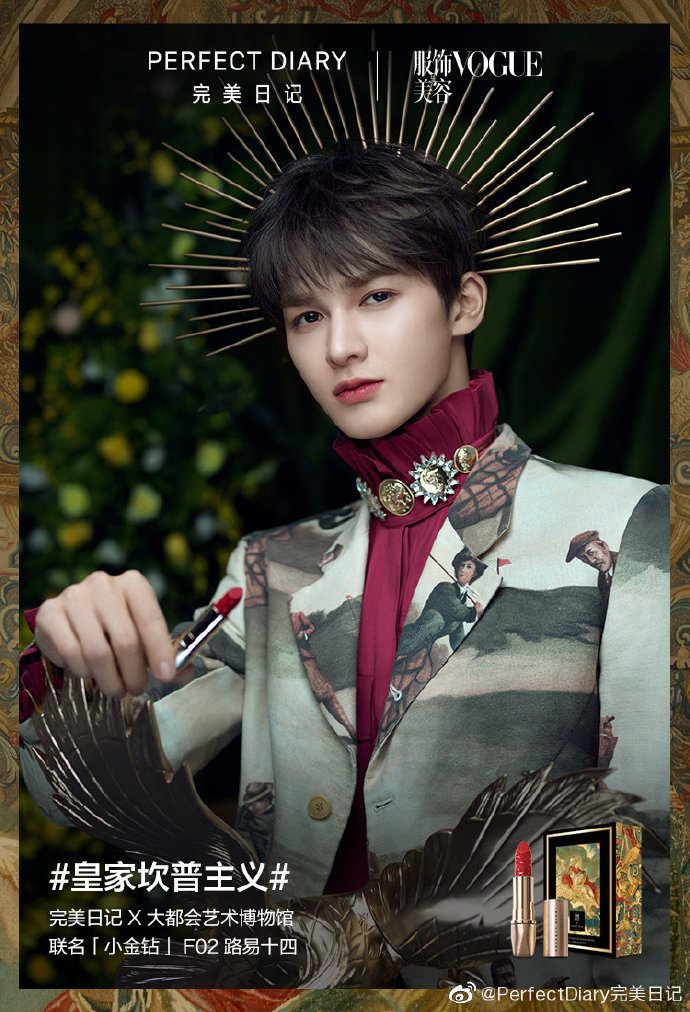
One example of this opportunity playing out successfully is Perfect Diary’s collaboration with pop star Cai Xukun on their subscription box offering. The limited edition box features makeup curated by Cai Xukun himself and includes exclusive items not available elsewhere.
Case Study: The Success Of Subscription Boxes
Customers who have subscribed to beauty subscription boxes in China have reported positive experiences, providing companies with valuable feedback on their products and services.
Customer Testimonials And Feedback
Here are some key points regarding customer testimonials and feedback in the subscription box market for China’s cosmetics industry:
- Customer testimonials and feedback can be used to improve subscription box offerings and customize products based on consumer preferences.
- Subscription box companies that have incorporated customer feedback into their marketing strategies have seen an increase in customer satisfaction and retention rates.
- Feedback analysis is crucial in identifying areas where improvements can be made to enhance the overall customer experience.
- Positive customer testimonials can help increase word-of-mouth referrals and attract new customers.to subscribe to the service.
- According to Fuel by McKinsey, 75% of subscription eCommerce growth comes from existing customers increasing their purchases or upgrading their subscription packages.
By prioritizing customer testimonials and feedback, subscription box companies can create a loyal consumer base that values personalized product offerings and convenient shopping experiences.
The Impact On Brands’ Visibility And Reach

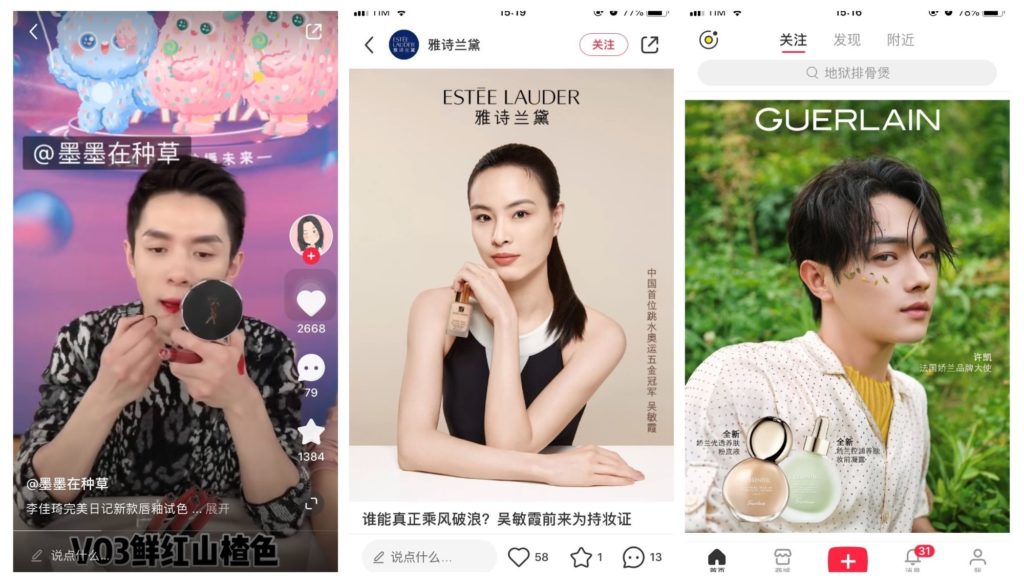
Subscription boxes can have a significant impact on brands’ visibility and reach. Collaborating with influencers has proven to be an effective way of boosting brand credibility and building customer relationships.
By featuring in the subscription boxes curated by popular influencers, beauty products get exposed to their vast social media following.
The success of Perfect Diary cosmetics is one example that highlights how collaborating with KOLs (key opinion leaders) fueled their growth.
Leading Subscription Box Companies In China
Perfect Diary, Hey Box, and Yoho! Beauty are just a few of the leading subscription box companies in China’s cosmetics industry.
Perfect Diary
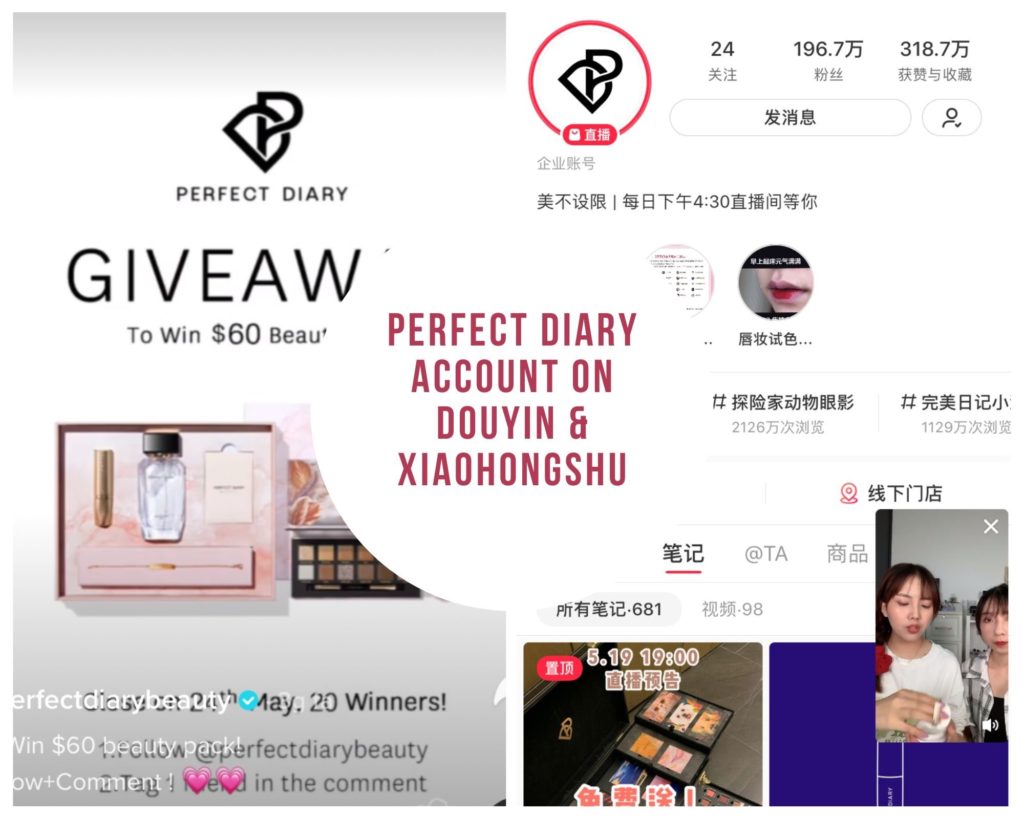
Perfect Diary is a popular cosmetic brand in China that has gained popularity among millennials and Gen Z consumers by using social media to promote its affordable and high-quality products.
The brand has expanded globally and achieved impressive sales numbers during e-commerce events.
Perfect Diary engages customers through personalized experiences by using targeted advertising on social media platforms to gather information about their preferences and provide recommendations based on their individual needs.
Hey Box
Hey Box is a popular subscription box company in China’s cosmetics industry that offers a personalized selection of beauty products each month.
The company is known for its affordable and high-quality products, and has gained popularity among younger consumers.
Hey Box has a loyal customer base that continues to grow, and has expanded its reach through social media marketing.
Yoho! Beauty
Yoho! Beauty is a Chinese cosmetics subscription company that offers monthly subscriptions with natural and organic beauty products from both international and local Chinese brands.
They provide personalized product recommendations based on individual skin types and preferences, which increases customer satisfaction and promotes brand loyalty.
They also offer reward programs for customers who review specific products or refer new subscribers to improve retention rates.
Brief Overview Of Each Company, Their Strategies, And Customer Base
Perfect Diary is a successful subscription box company that offers personalized makeup products based on skin type and preferences.
Hey Box curates premium and niche beauty brands, while Yoho! Beauty targets younger consumers with trendy and affordable products.
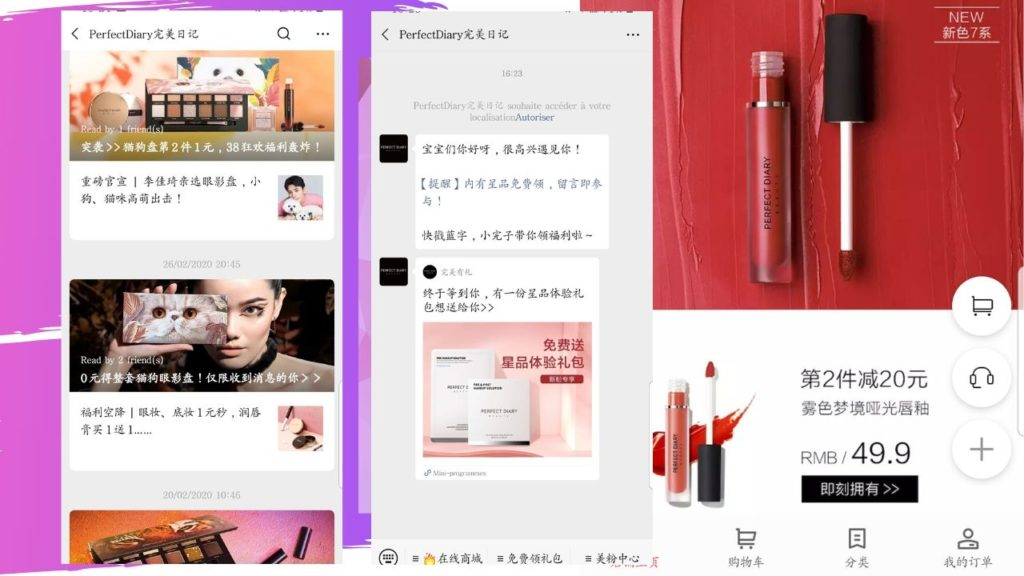
Perfect Diary has localized its strategies by collaborating with popular influencers and celebrities on social media platforms like WeChat to create content that resonates with Chinese consumers.
Hey Box stands out for its innovative marketing strategies such as partnering with fitness studios for pop-up events where customers can try new products while working out.
Yoho! Beauty differentiates itself through affordability without sacrificing quality or style– something that appeals to cost-conscious but fashionable young consumers who are willing to experiment with new trends.
Challenges And Issues With Subscription Boxes In The Cosmetics Industry
Subscription boxes in the cosmetics industry face challenges such as retaining customers, customizing products for individual needs and ensuring high-quality products are consistently delivered.
Customer Retention
The cosmetics industry faces a challenge in retaining customers for subscription box services due to a crowded market and expensive luxury subscriptions. Personalized experiences with customized products and replenishment subscriptions for commodity items can help brands retain loyal customers.
Customization Challenges
Brands are trying to create a personalized experience for each subscriber while maintaining operational efficiency.
They are using technology like AI and AR to gather data on subscribers’ preferences and provide tailored recommendations.
However, ensuring the accuracy and relevance of these recommendations is crucial for retaining customers and building brand loyalty.
Ensuring Product Quality
The challenge for subscription boxes in the cosmetics industry is maintaining product quality due to the inclusion of many items.
To overcome this, companies must carefully vet their suppliers and manufacturers to ensure strict quality standards are met.
Perfect Diary has successfully implemented a quality control process for their beauty boxes.
Yoho! Beauty also works closely with top cosmetic brands to select only high-quality products from trusted sources.
Future Outlook And Potential For Growth And Innovation In The Market
Technological advancements such as augmented reality (AR) and artificial intelligence (AI) have the potential to revolutionize the subscription box model in China’s cosmetics industry, allowing for more personalized and targeted product offerings that meet consumers’ specific needs and preferences.
Technological Advancements (AR, AI, Etc.) That Could Impact The Subscription Box Model
The subscription box model may be impacted by technological advancements such as artificial intelligence (AI) and augmented reality (AR).
With AI, companies can offer personalized recommendations based on customers’ preferences and purchase history, enhancing their shopping experience.
These technologies have immense potential for growth and innovation in the market. For instance, Perfect Diary uses AI to personalize its subscription boxes based on customer data gathered through social media platforms like WeChat.
This not only enhances customer experience but also increases loyalty and retention rates.
Potential Market Trends And Predictions
The global subscription box market is growing and this is expected to lead to increased demand for personalized beauty boxes in China’s cosmetics industry.
Consumer preferences are shifting towards domestic brands and younger generations are driving growth in the beauty market, providing opportunities for subscription box companies.
Technology such as AR and AI could further enhance customization for consumers. The subscription e-commerce market is expected to reach $120.04 billion by 2022.
Opportunities For Foreign Brands
China’s increasing preference for domestic brands in the cosmetics industry creates opportunities for foreign brands to capture a significant share of the market.
With China being the second-largest consumer market for cosmetics globally, international subscription box services can leverage this trend to expand their customer base.
New technology such as AR and AI can also personalize products for Chinese consumers and differentiate foreign brands from domestic competitors.
For instance, subscription box services like Birchbox could use these technologies to create personalized beauty profiles that suit each customer’s unique needs.
We are your local partner in China!
Subscription boxes are becoming increasingly popular in China’s cosmetics industry due to the country’s growing economy and rising demand for beauty products.
This model allows companies to offer cost-effective options while providing customers with personalized experiences. Benefits include access to new and exclusive products, convenience, and opportunities to discover new brands.
As competition in the industry grows, it’s important for businesses to keep up with market trends and potential innovations.
By following global subscription e-commerce statistics, companies can stay ahead of the curve and explore new revenue streams through technological advancements like AR or AI.

We are a China-based marketing agency offering cost-effective solutions to foreign brands interested in tapping into the Chinese market. Our team of Chinese and foreign experts has the experience and know-how needed to succeed in this lucrative, yet complicated market.
Gentlemen Marketing Agency offers many digital marketing and e-commerce solutions, such as web design, e-commerce and social media marketing strategies, localization, market research, KOL marketing, and more.
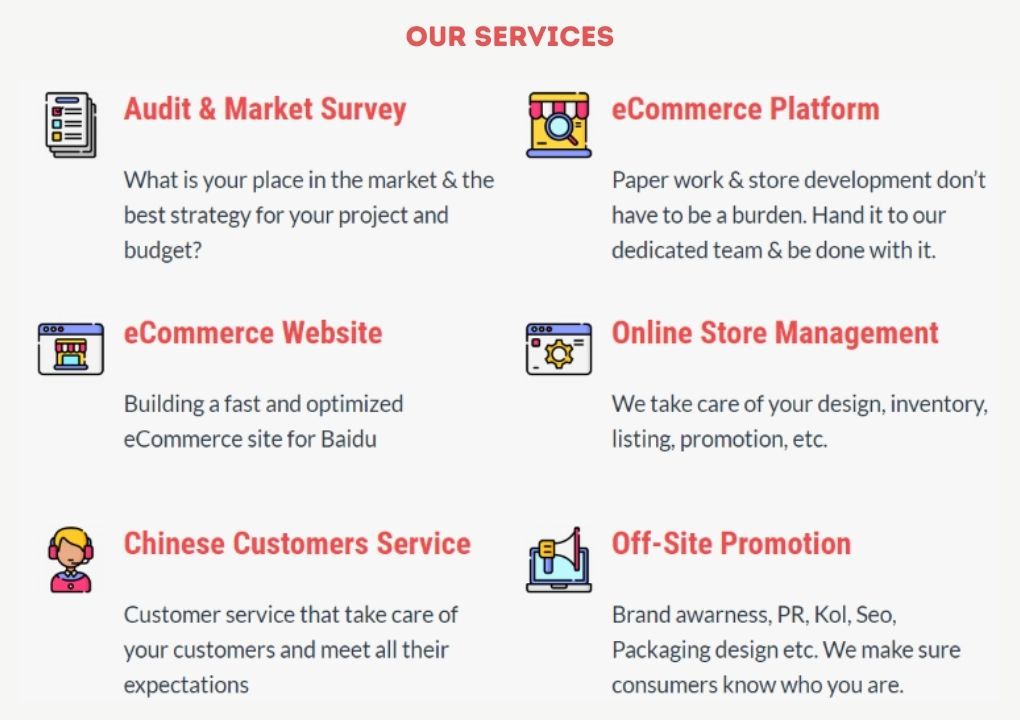
Don’t hesitate to leave us a comment or contact us, so that we can schedule a free consultation with one of our experts, that will learn about your brand and present you the best solutions for your China market strategy.