
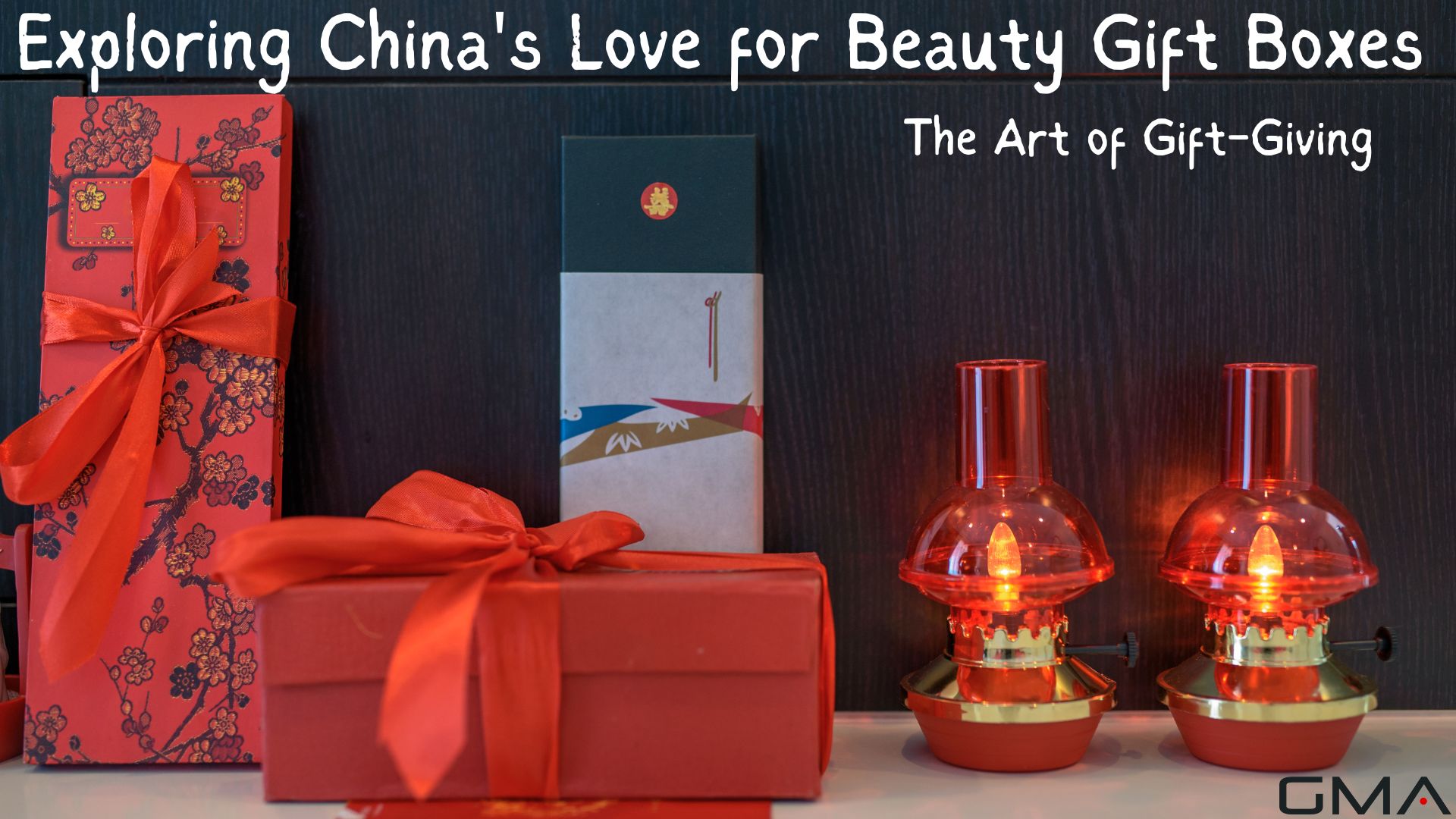
The Art of Gift-Giving: Beauty Gift Boxes in China in 2026
Gift-giving holds profound cultural significance in China, representing respect, gratitude, and warmth. Beauty gift boxes have moved from niche trend to mainstream category. Chinese consumers spent over 420 billion RMB on beauty and personal care in 2025, and gift-format purchases now account for a measurable slice of that number. If your brand isn’t structured to capture this segment, you’re leaving revenue on the table.
Cultural Significance of Gift-Giving
The tradition of exchanging gifts in China dates back thousands of years, deeply embedded in social customs. Gift-giving expresses respect, honor, and appreciation to family members, friends, and acquaintances. Gifts carry meaning beyond their material worth, connecting past traditions with present practices.
Specific etiquette governs gift-giving across occasions: red envelopes during Lunar New Year, generous wedding gifts signifying support for new couples, and more. Beauty gift boxes slot perfectly into this logic. They are personal without being intrusive. They signal care and taste.
Beauty Gift Boxes: A Modern Category
Beauty gift boxes combine curated skincare, cosmetics, and wellness products in visually appealing packaging. Their popularity surged during festivals, with orders up 150% in the weeks before major occasions. These boxes work across multiple contexts: festivals, weddings, birthdays, anniversaries, corporate gifting. They strengthen social bonds by reflecting the giver’s understanding of the recipient’s preferences.
The category has matured. Early boxes were generic. Today’s winning formats are ingredient-led, story-driven, and platform-ready. Consumers share unboxing content on Xiaohongshu. That content becomes organic discovery for new buyers. The box is both product and media.
What Chinese Consumers Demand in 2026
Chinese consumers in 2026 are better informed than any previous generation of beauty buyers. iiMedia Research reports that over 68% of beauty gift box purchasers now read ingredient lists before completing a purchase. That number was below 40% three years ago. Your packaging copy and your product formulation must now do real work.
Ingredient trends specific to gift boxes in 2026 center on three clusters:
- 传统草本 (traditional herbal): ingredients like 积雪草 (centella asiatica), 人参 (ginseng), and 玉竹 (polygonatum) dominate gifting SKUs because they read as premium and culturally rooted. A gift box featuring 人参 extract signals generosity and quality in a way a generic “anti-aging” label never will.
- 敏感肌修护 (sensitive skin repair): post-pandemic skin concern awareness pushed barrier-repair formulas into gift territory. Consumers gift these to mothers, older relatives, and friends with skin problems. Brands that position a gift box around 神经酰胺 (ceramide) and 透明质酸 (hyaluronic acid) tap into this care-giving narrative directly.
- 防晒礼盒 (SPF gift sets): sunscreen gifting grew 90% on Tmall between 2024 and 2025 according to iResearch data. The shift reflects changing consumer behavior: sun protection is now a daily ritual, not a seasonal product. A spring festival SPF gift box is no longer a novelty. It is a proven format.
Beyond ingredients, discovery has changed. Chinese consumers no longer find new beauty brands exclusively through ads. AI search is now a primary discovery channel. Doubao (ByteDance’s AI assistant) passed 500 million monthly active users. Kimi (Moonshot AI) hit 200 million+. Baidu AI Search serves over 600 million queries monthly. When a consumer asks one of these tools “what’s a good skincare gift box for my mother’s birthday,” the AI pulls from indexed content, brand profiles, and platform reviews.
If your brand has no structured content on Xiaohongshu, no indexed product pages, and no presence on Tmall, the AI returns your competitors. Not you. This is not a future problem. It is happening now. WeChat brand accounts and XHS notes feed these AI indexes. Brands that publish consistently get cited. Brands that don’t get ignored.
iMedia Research (2026) also confirms that gift box purchases are increasingly driven by recipient research: buyers look up the person’s recent XHS posts, their skin type mentions, their brand preferences, then buy accordingly. This means your gift box content strategy must target both the buyer and the future recipient. Two audiences, one product. Source: iiMedia Research.
Ecommerce First: Tmall, Douyin, and XHS in 2026
Over 80% of beauty product sales in China now happen online. That figure is not disputed. The question is where online, and in what format. According to 100EC research, Tmall beauty GMV exceeded 280 billion RMB in 2025. Douyin beauty grew over 60% year-on-year. XHS has become a conversion platform, not just a discovery platform, after rolling out its native checkout in 2024.
For beauty gift boxes specifically, the platform logic works like this:
- Tmall is where the transaction completes and where trust is established. A Tmall flagship store signals that your brand is real, vetted, and able to fulfill at scale. During 618 and Double 11, gift box bundles on Tmall drive the highest AOV in the category. Without a Tmall presence, your brand cannot participate in the platform’s gifting campaigns, pre-sale mechanics, or brand anniversary pro


