

Ever wondered what lies behind the vibrant allure of China’s lipstick market? Well, dear entrepreneurs and beauty aficionados, get ready to unravel the mysteries and tap into the realm of endless possibilities!
If you’re a foreign brand with a passion for lip colors and a thirst for adventure, you’re in for a treat.
I’m your friendly guide, here to walk you through the vibrant hues of consumer preferences, the dynamic avenues of distribution, and the exciting landscape of competition and innovation. We’ll uncover the stories behind local successes, reveal the strategies for global triumphs, and explore every facet of this captivating market.
And guess what? If you’re ever in need of expert advice, insights, or a helping hand, we’re here for you. With two decades of experience, consider us your partners in this colorful journey.
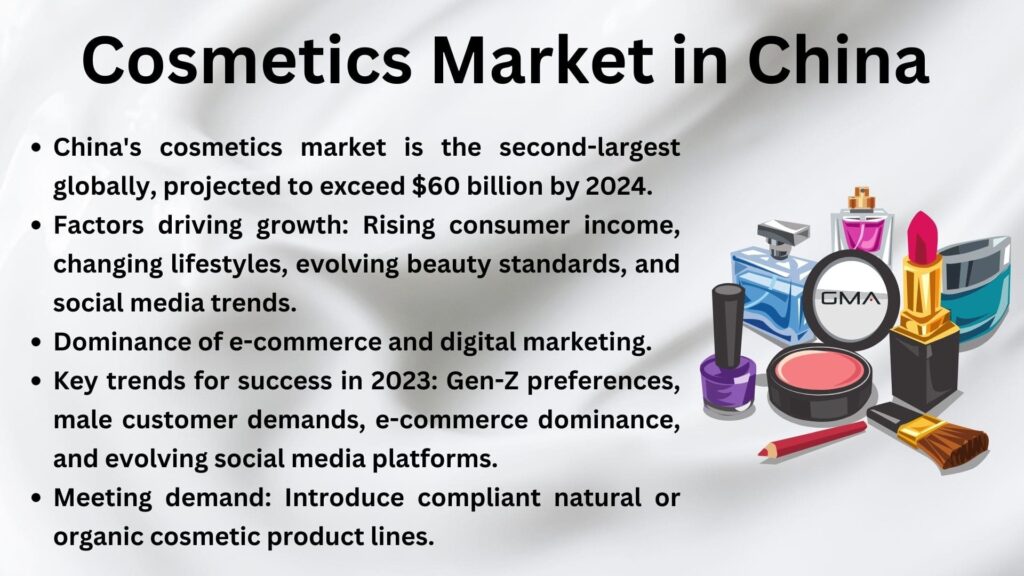
Why is it Worth for Foreign Lipstick Businesses to Enter the Chinese Market?
Well, my friends, there are more reasons than you can imagine. China’s lipstick market isn’t just another market; it’s a treasure trove of potential waiting for you to tap into. Here’s why:
- Explosive Market Growth: With lipsticks accounting for a whopping 28% of China’s cosmetics market in 2019 and a staggering year-on-year growth rate of 36.6%, you’re looking at a market that’s not just thriving but booming.
- Sheer Market Size: Picture this – by 2025, the lipstick market in China is projected to reach a staggering 30 billion yuan. That’s an opportunity that’s too big to ignore.
- Changing Beauty Paradigms: The landscape of beauty is shifting, and China is at the forefront of this transformation. Consumers are seeking products that embrace diversity, individuality, and self-expression. Lipsticks, with their vast range of shades and finishes, offer a canvas for these evolving ideals.
- Influence of Social Media: China’s digitally savvy population turns to social media and Key Opinion Leaders (KOLs) for trends and recommendations. Harnessing the power of these platforms can skyrocket your brand’s visibility and credibility.
- Expanding Middle Class: As China’s middle class expands and urbanization continues, the demand for cosmetic products, including lipsticks, is surging. You’re stepping into a market that’s eager to embrace quality and innovation.
- Male Cosmetic Boom: Let’s not forget that the consumption of lipsticks among men has surged by a remarkable 278%. The beauty realm is no longer gender-exclusive, and you have the chance to cater to this rapidly growing segment.
- E-commerce Prowess: China’s e-commerce landscape is a beast of its own. The online shopping culture is deeply ingrained, and leveraging platforms, livestreaming, and social commerce can propel your brand to new heights.
- Consumer Safety Focus: The Chinese consumer places high importance on safety and quality. By emphasizing these factors in your products, you’re building trust and securing a loyal customer base.
So, the question isn’t why you should enter the Chinese lipstick market; it’s why wouldn’t you. This market is alive with potential, waiting for the innovative, the bold, and the visionary. If you’ve ever dreamt of expanding your horizons and leaving a mark on a market that’s ripe for growth, this is your moment. So, gear up, strategize smartly, and get ready to embark on a journey that could redefine your brand’s success. The future of your lipstick business could very well be painted in shades of opportunity in the vibrant landscape of China.
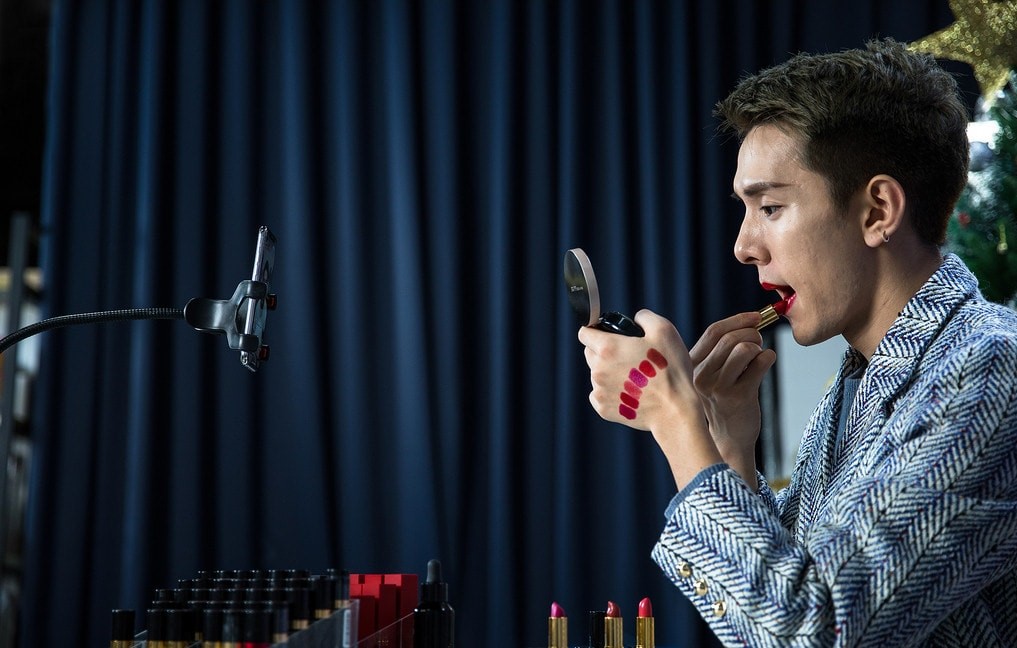
Consumer Behavior and Preferences
As you gear up to make your mark in the dynamic Chinese lipstick market, let’s take a closer look at the heart of it all – the consumers. This section will guide you through the intricacies of consumer behavior and preferences, so you can align your strategies with what resonates most with this vibrant audience.
Demographic Analysis of Lipstick Consumers
Understanding your audience is the key to success. In China’s lipstick realm, the Millenials are at the forefront, accounting for a whopping 62% of the consumer base. It’s important to note that women drive this consumption, creating a golden opportunity for brands that can capture their preferences.
Popular Lipstick Shades and Finishes
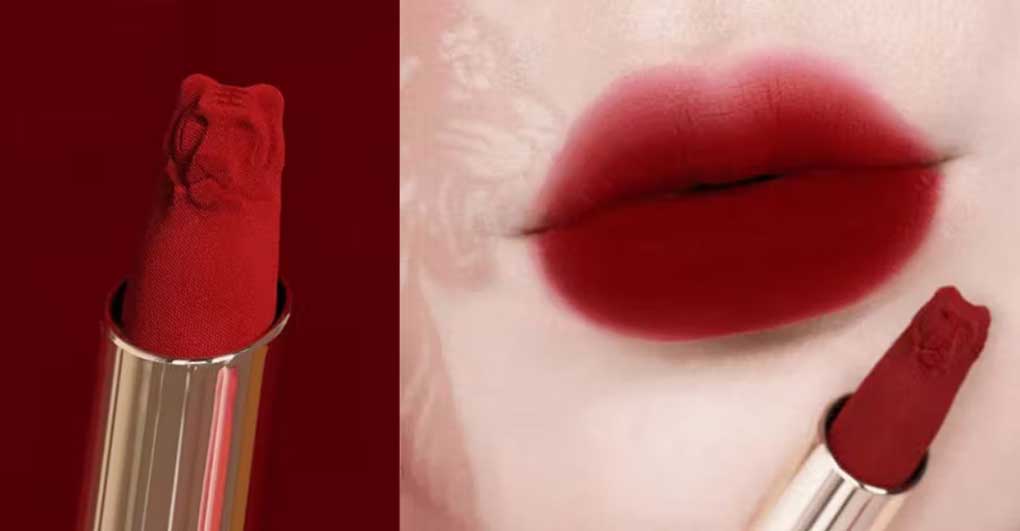
Red remains the undisputed queen of shades – culturally symbolic and universally flattering. However, don’t underestimate the power of versatility. From soft pinks to bold corals and even unique gradient shades, the demand for diversity is on the rise. As for finishes, matte, creamy, and semi-matte options tend to dominate the scene, offering choices that cater to various style preferences.
Influence of Cultural Factors on Lipstick Choices
Let’s not forget the cultural nuances. In China, symbolism matters – red, for instance, is not only a popular shade but also carries connotations of luck and prosperity. Moreover, consumers are now leaning towards individuality and self-expression. This shift is a reflection of the evolving beauty standards and cultural paradigms. Capturing this essence in your offerings could resonate deeply with your target audience.
As you delve into consumer behavior, keep in mind that customization and personalization are the guiding principles. By offering a spectrum of shades and finishes that celebrate diversity while respecting cultural values, you’re positioning your brand to create a connection that goes beyond the cosmetic.
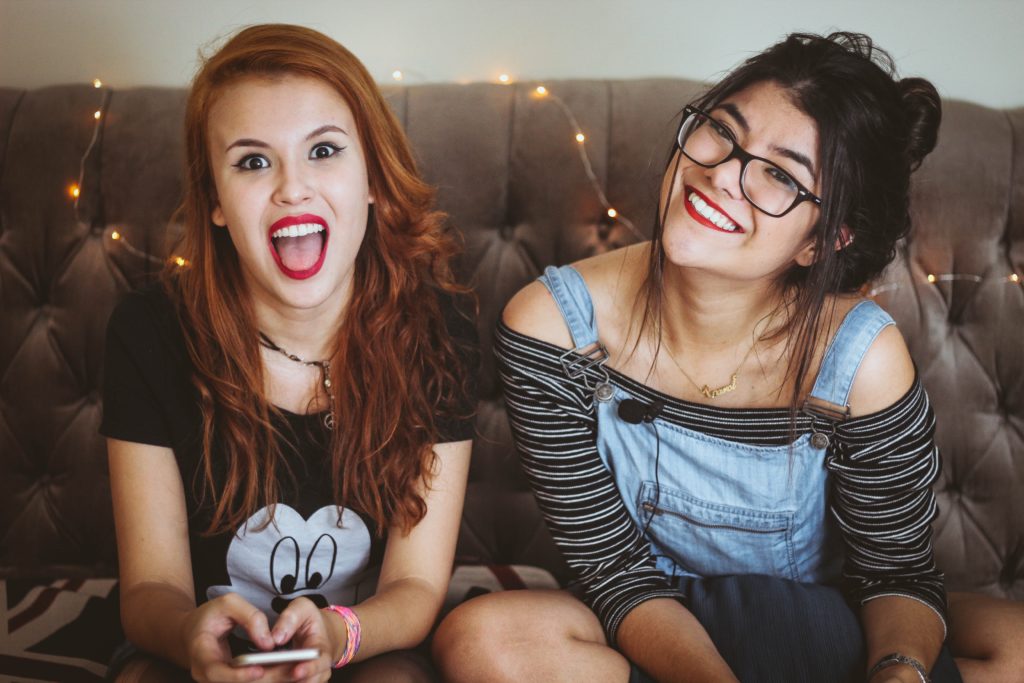
Distribution Channels: Navigating China’s Lipstick Market
You’ve laid the foundation of your understanding of consumer behavior and preferences in the Chinese lipstick market. Now, let’s delve into the exciting realm of distribution channels – the avenues that will bring your products into the hands of eager consumers.
Traditional Retail Channels
Traditional retail channels in China remain influential. Department stores and beauty specialty stores offer consumers a physical experience where they can interact with products, try on shades, and seek personalized advice. Establishing partnerships with reputable retailers can give your brand credibility and help you tap into the preference for in-person shopping experiences.
E-commerce Platforms and Online Shopping Trends
Fasten your seatbelts for a journey into China’s booming e-commerce landscape. Online shopping is an integral part of the culture here, with platforms like Tmall, JD.com, and Taobao dominating the scene.
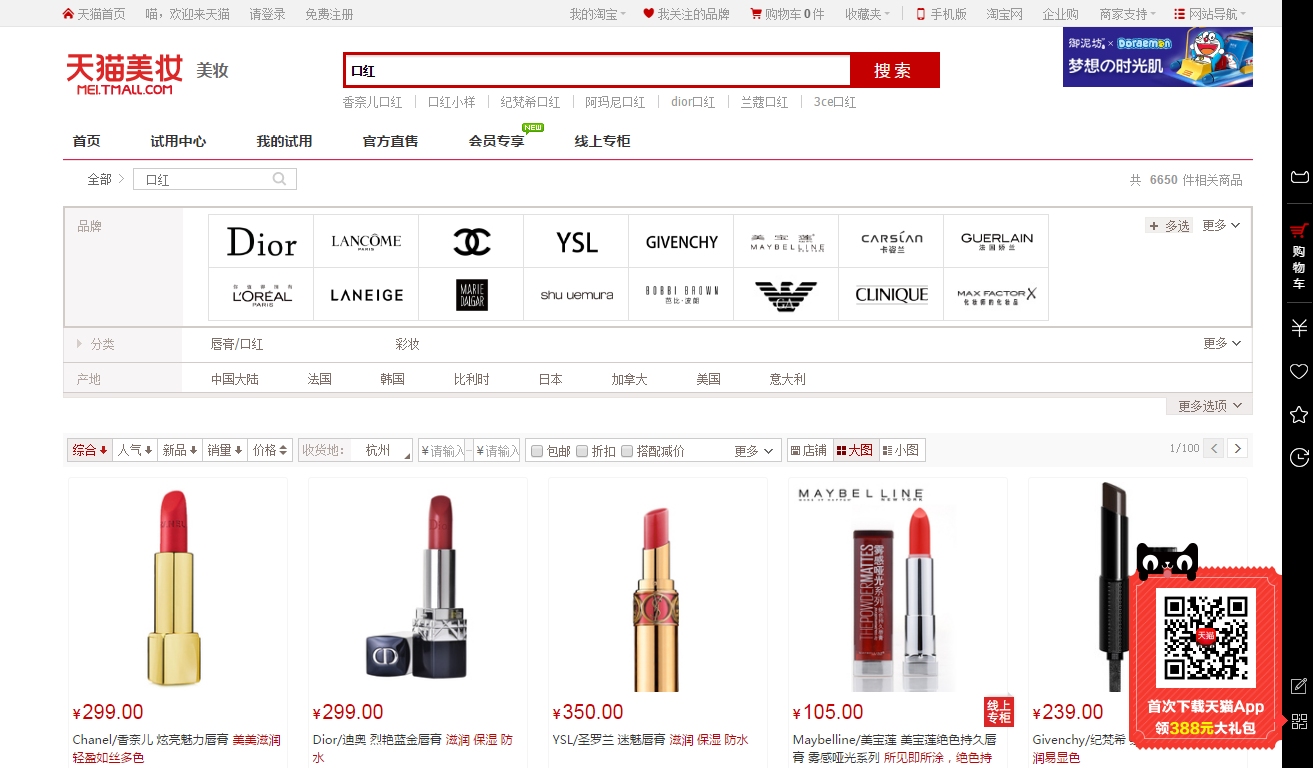
The convenience, variety, and competitive pricing that e-commerce offers have transformed the way consumers shop. Setting up a strong online presence, complete with engaging product descriptions, vivid imagery, and seamless transactions, is your ticket to success in this space.
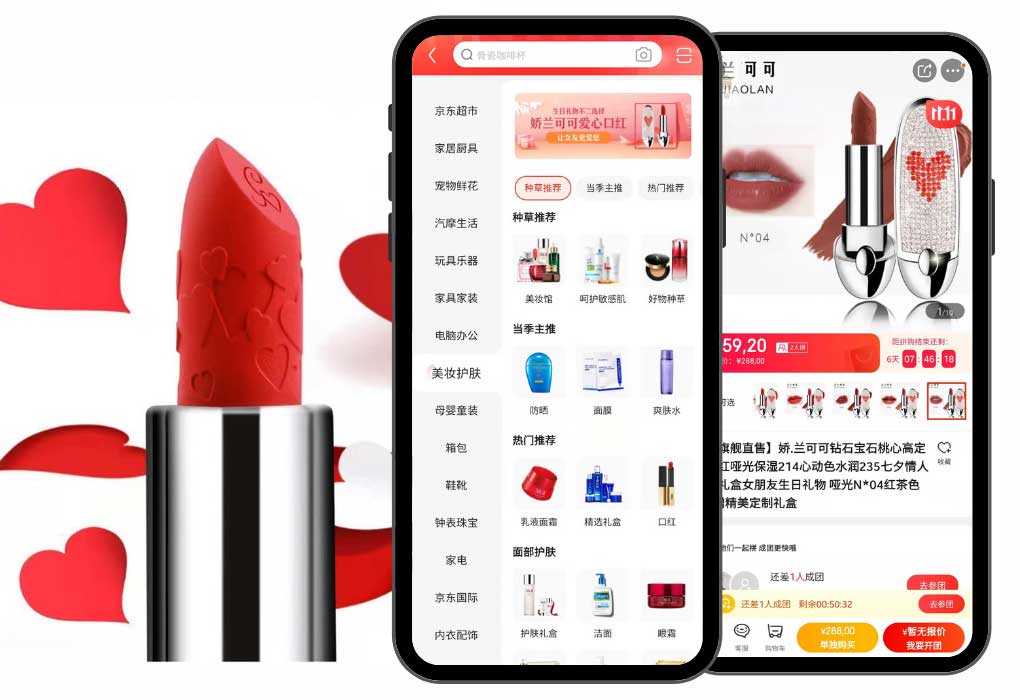
Role of Social Commerce and Livestreaming in Lipstick Sales
In the fast-evolving landscape of the Chinese lipstick market, a revolutionary trend has emerged – the fusion of social commerce and livestreaming. It’s not just shopping anymore; it’s an engaging, immersive experience that’s changing the way consumers interact with brands and products.
Livestreaming isn’t just a transaction; it’s a bridge that spans the gap between online and offline experiences. Consumers get to see the product’s texture, color payoff, and longevity in real-time. They can ask questions, seek advice, and receive instant responses. It’s like having a make-up expert right in your living room, guiding you through your choices.
The Lipstick King, Austin Li: A Livestreaming Phenomenon
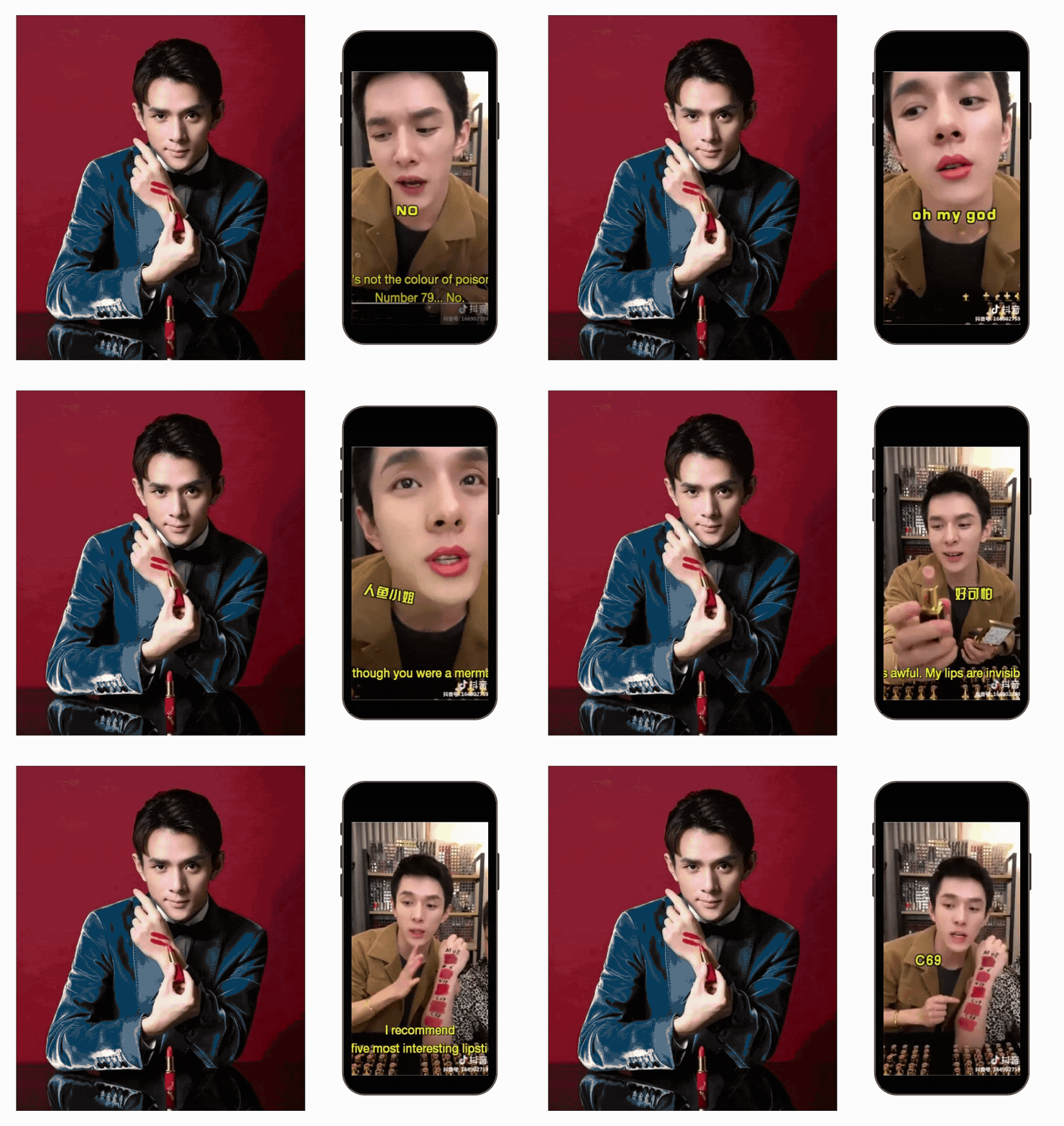
One charismatic figure that epitomizes this trend is Li Jiuqi, better known as the “Lipstick King“. With a flair for make-up and a captivating personality, Li Jiuqi has taken social media platforms by storm. Through his engaging livestreaming sessions, he brings the world of lipsticks to life in a way that resonates with consumers.
Imagine tuning into a live stream where Li Jiuqi takes you on a virtual journey through various lipstick shades and finishes. He doesn’t just showcase the products – he wears them, experiments with different looks, and provides real-time reviews. This charismatic showman has transformed online shopping into an event – a party where consumers not only witness the lipstick products in action but also interact with the influencer and each other.
Boosting Sales and Building Trust
This dynamic approach has far-reaching effects. It’s not merely about sales figures – it’s about building trust and authenticity. Consumers feel connected to influencers like Li Jiuqi, whose relatable approach and genuine opinions create a sense of reliability. When he endorses a product, it’s not just a recommendation; it’s a seal of approval that resonates with his vast follower base.
Striking the Right Balance: The Power of Social Commerce
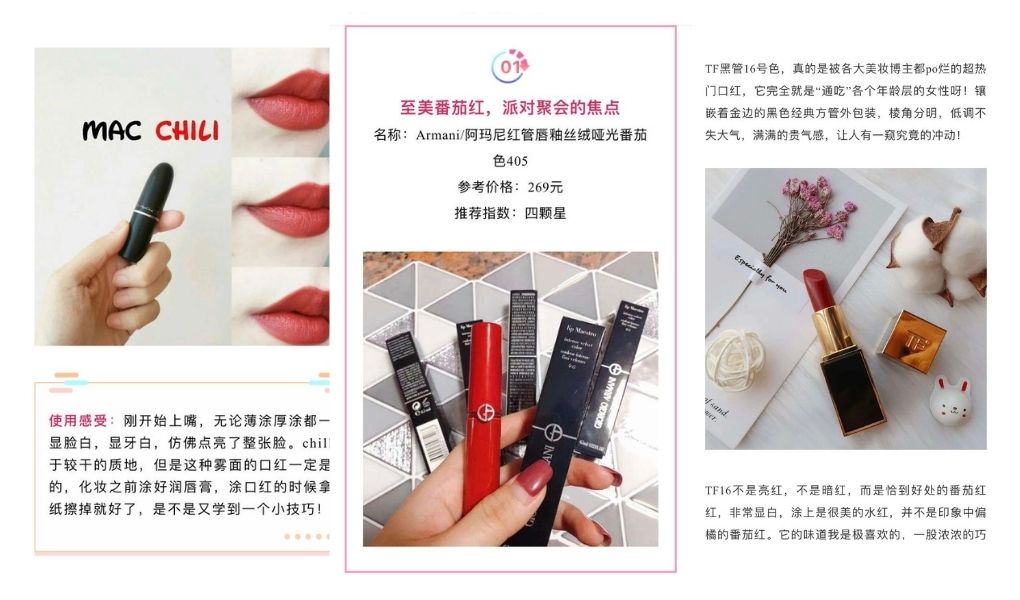
As you strategize your distribution, remember that in China, embracing this blend of social commerce and livestreaming is essential. It’s about going beyond traditional marketing and creating an emotional connection with your consumers. By embracing both traditional and digital channels, and harnessing the power of social commerce, you’re offering consumers an opportunity to experience your products authentically, just like they would in a physical store.
Domestic and International Brands: Thriving Amidst Diversity
Ah, the age-old question – domestic or international brands? It’s a bit of a balancing act. Chinese consumers have developed a strong sense of pride in domestic brands that understand their preferences. However, international brands bring an allure of prestige and novelty. The smart strategy? Find that sweet spot between familiarity and innovation to capture both markets.
Major Domestic Lipstick Brands in China
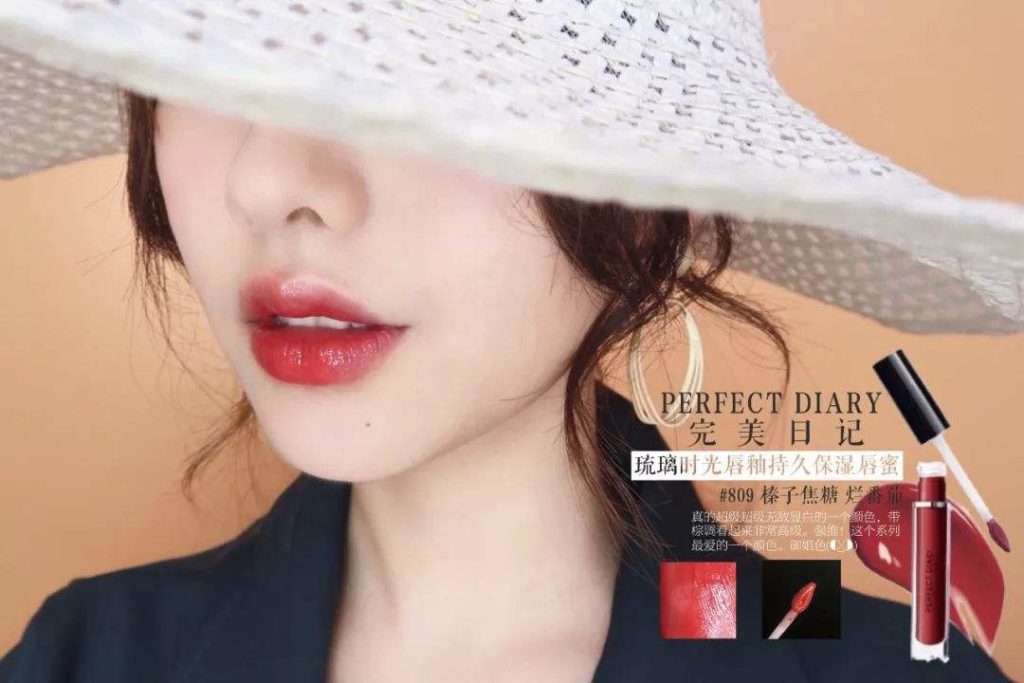
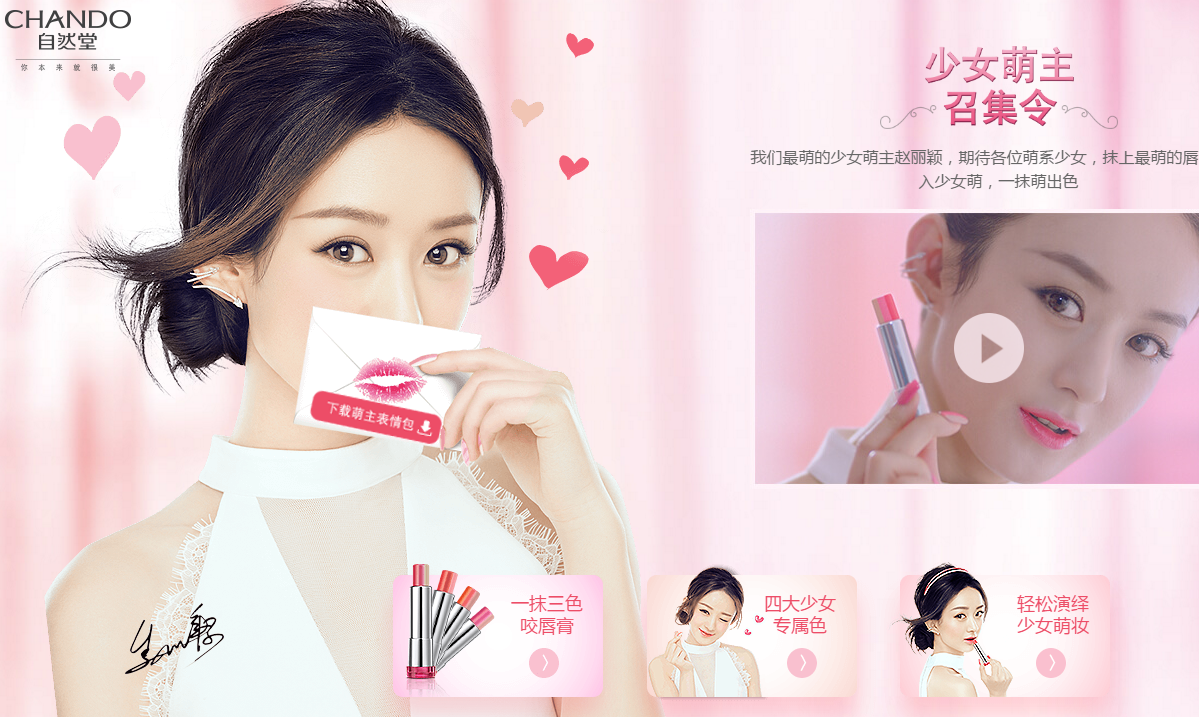
China’s domestic brands have carved their niches with unique selling points. For instance, brands like Perfect Diary offer affordable, trendy products that resonate with young consumers seeking the latest beauty trends. Meanwhile, Chando, with its focus on natural ingredients and minimalist packaging, appeals to those who prioritize clean beauty.
Domestic brands succeed by tapping into local consumer preferences. These infuse cultural elements, like auspicious colors and cosmetics using traditional Chinese ingredients, into their products. These brands often align with local influencers and celebrities to build authenticity and trust. Collaborations, limited editions, and innovative marketing campaigns that resonate with Chinese culture contribute to their success.
Presence of International Lipstick Brands in China
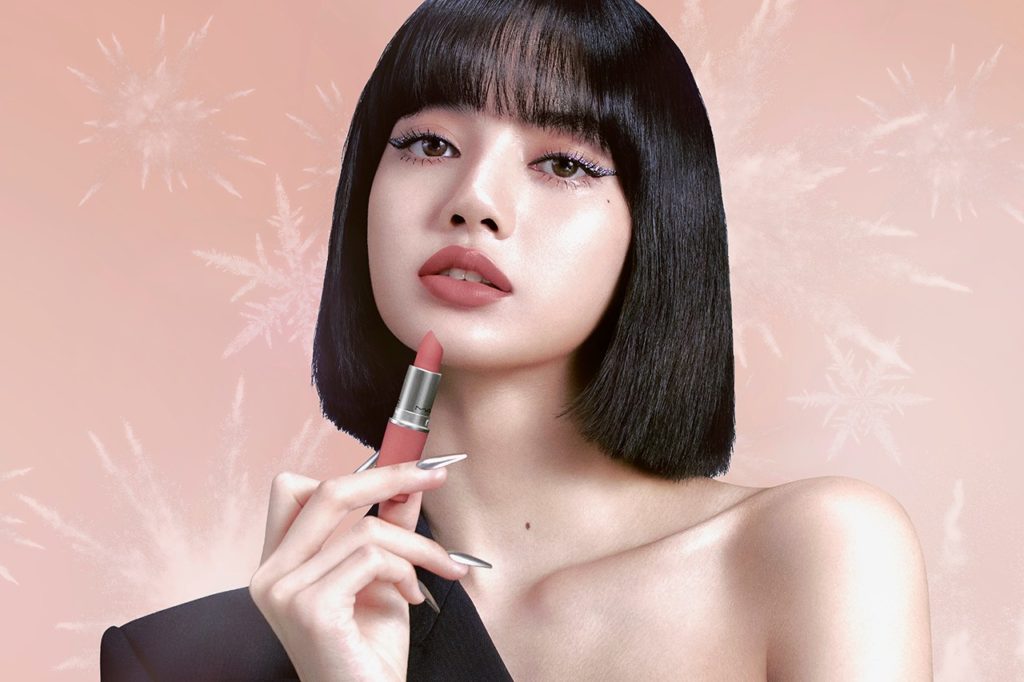
Luxury international brands like Dior, Chanel, and MAC have a strong foothold in China. Their prestige, heritage, and aspirational value attract consumers seeking quality and status. Premium brands leverage their global reputation to tap into China’s appetite for high-end products.
Entering China’s market is thrilling but not without challenges. Foreign brands must adapt to local preferences while maintaining their global identity. Cultural nuances, regulatory compliance, and understanding local trends are crucial. Moreover, establishing a strong online presence, as e-commerce is paramount, demands strategies that resonate with tech-savvy Chinese consumers.
Seizing the Opportunity
The path to success in China’s vibrant lipstick market is paved with opportunities waiting to be seized. As you contemplate the best way to navigate this diverse landscape, remember that finding your distinctive place within it is of utmost importance. Whether you’re a domestic or international brand, authenticity and innovation will be the cornerstones of your triumph.
Embracing the chance to flourish as a foreign brand requires a delicate balance – one that marries your global appeal with an acute understanding of local nuances. Collaborating with local influencers, embarking on creative marketing endeavors, and actively incorporating consumer feedback will undoubtedly set you on the right course.
The Chinese market is not only alive with energy but also continuously evolving, offering the boundless potential for those who dare to take the plunge. Leveraging the strengths of both domestic and international approaches through a well-crafted strategy is your key to flourishing in this thriving landscape.
Should you be ready to embark on this exhilarating journey or seek expert guidance to navigate every facet of entering this market with your foreign lipstick brand, do not hesitate to reach out to us. With two decades of experience under our belt, we stand ready to accompany you at every step, ensuring your success in seizing this extraordinary opportunity.
2 comments
Xin Zhuang
Hello
We are a Guangzhou Amarrie Cosmetics a Distributor of beauty products in China and we are searching to sell Western brands of make up
Contact me for more information
Primal Alpha
Very interesting subject cosmetics china, appreciate it for putting up.