

Thanks to the country’s increasing per capita income, Chinese standards of living are getting higher and so is their purchasing power. Men are also more open to using cosmetics products, often encouraged by women in their lives. That is why China is now the second-biggest cosmetics market in the world, predicted to reach $87.64 billion by 2025.
The competition on the cosmetics market is big and there are more and more good domestic brands that win the hearts of many Chinese consumers. This is why, before entering the market, its crucial to understand the shopping decisions and factors that affect Chinese consumer behavior.
Cosmetics’ Market overview
In 2012, the cosmetics market in China was worth 248.4 billion yuan, while in 2021 the numbers nearly doubled. It’s expected that the market will reach 564.4 billion yuan ($87.64 billion) by 2025, with an annual market growth of 13.76%.
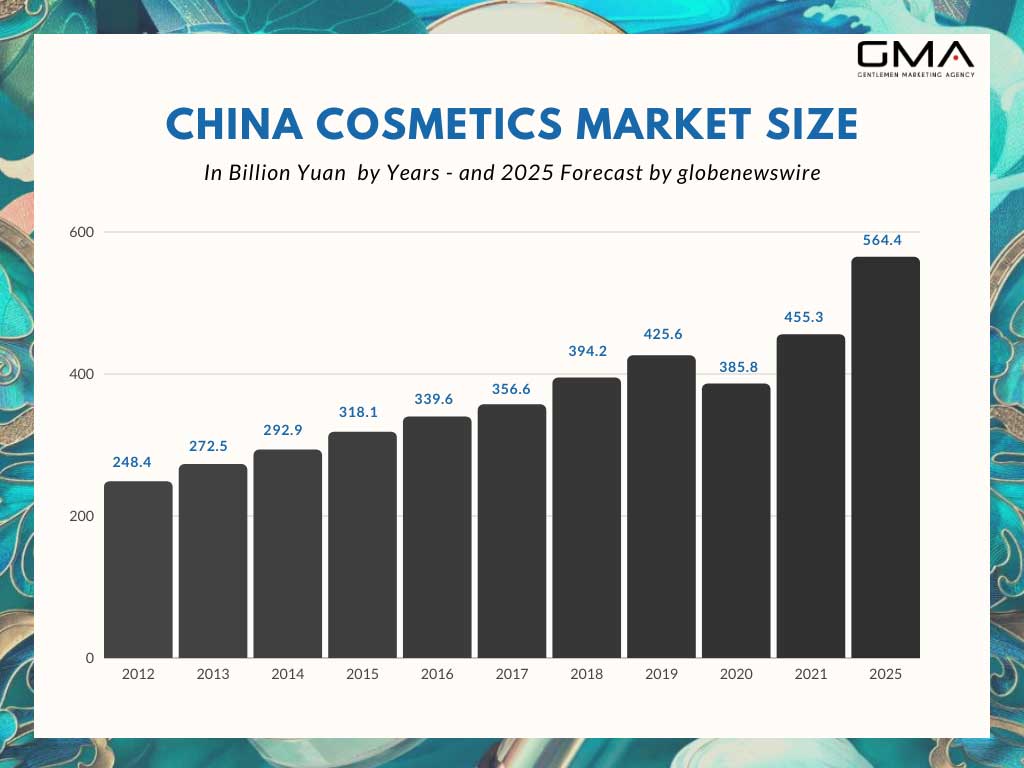
As China’s middle class continues to expand, more and more citizens are taking time for self-care. With improving incomes and a greater emphasis on well-being, younger generations in particular are investing heavily in the burgeoning Chinese cosmetics market – signalling an increasing commitment of personal grooming with disposable income levels.
Chinese consumers especially like Japanese, Korean, French and the American brands. The French company L’Oréal commands, for example, an 11% share of the Chinese market. Skincare products are representing the fastest-growing sector in the cosmetics market.
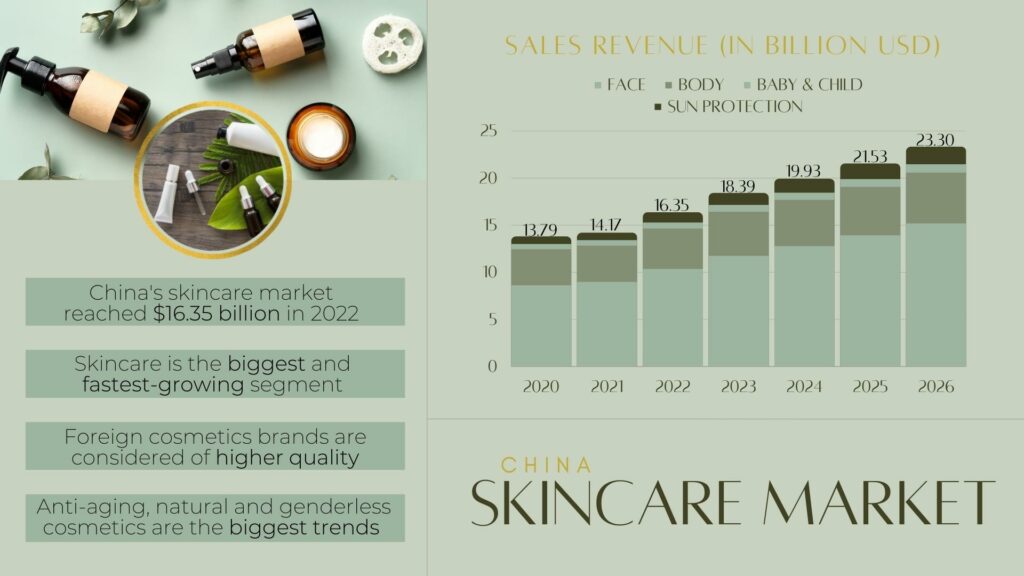
This market has seen a lot of changes in its consumer’s behaviors. China’s consumers now consider various factors before picking the products that most suit their needs instead of just being influenced by advertisement or promotional campaigns. There are also shifts in behaviors that affect their purchasing decisions.
Who are Chinese cosmetics consumers?
Chinese consumers are leading the charge towards prioritizing personal health, with an impressive 41% expecting to increase spending on health and beauty products – a much higher rate than the global average of 29%. Skincare has particularly caught their attention; this sector’s rapid growth in China makes it one of its fastest growing markets.
What is important to understand when it comes to Chinese consumer market is that there is no such thing as “average Chinese consumer”. There are different consumer groups, depending on the localisation (first, second, third or lower-tier cities), income level and more.
According to Goldman Sachs report, Chinese consumer spending can be divided into seven main desires:
- Looking more beautiful
- Eating Better
- Better Home
- More mobility/connectivity
- Having more fun
- Well-being (health/education)
- Luxury
Nowadays, more Chinese consumers want to invest in themselves, purchasing luxury cosmetics, especially skincare like anti-aging creams, so that they can look more beautiful and good longer.
What makes a Chinese consumer purchase a product?
Chinese consumer market is changing very fast and it’s important to stay on top of the trends, to understand what marketing strategy is needed to attract specific target groups. Here are few of the factors and consumption patterns that affect Chinese consumer behavior.
Brand’s reputation
The first factor they will take a look at is reputation. Indeed, last year the China Consumers’ Association received 4,085 complaints involving quality problems on cosmetics products. These kinds of complaints made the consumers become more aware of the market’s safety issues. So before buying a product, whether it is online or offline, they gather information on their own. In order to make sure of the authenticity and safety of the products they will buy, especially online.
In fact, many local brands, mainly from food and beverage, but also cosmetics, engage in a lot of quality scandals. This is beneficial for foreign brands, as Chinese consumers tend to trust Chinese companies less than international ones. But it also means that consumer brands need to test product safety and quality and treat it with utmost importance in China, because all mistakes will be noticed fast.
Brand image
It is therefore essential for domestic and foreign cosmetics brands to earn the trust of Chinese cosmetics consumers by creating a good Brand Image. A brand awareness campaign will help acquire a good brand image: by using blogging platforms like Weibo or Little Red Book or forums like Zhihu or Baidu Tieba.
These platforms are an endless source of information for cosmetics consumers, where they like to read feedback from previous customers or reviews of the products from Key Opinion Leaders. Being present and interacting on Chinese Social Media platforms is the key to creating a dialogue with Chinese consumers. To show them that they can trust your cosmetics brand. All young consumers, especially urban Chinese will check social media before a purchase, to make sure they are making the right choice.
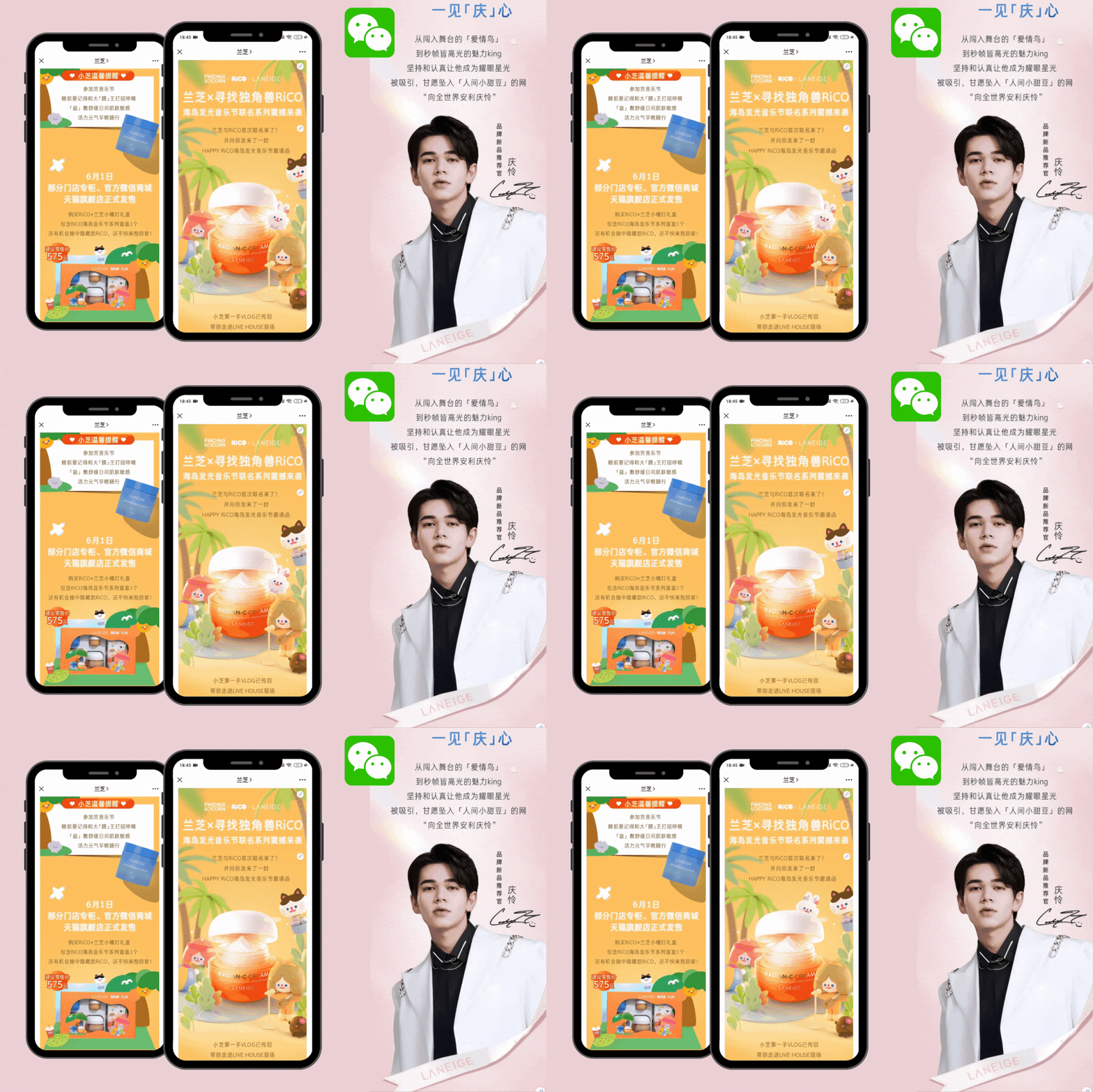
A great part of the reputation is made on the Chinese Web. Where cosmetics consumers are looking for most of the information they want to know on the product they are interested in buying. Internet word of mouth is the key to earning the trust of Chinese consumers.
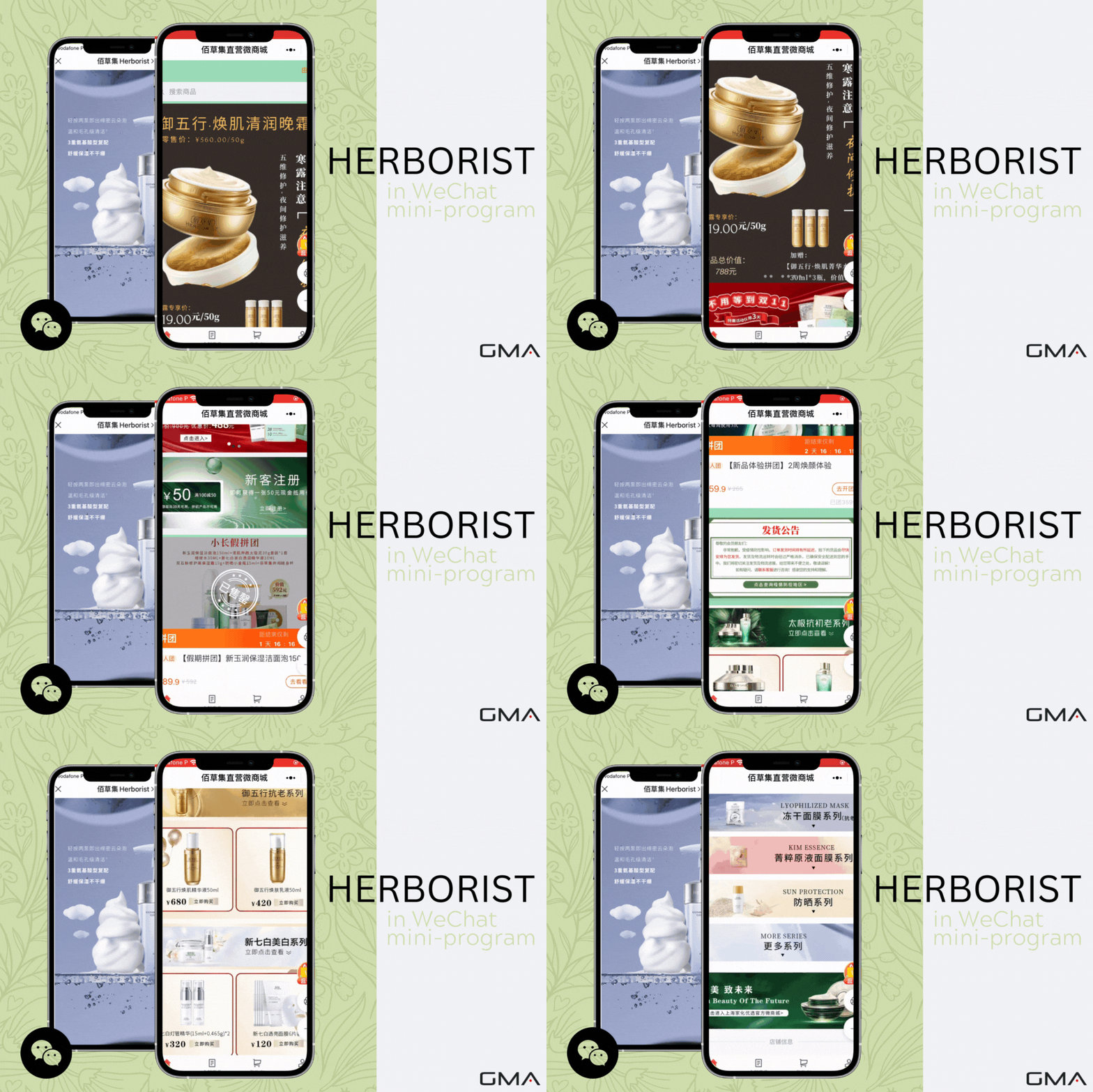
Therefore, to adapt to consumer preferences, it’s advisable for local and international brands to have a Chinese website and Wechat official account.
Price
However, despite the growing market share held by e-commerce, retail stores still have their role to play because Chinese consumers really like to try the products. For both online and offline stores, good prices are the most important factor for Chinese consumers. Discounts are really popular when applied to both kinds of stores.
It’s always better to offer a small discount than none, as flash-sales websites are becoming more and more popular. But the price matter is tricky, because if a foreign product is cheaper than the ones from local companies, Chinese consumers might believe that it’s not good quality. It’s therefore advisable to position yourself as a luxury brand and have higher prices.
Packaging
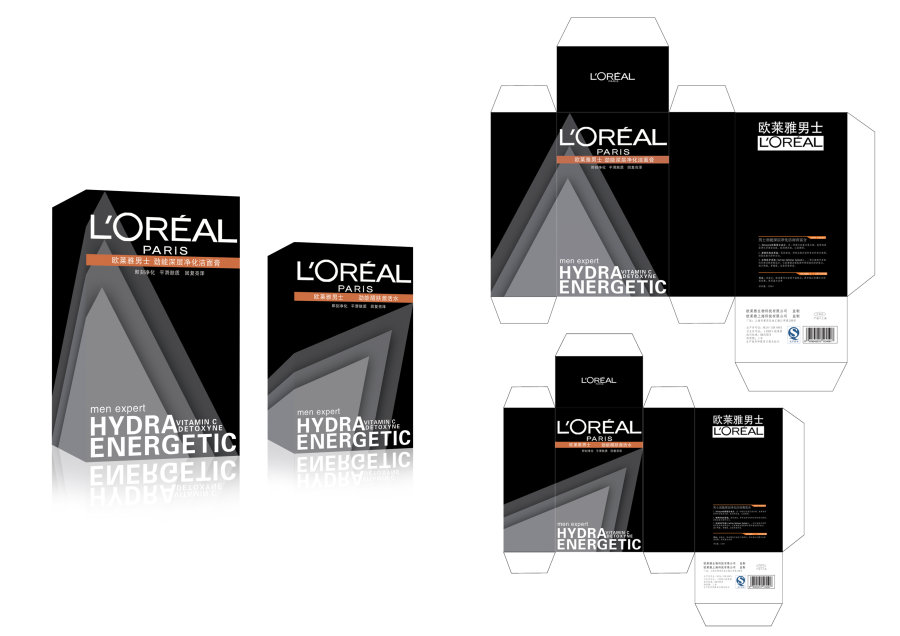
Nice packaging that appeals to Chinese consumers will also guarantee sales to cosmetics brands in China. Chinese consumer market is floded with foreign and local brands so it’s crucial to distinguish yourself with some interesting packaging.
It’s also popular to have limited editions for Chinese festivals and events, like Chinese New Years, Mid-Autumn Festival, 11/11 Singles day etc.
Localisation
To effectively reach Chinese consumers, foreign companies must localize operations beyond the traditional methods of setting up an office and utilizing packaging in their language. Patience, marketing strategy tailored to China’s market, and investing in research and development are all key components necessary for success within this dynamic consumer base.
As a diverse nation with distinct needs from region-to-region, brands that put forth effort to meet these demands will be favored over those who do not make any attempt at customization.
Innovations
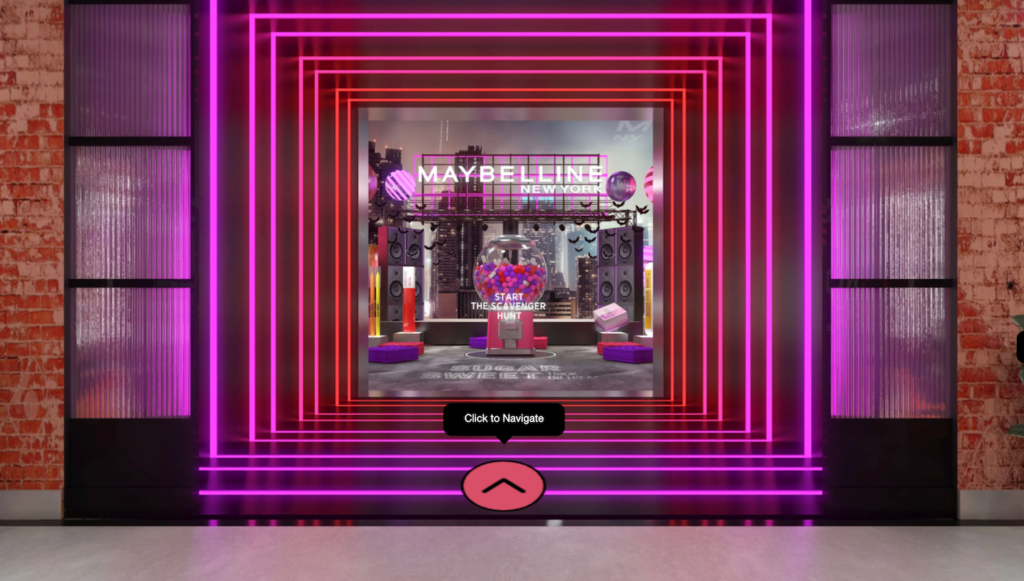
In the past decade China changed more than any other country in the world and the changes are still very fast year-on-year. Chinese consumers expect brands to offer them unique experiences and personalised shopping journey.
Metaverse campaigns, gamification mini-programs on WeChat, NFT limited designer items, cosmetics stores in virtual reality, live-streaming and virtual influencers are some of the latest trends that adapt to consumer preferences and spending habits. To attract consumers in China is not easy nowadays, because it requires creative campaigns and adaptations.
Conclusion
In conclusion, we can say that the factors that are most likely to affect Chinese buyers in their buying process are:
Products that answer the needs of Chinese consumers, the reputation of the brand, positive feedback on the products, brand awareness, brand image, discount prices, nice packaging, word-of-mouth marketing and influencer collaborations, the possibility to try out the products, multimedia communication based on new technologies and localisation.
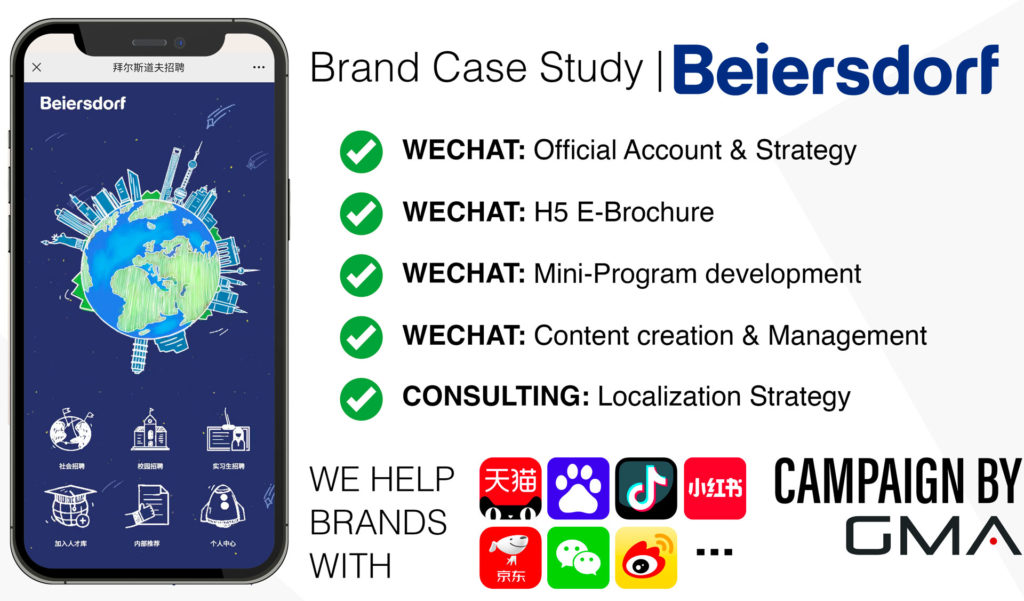
We can help you promote your cosmetics to China’s consumers
To stay ahead of the competition, foreign cosmetics brands will have to stay aware of local tastes, innovate to meet them, form relationships with their customers through social media, and be able to adapt rapidly in the fast-paced Chinese cosmetics market.

We are a China digital agency with more than 10 years of experience with Chinese consumers and foreign brands. We helped over 600 brands, by offering tailor-made solutions, depending on brands’ values, needs and budget.
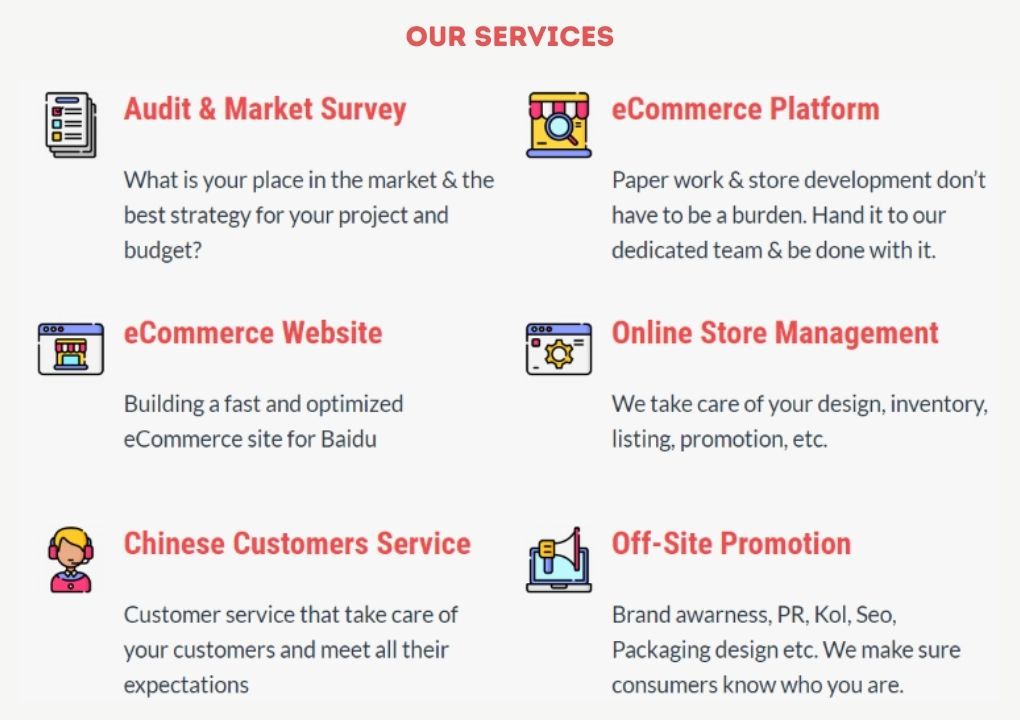
Don’t hesitate to leave us a comments or contact us to discuss spending patterns in Mainland China. We offer a free consultation where our expert will learn about your brand and present best solutions for your China entry. Let’s keep in touch!
1 comment
alamtar Guo
Very interesting content! I agree with the fact that brand image and reputation is essential, if no one talks about you, no one will buy your products.