The demand for Western beauty products among Chinese consumers has never been stronger. When Suning launched usa.suning.com, it was a clear signal that the market was shifting fast. More than a decade later, I can tell you that shift became a full change in how Chinese consumers discover and buy foreign cosmetics. The platforms are different. The consumers are more sophisticated. But the core appetite is bigger than ever.
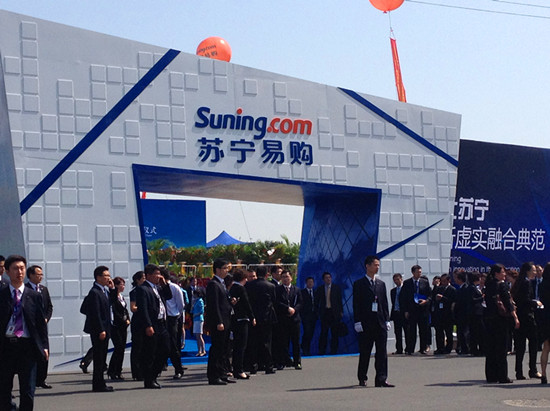
In order to satisfy their desires, Suning decided to launch its new e-commerce platform usa.suning.com where Chinese customers can purchase foreign goods.
The firm’s global expansion plan
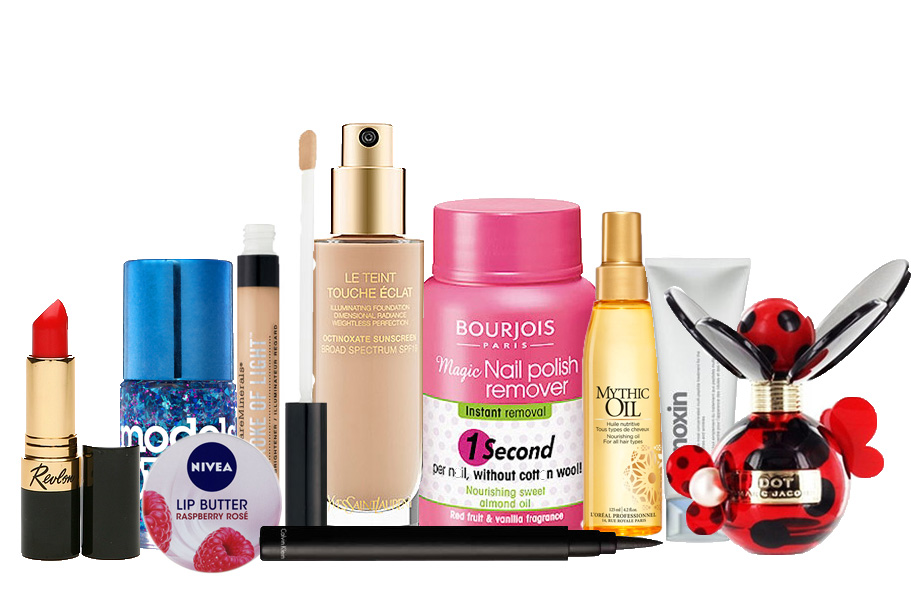
Suning is China’s biggest appliance retailer and e-commerce platform, which launched its United States online shopping service on November 11. Multinational brands like Weleda, Revlon, Maybelline, Enfamil, and Burt’s Bees became available through Suning. The company planned to launch more online stores around the world to continue its business expansion.
The company’s main objective was to provide high-quality products and diligent customer service to Chinese e-shoppers. Suning offered home delivery in China through Shunfeng Express, with orders arriving within 7 to 10 days after ordering online. In the U.S., Suning continued its offline-to-online business model. Customers who buy goods online could return products to the nearest offline store, except for food products.
Many Chinese consumers were already increasing their interest in using online platforms to buy Western products. The main concern for local customers was international shipping fees. “The fact that there is such a strong demand for US and foreign goods, e-commerce players would be foolish to miss this chance,” said Zheng Yuhuang, a professor at the communications department of Tsinghua University. That quote aged well. Cross-border e-commerce in China hit 2.63 trillion RMB in 2025, up from virtually nothing when Suning made that first move.
Cosmetics and beauty e-commerce: where things stand in 2026
Chinese consumers have an appetite for foreign beauty products that has only grown. The cosmetics e-commerce space in China is now dominated by a mix of established platforms and newer content-driven channels. I’ve worked with brands entering this market for over 15 years, and the change I see today is bigger than anything Suning’s launch signaled at the time.
Only 31 percent of beauty brands had an e-commerce platform on their own website, and 48 percent of cosmetic brands were selling through Tmall, Amazon, or other platforms. Today, Tmall Global remains the top destination for foreign beauty brands entering via cross-border e-commerce. But it is no longer the only channel that matters.
L’Occitane announced its desire to open a virtual store on Tmall.com to expand its presence in the Chinese market. That move made sense then. In 2026, brands that work with us start on Tmall Global but immediately build presence on Xiaohongshu and Douyin. The discovery journey has changed completely.
The local cosmetics market is intensely competitive, and Chinese consumers remain concerned about the authenticity and quality of the products they purchase. That’s why e-commerce platforms have been built to allow beauty companies to open their own official online stores. A grey market product ruins trust permanently. Official brand stores and certified cross-border channels are not optional.
How Chinese beauty consumers shop in 2026
Xiaohongshu is where discovery starts
I’ve seen this pattern hundreds of times. A consumer finds a product on Xiaohongshu, reads 15 reviews from real users, then goes to Tmall to buy it. XHS now has over 300 million monthly active users, and more than 70 percent of them use the platform specifically to research beauty purchases. Brands that skip XHS are invisible to a large share of their potential buyers.
The content that works on XHS in 2026 is ingredient-focused. Niacinamide, retinol, ceramides, bakuchiol, tranexamic acid. Chinese consumers, especially women aged 25 to 35, read ingredient lists. They compare formulas. They check whether a product sold via cross-border has the same formula as the version sold in France or the US. If you cannot speak to the ingredients, you lose them at this stage.
Douyin is where conversion happens at scale
Douyin’s in-app commerce reached over 3 trillion RMB in GMV in 2025. Beauty and personal care is one of the top three categories. I’ve worked with brands that went from zero to 50,000 units sold in a quarter, purely through Douyin live commerce with the right KOL profile.
Douyin advertising for cosmetics brands works best when you combine paid traffic with organic content and live sessions. The algorithm rewards consistency. Brands that run one or two campaigns and then disappear don’t build the trust signal that converts browsers into buyers.
The key shift in 2026: micro-KOLs outperform macro-influencers for beauty. An account with 50,000 followers in skincare generates higher conversion than a celebrity with 5 million, because the audience is specific and the trust level is higher. KOL marketing in China has matured. Brands need to think in terms of a tiered portfolio, not single big-name deals.
AI discovery is changing how Chinese consumers find foreign brands
In 2026, Chinese consumers increasingly use AI tools to find and evaluate products. Platforms like Doubao, Kimi, and Baidu AI search are now part of the beauty discovery process. A consumer might ask an AI assistant for the best French anti-aging serum under 500 RMB and get a direct recommendation. If your brand has no presence on Chinese review platforms, no user-generated content, and no Mandarin product pages, you won’t appear in those results.
This is why content seeding matters more than it used to. Brands that work with us build a base of authentic XHS reviews, Douyin videos, and Tmall store content before they run any paid campaign. The AI surfaces that content. The consumer trusts what the AI finds.
The ingredient trends driving sales right now
Chinese consumers are moving toward skincare as a science-backed category. The trends I’m seeing in 2026: fermented ingredients and postbiotics, barrier-repair formulas, and high-purity vitamin C derivatives. Brands with clinical backing and clear ingredient stories convert better than brands selling lifestyle imagery alone.
The authenticity concern that existed when Suning launched is still there, but it goes deeper now. Consumers want to know where the ingredients come from, whether the formula was tested on Chinese skin types, and whether the brand has certified dermatologist endorsements. These are table stakes for premium positioning.
What this means for your brand entering China today
The platforms have changed. The consumers have evolved. But the core insight from Suning’s move is still valid: Chinese consumers want access to foreign beauty products, and they will buy from whoever makes that access easiest and most trustworthy.
In 2026, the entry path looks like this: Tmall Global for the flagship store, Xiaohongshu for discovery and credibility, Douyin for volume and conversion, and a KOL strategy that mixes tiers. Brands that try to start on all four at once without a clear budget and a local team behind them struggle. Start focused. Build proof. Then scale.
I’ve helped brands sell cosmetics in China for over 15 years. The market rewards brands that treat Chinese consumers as sophisticated buyers. They read more, compare more, and share more than almost any other consumer group in the world.
If you want to understand how to position your brand on the right channels, our team at Cosmetics China Agency works specifically with beauty brands entering or growing in China. We know the platforms, the KOL landscape, and the regulatory requirements for cosmetics imports.
Contact us for a free consultation on your China cosmetics strategy.