

Are you a beauty industry professional looking to expand your business in China? If so, you’re not alone. With the Chinese beauty market booming and consumers demanding high-quality products, it’s crucial to stay updated on the latest trends and connect with potential buyers.
That’s where the China Beauty Expo comes in. The China Beauty Expo, is one of the largest and most influential beauty trade shows in Asia. It is held annually in Shanghai, China. This expo provides a platform for beauty industry professionals to showcase their products, network, and stay updated on the latest trends and innovations in the beauty industry.
Let’s dive into everything you need to know about this salon and how it can help take your business to new heights. So, let’s explore together!
Brief history and significance of CBE in the global beauty industry
Established for 25 years, the China Beauty Expo (CBE) is a highly recognized trade platform for brands of personal care, cosmetics & fragrances brands, beauty, health, wellness, nail & eyelash, as well as related services. It has been operating for over two decades and plays a significant role in shaping global beauty trends.
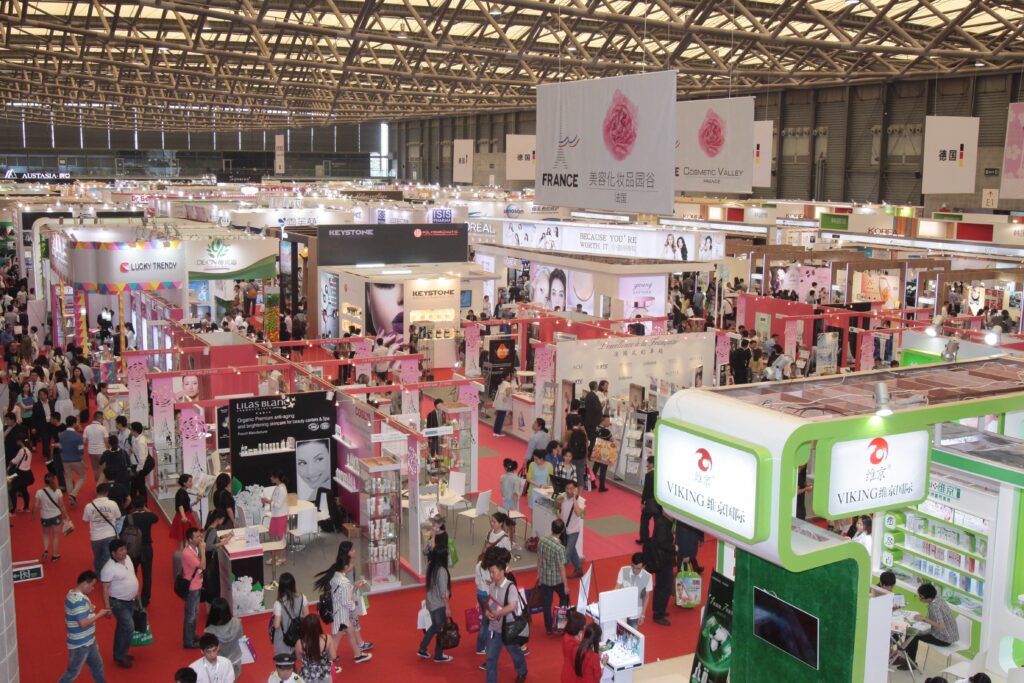
CBE is considered Asia’s top beauty event and stands out for its scale and its position in the world’s second-largest consumer market for cosmetics. It has helped revolutionize China’s cosmetics retail ecosystem by embracing new sales channels and reimagining product offerings.
Key Information about CBE
China Beauty Expo takes place annually in Shanghai, and is held at SNIEC – Shanghai New International Expo Center and offers a comprehensive sourcing experience for retailers, distributors, and beauty professionals.
Dates and timings
The China Beauty Expo is a highly anticipated beauty event in Asia, showcasing the latest trends in personal grooming and beauty products. The last edition ofChina Beauty Expo was held in Shanghai from 12 May 2023 to 14 May 2023 and the next edition is expected to be held in the month of May 2024.
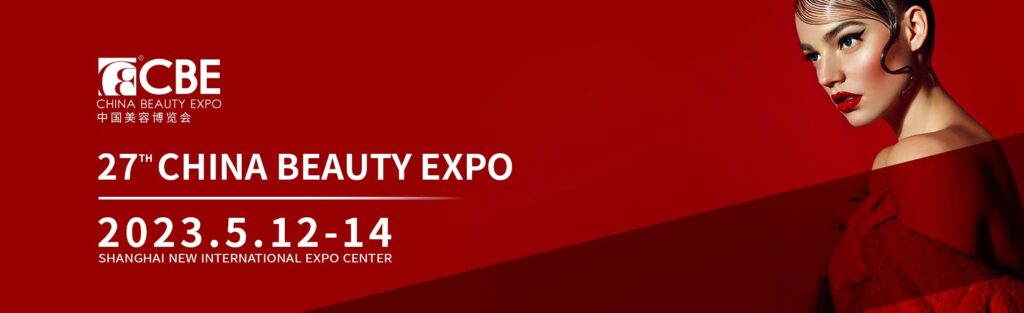
These events are not just single-day affairs, so it’s important to plan for multiple days of exploration and discovery.
Entry fees
The entry fees for CBE Shanghai 2023 are designed to provide immense value without being expensive. While the exact figures may vary each year, they remain within a reasonable range, making them accessible for businesses of all sizes. This affordable cost, combined with the high attendance rate, makes it a marketable event.
By investing in this expo, you can secure brand exposure and potential leads from one of Asia’s most influential trade platforms in the cosmetics industry. Rest assured that every penny spent on this annual beauty expo is a worthwhile investment in fostering global connections and expanding your reach in the Asian market.
Estimated turnout
China Beauty Expo experiences an impressive estimated turnout every year, underscoring its prominence in the global beauty industry. As a marketing manager, imagine being part of this massive event where over 1,000 international exhibitors come together to showcase their brands and products.
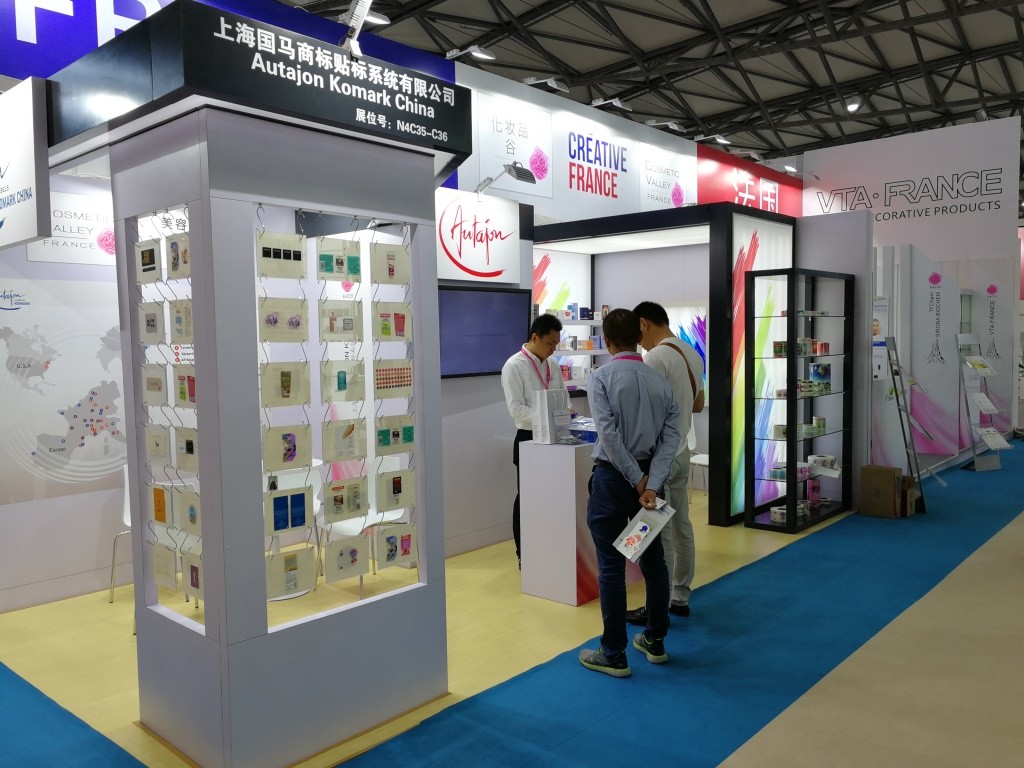
The numbers are not just for show; they’re indicative of an enthralling networking platform that allows you to connect with professionals from various areas of the beauty sector. Participating in CBE means exposure to a diverse range of participants and potential business partners from across the globe – truly a growth opportunity too great to miss!
Understanding the Chinese Beauty Market
Current trends and consumer behavior
Chinese consumers have a growing demand for beauty, perfume, health, wellness and hair care products, making the country the largest market for these categories.
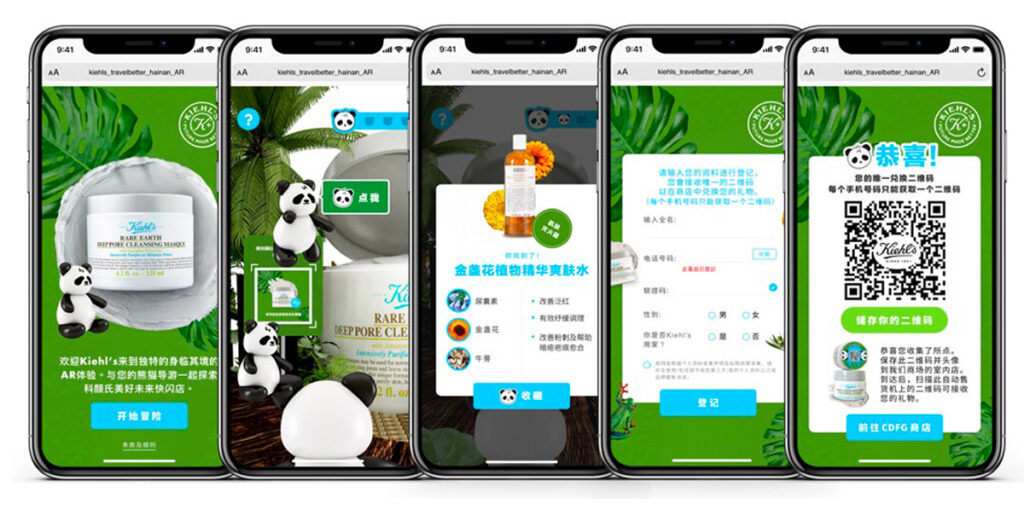
They are becoming more conscious of the relationship between inner health and outer beauty, which has led to a greater interest in products that promote overall well-being. Chinese female consumers, in particular, prioritize purchasing beauty products from well-known brands with a good reputation and higher prices, as they believe these products offer better quality and prestige.
Therefore, it is essential to focus on providing high-quality products from reputable brands to succeed in China’s competitive beauty industry.
Key players in the market
Here are some key players in the Chinese beauty market:
- L’Oréal Paris: L’Oréal is one of the most prominent international brands in China, known for its high-quality beauty and skincare products. It has a strong presence in both offline and online retail channels.
- Lancôme: Lancôme is another international brand that has gained significant popularity among Chinese consumers. Its luxurious skincare and makeup products have captured the attention of many beauty enthusiasts.
- YSL (Yves Saint Laurent): YSL is renowned for its sophisticated and glamorous beauty offerings, including fragrances, makeup, and skincare products. It appeals to the modern Chinese consumers who value style and elegance.
- Estée Lauder: Estée Lauder is a trusted name in the Chinese beauty market, offering a wide range of premium cosmetics and skincare solutions. It has successfully built a loyal customer base by providing innovative and effective products.
- Shiseido: Although Shiseido is originally a Japanese brand, it holds a significant market share in China. Known for its scientific approach to beauty, Shiseido offers high-performance skincare and cosmetics that meet the diverse needs of Chinese consumers.
Preparing for the Chinese Business Environment
Importance of WeChat in business communication
WeChat is the largest social media platform in China, with over 1 billion active users per month. It has revolutionized how brands engage and influence Chinese consumers.
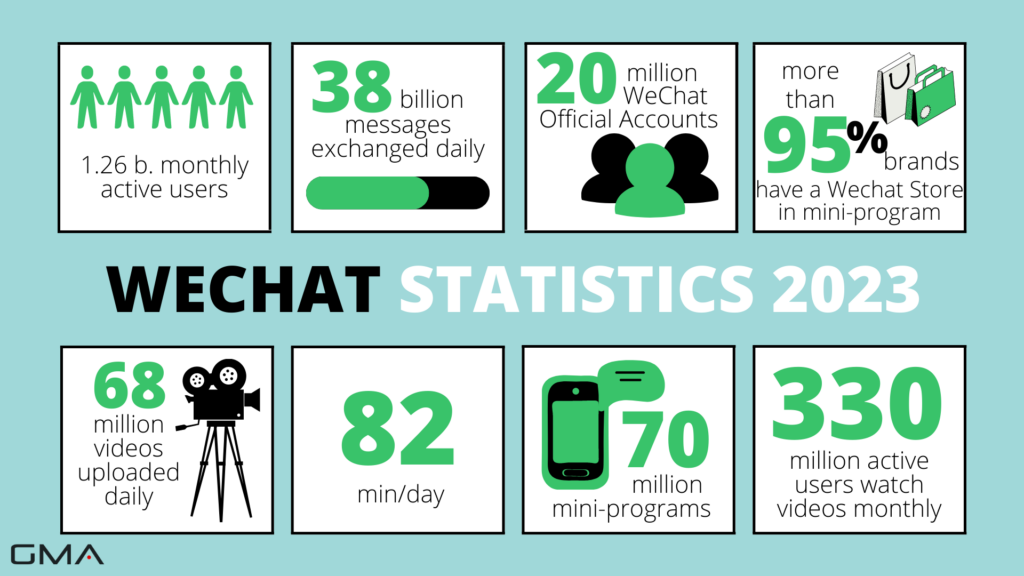
Setting up a WeChat official account is essential for businesses looking to enter the Chinese market, as it allows them to reach potential customers directly. WeChat offers a comprehensive solution for businesses, including messaging, social media posts, and payments.
By utilizing this platform, businesses in the beauty industry can effectively communicate their brand message and build strong customer relationships, leading to growth and success.
Building a positive e-reputation in China prior to the expo
Here are some key strategies to consider for building a positive e-reputation in China prior to the expo:
Leverage social media platforms
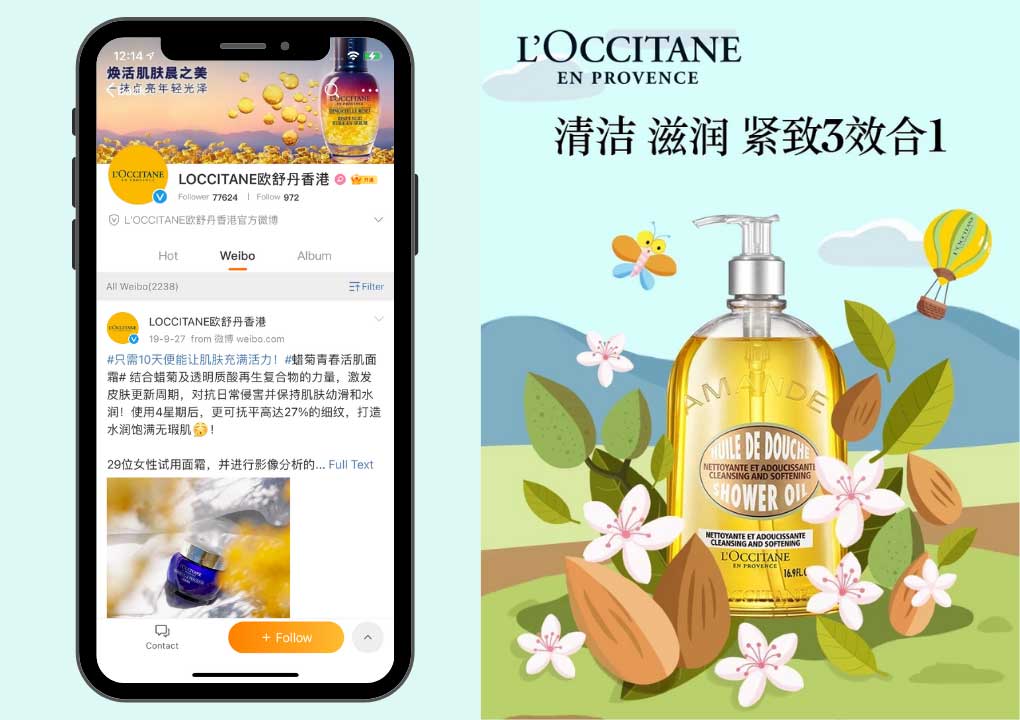
China has its own unique digital landscape, so it’s crucial to establish a strong presence on popular Chinese social media platforms like WeChat, Weibo, and Douyin. These platforms offer opportunities for engaging with potential customers and showcasing your brand.
Collaborate with Key Opinion Leaders (KOLs)
KOLs have a significant influence on consumer purchasing decisions in China. Partnering with relevant beauty influencers can help you reach a wider audience and build credibility for your brand.
Engage with the Chinese diaspora
The Chinese diaspora plays a vital role in promoting brands and developing e-reputation in China. Consider targeting Chinese communities abroad through concept stores or online platforms that cater to their preferences.
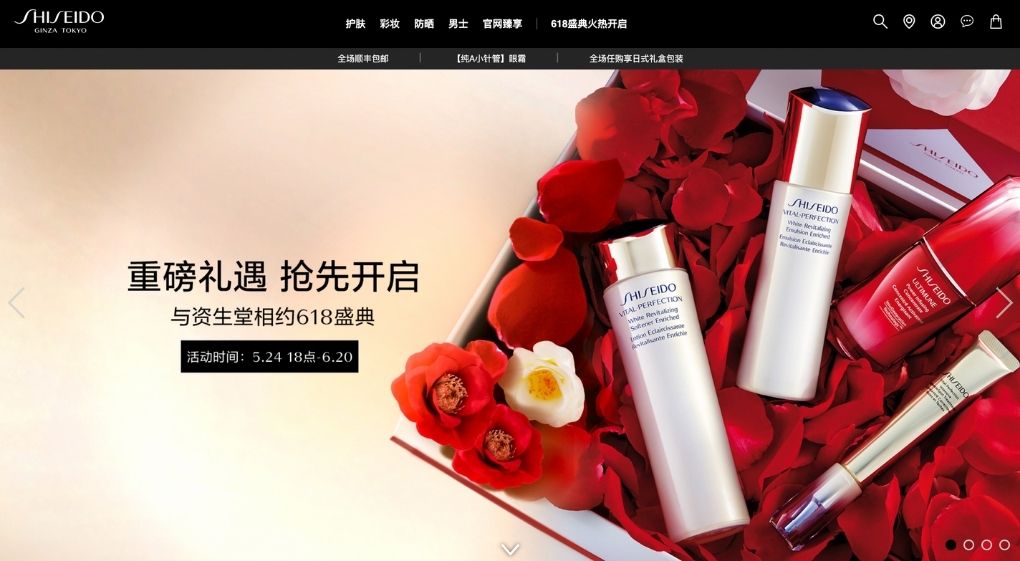
Localize your website and content
Ensure that your website is optimized for Chinese search engines and translate your content into Mandarin. Investing in local SEO strategies will help boost visibility and appeal to Chinese consumers.
Utilize online marketplaces
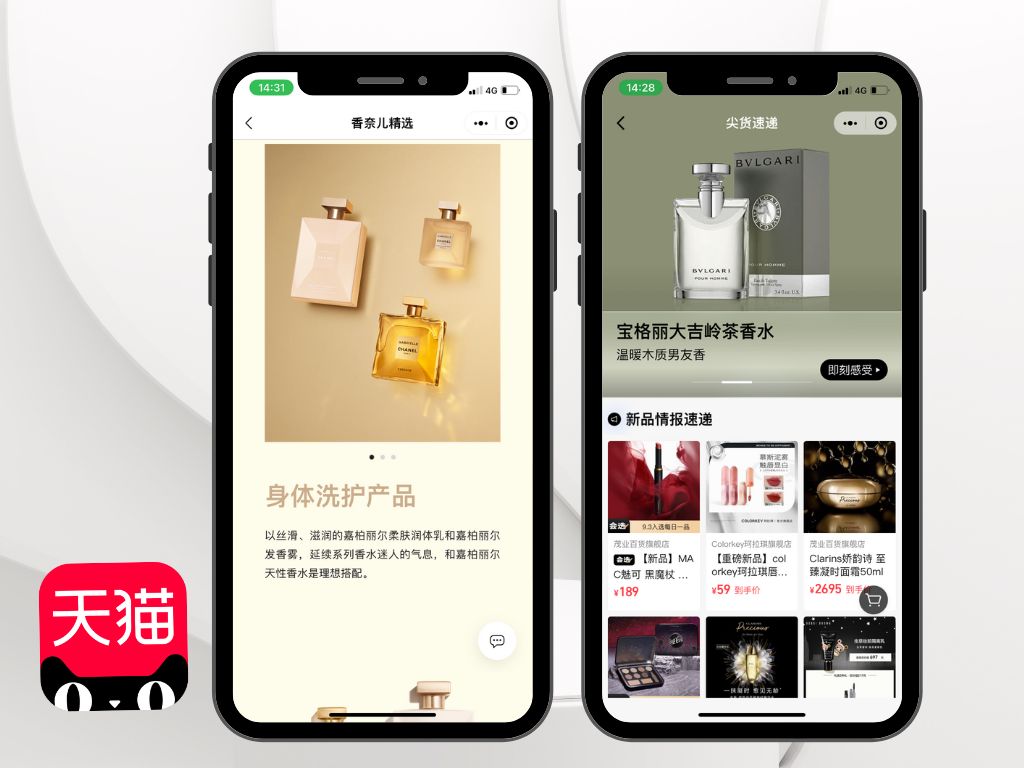
Platforms such as Tmall, JD.com, and Kaola are widely used by Chinese consumers for online shopping. Establishing a presence on these marketplaces can increase your brand’s exposure and credibility.
Monitor online reputation
Regularly monitor online mentions of your brand using tools like Baidu Index or other social listening platforms. Responding promptly to customer feedback or complaints shows that you value their opinions and helps maintain a positive reputation.
Invest in targeted advertising
Utilize targeted advertising campaigns on popular digital channels like WeChat Moments Ads or Weibo Ads to reach your desired audience effectively.
Leverage user-generated content
Encourage customers to share their experiences with your brand on social media through contests or incentives. User-generated content builds trust and authenticity among potential customers.
Stay updated on Chinese beauty trends and preferences
The Chinese beauty market is constantly evolving, so it’s essential to stay informed about the latest trends and consumer preferences. Conduct market research and adapt your strategies accordingly.
Cultural considerations when doing business in China
Understanding cultural considerations when doing business in China is crucial to tap into the Chinese beauty market. China’s rich history and unique traditions heavily influence its business culture.
It is important to dress conservatively and avoid bright colors, which are considered inadequate. Punctuality is highly valued, so being on time for meetings and appointments demonstrates respect.
Additionally, respecting China’s customs and social structure is essential for successful interactions. Flexibility, cultural intelligence, and humility will go a long way in building positive relationships with potential partners or clients.
Why Attend CBE?
Professional platform for the beauty industry
Attending the China Beauty Expo (CBE) offers you an incredible opportunity to connect with professionals in the beauty industry and stay ahead of market trends.
CBE acts as a hub for personal care brands, makeup and fragrances, beauty, health and wellness, and nail and eyelash businesses. With over 3,500 exhibiting companies annually, it is a comprehensive trade event that provides valuable networking opportunities.
The expo serves as a stage for launching new products and initiatives, allowing brands to showcase their latest innovations to a global audience. By attending CBE, you’ll gain access to market insights and cross-industry connections that can fuel your business growth in the fast-paced beauty industry.
Access to the latest beauty trends and products
Attending the China Beauty Expo is a great opportunity to stay updated on the latest beauty trends and products. It is one of the largest beauty events globally and attracts a wide range of exhibitors who showcase innovative offerings.
This event provides a comprehensive platform for discovering new products and staying updated with the latest trends, from clean beauty packaging design to cutting-edge innovations. For instance, Tea extract has become a mainstream botanical skin care ingredient.
Also, Givaudan recently announced, as part its 2025 strategic plan, that it had reached an agreement with Amyris to purchase some synthetic biotechnology cosmetic ingredients.
With thousands of suppliers attending, you’ll have direct access to a vast array of beauty products that can elevate your marketing strategy and keep your brand on-trend.
Case studies of businesses that benefited from attending
You’ll be interested to know about the case studies of businesses that have benefited from attending China Beauty Expo. One example is an international cosmetic company that successfully entered the Chinese market through their participation in CBE.
By showcasing their products at the expo, they attracted attention from local distributors and retailers who were looking for unique beauty products to offer their customers. This led to significant business collaborations, as well as increased visibility and exposure in the Asian market.
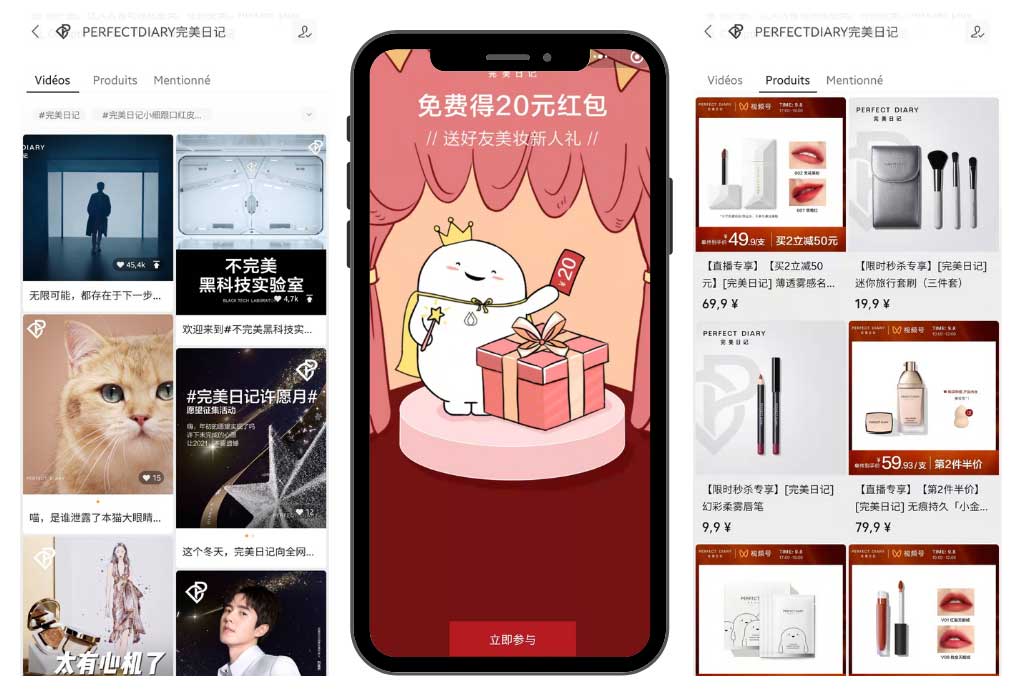
Another case study involves a beauty retailer who attended CBE to source new products for their stores. Through networking and exploring various exhibitors’ offerings, they were able to procure high-quality beauty products from both international and domestic brands.
Interested in Participating Next Year? Contact us!
China Beauty Expo is a must-attend event for anyone in the beauty industry looking to expand their business in China.
From the opportunity to showcase products and connect with potential buyers, to gaining insights into the Chinese beauty market and networking with professionals, CBE offers a comprehensive platform for growth and success.
China Beauty Expo also offers a comprehensive sourcing experience for retailers, distributors, and beauty professionals, featuring a vast array of products and manufacturing solutions.
Don’t miss out on this chance to seize new opportunities and stay ahead of the latest beauty trends.
Collaborating with an agency specialized in the Chinese market is the best way to achieve your goal and increase your Return On Investment. As all companies are different, the marketing and advertising strategy must be tailored according to their needs and within their financial means.
Proud of the success of the companies we have helped over the years, we know exactly what a certain company needs.
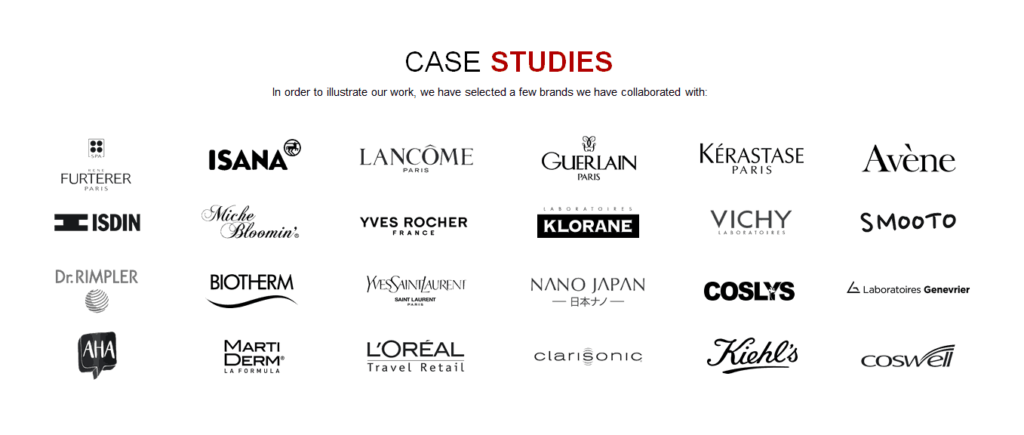
Thus, if you have questions about selling, advertising, exporting, etc. your cosmetics in China, contact us directly, and we will reply to you within 24 hours.