
Why High-end Cosmetic brand Need to find a Chinese distributor
Entering the Chinese market is a risky task if you don’t have a deep knowledge of it. For this reason, many businesses seek out a distribution company that has already established long-term relationships with retailers and large sales networks in order that their products can reach the market more efficiently. Working with distributors in China can be a great way to enter the Chinese market and grow as a company, but there are many potential pitfalls you need to watch out for.
Given the language and cultural barriers for western companies in China, distributors are useful and improve efficiency in conducting business. The advantages of using a distributor are numerous: it will reduce the costs of starting the business, it will be faster because it knows the market and you will be able to access their network and knowledge. However, there are also other factors to consider when selecting a distributor to make sure it is the right one for you.
Pros and cons of distributors in China for cosmetic Brands
Pros of working with Chinese distributors
Foreigners who have little experience in the Chinese market often rely on distributors. These companies can help you with the imports, storage, shipping, sales, and sometimes also marketing.
One notable benefit of working with distributors is that they have a wide network of partners and can sell and deliver your products to retail stores and customers quickly.
Cons of working with Chinese distributors
- Since distributors receive part of the profit margins, the price competitiveness of your products may be reduced.
- Distributors manage the products of many companies. This means that distributors are unable to pay the same attention to a product and may even manage competing products.
- You should avoid writing an agreement that gives distributors exclusive product sales rights for a specific period because they sometimes work with competing brands and simply refuse to market or sell your products.
- You should accept a slight loss of control over how and where your product is sold.
- Distributors can be picky and often require some brand awareness in the Chinese market. The market is highly competitive and distributors have many products to choose from.
- If the sales are not going well, the distributor can simply find another company that sells products similar to yours. It is not their responsibility to market the products, they simply sell what Chinese customers like.
For this reason, it can be helpful to try to build up product awareness before you start looking for distributors. This can be done through web improvement (SEO and SEM strategies), community management, e-commerce channels, and digital marketing.
In conclusion, in China, there are good and bad distributors, as well as, in all countries. But how do you pick the good ones from the bad ones?
How to attract potential distributors: Lead Generation
The Lead Generation to create and organize a database of potential distributors interested in the products is today, more than ever, central to the marketing strategies of any company, to increase commercial opportunities.
Online communication has taken on an impressive dominance and is today one of the most powerful tools of lead generation and conversion.
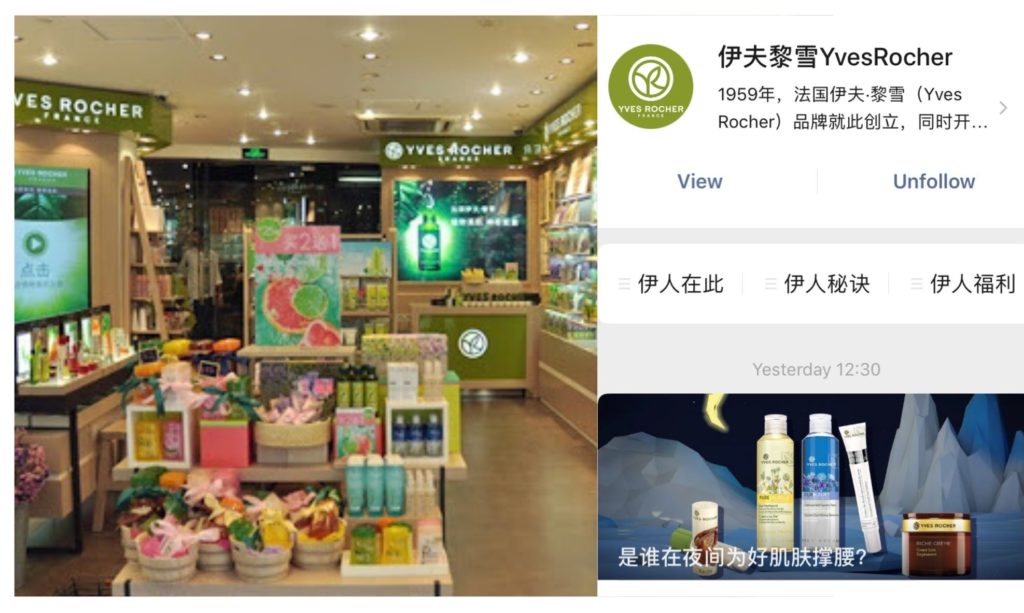
Chinese consumers do not trust new brands and products. When purchasing beauty products, Chinese consumers will look for product information before making a purchase. Getting informed is an important step in their buying habit and the information they will find will determine whether or not they choose to buy. They will mainly look for information on Baidu (the Chinese search engine), on social networks, and on e-commerce platforms.
Cosmetics Brands have to be visible to land a deal in China
If a distributor cannot find information about you online, it means that consumers will not be able to find you and if they do not know your brand, they will not trust you and they will certainly not buy your products. For a distributor, this is a big risk and will not accept to distribute your products.
Therefore, before even trying to find a distribution that could introduce your products to many different stores, you should make sure that your online reputation is good:
- Brand and products should appear on Baidu results,
- Others should talk about your brand in forums or blogs,
- You should create official accounts and be active on social media.
Baidu SEO & SEM a key Tool for Cosmetic Brand in China

SEO (Search engine optimization) and SEM (Search engine marketing) activities are necessary because they allow companies to improve their brand awareness and brand identity on the net.
To get visibility on Baidu you should follow some steps:
- Your website should be translated into Chinese because Baidu gives greater visibility to sites that are written in Mandarin Chinese. This helps your website receive more traffic.
- The website must also be adaptable to mobile phones
- Localized content marketing
- Through SEM techniques it is possible to sponsor sites with targeted campaigns. In this way, your brand’s site will get a better online reputation, an increase in visitors, and of course a higher market return.
We provide SEO/ SEM on Baidu to get more exposure. We start by auditing your websites, writing reviews, and press releases to get targeted visitors interested in your products.
Use Online Branding to Promote your Cosmetic Brand in China
If you really want to develop your business in China, you have to develop a brand, increase your brand awareness, and have a good image. Services which can help you are:
- PR
- Social Media
- Cosmetics Platforms integration
- KOL campaign (KOLs play an important role in the cosmetic industry as they increase the brand’s value and awareness).
Online Reputation and Press Release
In the Cosmetics industry, your sales are linked to your reputation because Chinese consumers are cautious about what they buy. They want beauty products that really work and do not hurt their skin. With PR operation and the help of ambassadors, you will increase the trust of future buyers.
A presence on Chinese forums and PR are very important:
- There are many designated forums in China and all of them are Chinese forums in the Mandarin language. The most useful forums for the cosmetic industry are Zhihu and Baidu Zhidao.
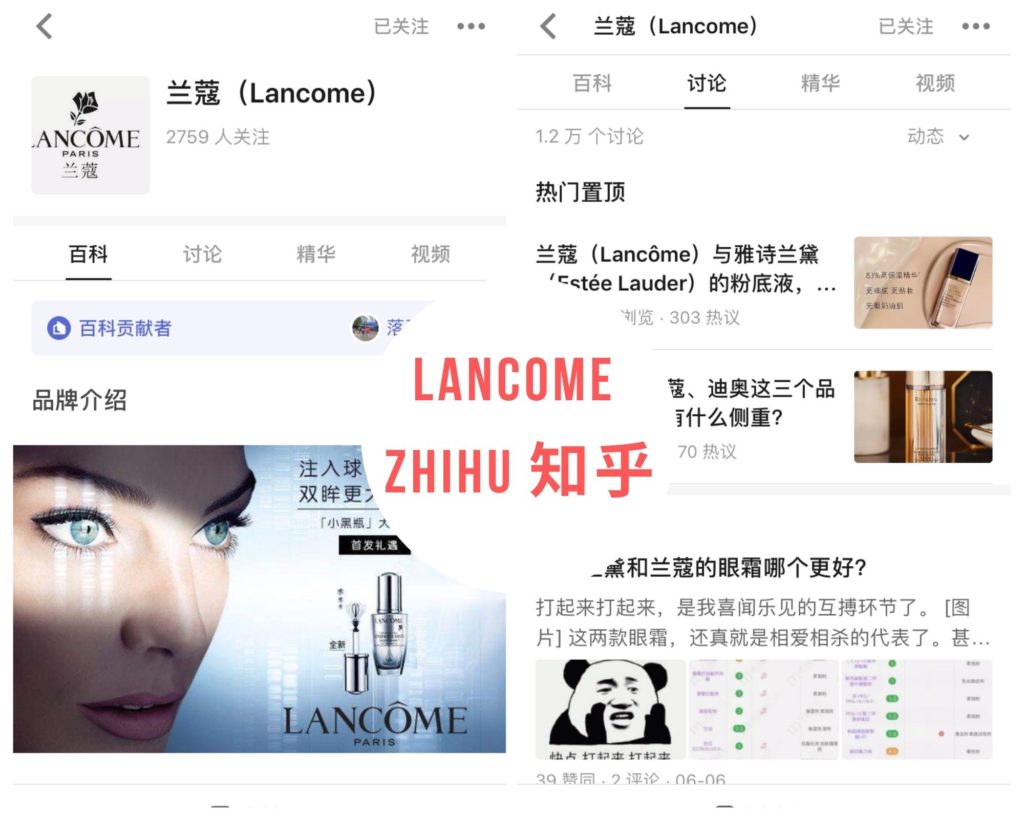
- PR is one of the most cost-effective solutions in the Chinese market. It is a basic of marketing where the right people talk about you. PR is a good way to build your credibility and to attract potential Chinese partners.
Internet Word of Mouth – Buzz Marketing
What is important to have a successful brand is not what the company said, but what Chinese consumers say about the brand. The word of mouth has an incredible effect in China and it is an excellent tool to increase your conversion rate and to generate brand awareness.
GMA is specialized in Viral marketing and the Internet Word of Mouth. Through various solutions to generate interest of Chinese users in the brand by interacting with consumers.
Community Management in China
Social Media Marketing is crucial to attract and engage the chosen target, build relationships with followers, generate leads, retain customers, and maximize conversions. Chinese Internet is totally different from the “West”. Brands need to focus on the most popular Chinese social media for beauty brands:
- microblogging platform Weibo
- Wechat (Don’t forget the H5 Wechat Brochure, It contains the Chinese listing of all your products, a great solution for distribution)
- XiaoHongShu (Little Red Book)
- Douyin
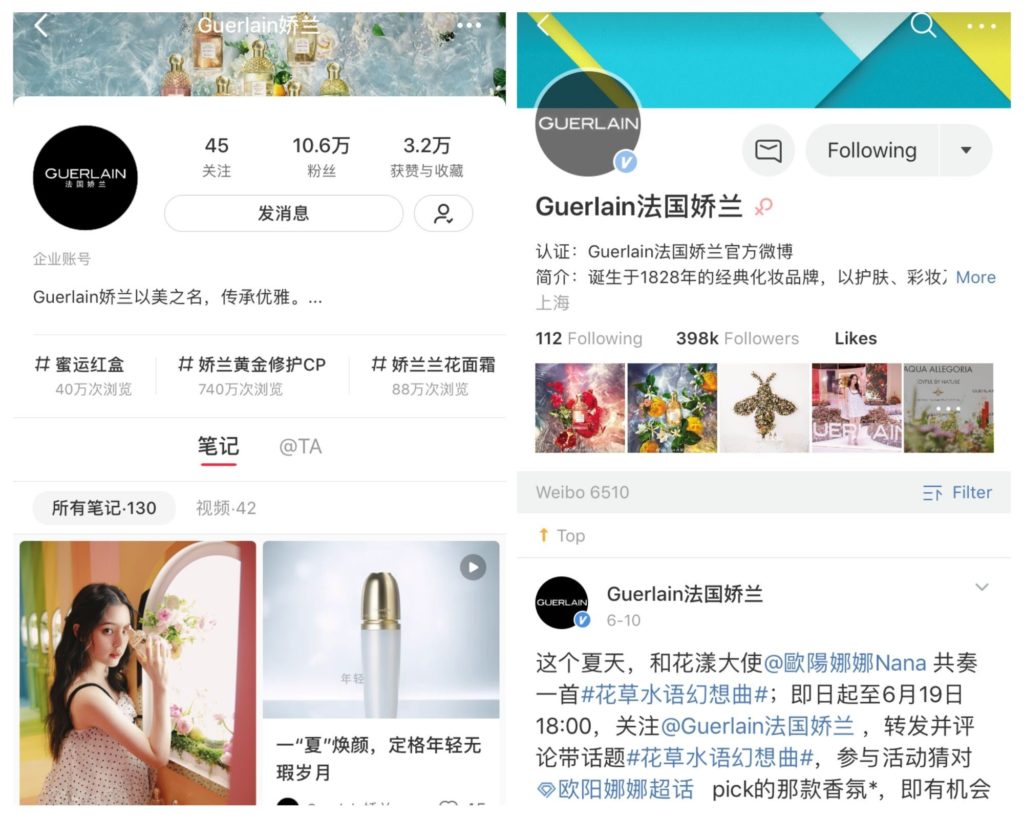
WeChat and Weibo will always be great picks when it comes to brand recognition because they are the first social media platforms that Chinese users will use to learn more about your cosmetic products and brand.
- Douyin 抖音 is a short video app well known in China. On Douyin videos of cosmetics products are very popular. To promote brands the Key Opinion Leaders (KOLs) explain all the tricks to always look your best. As a matter of fact, KOLs play an important role on this platform.
- Xiaohongshu encourages users to share their personal experiences with products, give tips, and provide discounted information. This app is turning into the social commerce hub for beauty beginners and professionals alike. (Xiaohongshu Marketing guide)
Funny and creative makeup tutorials can now be found everywhere on live streaming platforms like Douyin and little Red Book (Xiaohongshu).
How to find distributors in China?
Finding distributors can be a daunting task, especially if you’re a non-Chinese speaker. Working with the right people can make things significantly easier and it can be worth spending some money to save time and reduce the hustle.
There are numerous ways of contacting potential distributors in China. The most common (and most beneficial) include:
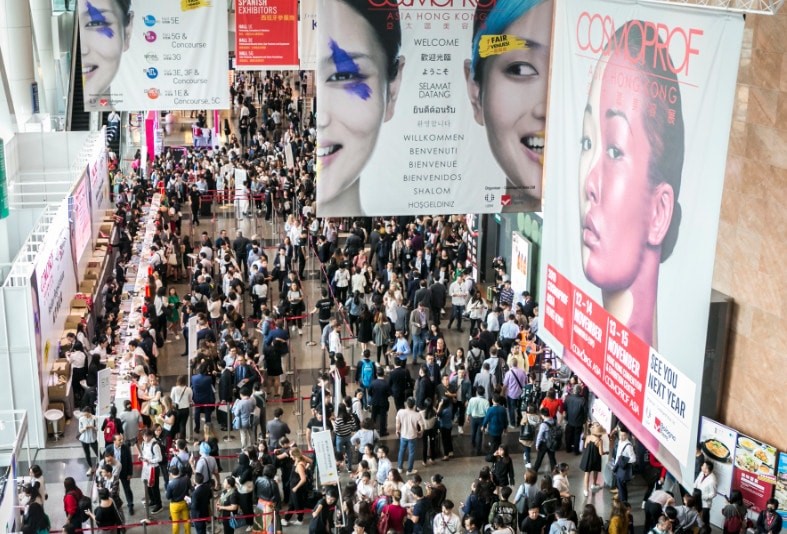
Attending Beauty trade fairs and exhibitions in China
Visiting one or more trade shows can help you find various Chinese importers and distributors:
- These are the best way to have conversations with potential distributors
- to discover new beauty trends and products in the Chinese market
- to catch the interest of prospective distributors, by having your products on display.
- to make lots of contacts
However, fairs are crowded, sales-focused and it can be hard to communicate more than a superficial understanding of your company. Additionally, contact after this is usually contained to phone calls and emails so it can be hard to build a good business relationship.
QR code plays an important role because it is everywhere in China and people use it to scan and read information about the company.
Searching Online
You can also search for distributors online, but this can be a challenge. There are currently more than 85,000 distributors in China, to contact random distributors one by one can take a long time with a low success rate. In addition, in this way, you will increase the risk of coming across unreliable distributors.
Referrals
You can also get information by asking your friends or other exporters who have found their distributors in China. It can save you time and effort as word-of-mouth references could be helpful in finding a distributor.
The advantage here is that you know someone who is already working with the distributor, who in turn can increase their reliability.
Chambers of Commerce
Most domestic chambers of commerce will provide companies with a list of distributors within their sector and may already have some contacts with distributors.
Tmall B2D
Tmall B2D (Business to Distributor) is a platform where you can connect with 85,000 Chinese distributors.
Any entrepreneur can choose his distributor on the Tmall app. However, it is not easy to choose the right distributor for you when one has no expertise of distributors in China.
How to find a good distributor in China?
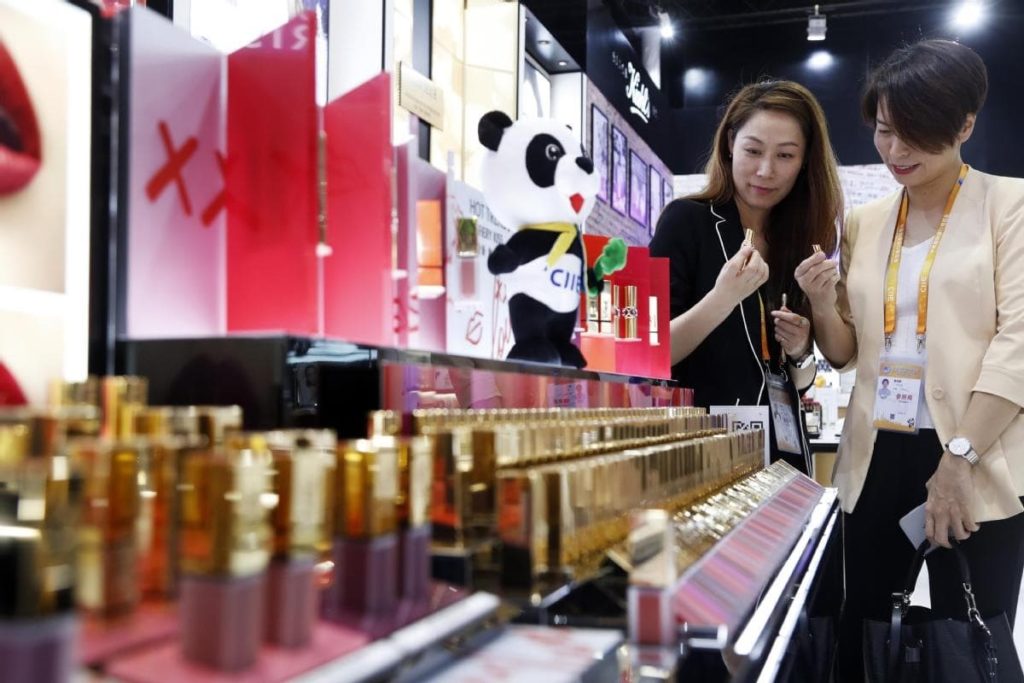
It is not easy for foreign exporters to find a proper China distributor.
A good distributor in China can not only convince end-users or retailers to sell your products but can also help you understand the details of doing business in the Country like:
- dealing with customs
- labeling standards
- packaging standards
Having a solid market access strategy and an in-depth knowledge of Chinese customs, regulations, and controls in terms of imported goods is essential to acquire before exporting your products to China.
The best distributor
A beauty brand should not rely on its Chinese distributor for any marketing action in China: he will only focus on distribution.
A cosmetics brand needs to ensure that all aspects of its marketing strategy are covered in-house or by an agency. A distributor accepts this part of the job, you should not expect a lot of involvement from him or very well-thought marketing actions.
If you want to distribute your Brand in China, and you have problems with Chinese distributors. We can help you and offer a distribution Survey to understand this specific Market. Our services start with targeting Distributors to contact them.
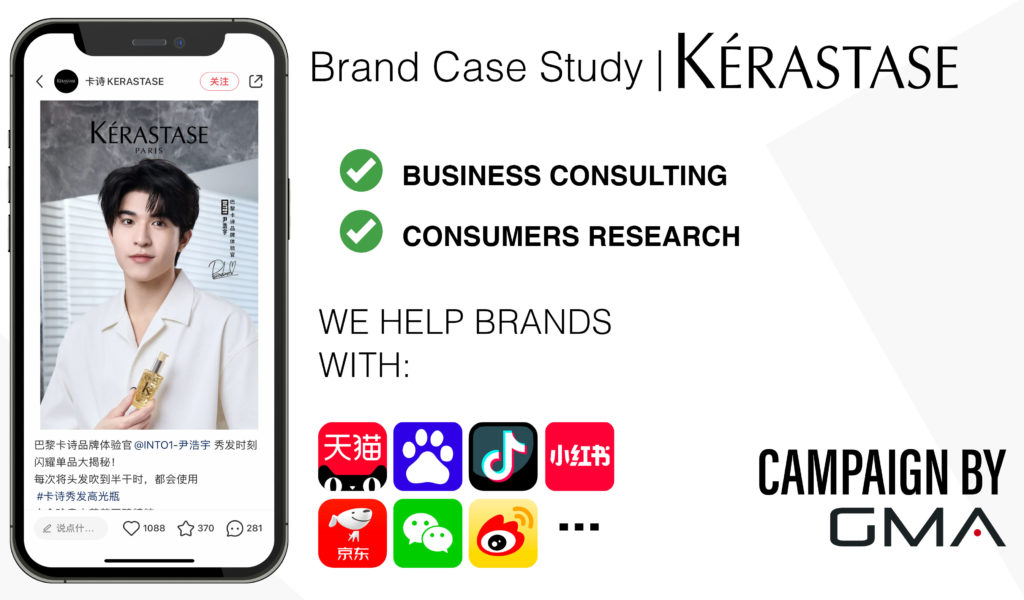
GMA provides a wide choice of marketing and promotion solutions to help you grow your business in China. We offer a complete panel of solutions: digital, marketing, and distribution services for consumer goods, in beauty, cosmetics, healthcare products, and fragrance.
Contact us now and get a free consultation with our cosmetics expert!
1 comment
John Wang
great article. We have a group on facebook for brand and distributor meeting.
welcomed to join