
Single’s Day 2026: Beauty Brand Strategies for 11.11 Shopping Festival in China
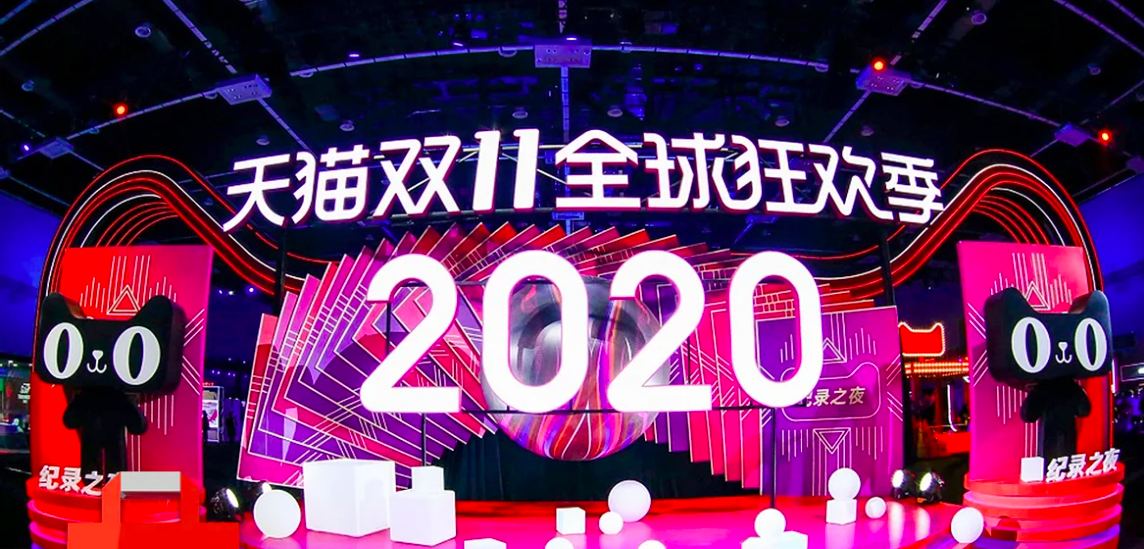
Every November 11th, China’s Single’s Day transforms into a massive shopping event that has become essential for beauty brands aiming to capture market share. What began as a celebration of singlehood has evolved into a retail phenomenon that now dwarfs every Western shopping event combined. In 2026, the rules have changed. Brands that win 11.11 prepare differently, sell differently, and speak to a consumer who is more informed and more demanding than ever.
Understanding the Event
Originally introduced by Alibaba Group, Single’s Day or the Double 11 Festival has become a shopping juggernaut across major platforms like Tmall and JD.com. The event has long transcended simple discounting. Brands now curate complete experiences, turning shopping into a seasonal moment. For companies seeking prominence in China’s beauty market, participation is not optional.
In 2025, the 11.11 festival generated over 1.44 trillion RMB across all platforms. Beauty ranked among the top three categories. The 2026 edition is expected to push that number higher, driven by Douyin’s continued growth and a new wave of AI-powered discovery tools that put products in front of buyers before they even search.
Pre-Event Strategy
Successful brands invest months in preparation through three key approaches:
- Product Innovation: Companies launch exclusive collections specifically designed for the festival. In 2026, limited drops tied to Chinese cultural moments perform significantly better than generic festival sets.
- Supply Chain Optimization: Brands plan inventory to meet anticipated demand. Pre-sale mechanics now extend to 30+ days before November 11th.
- Marketing Campaigns: Influencer partnerships play a central role. The warm-up phase on Xiaohongshu now starts in late September for top brands.
What Chinese Consumers Demand in 2026
According to iiMedia Research, China’s cosmetics market reached 562.4 billion RMB in 2025. The consumer wants proof, ingredients she can name, and a brand that speaks to her specific skin concerns.
AI chat is now a primary discovery channel. Doubao passed 500 million monthly active users in early 2026. Kimi crossed 200 million. Baidu’s AI Search serves over 600 million queries per month. Your cosmetics marketing strategy for China needs to account for AI discovery as a first touchpoint.
Ecommerce First: Tmall, Douyin, and Xiaohongshu in 2026
Over 80% of beauty product sales in China now happen online. Tmall remained the foundation with 280 billion RMB in beauty GMV in 2025. Douyin Beauty grew over 60% year-on-year. Xiaohongshu is the pre-purchase research layer with 300+ million users.
Work with a WeChat agency to build loyalty mechanics for your 11.11 warm-up. Use a Douyin advertising strategy that links directly to your Tmall store.
Start Now or Fall Behind
11.11 2026 is won in September, when you finalize ingredient messaging. It is won in October, when your Xiaohongshu seeding goes live. Get a free audit of your China beauty strategy. Contact Cosmetics China Agency here.
Olivier Verot, Cosmetics China Agency. 12+ years in the China beauty market.


